In anticipation of the AZ contract publication, a quick walk through of the vaccine contract we do have (which may be different, though I doubt it) and why the Commission's argument is disgraceful

The relevant obligations of the contractor (AZ) are in 1.3 and 1.71.

Those obligations are in three stages.

/2
First two

They must make reasonable best efforts

1. to obtain EU athorisation

2. to manufacture once authorisation granted

/3
Once those are satisfied THEN the contractor must deliver according to the estimated schedule (which may be adjusted for delay).

/4
The Commission's argument is that once the authorise (today!) the first two stages are satisfied. And the strict duty to deliver kicks in.

(see @vonderleyen interview in German here

https://t.co/i3Z7nQuLnE )

/5
But the reason why AZ has manufacturing capacity in advance of this long delayed authoristion by the Commission, is that the UK bought and approved months ago the same drug, so it has stock manufactured under that contract for the UK.

/6
If the UK contract didn't exist, there would be no stock.

A Soriot explained in his interview, the UK bught much earlier and stipulated that vaccine manufactured at UK plants go to the UK.

/7

https://t.co/REP32HbZIc
The "reasonable efforts" duty is expressly subject to contractual obligations to other parties.

This is how these kind of contracts work.

/8
It isn't "first come first served" but rather "once you give approval, you don't get the benefit of manufacturing ramp up we did under other contracts for other buyers."

/9
Bluntly, according to the information currently in the public domain, I think the Commission's behaviour is a disgrace. There is a failed procurement scandal here, and they're trying to deflect from their own failure.

/10
Disclosure: I am a contract lawyer. I am not a small minded Farage-ist Brexiteer. I wish we'd never left the EU.

Qualification: we haven't seen the AZ contract yet. We don't know what was said in negotiations.

/11

More from For later read

I should mention, this is why I keep talking about this. Because I know so many people who legally CAN'T.

How do I know they have NDAs, if they can't talk legally about them? Because they trusted me with their secrets... after I said something. That's how they knew I was safe.


Some of the people who have reached out to me privately have been sitting with the pain of what happened to them and the regret that they signed for YEARS. But at the time, it didn't seem like they had any other option BUT to sign.

I do not blame *anyone* for signing an NDA, especially when it's attached to a financial lifeline. When you feel like your family's wellbeing is at stake, you'll do anything -- even sign away your own voice -- to provide for them. That's not a "choice"; that's survival.

And yes, many of the people whose stories I now know were pressured into signing an NDA by my husband's ex-employer. Some of whom I *never* would have guessed. People I thought "left well." Turns out, they've just been *very* good at abiding by the terms of their NDA.

(And others who have reached out had similar experiences with other Christian orgs. Turns out abuse, and the use of NDAs to cover up that abuse, is rampant in a LOT of places.)
(1/50)

#Cardano “Understanding Kamali”

#Cardano will be the underpinning of the emergence of Africa.

To grasp the full weight of the SOLUTIONS #Cardano can provide it is pertinent to read “Understanding Africa” as I will draw directly from the PROBLEMS laid out.


(2/50)

Here is a link if you have not already read


(3/50)

What I will attempt to do here, is to create an immersive world for you to be placed in to grasp the weight and size of problems from the ground level and then take a grass-roots approach at solving them using #Cardano and its technology.

(4/50)

As an investor and community member of #Cardano, this should be extremely important to you as you have a stake (pun intended) in this.

“You are paid in direct proportion to the difficulty of the problems you solve” - @elonmusk

(5/50)

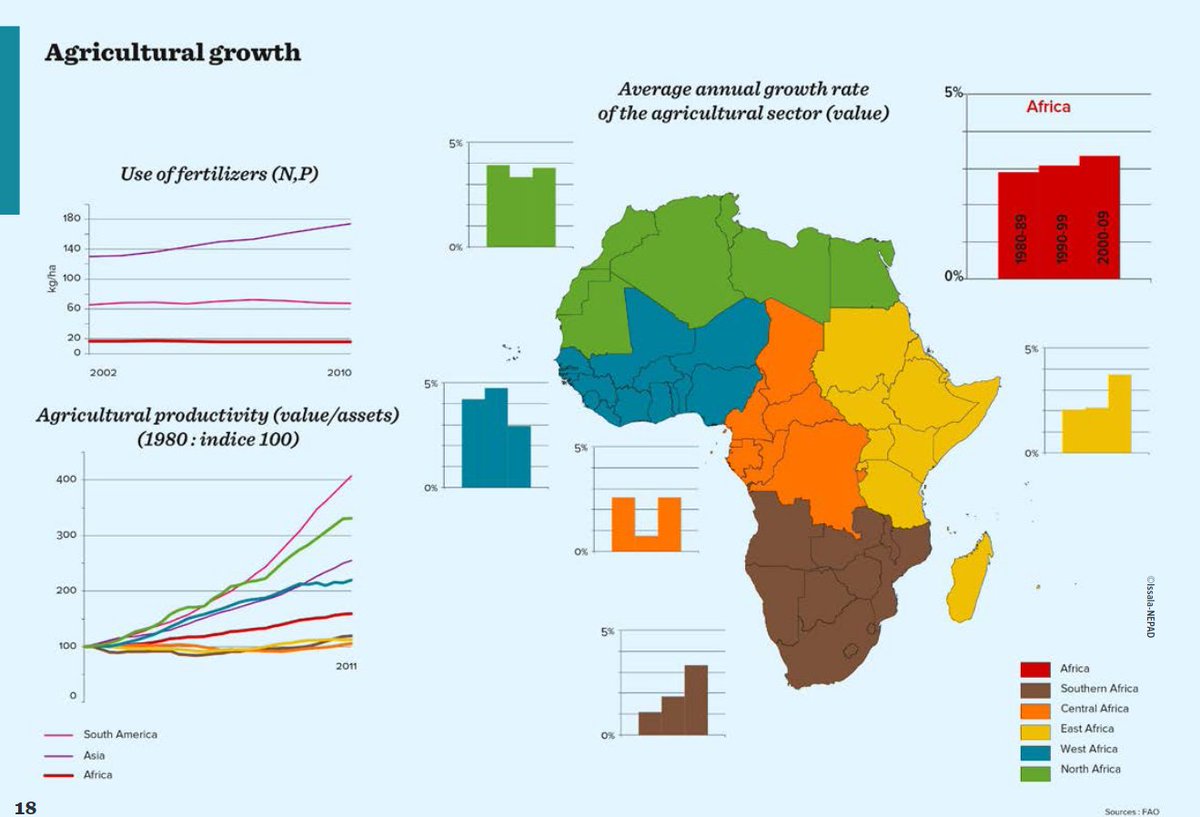
In Africa, agribusiness, more than any other sector, has the potential to reduce poverty and drive economic growth. Agriculture accounts for nearly half of the continent’s gross domestic product and employs 60 percent of the labor force.

You May Also Like