10 Manfaat Baking Soda untuk tanaman.

Ternyata selain untuk bahan pengembang roti. Baking soda juga bisa bermanfaat untuk tanaman.

Apa aja manfaatnya?

Lanjut....

1. Baking soda digunakan utk mengetes tingkat keasaman (Ph) tanah. Ambil sesendok tanah dr kebun dan basahi dengan air minum dan percikkan segenggam baking soda ke bagian tanah yang basah. Jika tanah mulai berbuih, artinya tingkat keasaman tanah kebun Anda lebih rendah dari 5.
2. Lenyapkan hama siput dari kebun dengan menaburkan baking soda. Siput akan mengering dan mati.
3.Jamur di tanaman juga bisa diusir dengan baking soda. Cukup campurkan 4 sendok makan baking soda ke dalam 1 galon air yang akan digunakan untuk menyiram tanaman. Lebih murah dan kandungan zat kimianya lebih rendah ketimbang pembasmi jamur yang lain.
4/ Untuk Anda yang suka membuat kompos dari sampah basah, masukkan baking soda ke dalam wadah kompos Anda untuk mengurangi baunya.
5. Kawanan semut sering menginvasi kebun. Campur gula halus dengan baking soda lalu taburkan sesendok di area yang ada semutnya. Gula halus akan menjadi penggoda semut untuk datang kembali. Begitu dimakan, kandungan baking soda akan langsung membunuh si semut-semut nakal.
6.Nah, yang ini bisa dilakukan kalau si kecil kebetulan memelihara kelinci dan sering dilepas bermain di kebun Anda. Daripada sayuran Anda dikudap oleh kelinci, taburkan saja baking soda di sekitar kebun agar kelinci enggan mampir.
7.Ulat sering menyelinap di tanaman sayuran seperti keluarga kol, kale, atau brokoli. Ketimbang menggunakan pestisida, campurkan baking soda dengan tepung kue dengan komposisi yang sama dan taburkan di tanaman sayur untuk membasmi ulat.
8. Jika Anda menanam tomat, baking soda bisa membuat buahnya jadi lebih manis. Taburkan sesendok teh baking soda ke sekitar tanaman tomat, jangan tepat ke tanamannya. Tanah akan menyerap baking soda dan menurunkan tingkat keasamannya.
9. Anda rutin menghiasi rumah dengan bunga segar? Celupkan bunga potong ke dalam air yang telah dicampur baking soda agar tahan lebih lama.
10. Sudah selesai bekerja di kebun?
Cuci tangan Anda dengan air dan baking soda dan lenyapkan bakteri dan kotoran yang menempel. Praktis!

More from Food

#bkdk sfw, drabble

-🍛

"Suprise, Kacchan!"

Izuku happily wiggles, hopping from one foot to the other like an excitable toddler, despite the fact that he's 6 foot something and a venerable powerhouse of a pro hero.

In his hand is a plate of… something… messy from each edge.


There's a message written on top in some sort of sauce, but the sauce had gotten absorbed in the rice. The mishmashed mush of vegetables (?) kind of looked like something you would pull out of a shower drain.

But the meat looks good? Browned chicken, maybe a little overspiced.

"The hell's this?"

"I made you dinner!" Izuku ushers Katsuki towards the dining table, hardly letting him take off his jacket first.

As soon as Katsuki sits, a napkin gets shoved in his lap as if they're at a fancy restaurant. Izuku becomes a whirlwind, flitting this way

and that in their home until there are a number of candles lit.

It would make the ambiance more romantic if it wasn't still daylight outside. It was closer to lunchtime than dinner, but Katsuki would let him have this.

He, instead, stares down at [the meal] and carefully schools his features. He isn't sure if he looks deadpan or intrigued like he means to, because as soon as he looks close, the veggies /jump/ on the plate, bubbling like they're still boiling.

You May Also Like

I'm going to do two history threads on Ethiopia, one on its ancient history, one on its modern story (1800 to today). 🇪🇹

I'll begin with the ancient history ... and it goes way back. Because modern humans - and before that, the ancestors of humans - almost certainly originated in Ethiopia. 🇪🇹 (sub-thread):


The first likely historical reference to Ethiopia is ancient Egyptian records of trade expeditions to the "Land of Punt" in search of gold, ebony, ivory, incense, and wild animals, starting in c 2500 BC 🇪🇹


Ethiopians themselves believe that the Queen of Sheba, who visited Israel's King Solomon in the Bible (c 950 BC), came from Ethiopia (not Yemen, as others believe). Here she is meeting Solomon in a stain-glassed window in Addis Ababa's Holy Trinity Church. 🇪🇹


References to the Queen of Sheba are everywhere in Ethiopia. The national airline's frequent flier miles are even called "ShebaMiles". 🇪🇹
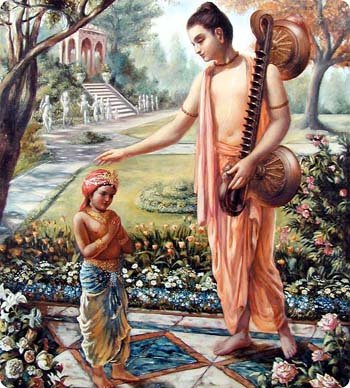
🌿𝑻𝒉𝒆 𝒔𝒕𝒐𝒓𝒚 𝒐𝒇 𝒂 𝑺𝒕𝒂𝒓 : 𝑫𝒉𝒓𝒖𝒗𝒂 & 𝑽𝒊𝒔𝒉𝒏𝒖

Once upon a time there was a Raja named Uttānapāda born of Svayambhuva Manu,1st man on earth.He had 2 beautiful wives - Suniti & Suruchi & two sons were born of them Dhruva & Uttama respectively.
#talesofkrishna https://t.co/E85MTPkF9W


Now Suniti was the daughter of a tribal chief while Suruchi was the daughter of a rich king. Hence Suruchi was always favored the most by Raja while Suniti was ignored. But while Suniti was gentle & kind hearted by nature Suruchi was venomous inside.
#KrishnaLeela


The story is of a time when ideally the eldest son of the king becomes the heir to the throne. Hence the sinhasan of the Raja belonged to Dhruva.This is why Suruchi who was the 2nd wife nourished poison in her heart for Dhruva as she knew her son will never get the throne.


One day when Dhruva was just 5 years old he went on to sit on his father's lap. Suruchi, the jealous queen, got enraged and shoved him away from Raja as she never wanted Raja to shower Dhruva with his fatherly affection.


Dhruva protested questioning his step mother "why can't i sit on my own father's lap?" A furious Suruchi berated him saying "only God can allow him that privilege. Go ask him"
This is a pretty valiant attempt to defend the "Feminist Glaciology" article, which says conventional wisdom is wrong, and this is a solid piece of scholarship. I'll beg to differ, because I think Jeffery, here, is confusing scholarship with "saying things that seem right".


The article is, at heart, deeply weird, even essentialist. Here, for example, is the claim that proposing climate engineering is a "man" thing. Also a "man" thing: attempting to get distance from a topic, approaching it in a disinterested fashion.


Also a "man" thing—physical courage. (I guess, not quite: physical courage "co-constitutes" masculinist glaciology along with nationalism and colonialism.)


There's criticism of a New York Times article that talks about glaciology adventures, which makes a similar point.


At the heart of this chunk is the claim that glaciology excludes women because of a narrative of scientific objectivity and physical adventure. This is a strong claim! It's not enough to say, hey, sure, sounds good. Is it true?