https://t.co/DXYLW44NZt
Nearly time to bid farewell to 2020. Never been prouder to be a @FT science writer - nor more grateful to be able to carry on working. A short, indulgent (sorry!) thread on writing covid...
Starting on Jan 8 with a mystery pneumonia https://t.co/d21b1e3gr4 via @financialtimes
Remember, we have yet to pay the ‘Xmas mixing’ dividend 😔
https://t.co/uYs5j7HsM6
https://t.co/m8lSRwoPIi
https://t.co/ZVRPVK0l2U
Again, can’t believe we are fighting this one all over again. The worst ever Groundhog Day...
https://t.co/FbwTdljNju
https://t.co/0i3kBjaf9N
https://t.co/hjdakvC19Y
https://t.co/uTa5DPICVI
More from Finance

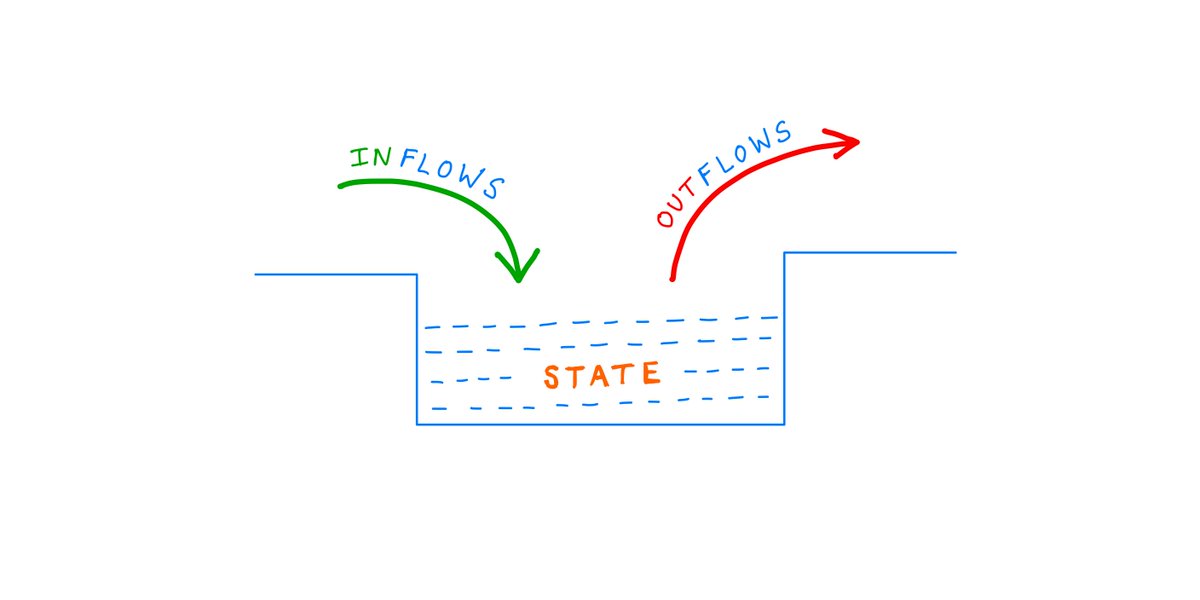





Rule 4 : If buying a naked option, always ensure that implied volatility is low. This can be understood from the level of IV vis a vis historical IV levels. Use IVR or IVP etc.
For a naked option to make money, it's better if IV rises or at least stays flat.
This is a thread I wrote on IV, IVR etc
For a naked option to make money, it's better if IV rises or at least stays flat.
Rule 3 : DO NOT run or trade everything that moves. Focus on a few stocks and master them. When a move comes, make the max out of that move.
— Subhadip Nandy (@SubhadipNandy16) October 14, 2021
Example : in this crazy mkt, I did not even trade TataMotors this week. Stayed focussed on ITC and it gave good returns https://t.co/41wkugZg1I
This is a thread I wrote on IV, IVR etc
IV - A thread
— Subhadip Nandy (@SubhadipNandy16) September 20, 2018
In financial mathematics, implied volatility of an option contract is
that value of the volatility of the underlying instrument which, when
input in an option pricing model ) will return a theoretical value equal to the current market price of the option (1/n)