Amid the data, this memo stood out for its candor.
1/ This is a memo outlining 11 ways to hide your money offshore.
It was not supposed to “fall into the wrong hands.”
Well, it did. https://t.co/N6RUDqHVfR
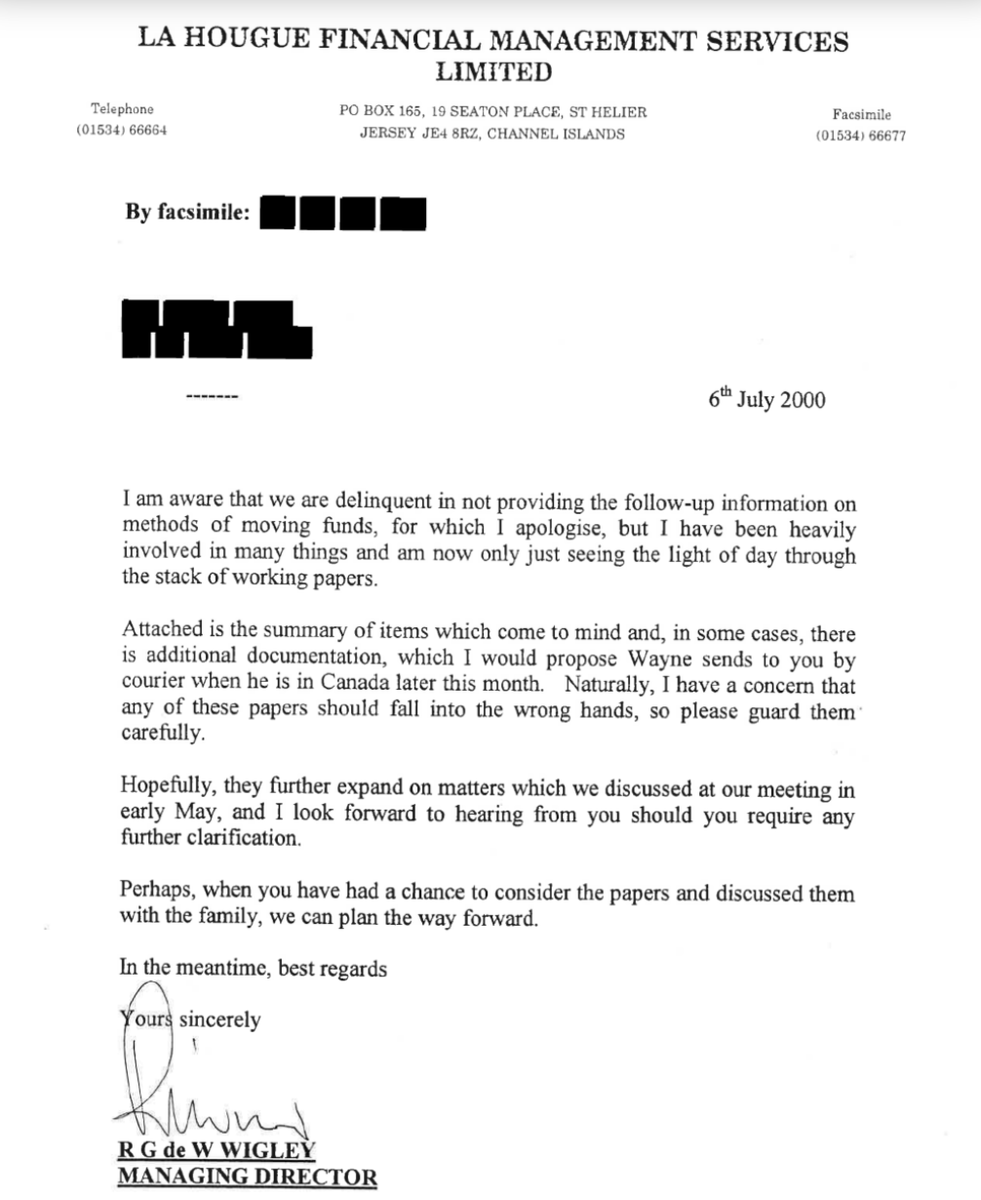
Amid the data, this memo stood out for its candor.
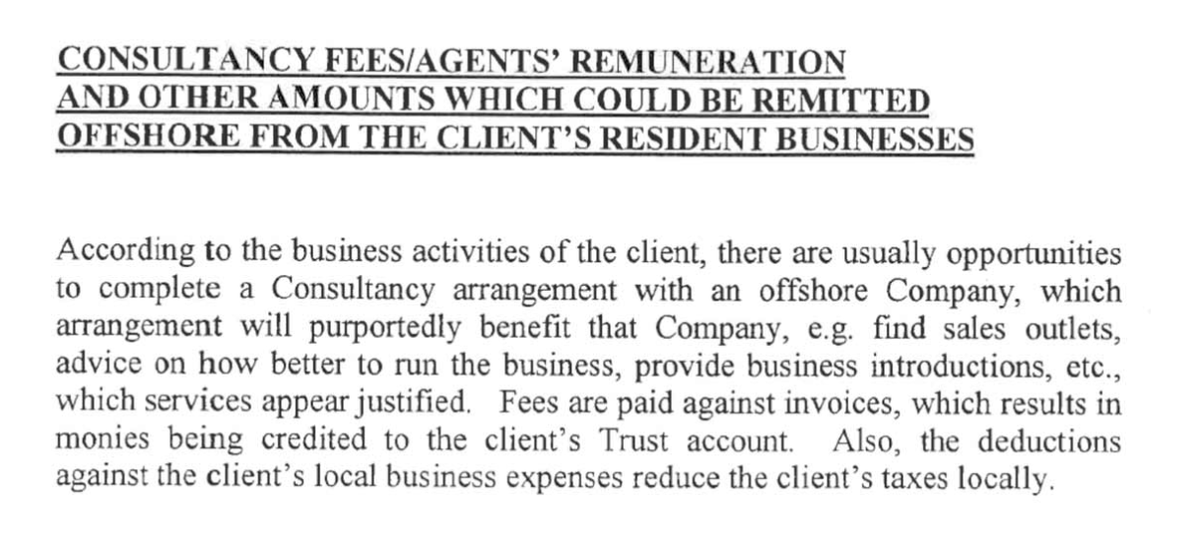
For instance, you could hire an offshore company to do some fake consulting for your business (who knows what consultants do anyway, right?). Your payments go to your offshore account, and you get to write off the fees as an expense.
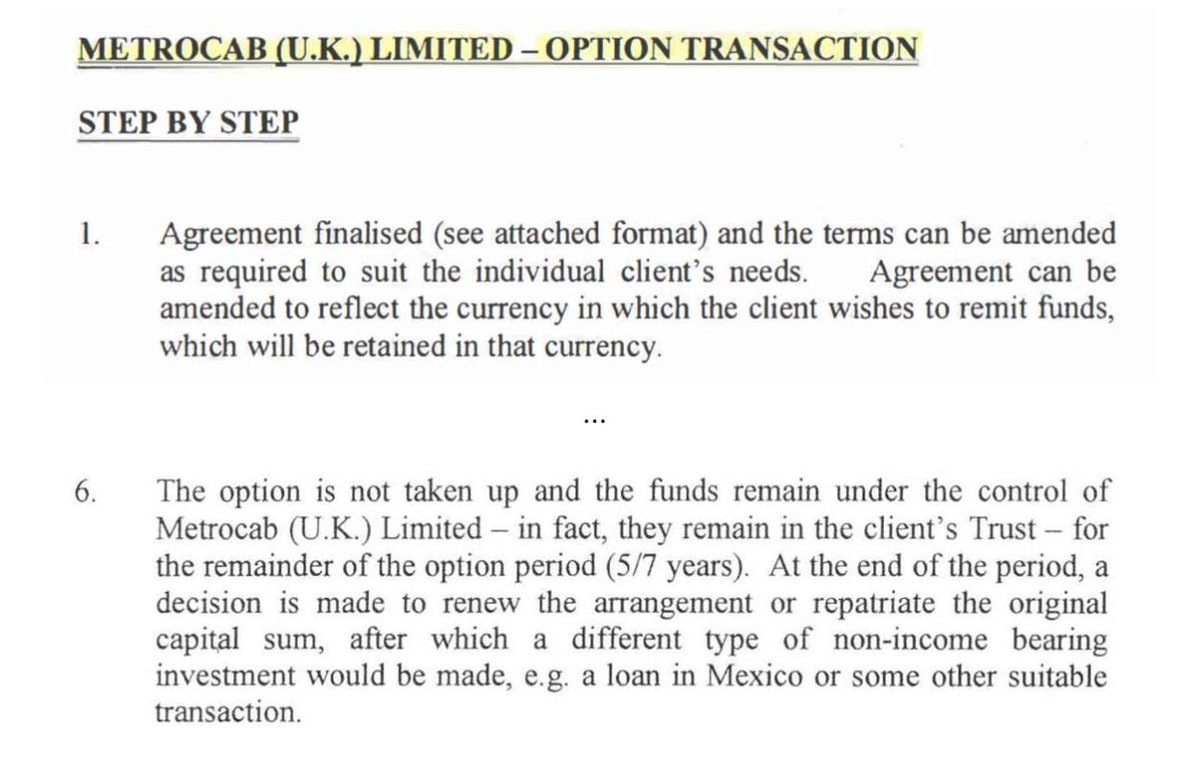
Lose your money on bad “investments.” You can lucratively lose 6-figure sums by lending to and investing in companies that never show a profit (or even care to earn one). Then you get to write off the planned losses at tax time.
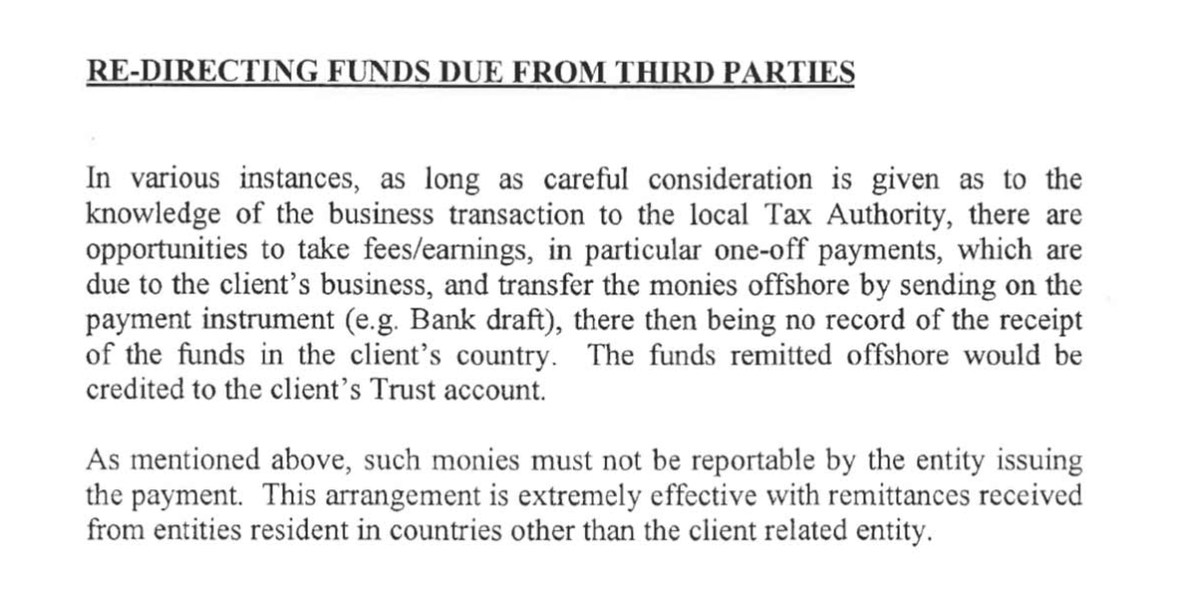
Does someone owe you money? Don’t invoice them—have them send that payment directly into your offshore account, so you never have to declare it.
Owe your money to a third party (who is, in effect, you). If you can produce a contract that says you owe money—that becomes a business expense.
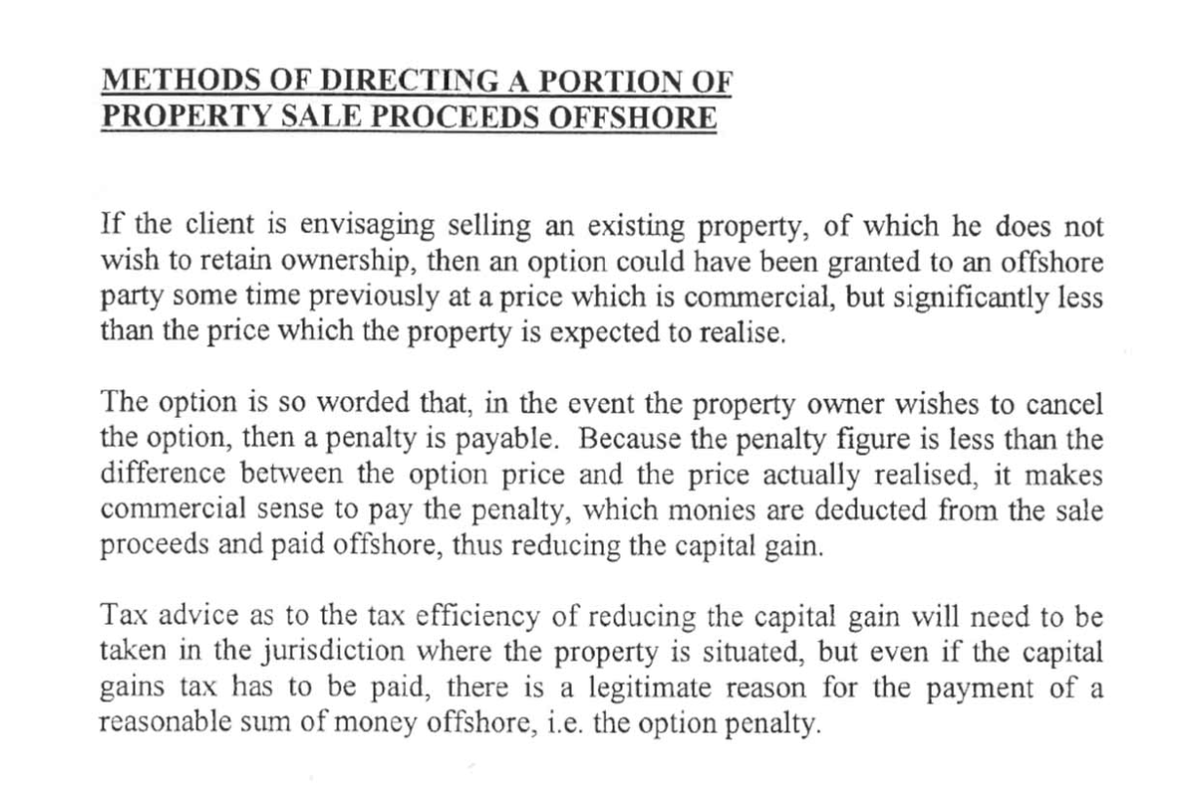
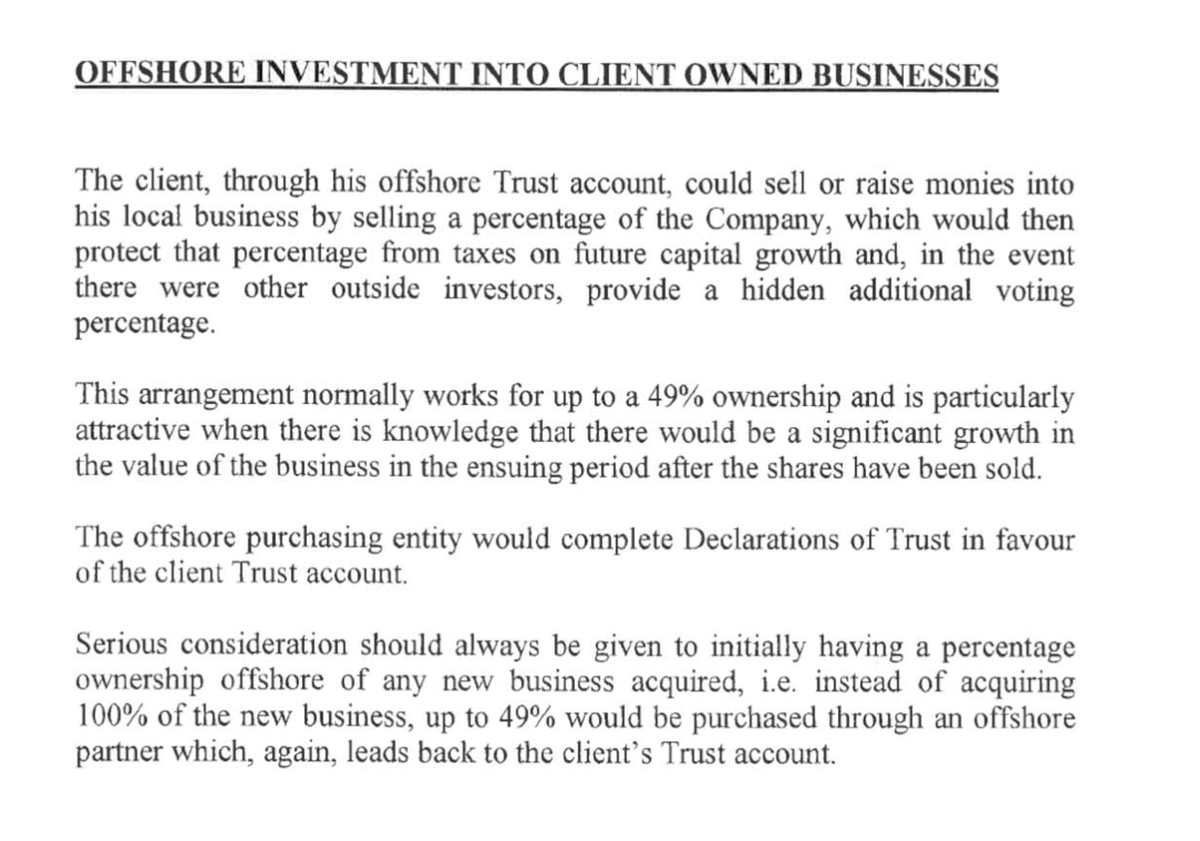
Sell off part of your business (to a secretive entity you happen to control). If you don’t appear to own the business, you don’t have to pay taxes on its profits.
And if you’re curious about what else showed up in that batch of 350,000 leaked documents, read more from @GlobalRepCentre: https://t.co/vtAregqTwR
More from Finance






You May Also Like






“We don’t negotiate salaries” is a negotiation tactic.
Always. No, your company is not an exception.
A tactic I don’t appreciate at all because of how unfairly it penalizes low-leverage, junior employees, and those loyal enough not to question it, but that’s negotiation for you after all. Weaponized information asymmetry.
Listen to Aditya
And by the way, you should never be worried that an offer would be withdrawn if you politely negotiate.
I have seen this happen *extremely* rarely, mostly to women, and anyway is a giant red flag. It suggests you probably didn’t want to work there.
You wish there was no negotiating so it would all be more fair? I feel you, but it’s not happening.
Instead, negotiate hard, use your privilege, and then go and share numbers with your underrepresented and underpaid colleagues. […]
Always. No, your company is not an exception.
A tactic I don’t appreciate at all because of how unfairly it penalizes low-leverage, junior employees, and those loyal enough not to question it, but that’s negotiation for you after all. Weaponized information asymmetry.
Listen to Aditya
"we don't negotiate salaries" really means "we'd prefer to negotiate massive signing bonuses and equity grants, but we'll negotiate salary if you REALLY insist" https://t.co/80k7nWAMoK
— Aditya Mukerjee, the Otterrific \U0001f3f3\ufe0f\u200d\U0001f308 (@chimeracoder) December 4, 2018
And by the way, you should never be worried that an offer would be withdrawn if you politely negotiate.
I have seen this happen *extremely* rarely, mostly to women, and anyway is a giant red flag. It suggests you probably didn’t want to work there.
You wish there was no negotiating so it would all be more fair? I feel you, but it’s not happening.
Instead, negotiate hard, use your privilege, and then go and share numbers with your underrepresented and underpaid colleagues. […]