
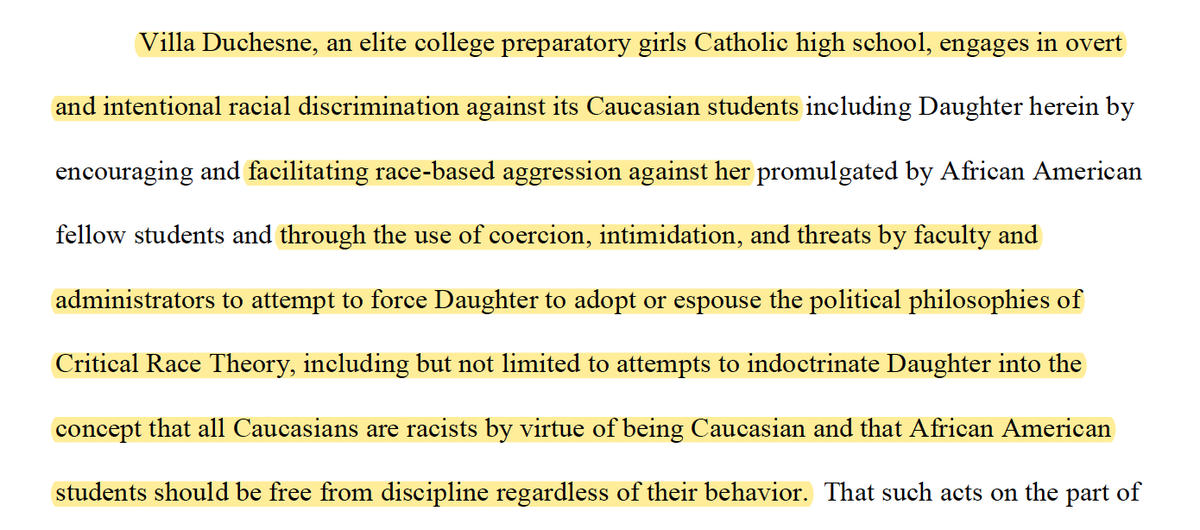
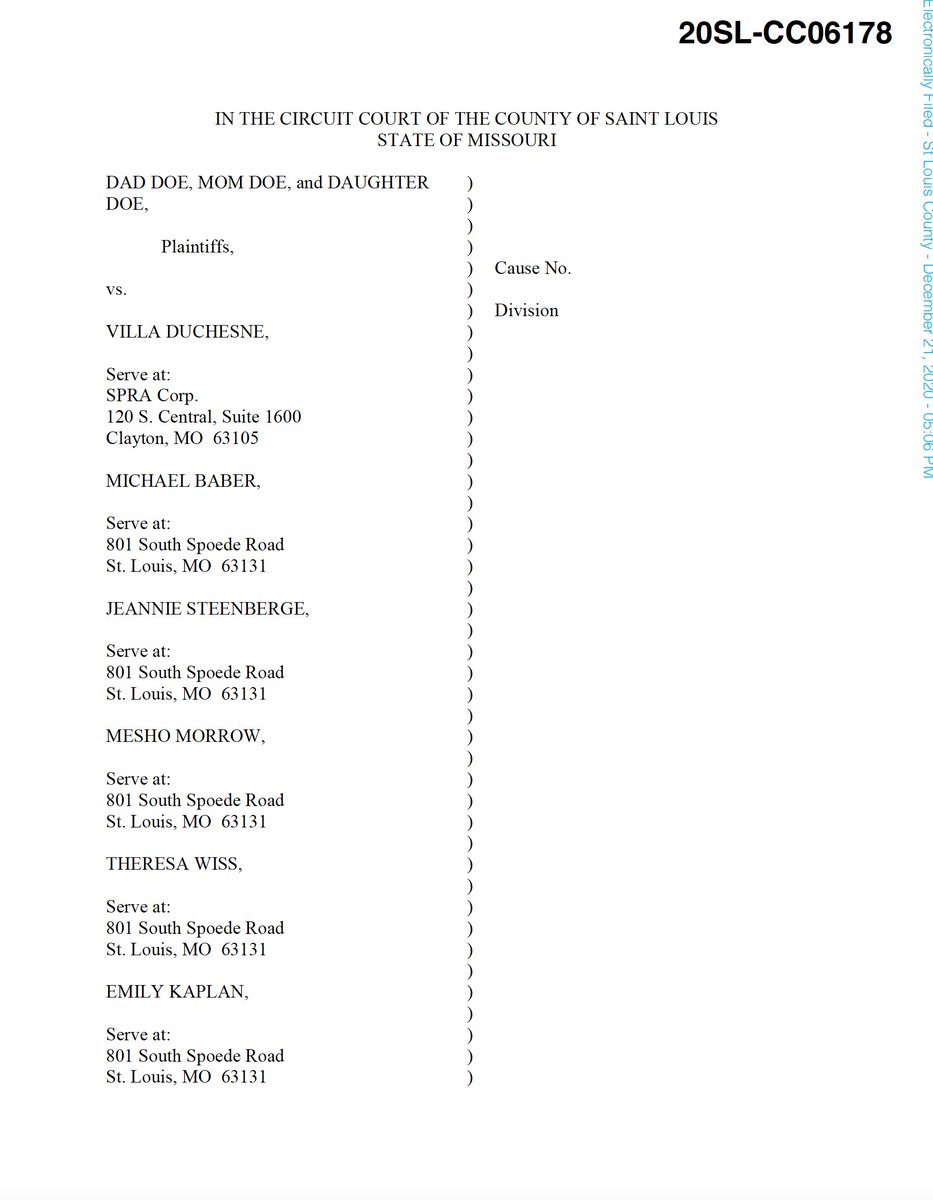
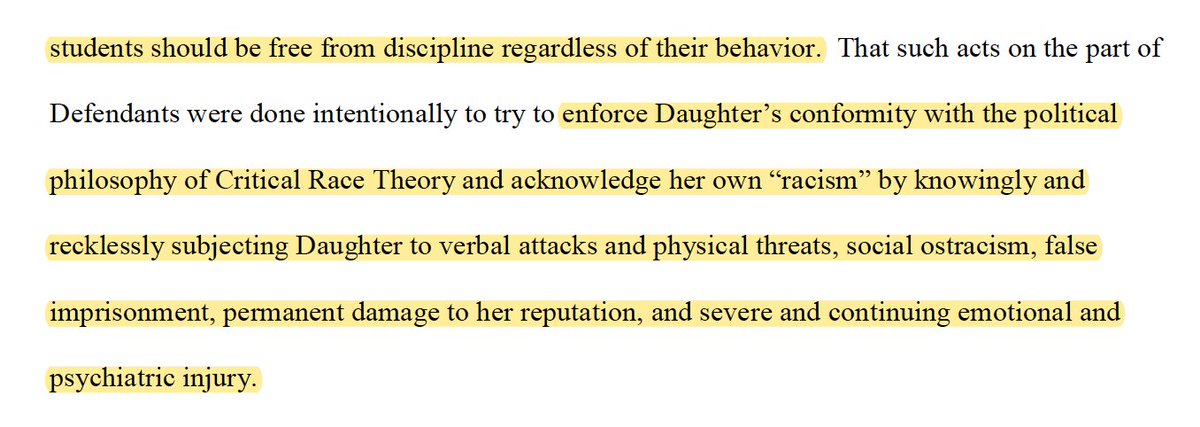
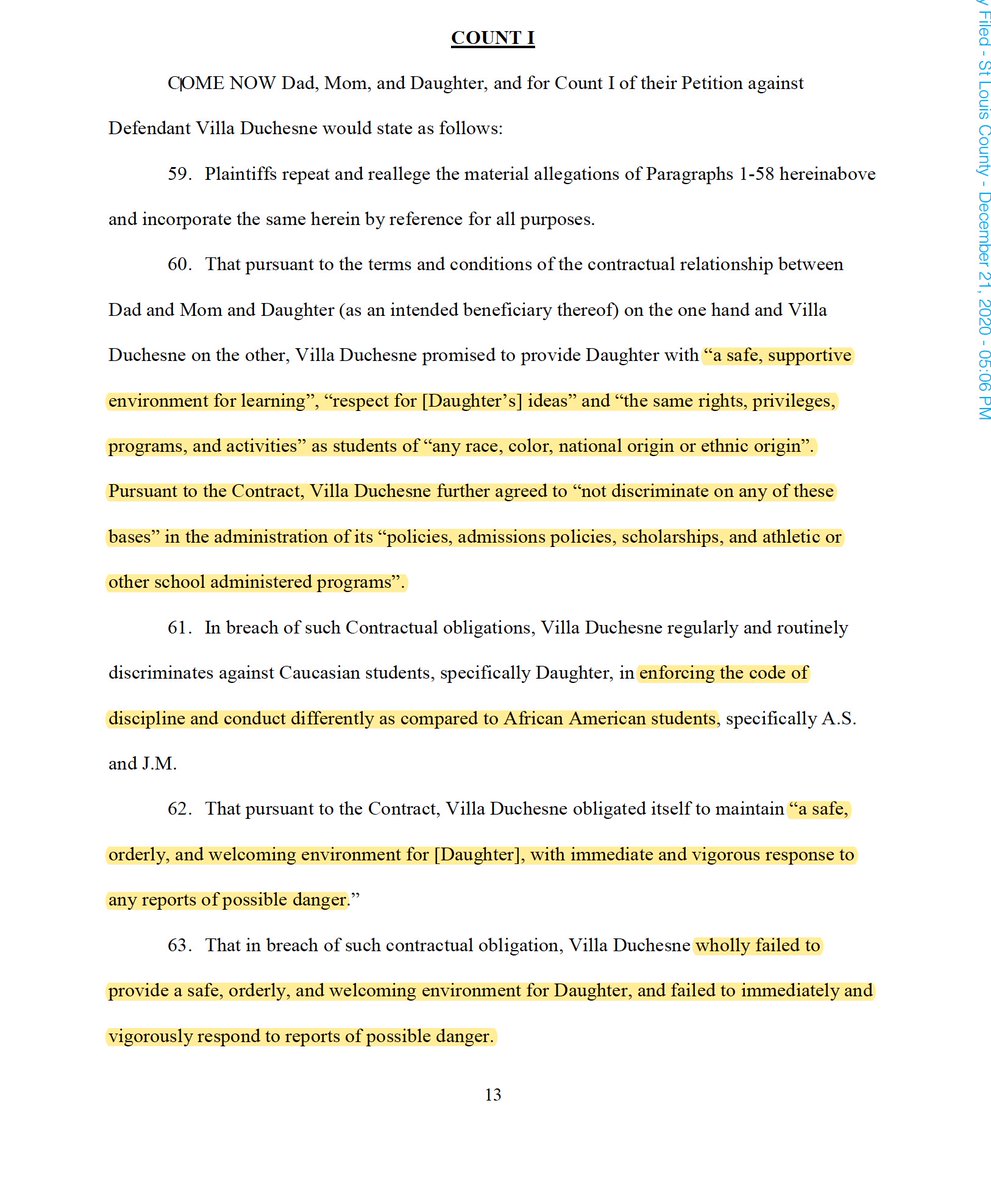
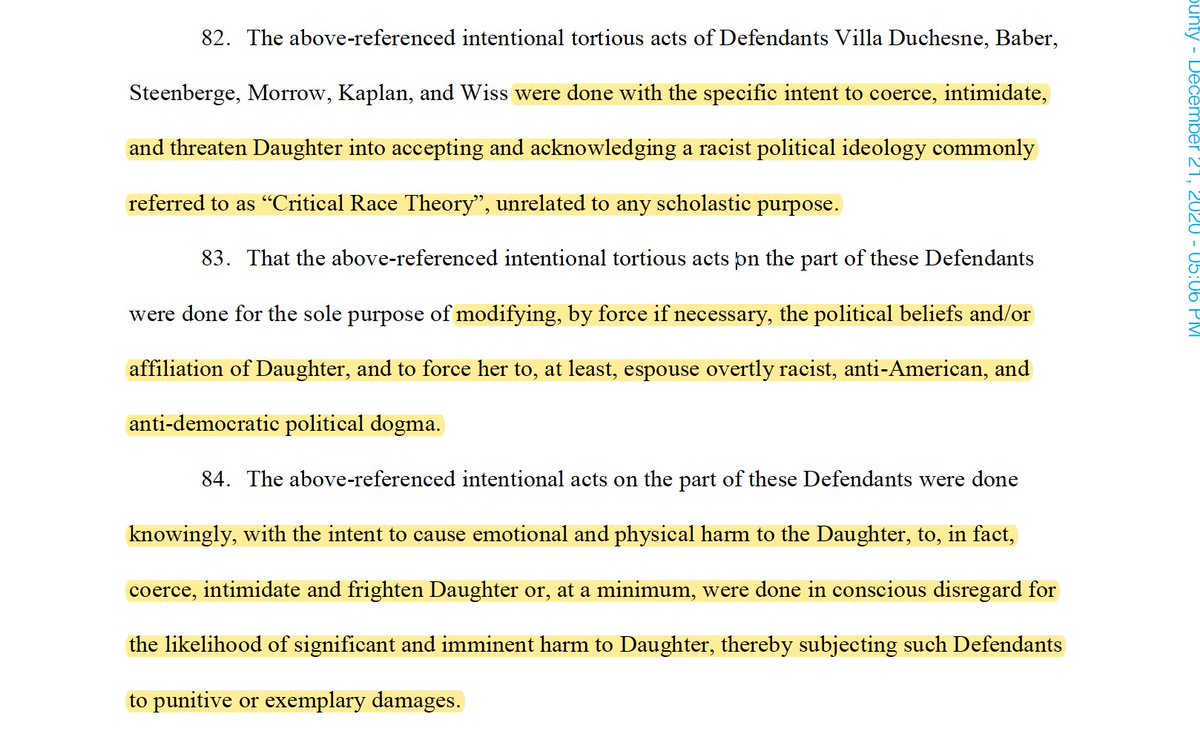
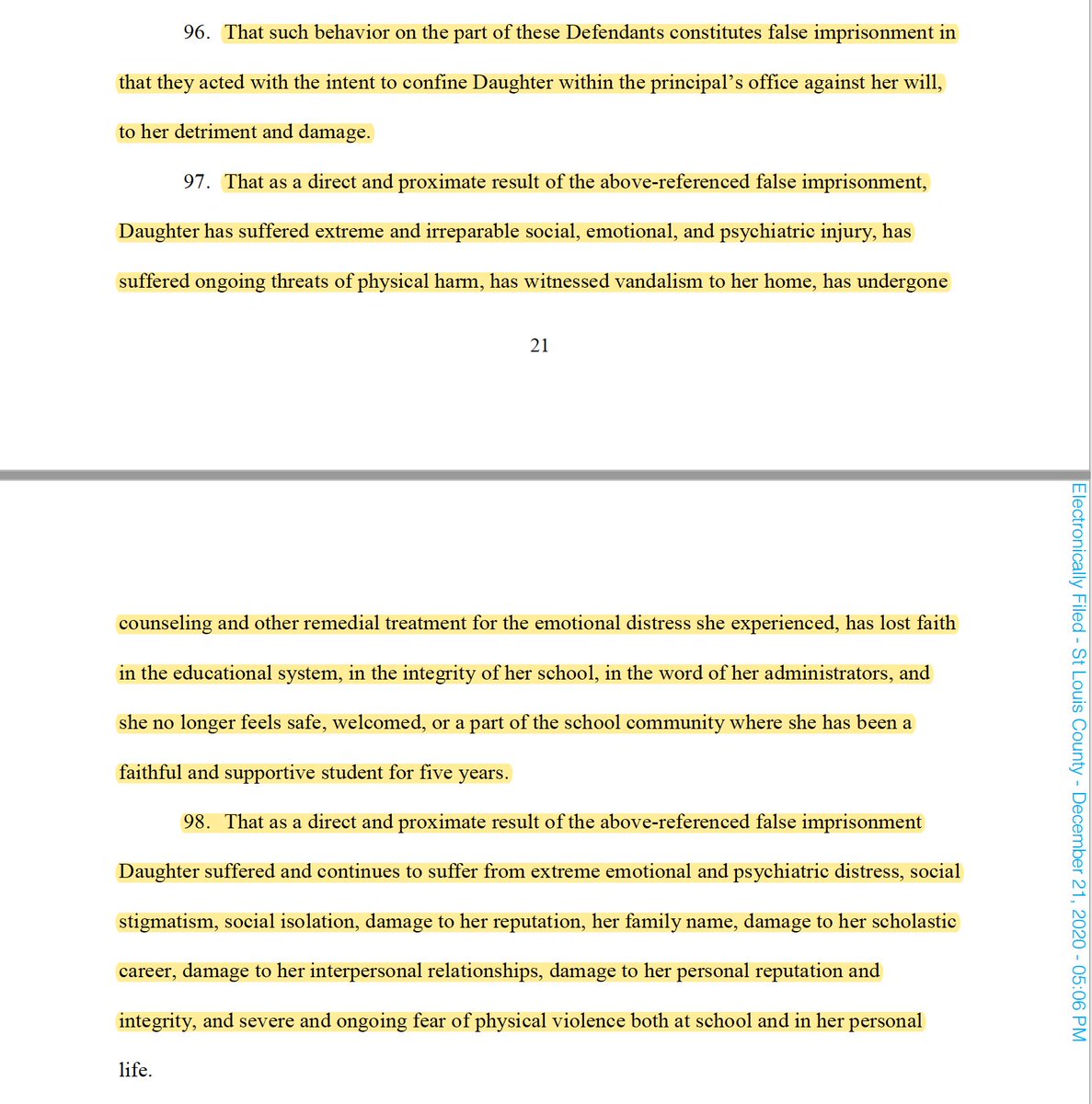
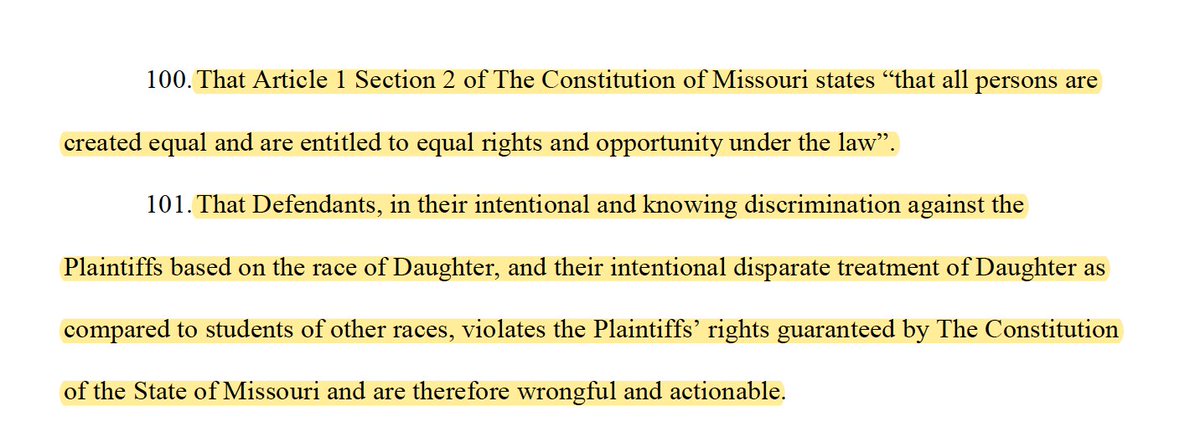
1) 🚨BREAKING: Parents file lawsuit against Villa Duchesne High School for "intentional racial discrimination" against white students, and using "coercion, intimidation, and threats" to indoctrinate students into Critical Race Theory.
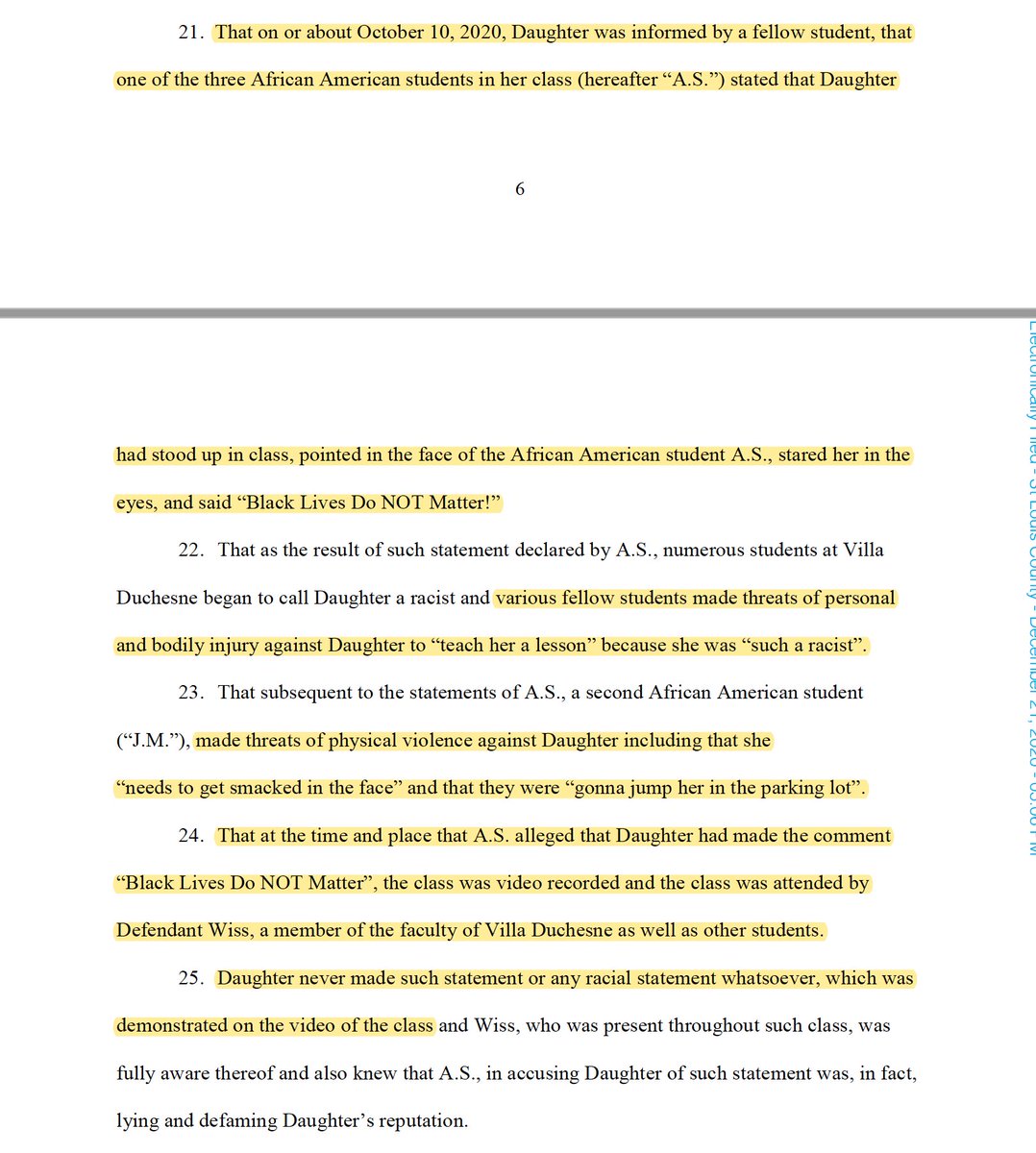
However, the class where this vent allegedly took place was videotaped, and upon review no such event had occurred.
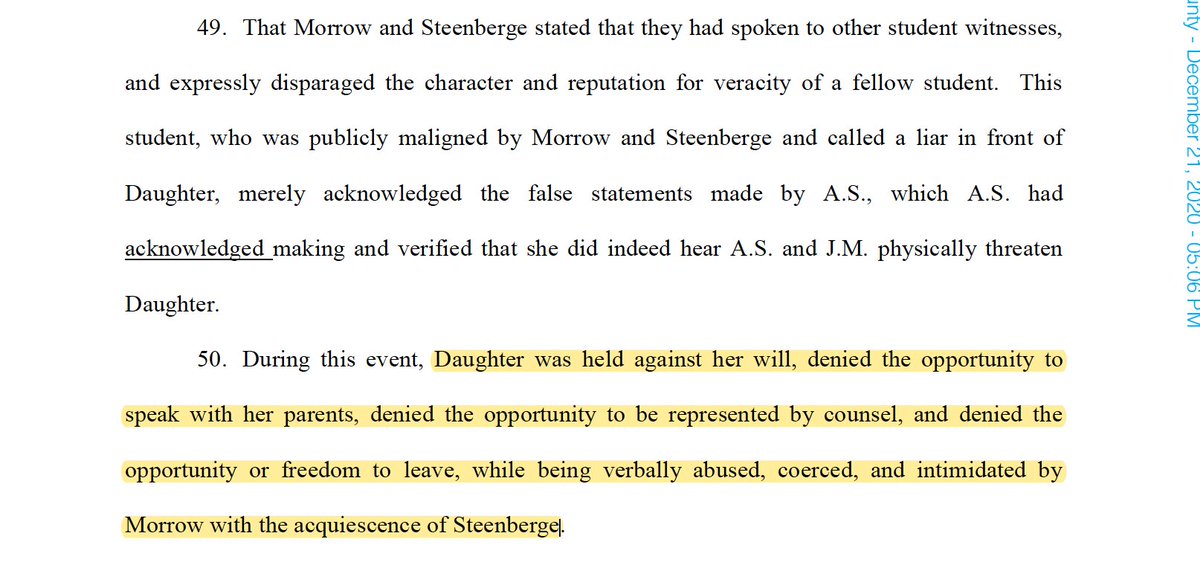
During a meeting, the principal and a faculty member allowed a black student to aggressively verbally berate the daughter, without intervention.
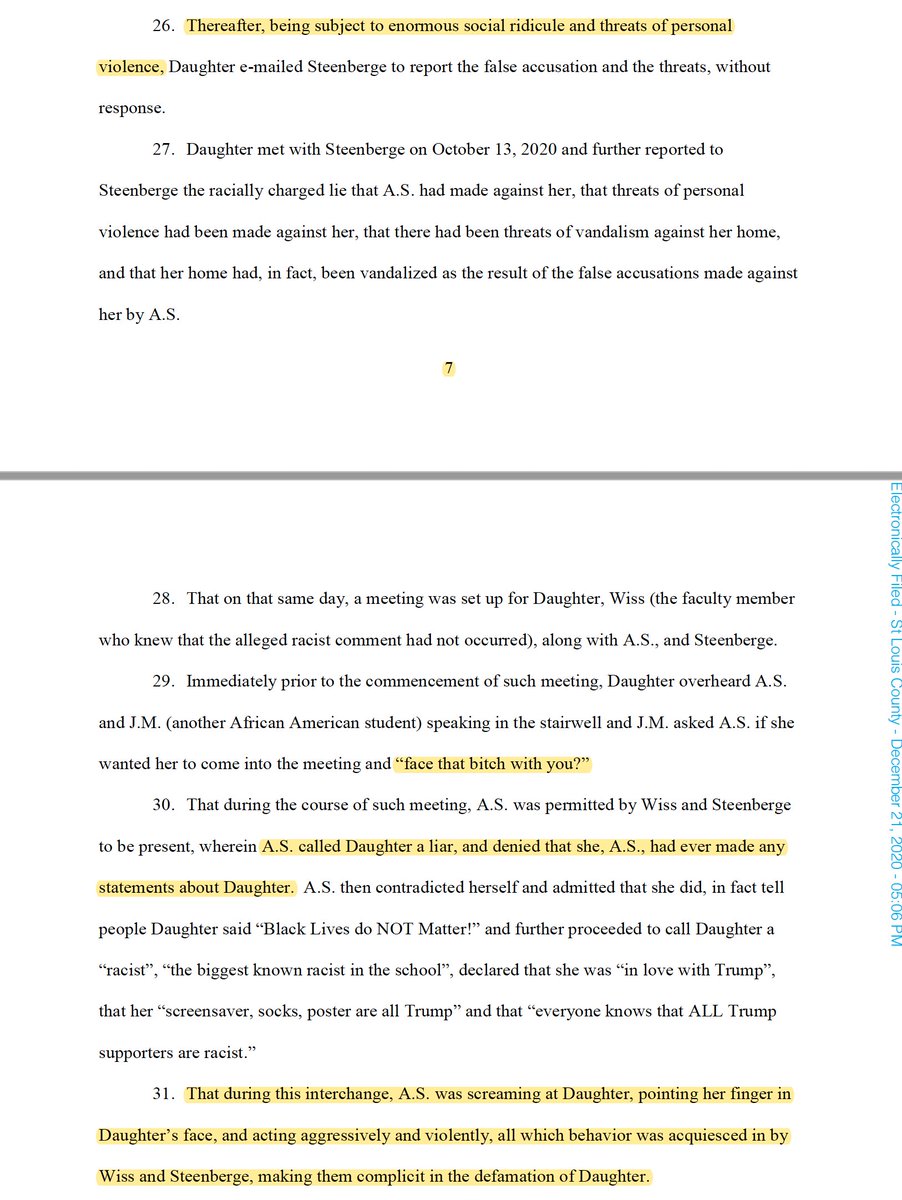
Faculty told daughter the sticker was racist and "made to crush the BLM movement," and that "simply having that sticker, you should expect to be treated like a racist."
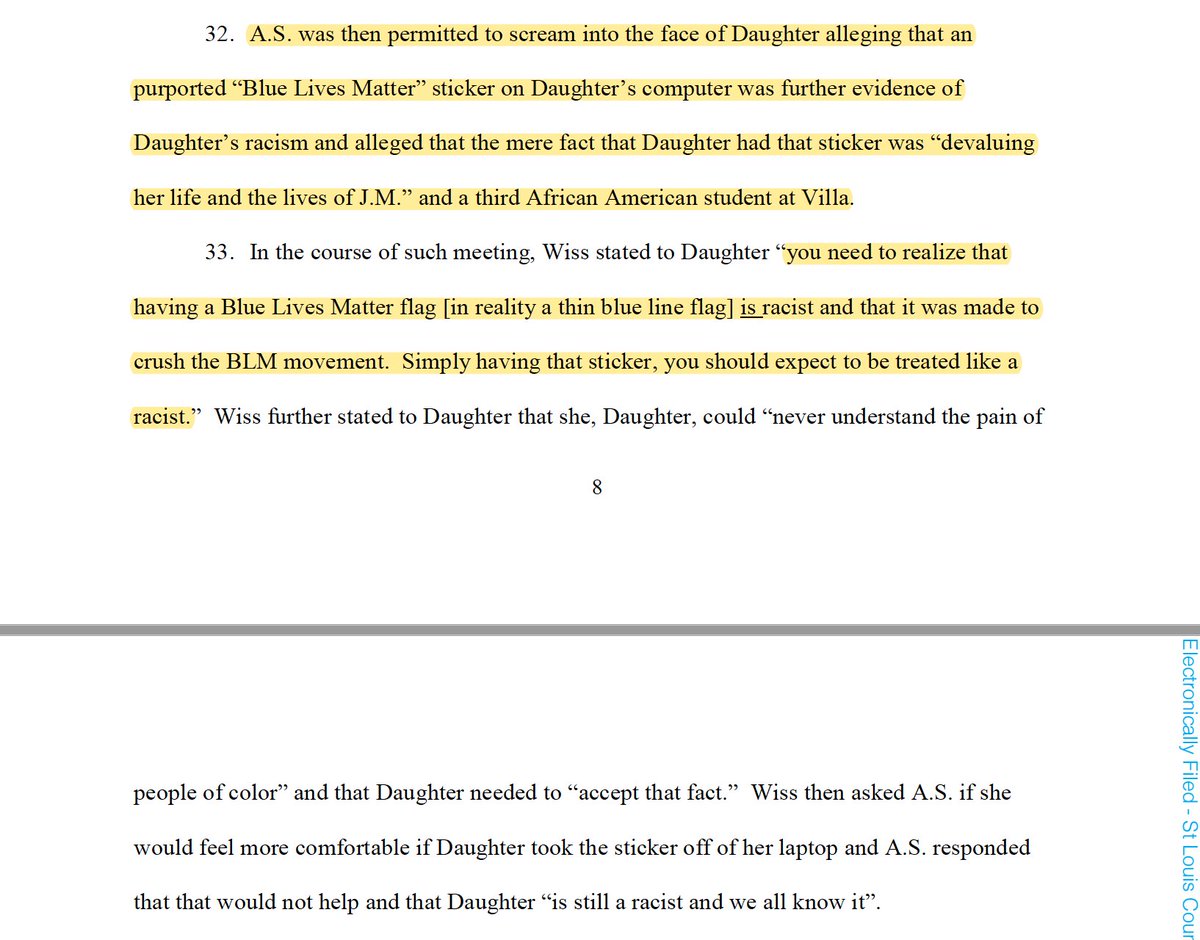
Other faculty insisted that the daughter "declare that she 'felt safe'" and "it was all in her head."
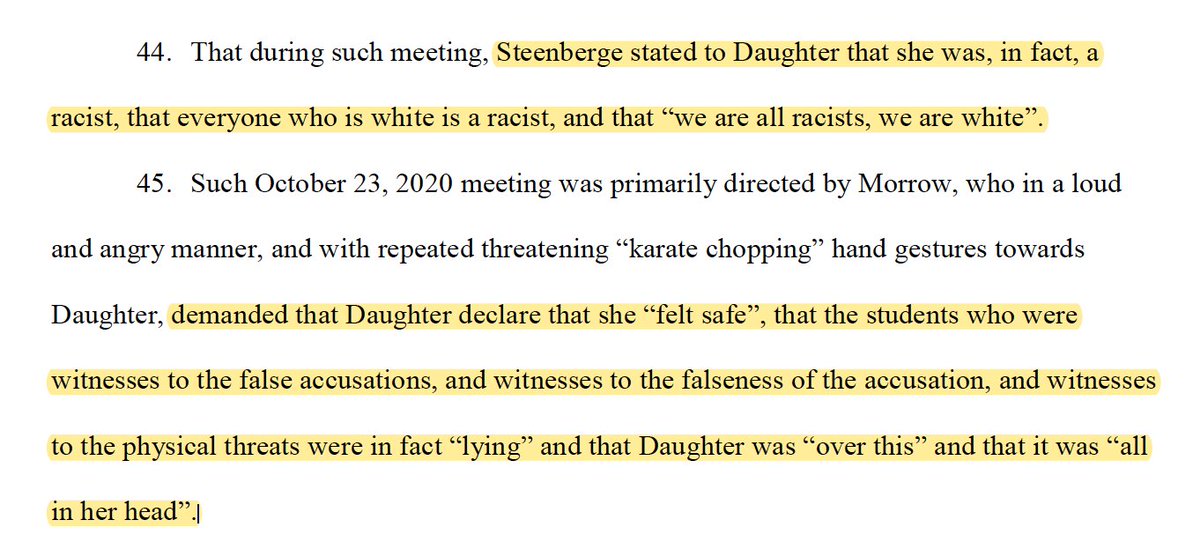
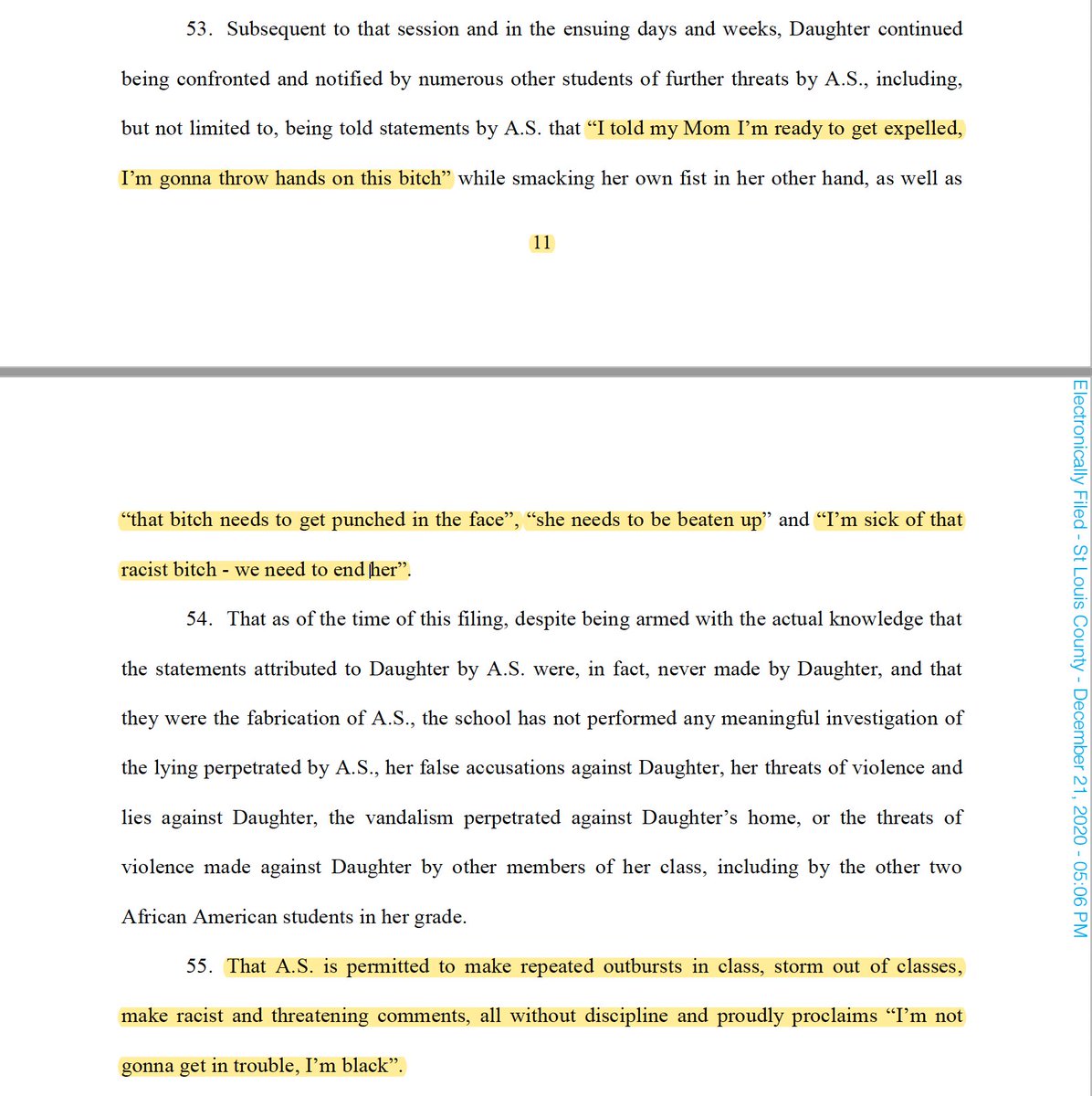
"I'm gonna throw hands on this bitch"
"That bitch needs to get punched in the face"
"She needs to be beaten up"
"I'm sick of that racist bitch—we need to end her"
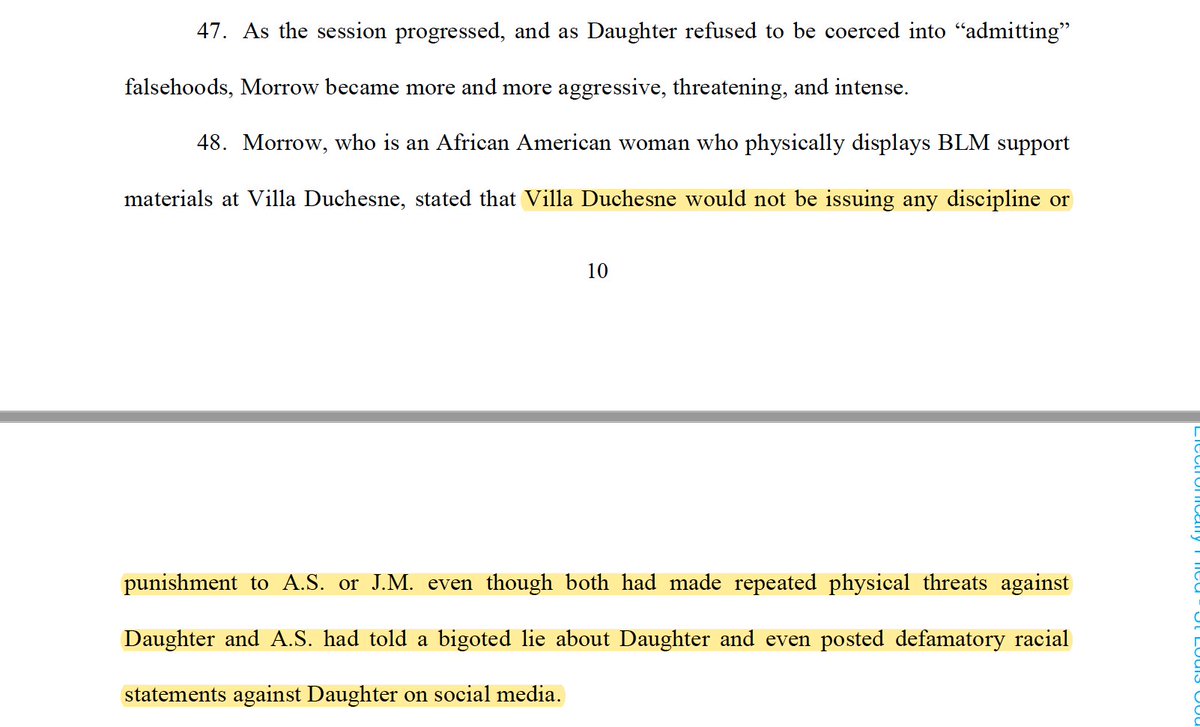
Instead of protecting the daughter from threats and violence, the school subjected her to more.
More from Education




Okay, #MAEdu, let's talk FY22 and the Student Opportunity Act: https://t.co/o1tgppGy4K

First up:
The FIRST year, Governor Baker?
This is the second year of SOA implementation: you're missing one.

So, are we going to do this in six years, or are we just going to kick the can ANOTHER year on kids?
Remember, school funding is builds on prior years.
We never get that missing funding back.

Also: what are the base numbers being used?
Is the Governor dropping enrollment, even though we all know that was an artificial drop?

There's a decent chance that a WHOLE bunch of those kindergartner and preschoolers are going to be back this fall if we manage to get kids into buildings, PLUS we'll have the USUAL enrollment of preK and K!
...and less funding than usual?

.@MassGovernor Baker says FY22 budget proposal will fully fund the 1st year of the Student Opportunity Act. #mapoli #MassMuni21
— Mass. Municipal Assn (@massmunicipal) January 22, 2021
First up:
The FIRST year, Governor Baker?
This is the second year of SOA implementation: you're missing one.
So, are we going to do this in six years, or are we just going to kick the can ANOTHER year on kids?
Remember, school funding is builds on prior years.
We never get that missing funding back.
Also: what are the base numbers being used?
Is the Governor dropping enrollment, even though we all know that was an artificial drop?
There's a decent chance that a WHOLE bunch of those kindergartner and preschoolers are going to be back this fall if we manage to get kids into buildings, PLUS we'll have the USUAL enrollment of preK and K!
...and less funding than usual?
You May Also Like




“We don’t negotiate salaries” is a negotiation tactic.
Always. No, your company is not an exception.
A tactic I don’t appreciate at all because of how unfairly it penalizes low-leverage, junior employees, and those loyal enough not to question it, but that’s negotiation for you after all. Weaponized information asymmetry.
Listen to Aditya
And by the way, you should never be worried that an offer would be withdrawn if you politely negotiate.
I have seen this happen *extremely* rarely, mostly to women, and anyway is a giant red flag. It suggests you probably didn’t want to work there.
You wish there was no negotiating so it would all be more fair? I feel you, but it’s not happening.
Instead, negotiate hard, use your privilege, and then go and share numbers with your underrepresented and underpaid colleagues. […]
Always. No, your company is not an exception.
A tactic I don’t appreciate at all because of how unfairly it penalizes low-leverage, junior employees, and those loyal enough not to question it, but that’s negotiation for you after all. Weaponized information asymmetry.
Listen to Aditya
"we don't negotiate salaries" really means "we'd prefer to negotiate massive signing bonuses and equity grants, but we'll negotiate salary if you REALLY insist" https://t.co/80k7nWAMoK
— Aditya Mukerjee, the Otterrific \U0001f3f3\ufe0f\u200d\U0001f308 (@chimeracoder) December 4, 2018
And by the way, you should never be worried that an offer would be withdrawn if you politely negotiate.
I have seen this happen *extremely* rarely, mostly to women, and anyway is a giant red flag. It suggests you probably didn’t want to work there.
You wish there was no negotiating so it would all be more fair? I feel you, but it’s not happening.
Instead, negotiate hard, use your privilege, and then go and share numbers with your underrepresented and underpaid colleagues. […]
