
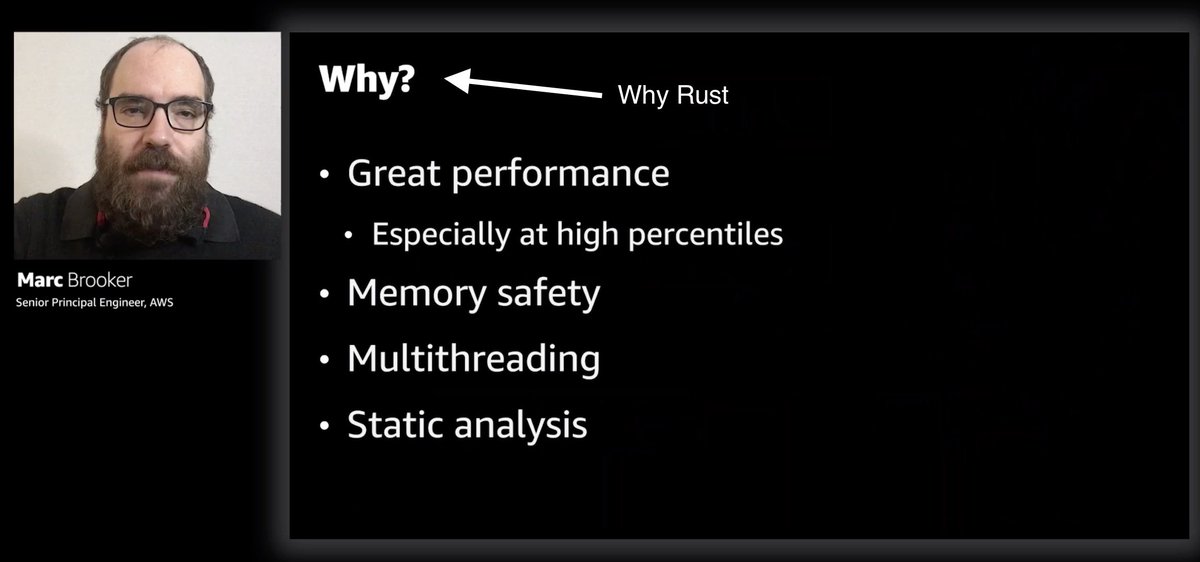
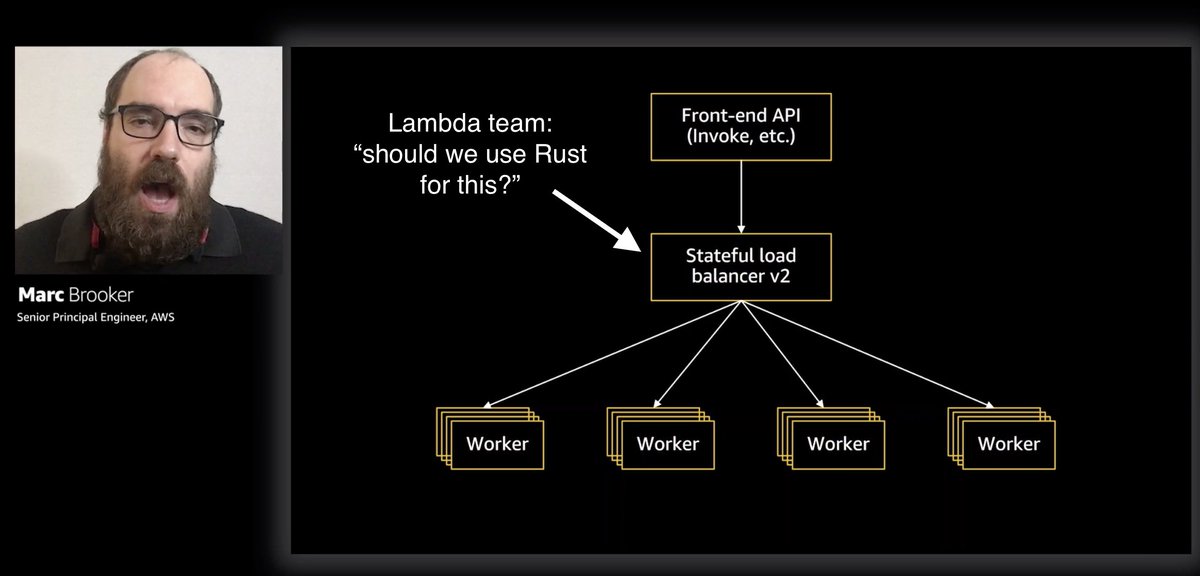
Great session by @MarcJBrooker earlier on building technology standards at Amazon scale, and some interesting tidbits about the secret sauce behind Lambda and how they make technology choices - e.g. in whether to use Rust for the stateful load balancer v2 for Lambda.
🧵
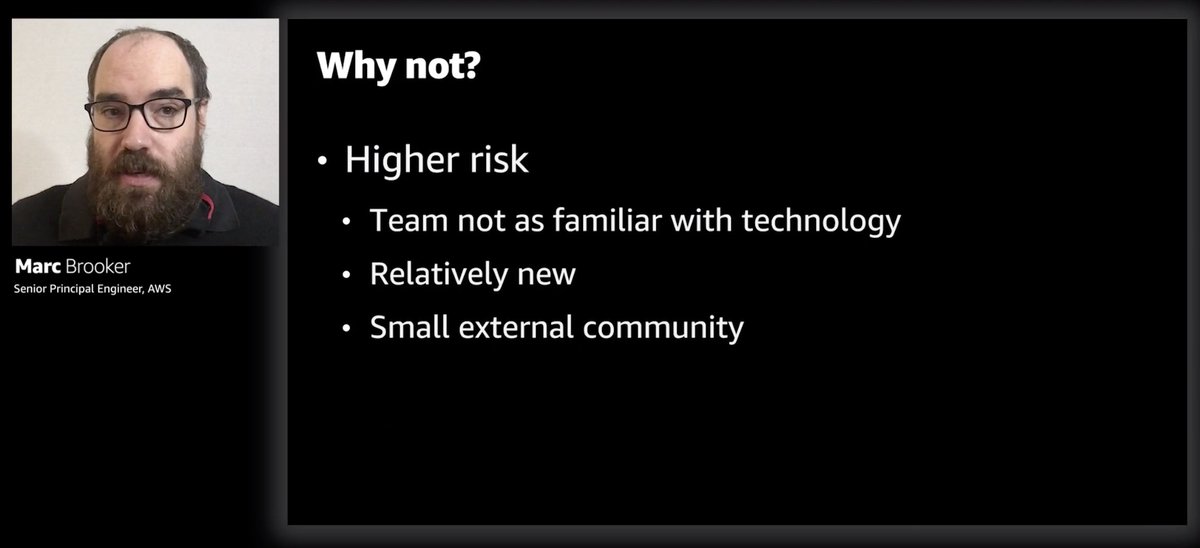
The interesting Q is how to balance technical strengths vs weaknesses that are more organizational.
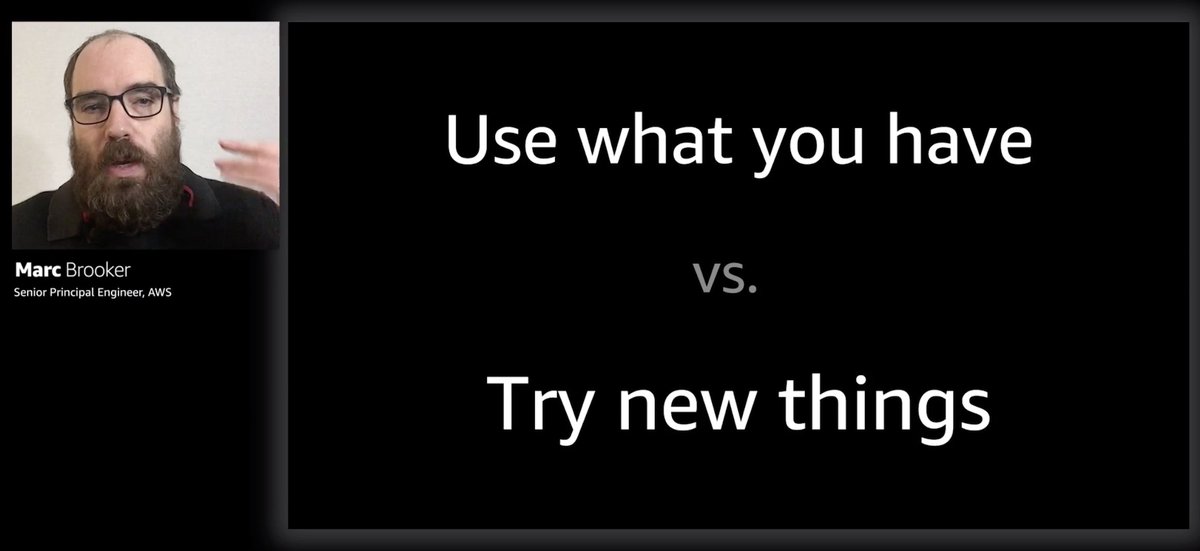
which is basically the same question that organizations all over the world have to answer when they consider adopting #serverless technologies like Lambda.
As a consultant, I often find myself being one of those guard rails for organizations that want to adopt #Serverless
(nice plug, self hi-five! ✋)
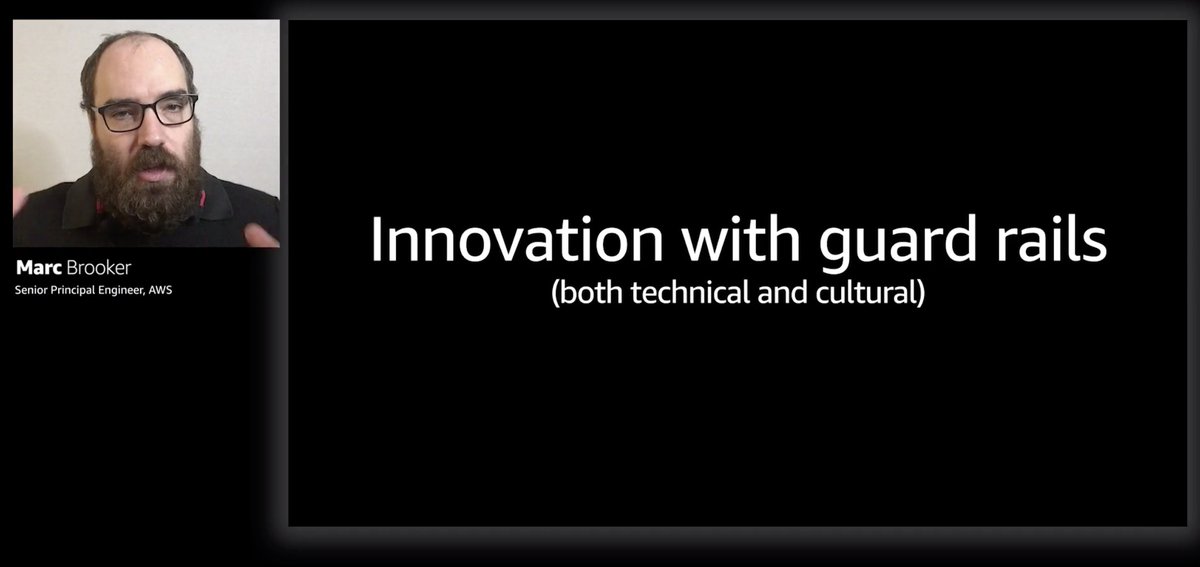
This line about avoiding baking language-specific choices into your contract and data is so important. It gives you an easier path to back out of that language choice if it turns out to be wrong.
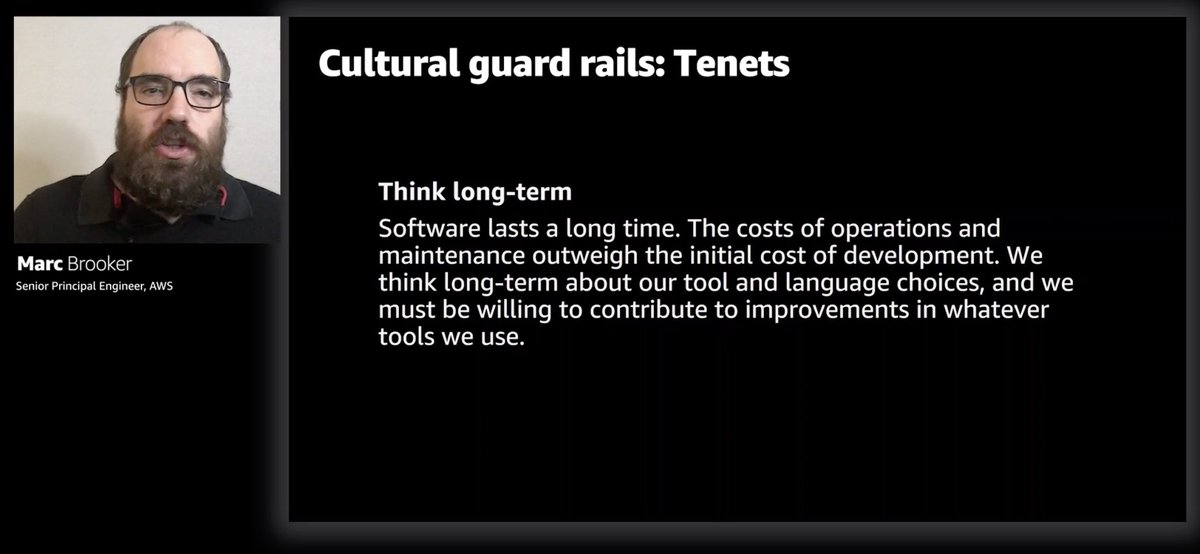
https://t.co/qBh6wgGuz1
👍👍👍
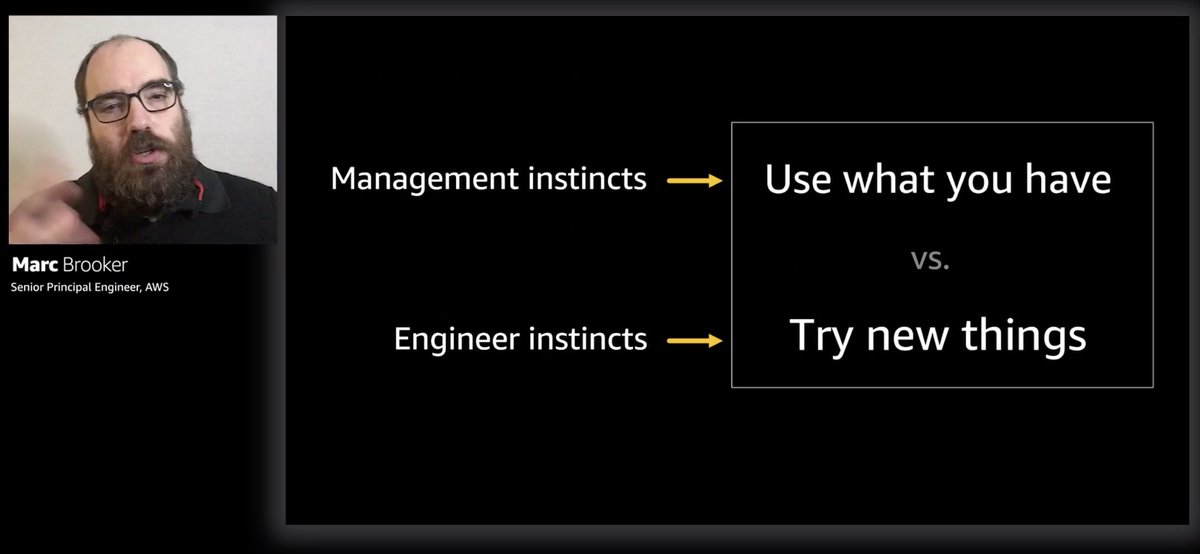
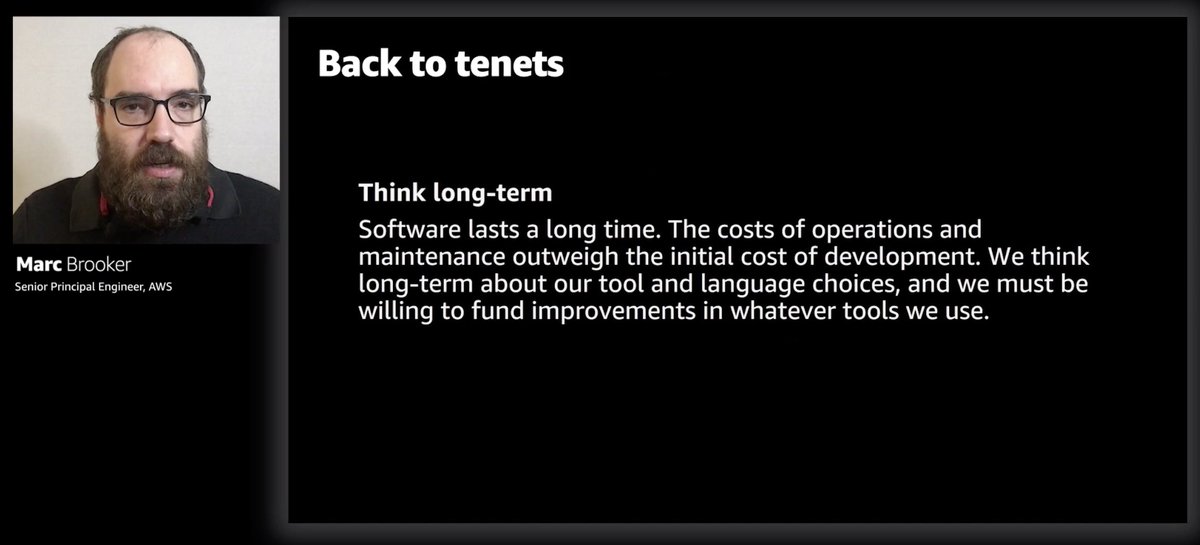
"We use standards very sparingly, only in areas where we deeply understand the context and innovation has little upside"
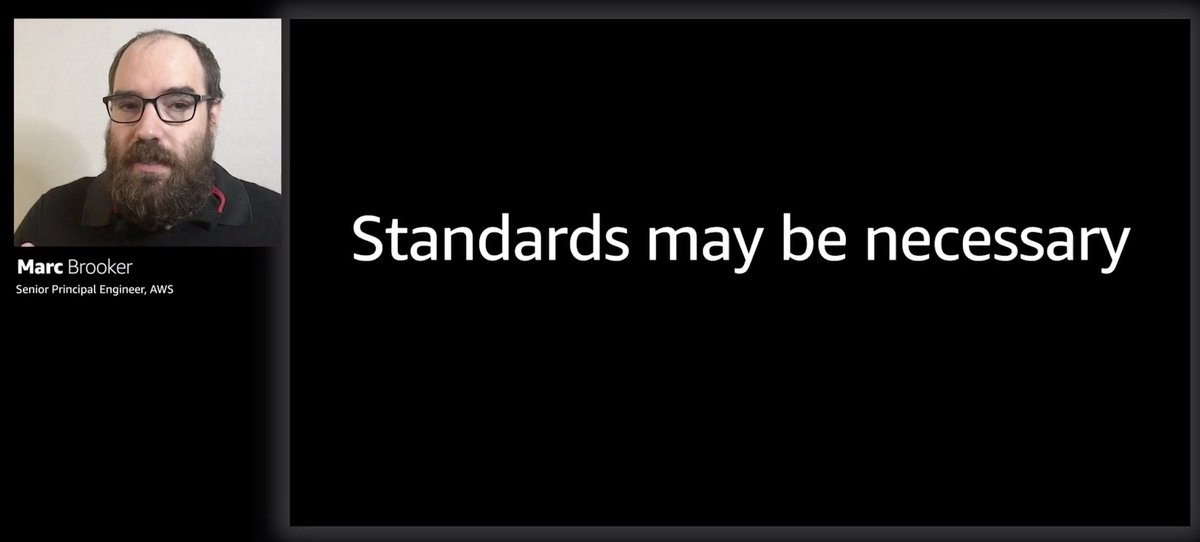
This, so much this👆
Why? because incentives drive outcomes.
That's why the ivory tower architect is such a bad model - they make all the decisions but you're on the hook for it.
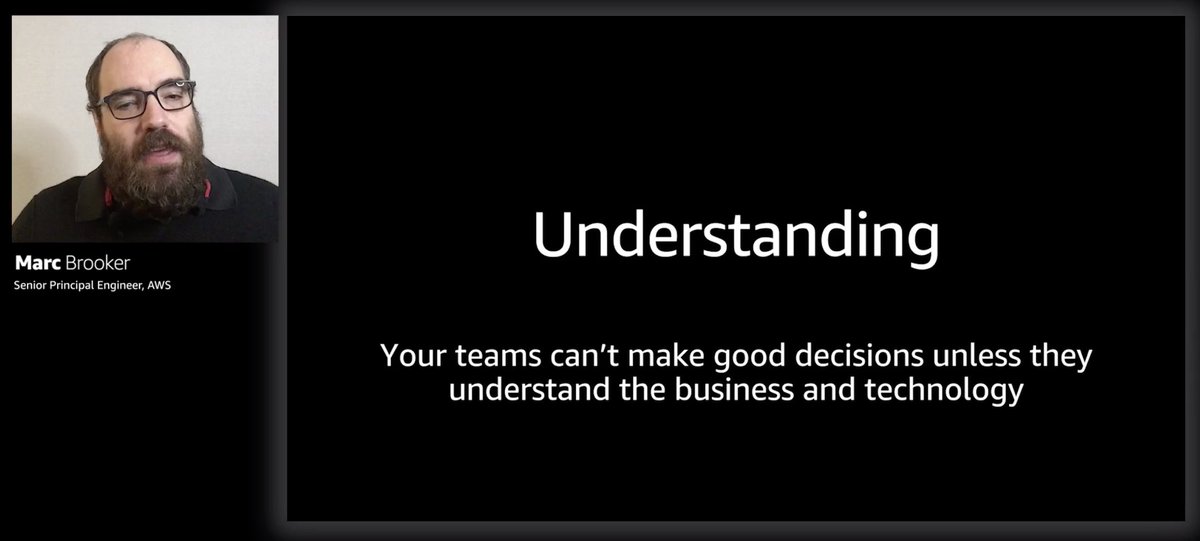
And that's how many organizations has adopted #serverless successfully, starting with one success story.
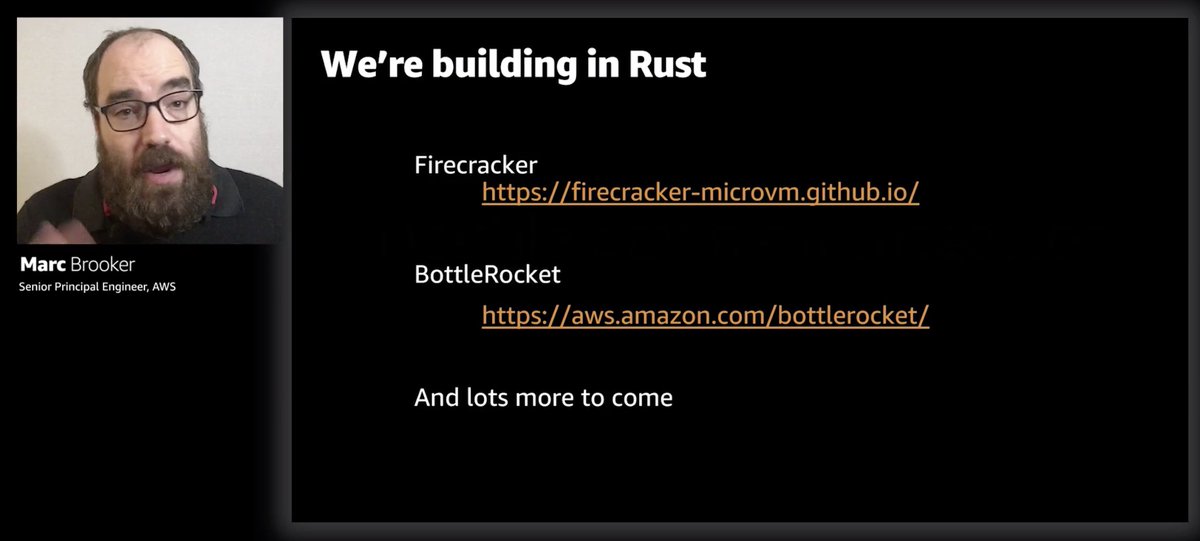
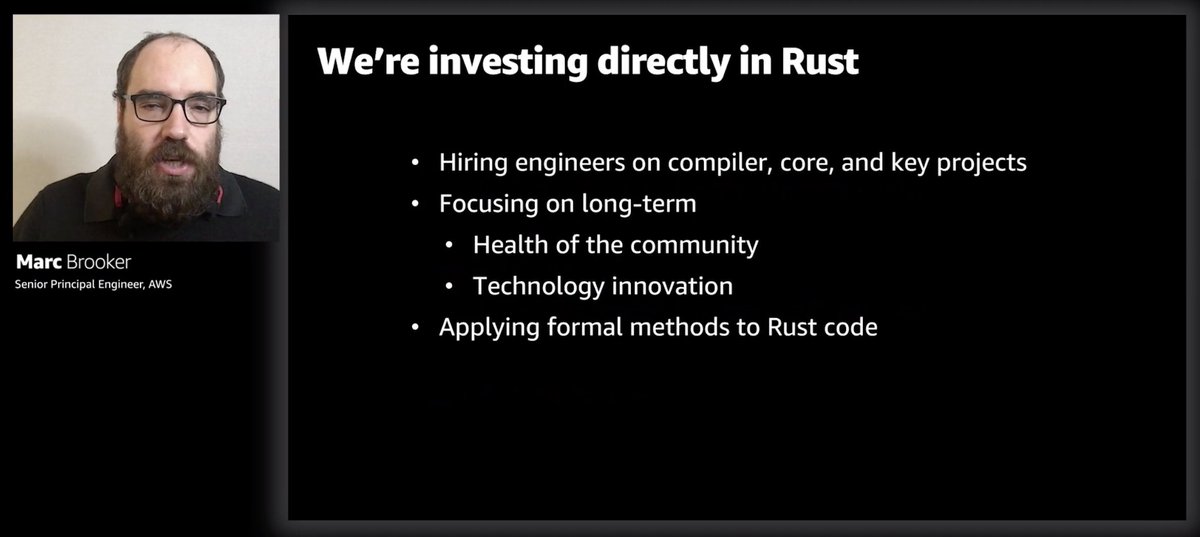
Love to see more details on how formal methods is applied here.
https://t.co/6p5MfXCyfR
More from Education


Saturday Morning Graduate School Admissions/Funding Breakfast
• 1297 USA Scholarships
• 5 Hot Tips for current B.S, Master/PhD applicants
• Admission and FULL Funding Info to Sweden🇸🇪, Australia🇦🇺, France🇫🇷, Germany🇩🇪 and China🇹🇷
• 6 IGTV Videos
Follow @Okpala_IU
A Thread
Are you working hard to study full time (Bachelor, MS, MBA, PhD) in the United States of America🇺🇸?
Here are 1297 verified Scholarships for year 2021
Search here: https://t.co/3AHhW7RUfK
Follow @Okpala_IU for more
Watch other videos on IGTV:
5 Hot Tips for current Bachelor, Master/PhD applicants
1. Standardized Tests (TOEFL, GRE, GMAT)
Yes, the school may have waived it for admissions but providing it definitely increasing your chances of getting funded. If it strengthens your overall profile, that is excellent.
2. Do not trivialize Letters of Recommendations
Remember that your application packet (all supporting documents) is what is being looked at while you are being considered for admission and funding. A lot of schools read LoRs very carefully so ensure you get strong letters.
Read my notes on LoRs:
• 1297 USA Scholarships
• 5 Hot Tips for current B.S, Master/PhD applicants
• Admission and FULL Funding Info to Sweden🇸🇪, Australia🇦🇺, France🇫🇷, Germany🇩🇪 and China🇹🇷
• 6 IGTV Videos
Follow @Okpala_IU
A Thread
Are you working hard to study full time (Bachelor, MS, MBA, PhD) in the United States of America🇺🇸?
Here are 1297 verified Scholarships for year 2021
Search here: https://t.co/3AHhW7RUfK
Follow @Okpala_IU for more
Watch other videos on IGTV:
5 Hot Tips for current Bachelor, Master/PhD applicants
1. Standardized Tests (TOEFL, GRE, GMAT)
Yes, the school may have waived it for admissions but providing it definitely increasing your chances of getting funded. If it strengthens your overall profile, that is excellent.
2. Do not trivialize Letters of Recommendations
Remember that your application packet (all supporting documents) is what is being looked at while you are being considered for admission and funding. A lot of schools read LoRs very carefully so ensure you get strong letters.
Read my notes on LoRs:
If you are submitting a MS/PhD application for admission in the USA, this is for you.
— Ifeanyi Okpala (@Okpala_IU) June 23, 2020
Today, I am going to share one tip associated with the \u201cLetters of Recommendation\u201d required, which I think can make a lot of difference.
- Guiding your Recommenders on Information
Thread pic.twitter.com/uxPHB0W0Su


You May Also Like




**Thread on Bravery of Sikhs**
(I am forced to do this due to continuous hounding of Sikh Extremists since yesterday)
Rani Jindan Kaur, wife of Maharaja Ranjit Singh had illegitimate relations with Lal Singh (PM of Ranjit Singh). Along with Lal Singh, she attacked Jammu, burnt - https://t.co/EfjAq59AyI

Hindu villages of Jasrota, caused rebellion in Jammu, attacked Kishtwar.
Ancestors of Raja Ranjit Singh, The Sansi Tribe used to give daughters as concubines to Jahangir.

The Ludhiana Political Agency (Later NW Fronties Prov) was formed by less than 4000 British soldiers who advanced from Delhi and reached Ludhiana, receiving submissions of all sikh chiefs along the way. The submission of the troops of Raja of Lahore (Ranjit Singh) at Ambala.
Dabistan a contemporary book on Sikh History tells us that Guru Hargobind broke Naina devi Idol Same source describes Guru Hargobind serving a eunuch
YarKhan. (ref was proudly shared by a sikh on twitter)
Gobind Singh followed Bahadur Shah to Deccan to fight for him.

In Zafarnama, Guru Gobind Singh states that the reason he was in conflict with the Hill Rajas was that while they were worshiping idols, while he was an idol-breaker.
And idiot Hindus place him along Maharana, Prithviraj and Shivaji as saviours of Dharma.

(I am forced to do this due to continuous hounding of Sikh Extremists since yesterday)
Rani Jindan Kaur, wife of Maharaja Ranjit Singh had illegitimate relations with Lal Singh (PM of Ranjit Singh). Along with Lal Singh, she attacked Jammu, burnt - https://t.co/EfjAq59AyI
Tomorrow again same thing happens bcoz fudus like you are creating a narrative oh Khalistan. when farmers are asking MSP. (RSS ki tatti khane wale Kerni sena ke kutte).
— Ancient Economist (@_stock_tips) December 5, 2020
U kill sikhs in 1984 just politics. To BC low IQ fudu Saale entire history was politics.
Hindu villages of Jasrota, caused rebellion in Jammu, attacked Kishtwar.
Ancestors of Raja Ranjit Singh, The Sansi Tribe used to give daughters as concubines to Jahangir.
The Ludhiana Political Agency (Later NW Fronties Prov) was formed by less than 4000 British soldiers who advanced from Delhi and reached Ludhiana, receiving submissions of all sikh chiefs along the way. The submission of the troops of Raja of Lahore (Ranjit Singh) at Ambala.
Dabistan a contemporary book on Sikh History tells us that Guru Hargobind broke Naina devi Idol Same source describes Guru Hargobind serving a eunuch
YarKhan. (ref was proudly shared by a sikh on twitter)
Gobind Singh followed Bahadur Shah to Deccan to fight for him.
In Zafarnama, Guru Gobind Singh states that the reason he was in conflict with the Hill Rajas was that while they were worshiping idols, while he was an idol-breaker.
And idiot Hindus place him along Maharana, Prithviraj and Shivaji as saviours of Dharma.

