American collapse is gonna be a horror show because we are an economic parasite on the world, and collapse will be the host cutting off our proboscis. We cannot self-sustain.
The world makes, we take (and pay in USD).
We aren't actually in control here because China's hand is winning and they also have a gun.
More from Economy





1/ Trend Factor: Any Economic Gains from Using Information over Investment Horizons? (Han, Zhou, Zhu)
"A trend factor using multiple time lengths outperforms ST reversal, momentum, and LT reversal, which are based on the three price trends separately."
https://t.co/udkvsdw2Lz
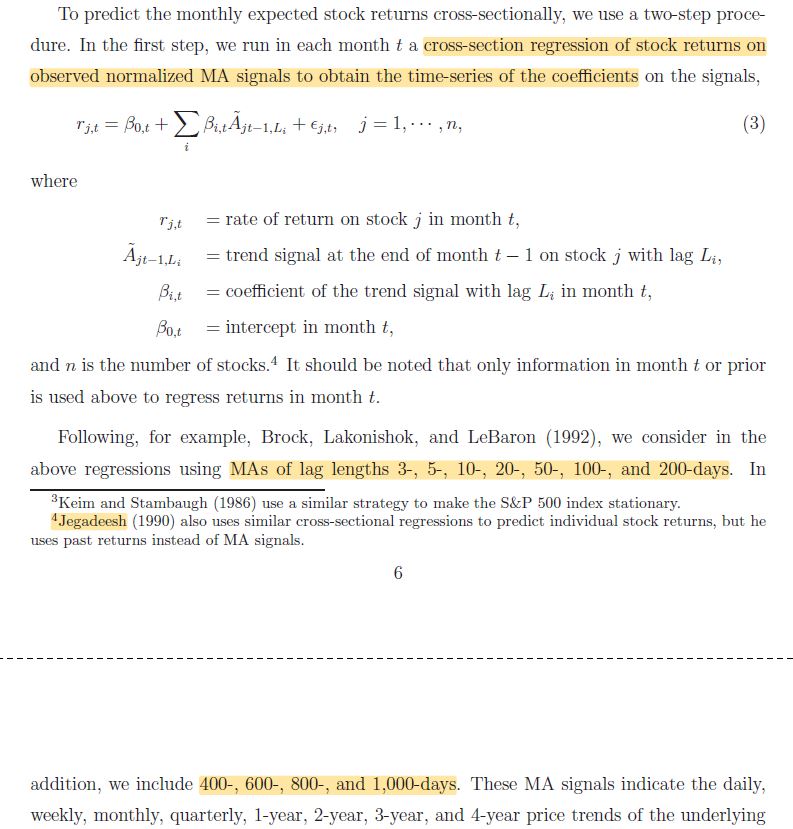
2/ This resembles combining multiple measures of ST reversal, momentum, and LT reversal (forecasts determined by walking forward rather than using signs from the full sample).
Unlike normal moving average signals, these are *cross-sectional.* More below:
https://t.co/wkIFLg9jtK
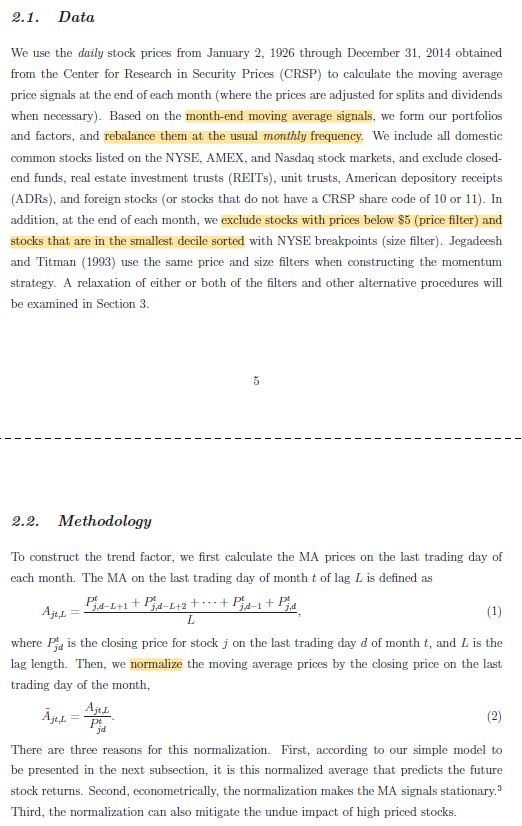
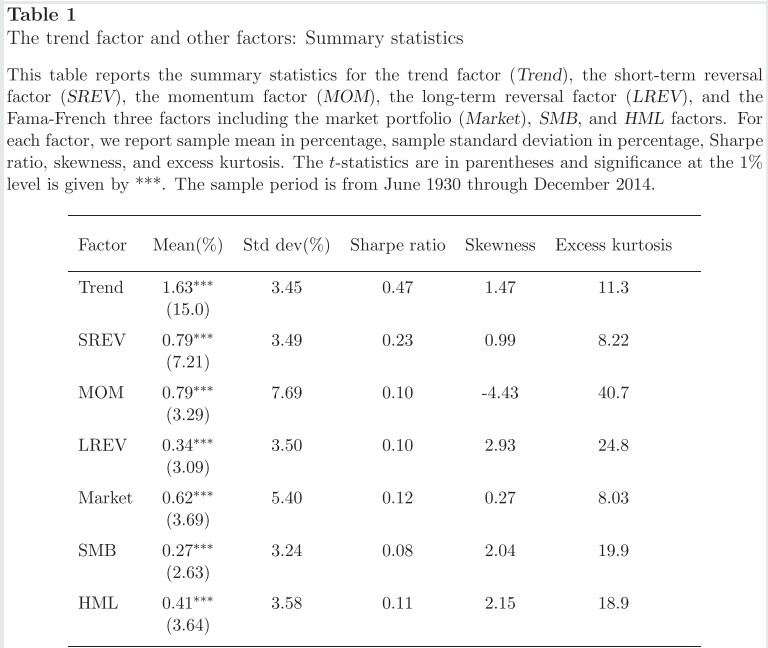
3/ Unsurprisingly, the Trend factor formed by this approach outperforms benchmarks in terms of both Sharpe ratio and tail metrics. It's combining momentum with two factors that are negatively correlated to it AND using multiple specifications.
More here:
https://t.co/x8Tloz3iyL
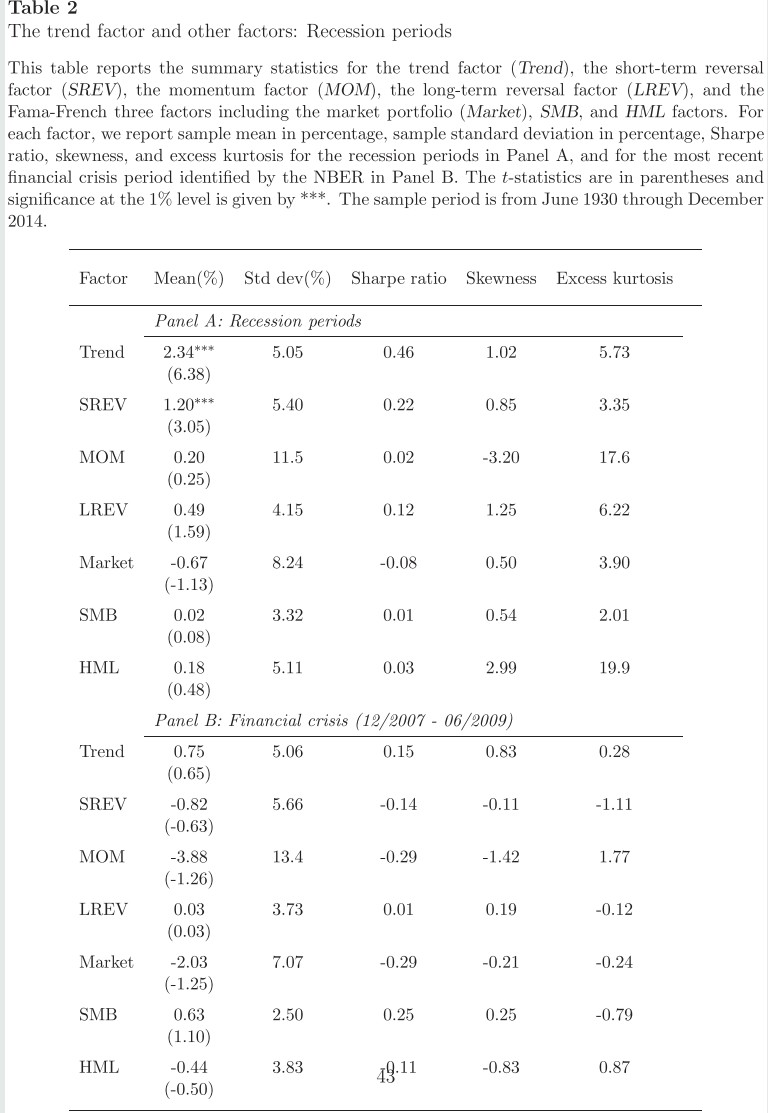
4/ "Average return and volatility of the trend factor are both higher in recession periods. However, the Sharpe ratio is virtually the same.
"Interestingly, all of the factors still have positive average returns.
"Momentum experiences the greatest increase in volatility."
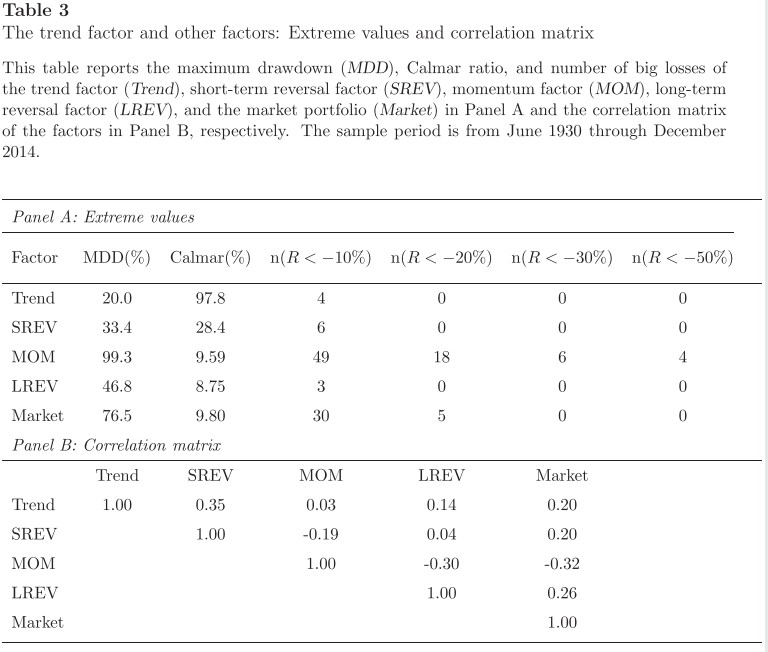
5/ "In terms of maximum drawdown and the Calmar ratio, the trend factor performs the best.
"The trend factor is correlated with the short-term reversal factor (35%), long-term reversal factor (14%), and the market (20%) but is virtually uncorrelated with the momentum factor."
"A trend factor using multiple time lengths outperforms ST reversal, momentum, and LT reversal, which are based on the three price trends separately."
https://t.co/udkvsdw2Lz
2/ This resembles combining multiple measures of ST reversal, momentum, and LT reversal (forecasts determined by walking forward rather than using signs from the full sample).
Unlike normal moving average signals, these are *cross-sectional.* More below:
https://t.co/wkIFLg9jtK
1/ Cross-Sectional and Time-Series Tests of Return Predictability: What Is the Difference? (Goyal, Jegadeesh)
— Darren \U0001f95a (@ReformedTrader) June 18, 2019
"The difference between the performances of TS and CS strategies is largely due to a time-varying net-long investment in risky assets."https://t.co/CSIn3ujN2R pic.twitter.com/XHnVmIart4
3/ Unsurprisingly, the Trend factor formed by this approach outperforms benchmarks in terms of both Sharpe ratio and tail metrics. It's combining momentum with two factors that are negatively correlated to it AND using multiple specifications.
More here:
https://t.co/x8Tloz3iyL
1/ An Executive Summary (in Tweet form) of our new paper
— Adam Butler (@GestaltU) March 27, 2019
Dual Momentum \u2013 A Craftsman\u2019s Perspective
Download here: https://t.co/Y9GlGNohBg
Everything that follows in this thread is based on HYPOTHETICAL AND SIMULATED RESULTS. pic.twitter.com/9m5YJnTdtq
4/ "Average return and volatility of the trend factor are both higher in recession periods. However, the Sharpe ratio is virtually the same.
"Interestingly, all of the factors still have positive average returns.
"Momentum experiences the greatest increase in volatility."
5/ "In terms of maximum drawdown and the Calmar ratio, the trend factor performs the best.
"The trend factor is correlated with the short-term reversal factor (35%), long-term reversal factor (14%), and the market (20%) but is virtually uncorrelated with the momentum factor."

It's always been detached, and it's always made the real economy worse.
[THREAD] 1/10
What is profit? It's excess labor.
You and your coworkers make a chair. Your boss sells that chair for more than he pays for the production of that chair and pockets the extra money.
So he pays you less than what he should and calls the unpaid labor he took "profit." 2/10
Well, the stock market adds a layer to that.
So now, when you work, it isn't just your boss that is siphoning off your excess labor but it is also all the shareholders.
There's a whole class of people who now rely on you to produce those chairs without fair compensation. 3/10
And in order to support these people, you and your coworkers need to up your productivity. More hours etc.
But Wall Street demands endless growth in order to keep the game going, so that's not enough.
So as your productivity increases, your relative wages suffer. 4/10
Not because the goods don't have value or because your labor is worth less. Often it's actually worth more because you've had to become incredibly productive in order to keep your job.
No, your wages suffer because there are so many people who need to profit from your work. 5/10
[THREAD] 1/10
I know people think this is fun but -- why do we have a stock market? So productive firms can raise capital to do useful things. Detaching stock price from fundamental value (Gamestop is now worth almost as much as Best Buy) makes the markets serve the real economy worse.
— Josh Barro (@jbarro) January 27, 2021
What is profit? It's excess labor.
You and your coworkers make a chair. Your boss sells that chair for more than he pays for the production of that chair and pockets the extra money.
So he pays you less than what he should and calls the unpaid labor he took "profit." 2/10
Well, the stock market adds a layer to that.
So now, when you work, it isn't just your boss that is siphoning off your excess labor but it is also all the shareholders.
There's a whole class of people who now rely on you to produce those chairs without fair compensation. 3/10
And in order to support these people, you and your coworkers need to up your productivity. More hours etc.
But Wall Street demands endless growth in order to keep the game going, so that's not enough.
So as your productivity increases, your relative wages suffer. 4/10
Not because the goods don't have value or because your labor is worth less. Often it's actually worth more because you've had to become incredibly productive in order to keep your job.
No, your wages suffer because there are so many people who need to profit from your work. 5/10