

Apollo Hospital👇 https://t.co/3TReZvM53C

Next Tweet on stocks for 1-4 weeks
— Pramod Sharma\U0001f549\ufe0f\U0001f1ee\U0001f1f3 (@itspramods) April 14, 2022
All will be my top bet
Working start now.
Disclaimer: Not a recommendation at all.


More from Pramod Sharma🕉️🇮🇳


Conditions
rsi >50
RSI avove ma60
Price above ema 60
It is for indicators lovers.. i see rarely but as per my experience enough setup if one is follow with descipline
rsi >50
RSI avove ma60
Price above ema 60
ITC
— Pramod Sharma\U0001f549\ufe0f\U0001f1ee\U0001f1f3 (@itspramods) March 29, 2022
Try this combo RSI 60 period on 60 min chart
Backtest and tell me result.
Rsi/ma crossover abovev50 level pic.twitter.com/In3xrgWQz0
It is for indicators lovers.. i see rarely but as per my experience enough setup if one is follow with descipline

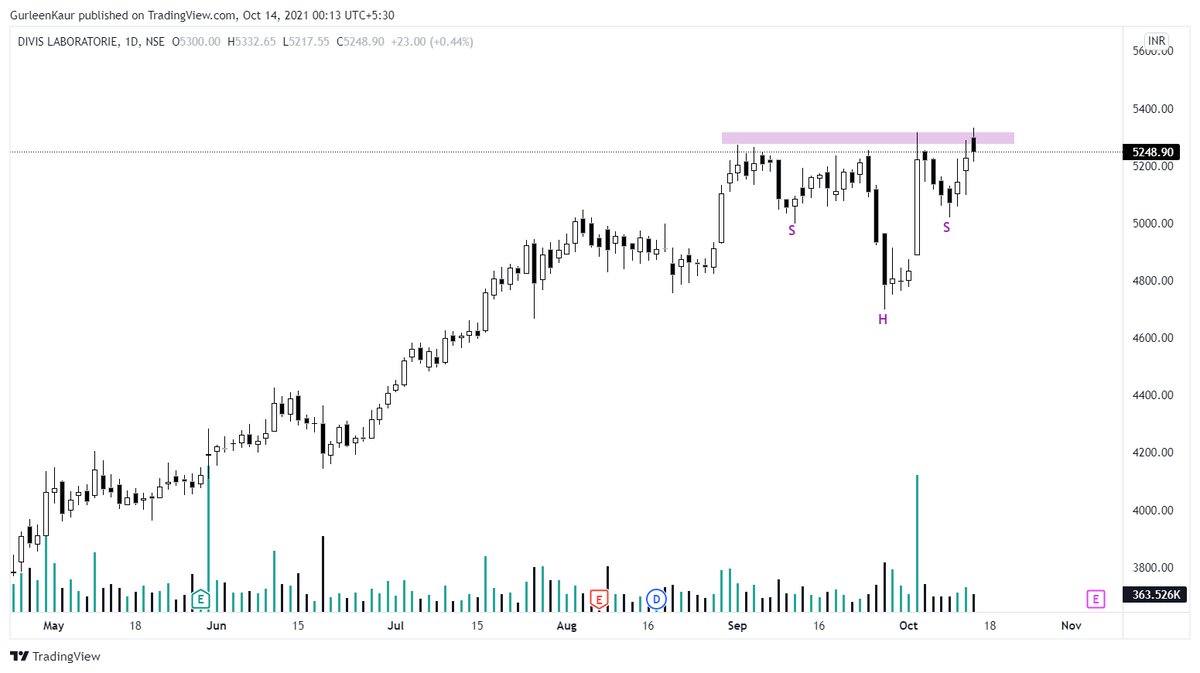
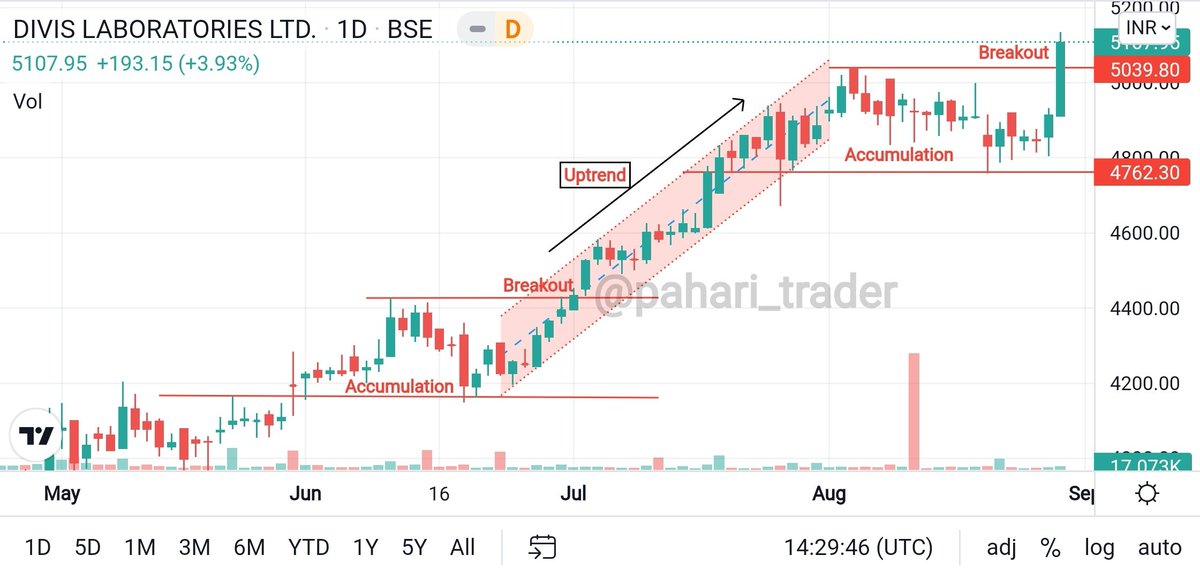
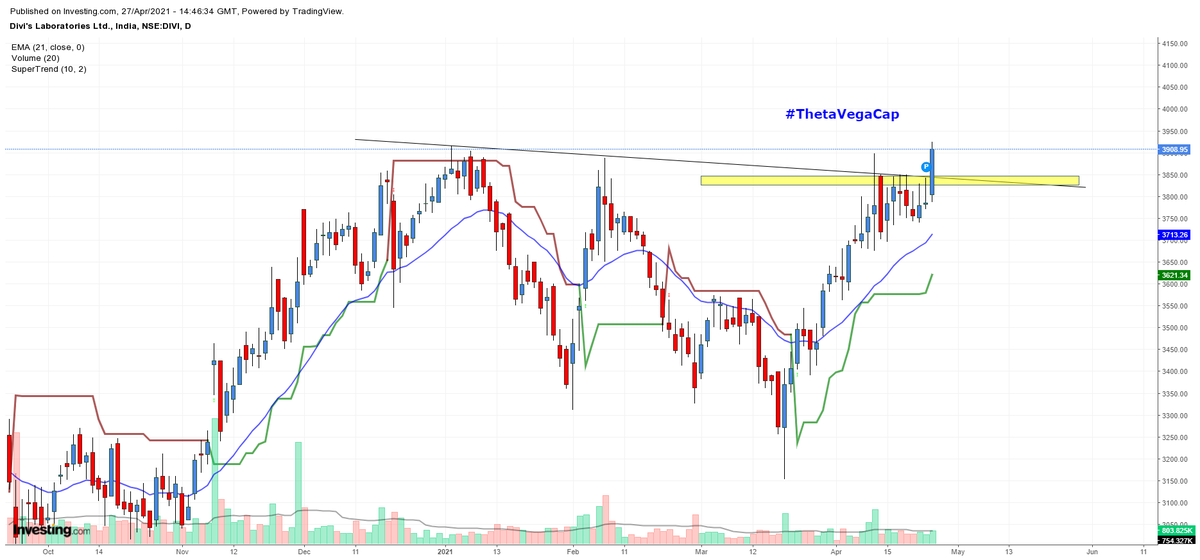
More from Divis






You May Also Like





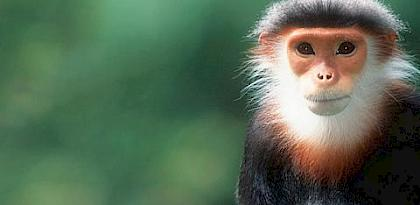
Tip from the Monkey
Pangolins, September 2019 and PLA are the key to this mystery
Stay Tuned!

1. Yang
2. A jacobin capuchin dangling a flagellin pangolin on a javelin while playing a mandolin and strangling a mannequin on a paladin's palanquin, said Saladin
More to come tomorrow!
3. Yigang Tong
https://t.co/CYtqYorhzH
Archived: https://t.co/ncz5ruwE2W
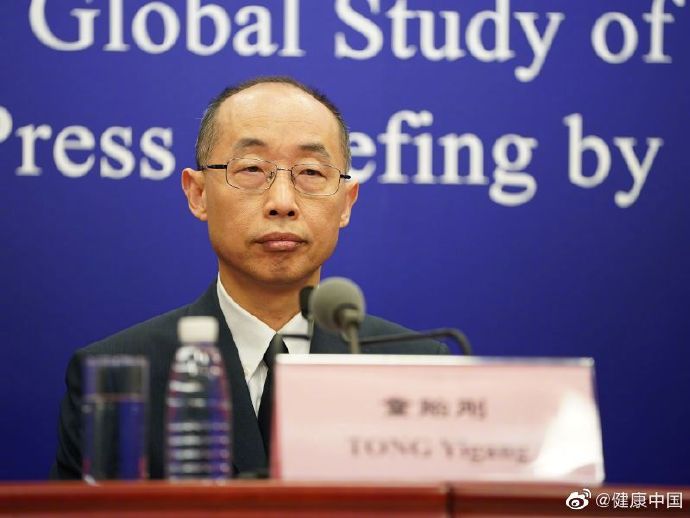
4. YT Interview
Some bats & pangolins carry viruses related with SARS-CoV-2, found in SE Asia and in Yunnan, & the pangolins carrying SARS-CoV-2 related viruses were smuggled from SE Asia, so there is a possibility that SARS-CoV-2 were coming from
Pangolins, September 2019 and PLA are the key to this mystery
Stay Tuned!
1. Yang
Meet Yang Ruifu, CCP's biological weapons expert https://t.co/JjB9TLEO95 via @Gnews202064
— Billy Bostickson \U0001f3f4\U0001f441&\U0001f441 \U0001f193 (@BillyBostickson) October 11, 2020
Interesting expose of China's top bioweapons expert who oversaw fake pangolin research
Paper 1: https://t.co/TrXESKLYmJ
Paper 2:https://t.co/9LSJTNCn3l
Pangolinhttps://t.co/2FUAzWyOcv pic.twitter.com/I2QMXgnkBJ
2. A jacobin capuchin dangling a flagellin pangolin on a javelin while playing a mandolin and strangling a mannequin on a paladin's palanquin, said Saladin
More to come tomorrow!
3. Yigang Tong
https://t.co/CYtqYorhzH
Archived: https://t.co/ncz5ruwE2W
4. YT Interview
Some bats & pangolins carry viruses related with SARS-CoV-2, found in SE Asia and in Yunnan, & the pangolins carrying SARS-CoV-2 related viruses were smuggled from SE Asia, so there is a possibility that SARS-CoV-2 were coming from
