
1/ Who were the earliest women converts to Islam and what was their experience of conversion?
In our new sourcebook, Sean Anthony (@shahanSean) and Keren Abbou Hershkovitz profile several women who were alive at the Prophet's time #ConversionToIslam
https://t.co/00XpFCjXtP
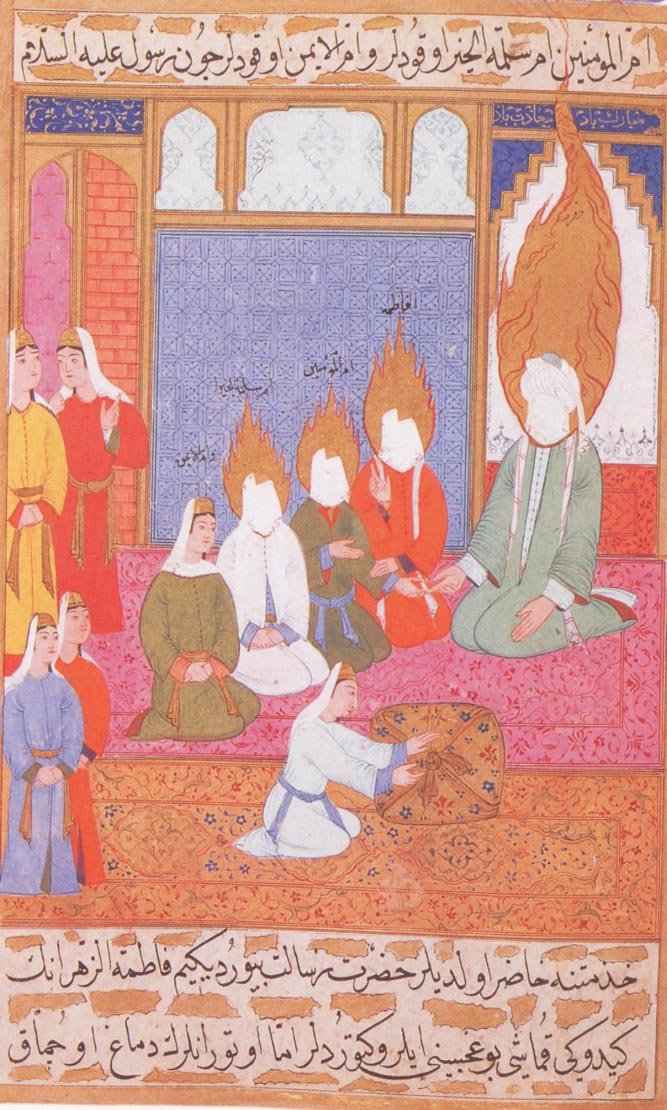
Khadīja then consulted with her cousin Waraqa, a Christian, who verified that Muḥammad's experience was true.
In other words, for Arwā, conversion was about building strategic social ties; family loyalty was everything.
The Editors (Nimrod Hurvitz, Christian Sahner, Uriel Simonsohn @culXl8fYioHzt8O, and Luke Yarbrough) @ucpress
More from Culture




Best books I read in 2020
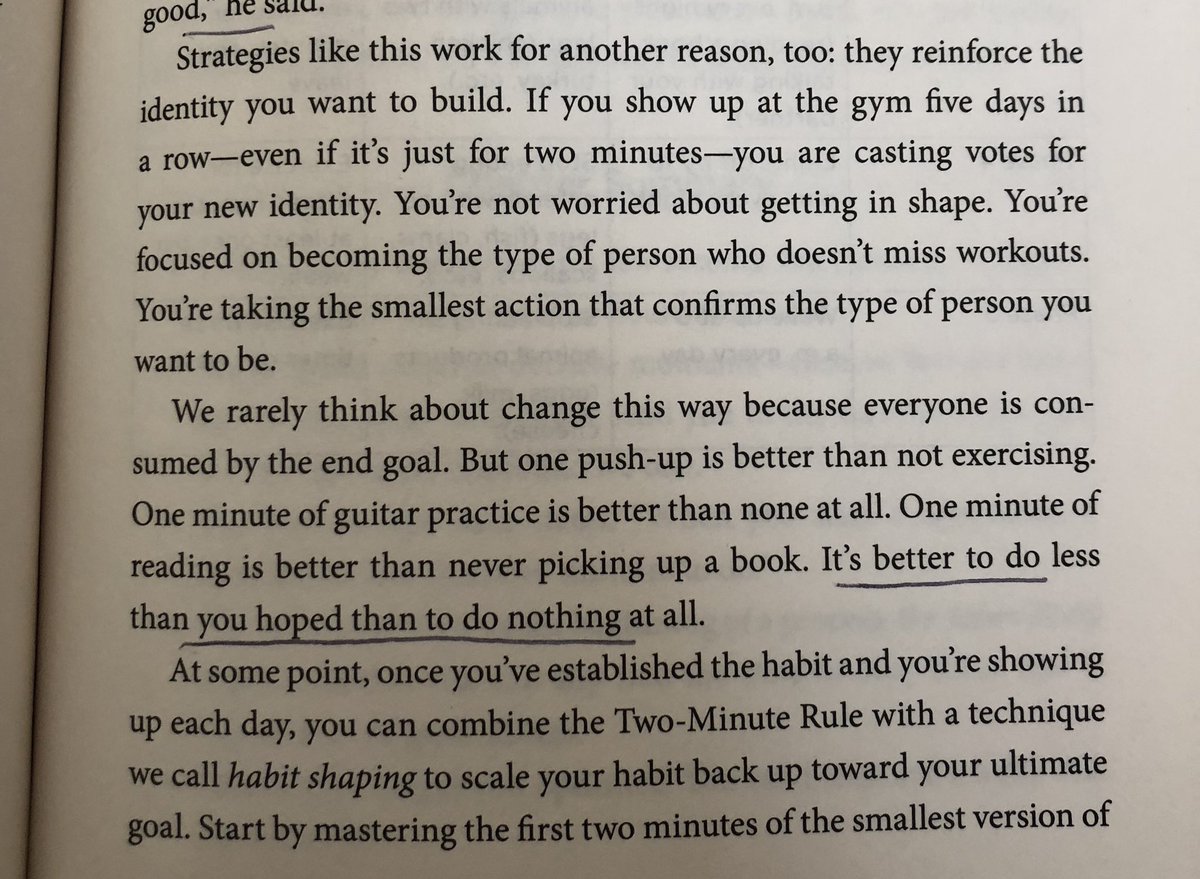
1. Atomic Habits by @JamesClear
“If you show up at the gym 5 days in a row—even for 2 minutes—you're casting votes for your new identity. You’re not worried about getting in shape. Youre focused on becoming the type of person who doesn’t miss workouts”
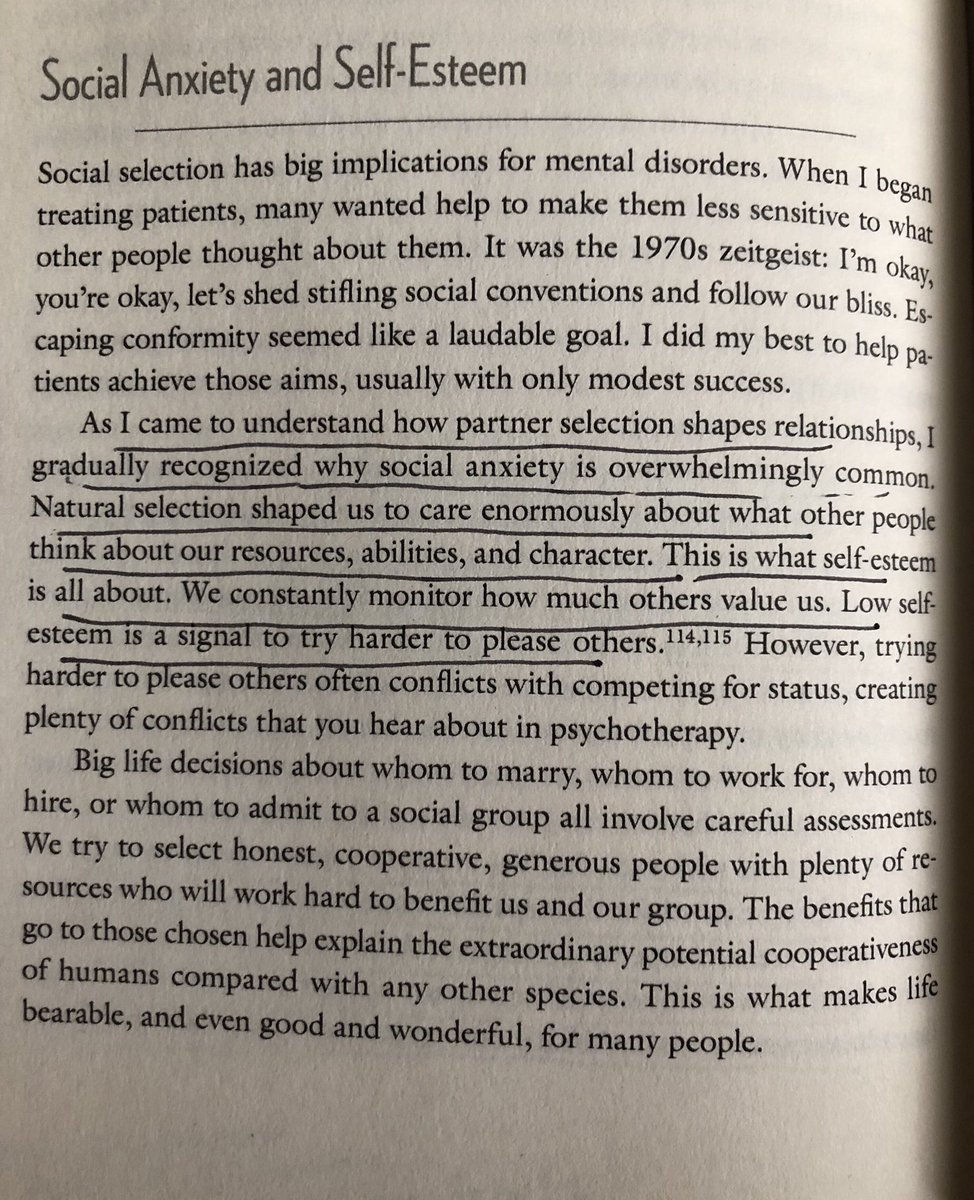
Good Reasons for Bad Feelings
https://t.co/KZDqte19nG
2. “social anxiety is overwhelmingly common. Natural selection shaped us to care enormously what other people think..We constantly monitor how much others value us..Low self-esteem is a signal to try harder to please others”
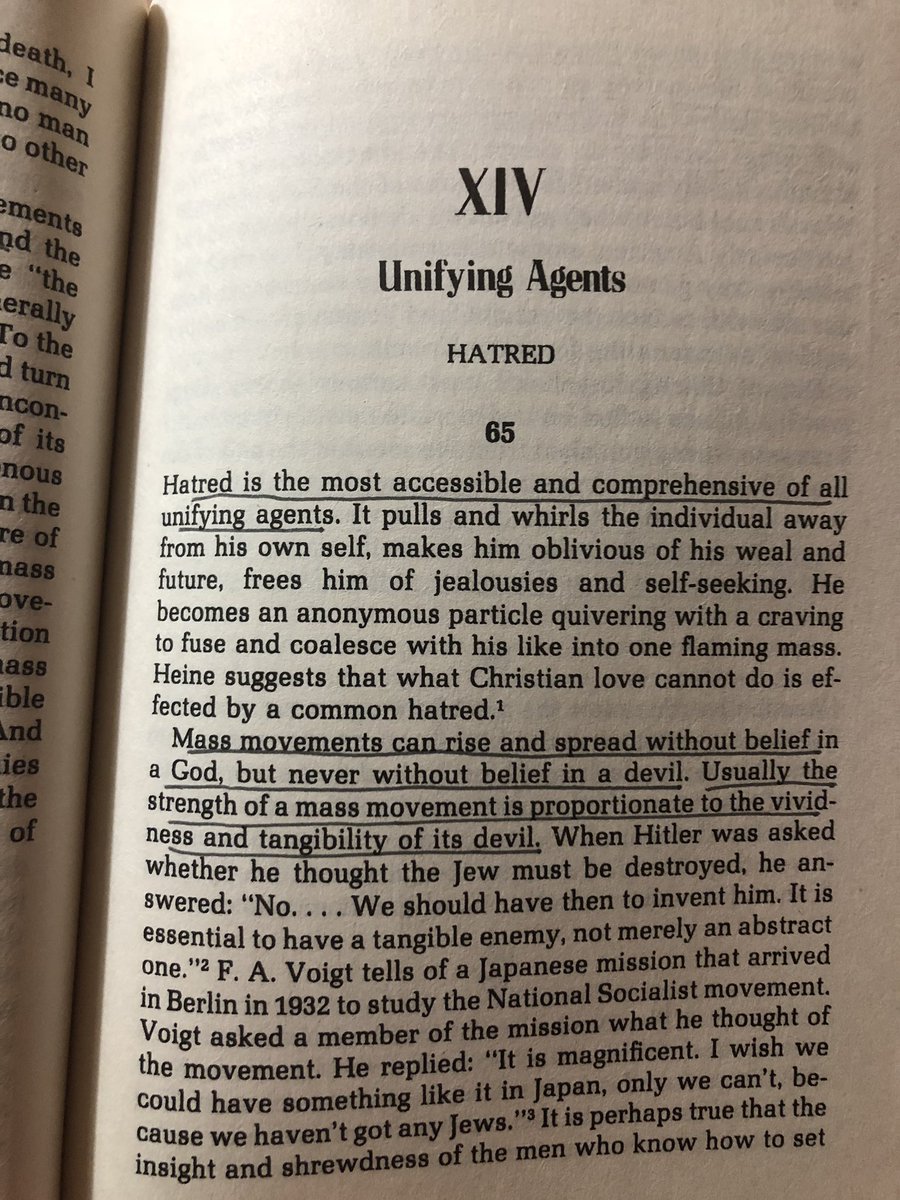
The True Believer by Eric Hoffer
https://t.co/uZT4kdhzvZ
“Hatred is the most accessible and comprehensive of all unifying agents...Mass movements can rise and spread without belief in a God, but never without a believe in a devil.”
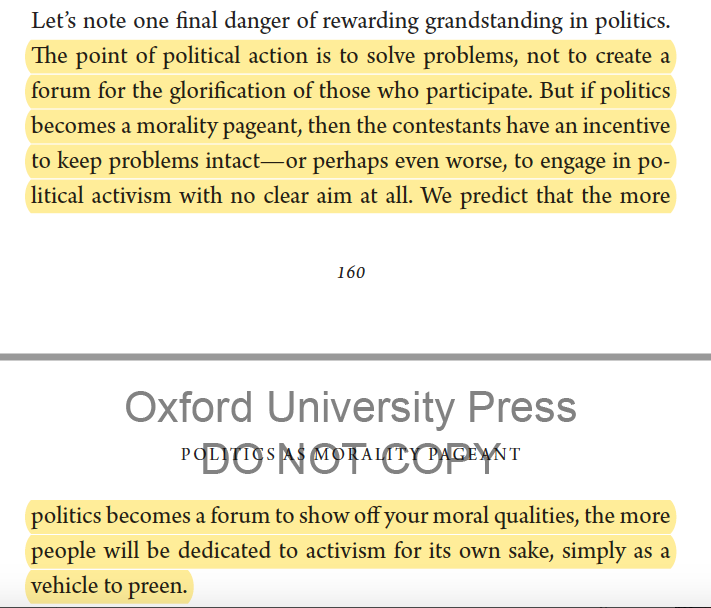
Grandstanding
https://t.co/4Of58AZUj8
"if politics becomes a morality pageant, then the contestants have an incentive to keep problems intact...politics becomes a forum to show off moral qualities...people will be dedicated to activism for its own sake, as a vehicle to preen"
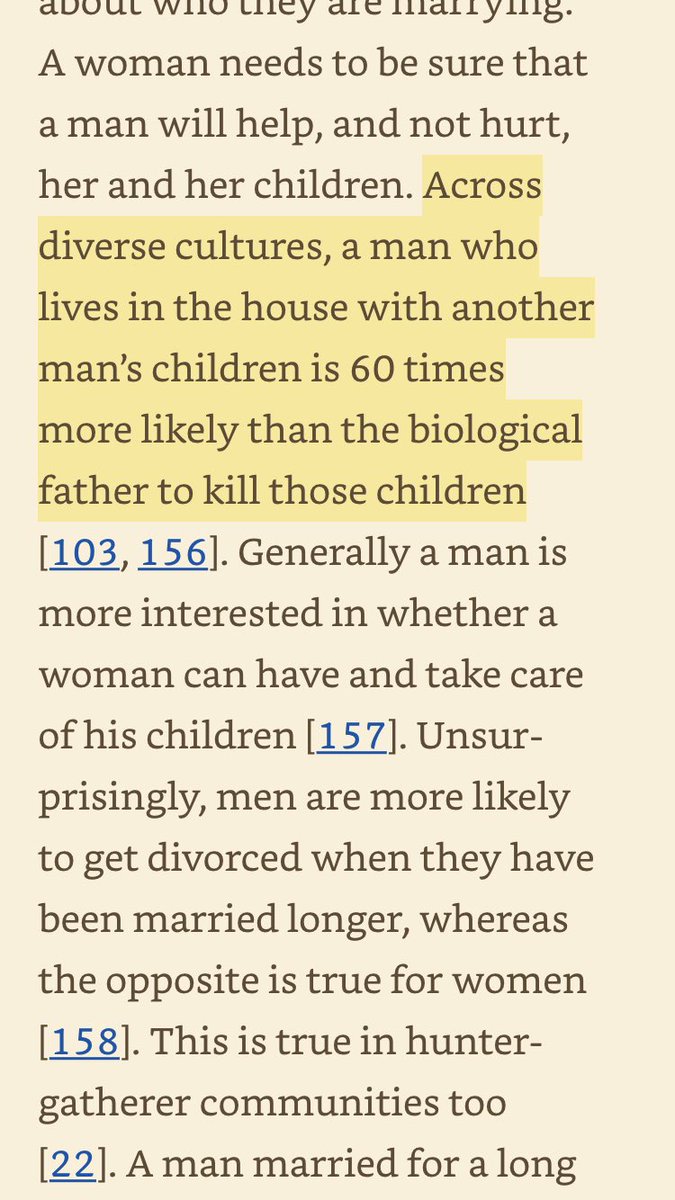
Warriors and Worriers by Joyce Benenson
https://t.co/yLC4eGHEd4
“Across diverse cultures, a man who lives in the house with another man’s children is about 60 times more likely than the biological father to kill those children.”
1. Atomic Habits by @JamesClear
“If you show up at the gym 5 days in a row—even for 2 minutes—you're casting votes for your new identity. You’re not worried about getting in shape. Youre focused on becoming the type of person who doesn’t miss workouts”
Good Reasons for Bad Feelings
https://t.co/KZDqte19nG
2. “social anxiety is overwhelmingly common. Natural selection shaped us to care enormously what other people think..We constantly monitor how much others value us..Low self-esteem is a signal to try harder to please others”
The True Believer by Eric Hoffer
https://t.co/uZT4kdhzvZ
“Hatred is the most accessible and comprehensive of all unifying agents...Mass movements can rise and spread without belief in a God, but never without a believe in a devil.”
Grandstanding
https://t.co/4Of58AZUj8
"if politics becomes a morality pageant, then the contestants have an incentive to keep problems intact...politics becomes a forum to show off moral qualities...people will be dedicated to activism for its own sake, as a vehicle to preen"
Warriors and Worriers by Joyce Benenson
https://t.co/yLC4eGHEd4
“Across diverse cultures, a man who lives in the house with another man’s children is about 60 times more likely than the biological father to kill those children.”





You May Also Like


“We don’t negotiate salaries” is a negotiation tactic.
Always. No, your company is not an exception.
A tactic I don’t appreciate at all because of how unfairly it penalizes low-leverage, junior employees, and those loyal enough not to question it, but that’s negotiation for you after all. Weaponized information asymmetry.
Listen to Aditya
And by the way, you should never be worried that an offer would be withdrawn if you politely negotiate.
I have seen this happen *extremely* rarely, mostly to women, and anyway is a giant red flag. It suggests you probably didn’t want to work there.
You wish there was no negotiating so it would all be more fair? I feel you, but it’s not happening.
Instead, negotiate hard, use your privilege, and then go and share numbers with your underrepresented and underpaid colleagues. […]
Always. No, your company is not an exception.
A tactic I don’t appreciate at all because of how unfairly it penalizes low-leverage, junior employees, and those loyal enough not to question it, but that’s negotiation for you after all. Weaponized information asymmetry.
Listen to Aditya
"we don't negotiate salaries" really means "we'd prefer to negotiate massive signing bonuses and equity grants, but we'll negotiate salary if you REALLY insist" https://t.co/80k7nWAMoK
— Aditya Mukerjee, the Otterrific \U0001f3f3\ufe0f\u200d\U0001f308 (@chimeracoder) December 4, 2018
And by the way, you should never be worried that an offer would be withdrawn if you politely negotiate.
I have seen this happen *extremely* rarely, mostly to women, and anyway is a giant red flag. It suggests you probably didn’t want to work there.
You wish there was no negotiating so it would all be more fair? I feel you, but it’s not happening.
Instead, negotiate hard, use your privilege, and then go and share numbers with your underrepresented and underpaid colleagues. […]

Stan Lee’s fictional superheroes lived in the real New York. Here’s where they lived, and why. https://t.co/oV1IGGN8R6
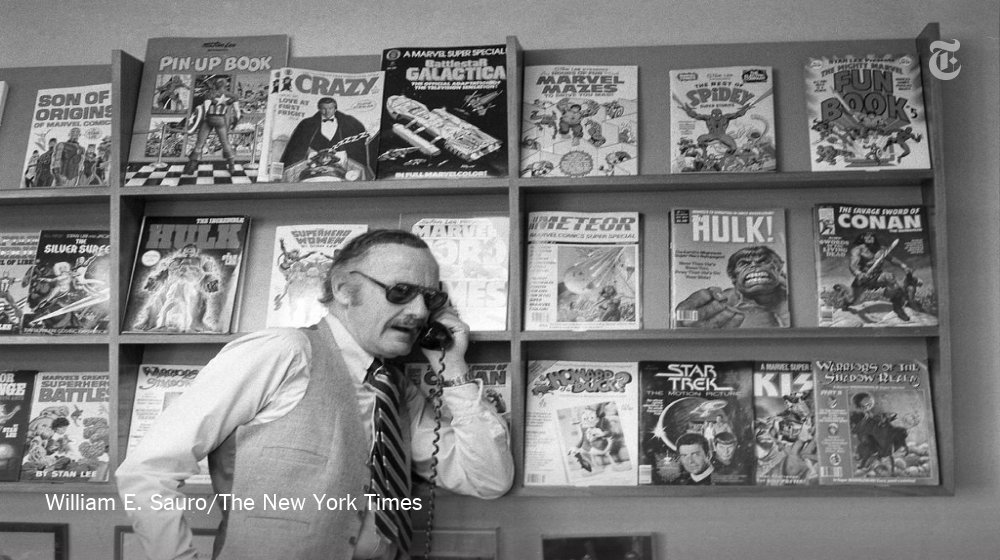
Stan Lee, who died Monday at 95, was born in Manhattan and graduated from DeWitt Clinton High School in the Bronx. His pulp-fiction heroes have come to define much of popular culture in the early 21st century.
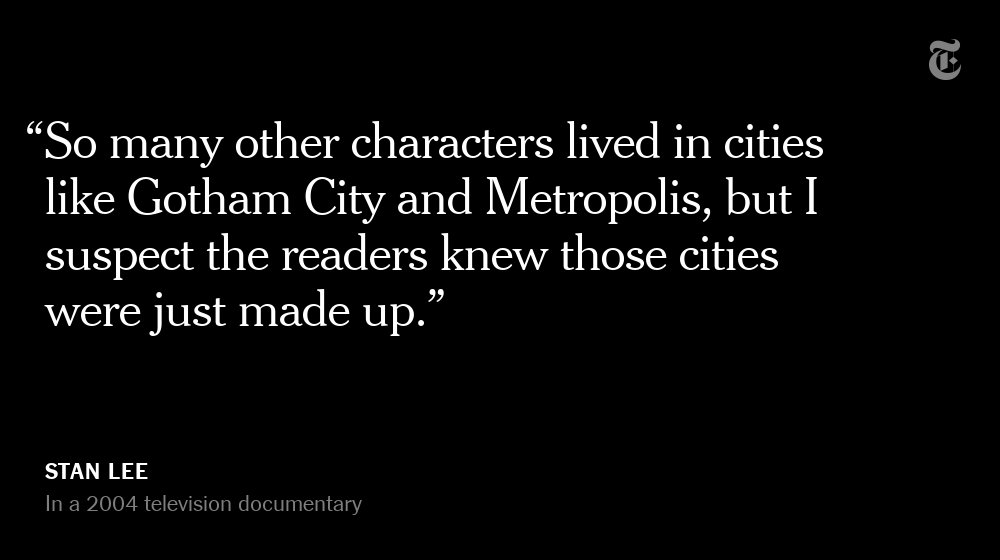
Tying Marvel’s stable of pulp-fiction heroes to a real place — New York — served a counterbalance to the sometimes gravity-challenged action and the improbability of the stories. That was just what Stan Lee wanted. https://t.co/rDosqzpP8i
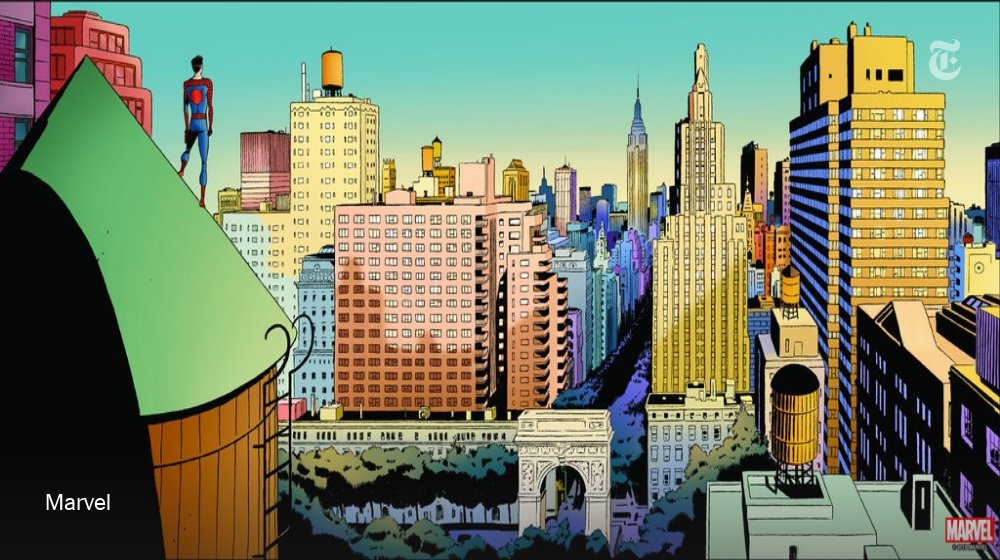
The New York universe hooked readers. And the artists drew what they were familiar with, which made the Marvel universe authentic-looking, down to the water towers atop many of the buildings. https://t.co/rDosqzpP8i
The Avengers Mansion was a Beaux-Arts palace. Fans know it as 890 Fifth Avenue. The Frick Collection, which now occupies the place, uses the address of the front door: 1 East 70th Street.
Stan Lee, who died Monday at 95, was born in Manhattan and graduated from DeWitt Clinton High School in the Bronx. His pulp-fiction heroes have come to define much of popular culture in the early 21st century.
Tying Marvel’s stable of pulp-fiction heroes to a real place — New York — served a counterbalance to the sometimes gravity-challenged action and the improbability of the stories. That was just what Stan Lee wanted. https://t.co/rDosqzpP8i
The New York universe hooked readers. And the artists drew what they were familiar with, which made the Marvel universe authentic-looking, down to the water towers atop many of the buildings. https://t.co/rDosqzpP8i
The Avengers Mansion was a Beaux-Arts palace. Fans know it as 890 Fifth Avenue. The Frick Collection, which now occupies the place, uses the address of the front door: 1 East 70th Street.