It's time for a thread of (my) editions of Alan Garner's "The Owl Service" & related books. I'd love to hear what you think, and all about your own copies. And do, please, share if you enjoy it.

Anyway, off to the magical Shelf of Garner...

#OwlService 1/22

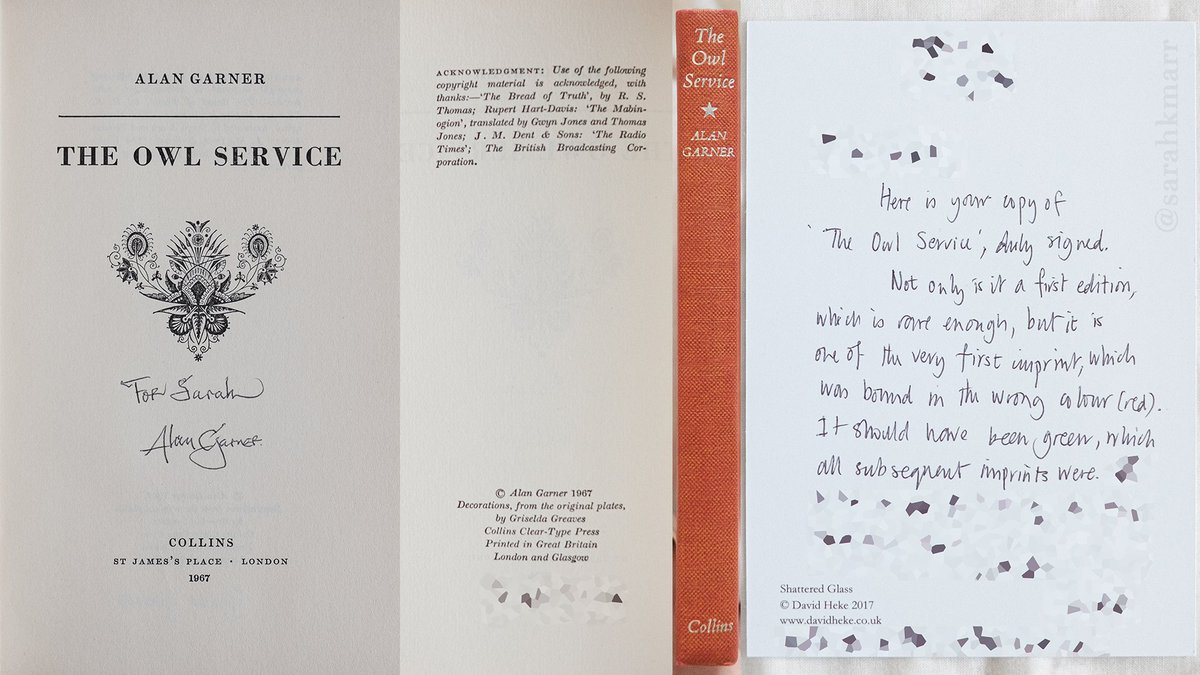
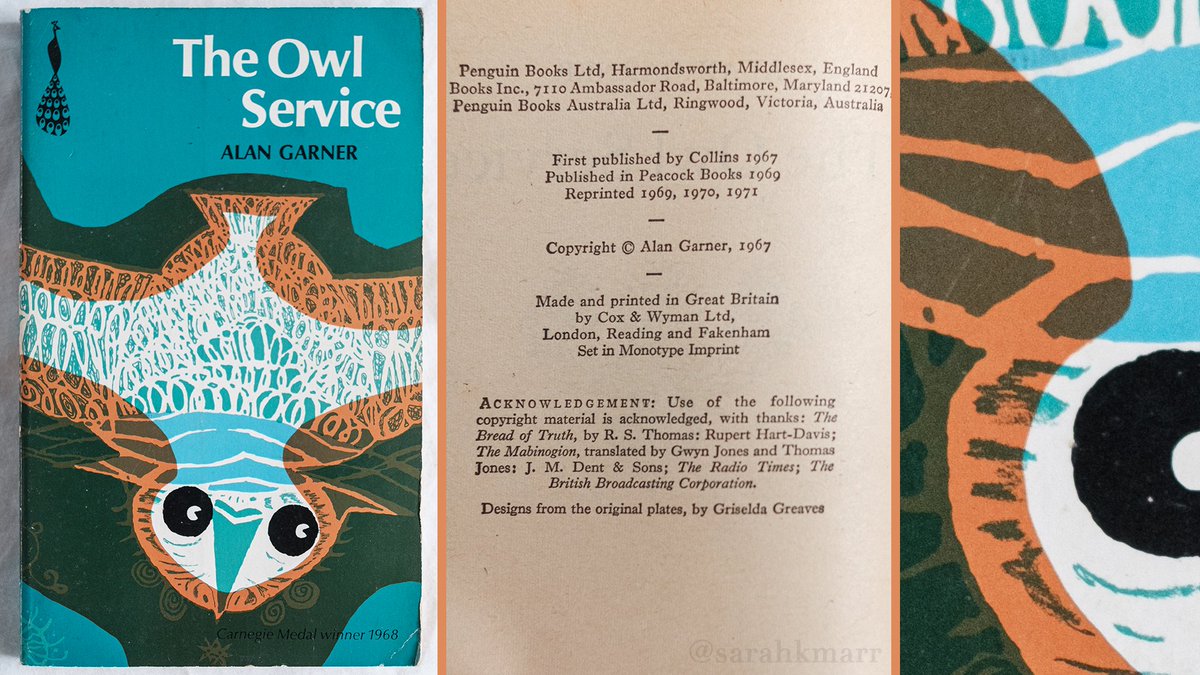
"The Owl Service", Alan Garner, Collins, 1967

Starting at the beginning, here's the first edition of "The Owl Service", with a jacket design by Kenneth Farnhill.

#OwlService 2/22
"The Owl Service", Alan Garner, Collins, 1967

Here's the plate design, created by Griselda Greaves from the original plates belonging to her mother, Betty, and now in print for the first time on the paste-down and free endpapers of the hardback.

#OwlService 3/22
"The Owl Service", Alan Garner, Collins, 1967

Alan & Griselda signed this copy for me. (I've pixelated Griselda's signature as it's not already on the internet.) A note from Griselda which might be of interest. I like the red binding, even if it's a mistake.

#OwlService 4/22
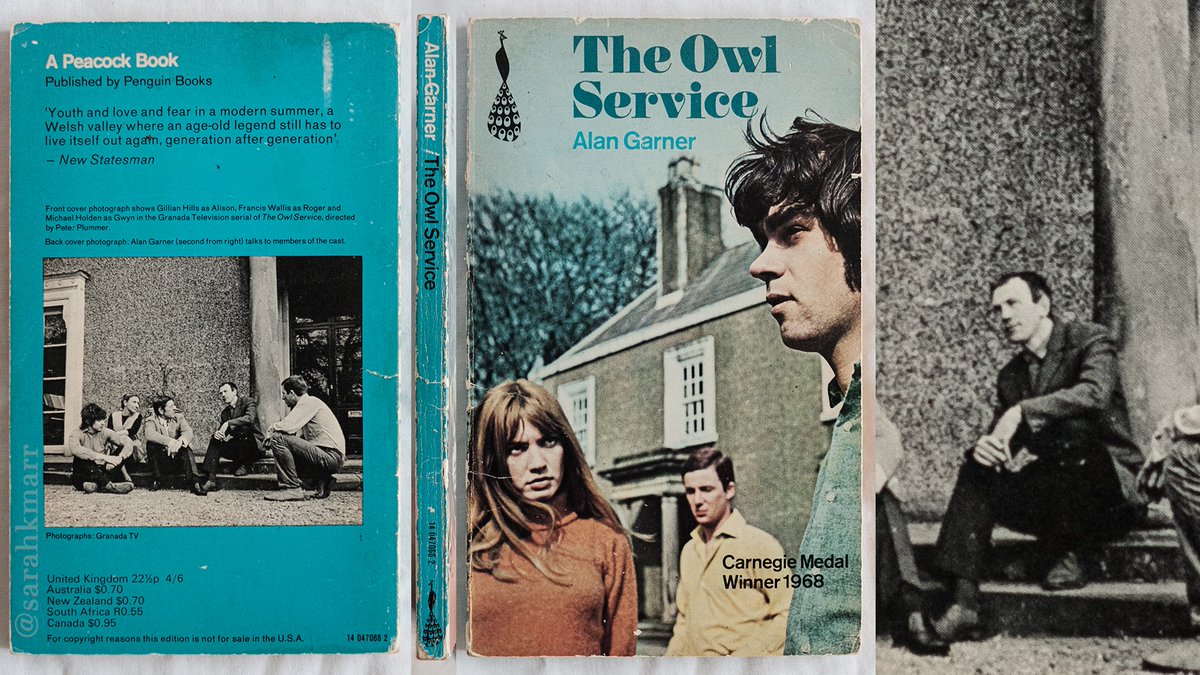
"The Owl Service", Alan Garner, Peacock Books, 1969

The television adapatation of "The Owl Service" was broadcast in late 1969. This is the edition which accompanied the series. I'm fairly sure that this is the first paperback edition.

#OwlService 5/22
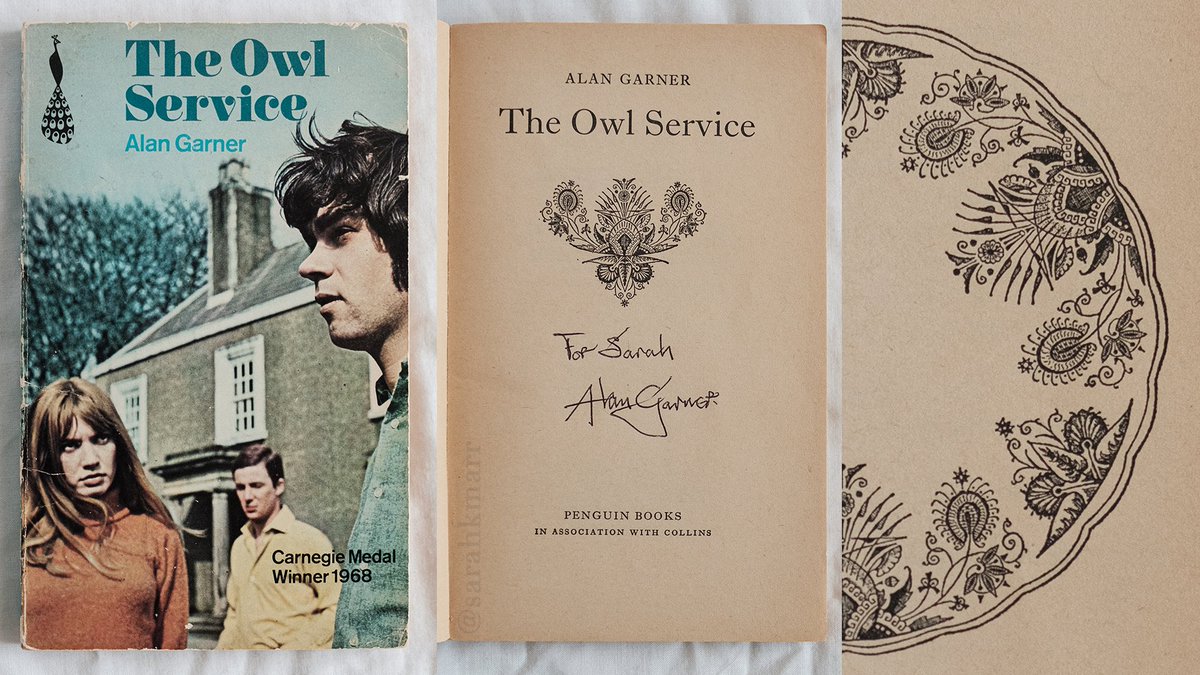
"The Owl Service", Alan Garner, Peacock Books, 1969

The cover shows Gwyn, Roger and Alison (Michael Holden, Francis Wallis and Gillian Hills). This copy is also signed, and here's (half of) the paperback's version of the famous plate design.

#OwlService 6/22
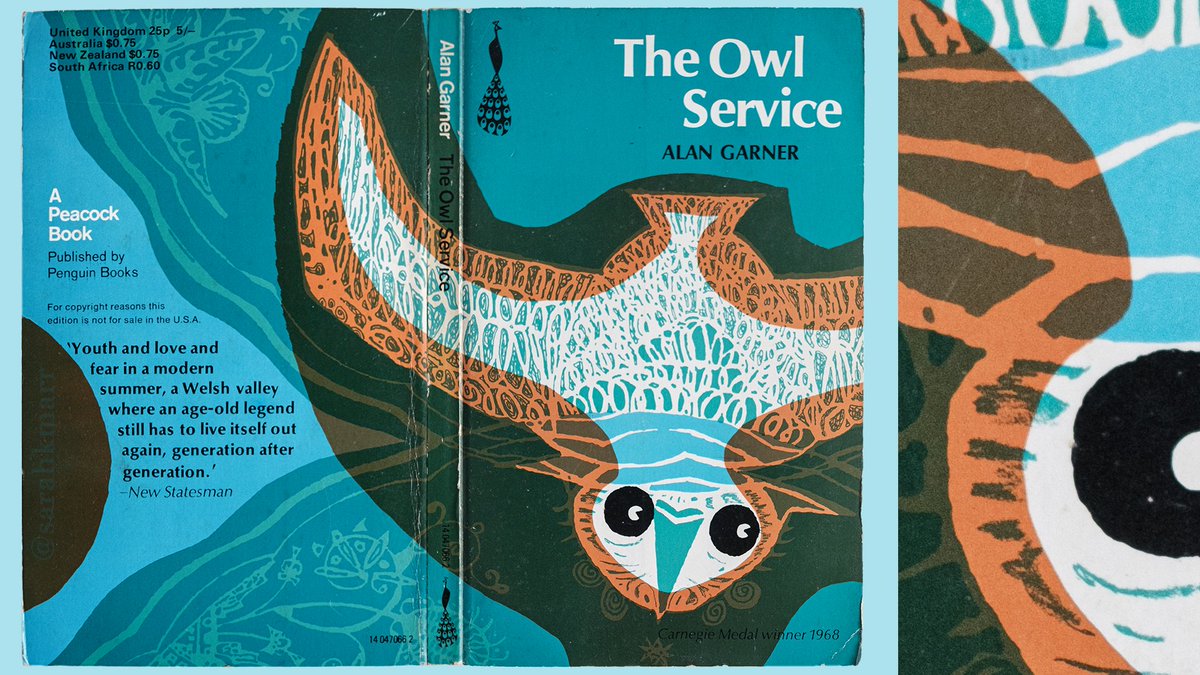
"The Owl Service", Alan Garner, Peacock Books, 1969, reprinted 1969, 1970, 1971

This copy arrived yesterday. That incredible cover—my favourite of them all—is by Charles Keeping (uncredited in my 1971 reprint, but credited in @folk_horror's 1972 reprint).

#OwlService 7/22
"The Owl Service", Alan Garner, Peacock Books, 1969, reprinted 1969, 1970, 1971

This is harder to find than most. I thought it predated the television tie-in, but seemingly not. My current theory is that '69/'70 were photo-covers, and '71/'72 had this cover.

#OwlService 8/22
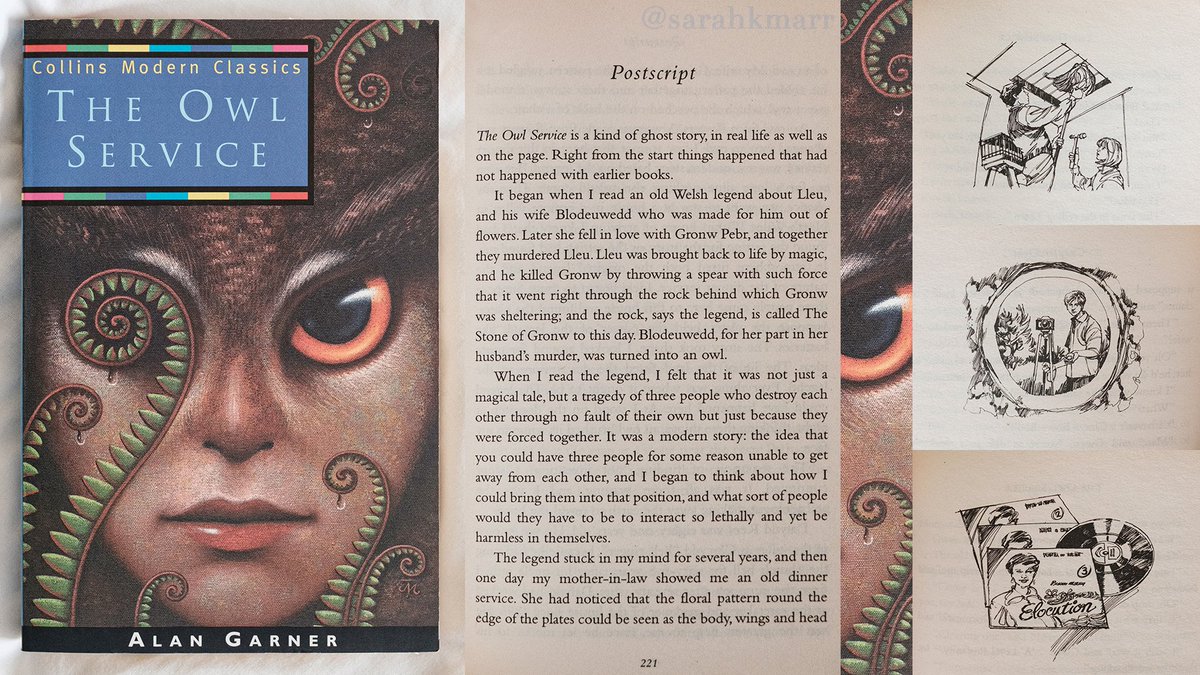
"The Owl Service", Alan Garner, Collins Modern Classics, 1998

The fern on James Marsh's cover reminds me of the Welsh hillsides of childhood holidays. This edition gains a 1998 postscript by Alan. It also has illustrations for each chapter, by Bob Harvey.

#OwlService 9/22
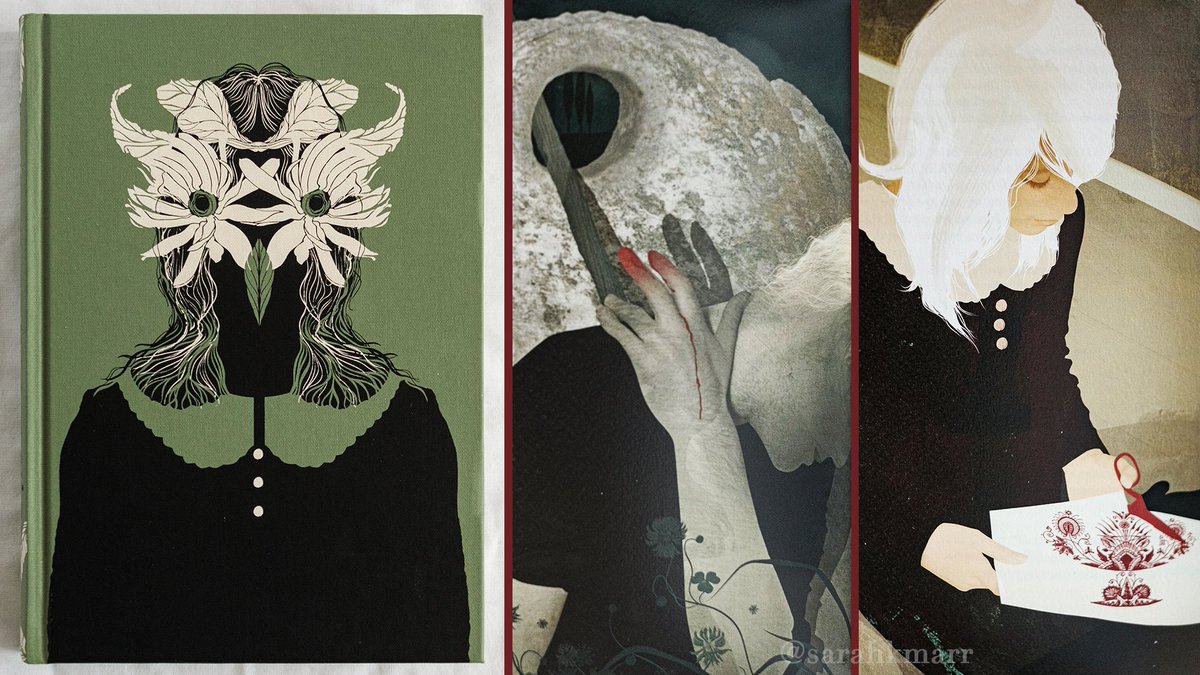
"The Owl Service," Alan Garner, Folio Society, 2013

This is everything one would expect from a @foliosociety edition: beautifully made and printed, with outstanding illustrations by @DarrenHopes, and a preface by Susan Cooper.

#OwlService 10/22

More from Culture

One of the authors of the Policy Exchange report on academic free speech thinks it is "ridiculous" to expect him to accurately portray an incident at Cardiff University in his study, both in the reporting and in a question put to a student sample.


Here is the incident Kaufmann incorporated into his study, as told by a Cardiff professor who was there. As you can see, the incident involved the university intervening to *uphold* free speech principles:


Here is the first mention of the Greer at Cardiff incident in Kaufmann's report. It refers to the "concrete case" of the "no-platforming of Germaine Greer". Any reasonable reader would assume that refers to an incident of no-platforming instead of its opposite.


Here is the next mention of Greer in the report. The text asks whether the University "should have overruled protestors" and "stepped in...and guaranteed Greer the right to speak". Again the strong implication is that this did not happen and Greer was "no platformed".


The authors could easily have added a footnote at this point explaining what actually happened in Cardiff. They did not.
Great article from @AsheSchow. I lived thru the 'Satanic Panic' of the 1980's/early 1990's asking myself "Has eveyrbody lost their GODDAMN MINDS?!"


The 3 big things that made the 1980's/early 1990's surreal for me.

1) Satanic Panic - satanism in the day cares ahhhh!

2) "Repressed memory" syndrome

3) Facilitated Communication [FC]

All 3 led to massive abuse.

"Therapists" -and I use the term to describe these quacks loosely - would hypnotize people & convince they they were 'reliving' past memories of Mom & Dad killing babies in Satanic rituals in the basement while they were growing up.

Other 'therapists' would badger kids until they invented stories about watching alligators eat babies dropped into a lake from a hot air balloon. Kids would deny anything happened for hours until the therapist 'broke through' and 'found' the 'truth'.

FC was a movement that started with the claim severely handicapped individuals were able to 'type' legible sentences & communicate if a 'helper' guided their hands over a keyboard.

You May Also Like

कुंडली में 12 भाव होते हैं। कैसे ज्योतिष द्वारा रोग के आंकलन करते समय कुंडली के विभिन्न भावों से गणना करते हैं आज इस पर चर्चा करेंगे।

कुण्डली को कालपुरुष की संज्ञा देकर इसमें शरीर के अंगों को स्थापित कर उनसे रोग, रोगेश, रोग को बढ़ाने घटाने वाले ग्रह


रोग की स्थिति में उत्प्रेरक का कार्य करने वाले ग्रह, आयुर्वेदिक/ऐलोपैथी/होमियोपैथी में से कौन कारगर होगा इसका आँकलन, रक्त विकार, रक्त और आपरेशन की स्थिति, कौन सा आंतरिक या बाहरी अंग प्रभावित होगा इत्यादि गणना करने में कुंडली का प्रयोग किया जाता है।


मेडिकल ज्योतिष में आज के समय में Dr. K. S. Charak का नाम निर्विवाद रूप से प्रथम स्थान रखता है। उनकी लिखी कई पुस्तकें आज इस क्षेत्र में नए ज्योतिषों का मार्गदर्शन कर रही हैं।
प्रथम भाव -
इस भाव से हम व्यक्ति की रोगप्रतिरोधक क्षमता, सिर, मष्तिस्क का विचार करते हैं।


द्वितीय भाव-
दाहिना नेत्र, मुख, वाणी, नाक, गर्दन व गले के ऊपरी भाग का विचार होता है।
तृतीय भाव-
अस्थि, गला,कान, हाथ, कंधे व छाती के आंतरिक अंगों का शुरुआती भाग इत्यादि।

चतुर्थ भाव- छाती व इसके आंतरिक अंग, जातक की मानसिक स्थिति/प्रकृति, स्तन आदि की गणना की जाती है


पंचम भाव-
जातक की बुद्धि व उसकी तीव्रता,पीठ, पसलियां,पेट, हृदय की स्थिति आंकलन में प्रयोग होता है।

षष्ठ भाव-
रोग भाव कहा जाता है। कुंडली मे इसके तत्कालिक भाव स्वामी, कालपुरुष कुंडली के स्वामी, दृष्टि संबंध, रोगेश की स्थिति, रोगेश के नक्षत्र औऱ रोगेश व भाव की डिग्री इत्यादि।
"I lied about my basic beliefs in order to keep a prestigious job. Now that it will be zero-cost to me, I have a few things to say."


We know that elite institutions like the one Flier was in (partial) charge of rely on irrelevant status markers like private school education, whiteness, legacy, and ability to charm an old white guy at an interview.

Harvard's discriminatory policies are becoming increasingly well known, across the political spectrum (see, e.g., the recent lawsuit on discrimination against East Asian applications.)

It's refreshing to hear a senior administrator admits to personally opposing policies that attempt to remedy these basic flaws. These are flaws that harm his institution's ability to do cutting-edge research and to serve the public.

Harvard is being eclipsed by institutions that have different ideas about how to run a 21st Century institution. Stanford, for one; the UC system; the "public Ivys".