This is SUCH a good essay.
This is an essay about designing AI with purpose, but really it's an essay about helping people clearly communicate their intentions. https://t.co/5L3FcrNJp6
— Josh Lovejoy (@jdlovejoy) January 20, 2021
The thing that fascinates me most about ML is that we want AI to be an angel, essentially--inhuman in its perfection but human in its compassion. Like us enough to care about us but without any of our flaws.
authoritarianism vs. partnership
"As parents and caregivers, we recognize that it’s our responsibility to advise and not simply admonish. "
but often it's not
But as the essay notes, ML reverses the logic of traditional programming, in that it starts with outcomes and works toward rules rather than vice versa.
More from Culture







. THREAD 1/x
David Baddiel is getting lots of coverage and feedback on his book which again focuses on so called 'left wing' antisemitism.
I will start by saying that I have seen antisemitic comments made by Labour members and some genuine cases.
However, I have huge concerns.
2/x
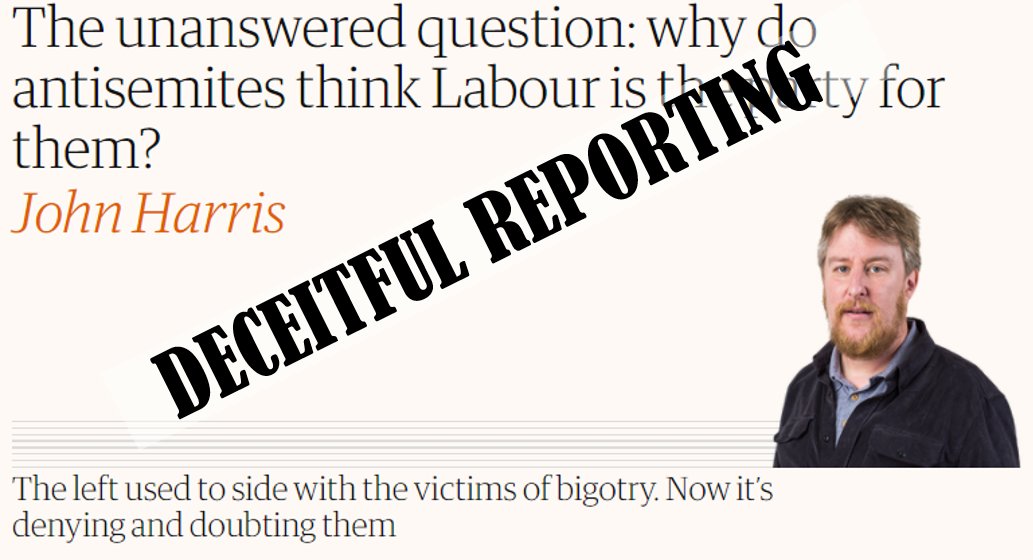
Let's look in detail at this article written in April 2019 in the @Guardian - and I will explain the concerns.
The areas highlighted guide you to believe this was all Labour - IT WASN'T.
It also occurred before 2015! Detail follows...
https://t.co/cK59FP83aG
3/x
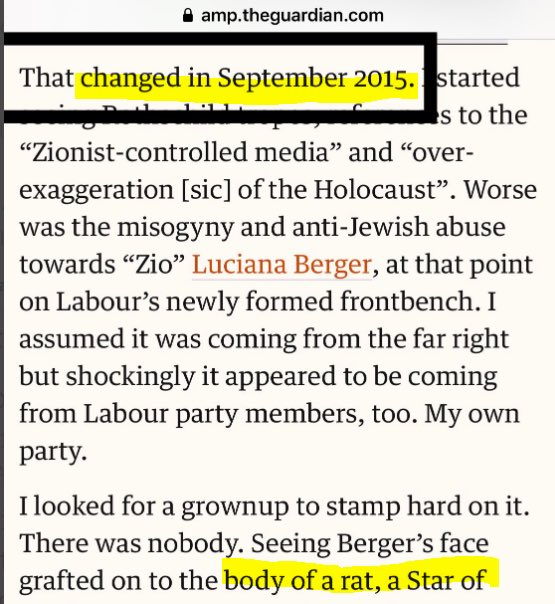
So as you see the writer of this rather deceitful piece starts with
"THAT CHANGED IN SEPTEMBER 2015" 🙄
This was done to point the timeframe as Corbyn's leadership. Yet the article goes on to describe things that are not even related to Labour, which occurred in 2014.
4/x
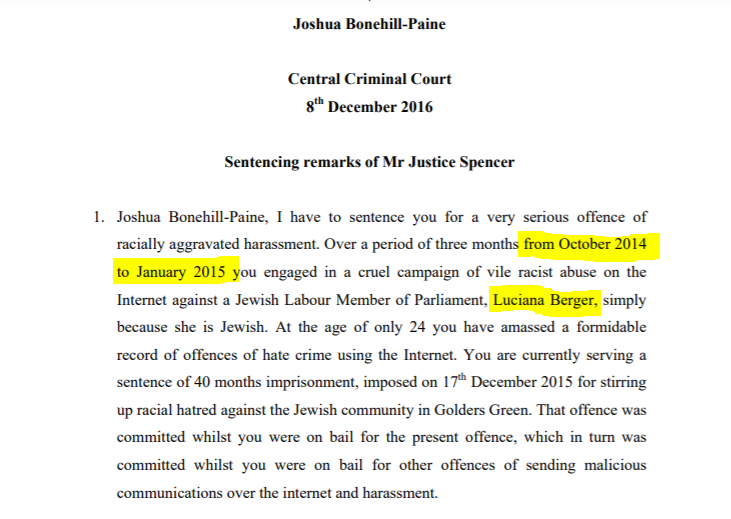
So... What in fact the @Guardian writer is discussing here is this case - where a group of Neo-Nazi's spent months inflicting abuse on Jewish MP Luciana Berger
All the detail is in the Court Notes when Bonehill-Paine was sentenced by the judge.
https://t.co/wAyo6Yro5Q
5/x
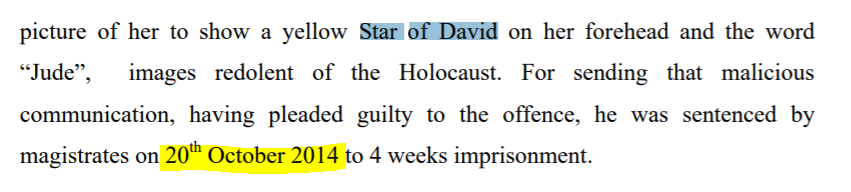
The Justice sentencing remarks to Neo-Nazi explain the previous cases too. See the date 2014.
Yet the Guardian writer refers to this NON LABOUR case to effectively make her article a lie.
"Star of David" - this was Garron Helm another neo-Nazi..
David Baddiel is getting lots of coverage and feedback on his book which again focuses on so called 'left wing' antisemitism.
I will start by saying that I have seen antisemitic comments made by Labour members and some genuine cases.
However, I have huge concerns.
2/x
Let's look in detail at this article written in April 2019 in the @Guardian - and I will explain the concerns.
The areas highlighted guide you to believe this was all Labour - IT WASN'T.
It also occurred before 2015! Detail follows...
https://t.co/cK59FP83aG
3/x
So as you see the writer of this rather deceitful piece starts with
"THAT CHANGED IN SEPTEMBER 2015" 🙄
This was done to point the timeframe as Corbyn's leadership. Yet the article goes on to describe things that are not even related to Labour, which occurred in 2014.
4/x
So... What in fact the @Guardian writer is discussing here is this case - where a group of Neo-Nazi's spent months inflicting abuse on Jewish MP Luciana Berger
All the detail is in the Court Notes when Bonehill-Paine was sentenced by the judge.
https://t.co/wAyo6Yro5Q
5/x
The Justice sentencing remarks to Neo-Nazi explain the previous cases too. See the date 2014.
Yet the Guardian writer refers to this NON LABOUR case to effectively make her article a lie.
"Star of David" - this was Garron Helm another neo-Nazi..