Affordable and Accessible research and innovation in an unseen olympics where many Indian companies win 🥇 and make the country proud. US enterprises are way ahead in cutting-edge Lab R&D, but they come to 🇮🇳 for scale-up and affordable manufacturing (CDMO model).
Go 🇮🇳 Go 👏👏
Watch the journey of\xa0Insulin Glargine's landmark USFDA approval for first interchangeable #biosimilar for the treatment of diabetes, a testament to #BioconBiologics' scientific excellence & robust quality comparibility data. https://t.co/JSM4LPqYdh
— Biocon (@Bioconlimited) August 1, 2021
More from Conviction | Patience
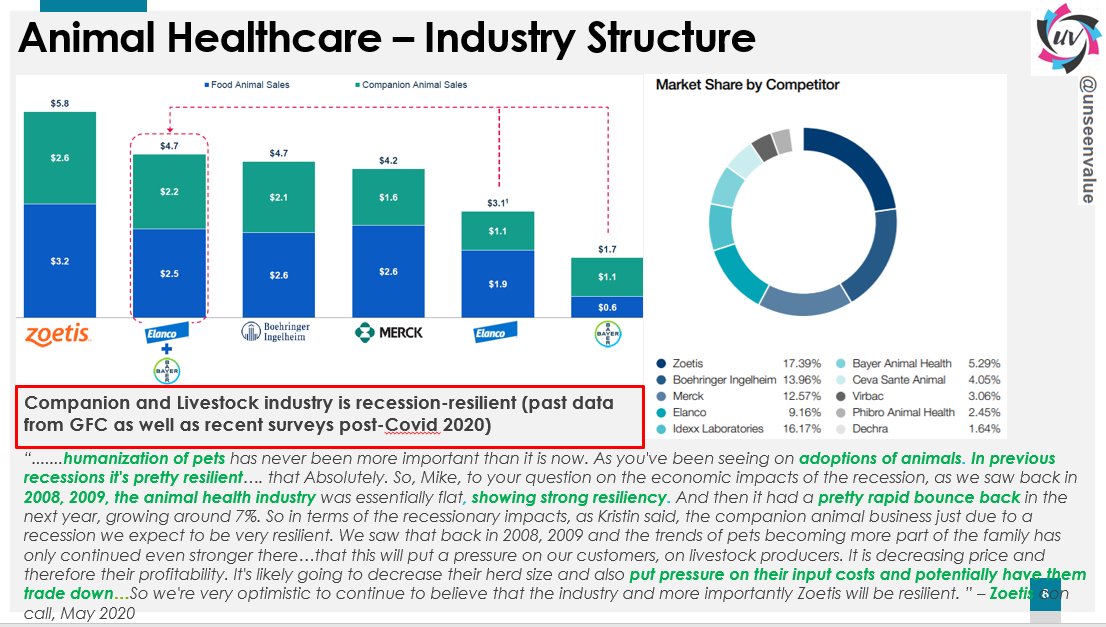

5 webinars/conclaves since May 2020 and over 100 stock ideas shared. Still not enough :)
Twitter should be like that airport shuttle service, the moment you walk out (start following someone) - there should be a chauffeur (new stock idea) ready to drive you to your destination!
[Free CDMO Masterclass #18] https://t.co/208eQbYKEF
[Free Art of Investing] https://t.co/bHvUqnpiTE
[Paid IIC Dec 2020 on SeQuent] https://t.co/3iDO438Et9
[Charity fund raise on Unseen Trends in Biotechnology] https://t.co/eNi1x1qwhH
[Q&A on APIs]
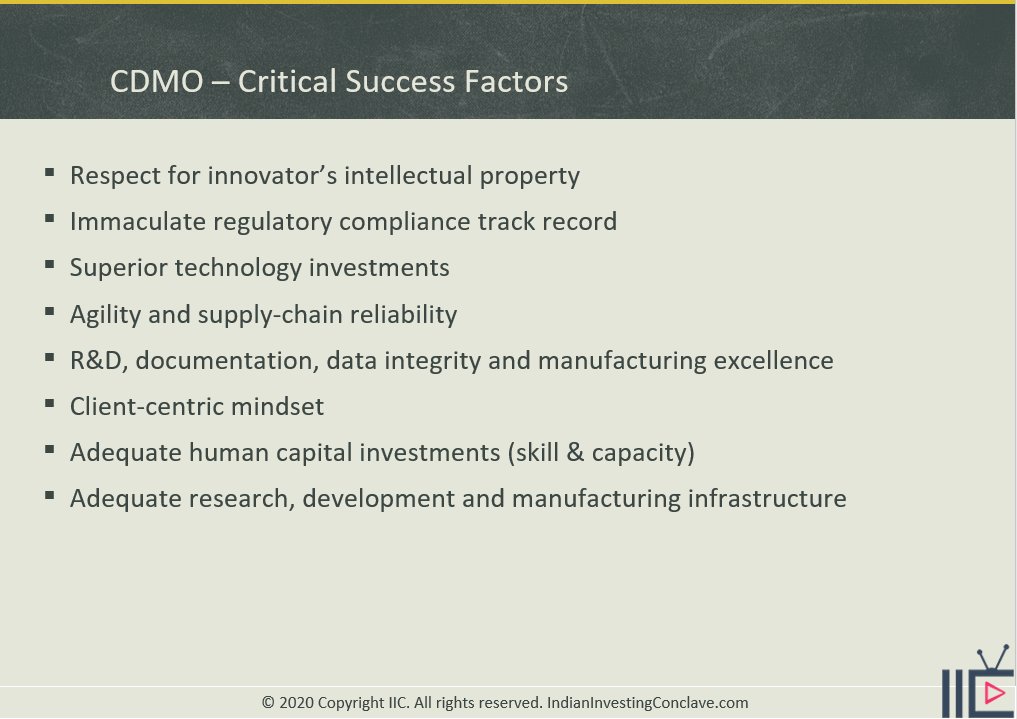
You offer me 80% cost arbitrage (discount relative to Japan/EU/US) along with low confidence / assurance on Critical Success Factors and I won't give you a single NCE/NBE to discover, develop or manufacture. Capex/opex arbitrage is too low in the disruptive-science-pecking-order! https://t.co/O2l8dK4BUv
@unseenvalue Given high capex/opex cost structures of US/Japan/EU, how will they be able to compete with Indian API companies? https://t.co/OYhC2PUZpL
— Hiren (@hiren_investing) August 11, 2021
You May Also Like





I’m torn on how to approach the idea of luck. I’m the first to admit that I am one of the luckiest people on the planet. To be born into a prosperous American family in 1960 with smart parents is to start life on third base. The odds against my very existence are astronomical.
I’ve always felt that the luckiest people I know had a talent for recognizing circumstances, not of their own making, that were conducive to a favorable outcome and their ability to quickly take advantage of them.
In other words, dumb luck was just that, it required no awareness on the person’s part, whereas “smart” luck involved awareness followed by action before the circumstances changed.
So, was I “lucky” to be born when I was—nothing I had any control over—and that I came of age just as huge databases and computers were advancing to the point where I could use those tools to write “What Works on Wall Street?” Absolutely.
Was I lucky to start my stock market investments near the peak of interest rates which allowed me to spend the majority of my adult life in a falling rate environment? Yup.
Ironies of Luck https://t.co/5BPWGbAxFi
— Morgan Housel (@morganhousel) March 14, 2018
"Luck is the flip side of risk. They are mirrored cousins, driven by the same thing: You are one person in a 7 billion player game, and the accidental impact of other people\u2019s actions can be more consequential than your own."
I’ve always felt that the luckiest people I know had a talent for recognizing circumstances, not of their own making, that were conducive to a favorable outcome and their ability to quickly take advantage of them.
In other words, dumb luck was just that, it required no awareness on the person’s part, whereas “smart” luck involved awareness followed by action before the circumstances changed.
So, was I “lucky” to be born when I was—nothing I had any control over—and that I came of age just as huge databases and computers were advancing to the point where I could use those tools to write “What Works on Wall Street?” Absolutely.
Was I lucky to start my stock market investments near the peak of interest rates which allowed me to spend the majority of my adult life in a falling rate environment? Yup.