A tentative thread on the Biden speech
Adam Curtis once leaned heavily on the book 'Everything was forever, until it was no more' by Alexei Yurchak - a slightly odd book about the way that language in the Soviet Union slowly degraded.
More from Biden


"Ban" is a verb meaning to "officially or legally prohibit" something. If the Biden administration is not approving new fracking permits, how is that not "officially or legally prohibiting" new fracking permits?
The economy is bleeding, and the Biden administration's response is to cripple one of the few industries that has been consistently employing people throughout this crisis.
But, his allies in the media don't want him to take that PR hit, so they run cover and play word games. Biden's exact words were "We are not going to ban fracking. Period." The "Period." there would imply that ANY ban is off the table.
If you are going to prohibit via executive order - which is nothing more than a law passed outside of the normal legislative process - anything, you are "legally" prohibiting it. There are legal consequences to violating that regulation.
So yes, definitionally, Biden has "legally prohibited" fracking in some way, shape, or form, which is the opposite of his campaign statements.
In other words, he lied.
In the campaign, Biden said he would not approve new fracking permits on federal lands. But he would allow existing fracking to continue on federal property and existing and new fracking to continue on private land. .... https://t.co/EDVj7RQdFs
— Glenn Kessler (@GlennKesslerWP) January 26, 2021
The economy is bleeding, and the Biden administration's response is to cripple one of the few industries that has been consistently employing people throughout this crisis.
But, his allies in the media don't want him to take that PR hit, so they run cover and play word games. Biden's exact words were "We are not going to ban fracking. Period." The "Period." there would imply that ANY ban is off the table.
If you are going to prohibit via executive order - which is nothing more than a law passed outside of the normal legislative process - anything, you are "legally" prohibiting it. There are legal consequences to violating that regulation.
So yes, definitionally, Biden has "legally prohibited" fracking in some way, shape, or form, which is the opposite of his campaign statements.
In other words, he lied.

Did you miss the Inauguration of the 46th President of the United States,Joe Biden?This Thread is the perfect synopsis for everything you need to know!
Donald Trump left the White House Wednesday morning. For the first time in 150 years the sitting president didn’t attend the swearing-in of his successor.
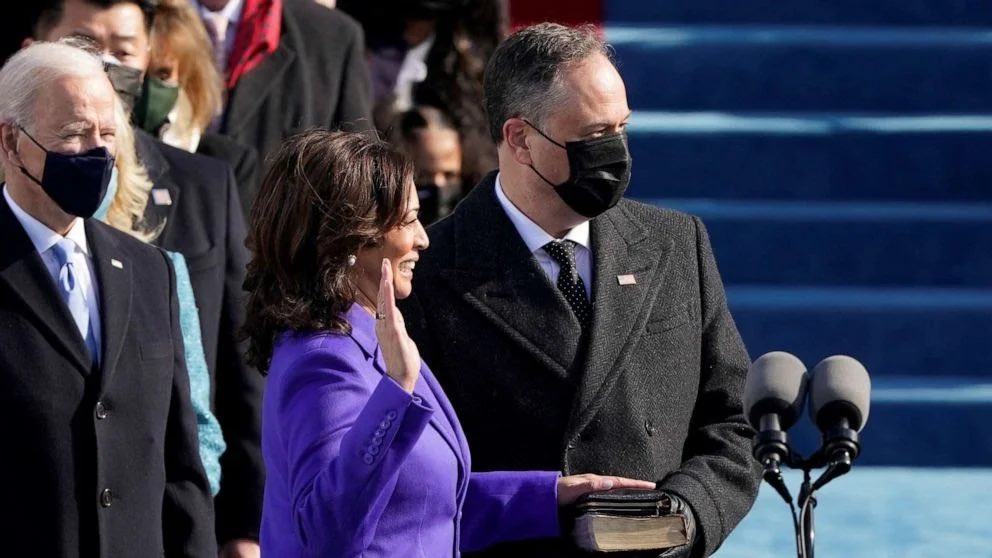
Kamala Harris, the first woman and person of color to hold the office of vice president was sworn in by Justice Sonia Sotomayor, the first Latina member of the Supreme Court.
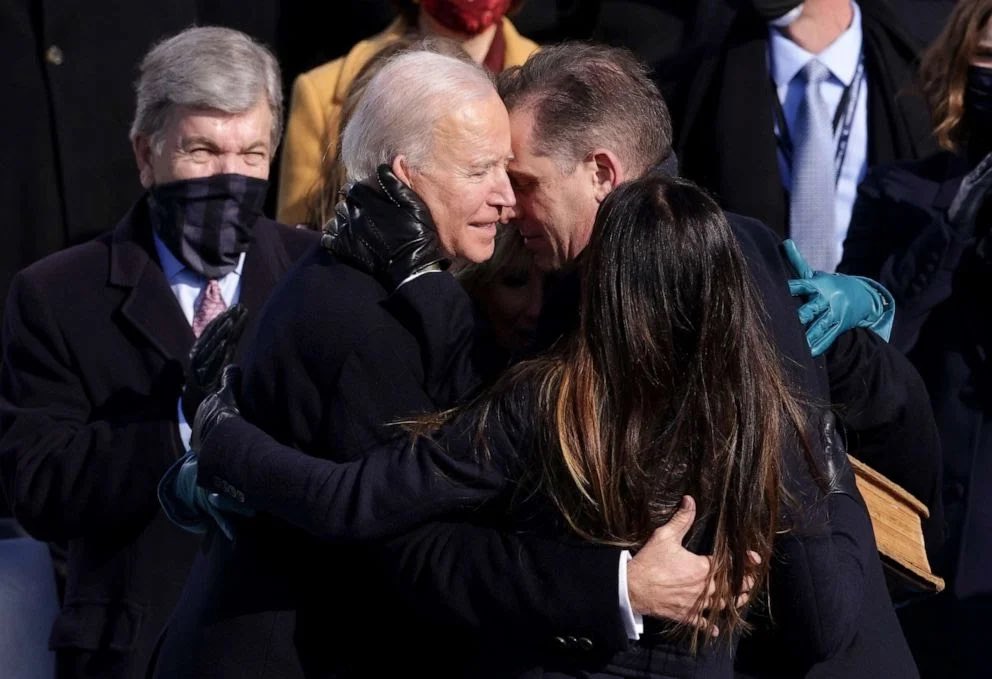
Chief Justice John Roberts later administered the presidential oath to Biden as Jill Biden held the bible and as his children, Hunter Biden and Ashley Biden, stood by.
President Joe Biden gave his Inaugural address. Check out the full transcript below.
Donald Trump left the White House Wednesday morning. For the first time in 150 years the sitting president didn’t attend the swearing-in of his successor.
Trump leaves the White House pic.twitter.com/fed7XB4I99
— Jake Tapper (@jaketapper) January 20, 2021
Kamala Harris, the first woman and person of color to hold the office of vice president was sworn in by Justice Sonia Sotomayor, the first Latina member of the Supreme Court.
Chief Justice John Roberts later administered the presidential oath to Biden as Jill Biden held the bible and as his children, Hunter Biden and Ashley Biden, stood by.
President Joe Biden gave his Inaugural address. Check out the full transcript below.
Transcript: Joe Biden\u2019s inauguration speech https://t.co/YmDAUFX99M
— The Washington Post (@washingtonpost) January 20, 2021

Biden clearly should not do #1. The problem with #2 is that reconciliation delays the inevitable and creates a tiered system where issues that happen to be ineligible - like civil rights and democracy reform - are relegated to second-class status and left to die by filibuster.
This👇is the danger. By using reconciliation you’re conceding the point that major legislation deserves to pass by majority vote, but only certain kinds for arbitrary reasons. Plus the process itself is opaque and ugly. You risk laying a logistical & political trap for yourself.
All the “here’s what you can do through reconciliation” takes are correct but also look through the wrong end of the telescope. Any of the items mentioned, or a small number of them, would be relatively easy. But putting them all together in one leadership-driven mega package...
... with no committee involvement and no real oversight, enduring tough press for jamming a massive package through a close process and stories about lobbyist giveaways while dodging the adverse parliamentary rulings that are virtually inevitable and still maintaining 50 votes...
It’s possible! Maybe the mega-ness of the package ends up helping hold 50 votes. But the ugliness of the process is being underpriced. And to what end? You’re just delaying the inevitable since you can’t use it for civil rights nor can you allow civil rights to die by filibuster.
Biden will have two options:
— Sahil Kapur (@sahilkapur) January 23, 2021
1. Cut the price tag sharply to court GOP support.
2. Use reconciliation to do what he can with 50 votes\u2014some stuff has to go, like $15 wage.
(A 3rd option is nuke the filibuster but @PressSec says he doesn\u2019t favor that.)https://t.co/AV49BcmDaI
This👇is the danger. By using reconciliation you’re conceding the point that major legislation deserves to pass by majority vote, but only certain kinds for arbitrary reasons. Plus the process itself is opaque and ugly. You risk laying a logistical & political trap for yourself.
Obvious answer is 2b where you tie yourself in knots trying to go nuclear lite and totally lose the plot in the process
— Liam Donovan (@LPDonovan) January 23, 2021
All the “here’s what you can do through reconciliation” takes are correct but also look through the wrong end of the telescope. Any of the items mentioned, or a small number of them, would be relatively easy. But putting them all together in one leadership-driven mega package...
... with no committee involvement and no real oversight, enduring tough press for jamming a massive package through a close process and stories about lobbyist giveaways while dodging the adverse parliamentary rulings that are virtually inevitable and still maintaining 50 votes...
It’s possible! Maybe the mega-ness of the package ends up helping hold 50 votes. But the ugliness of the process is being underpriced. And to what end? You’re just delaying the inevitable since you can’t use it for civil rights nor can you allow civil rights to die by filibuster.