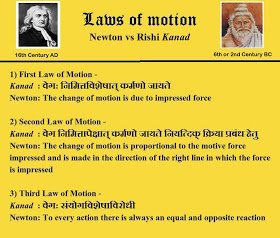
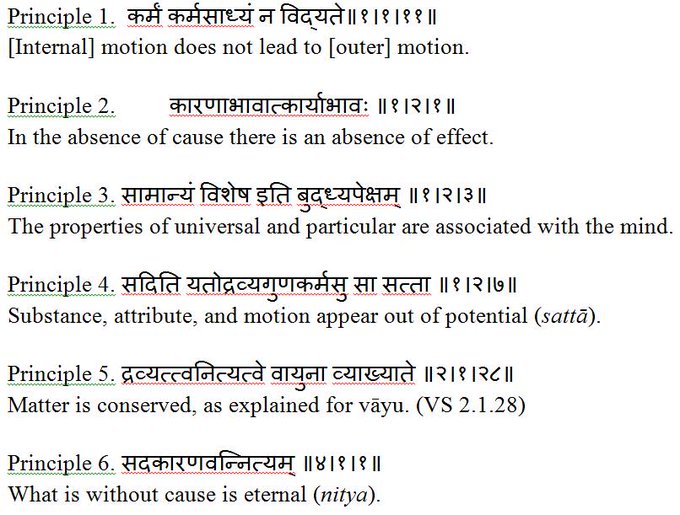
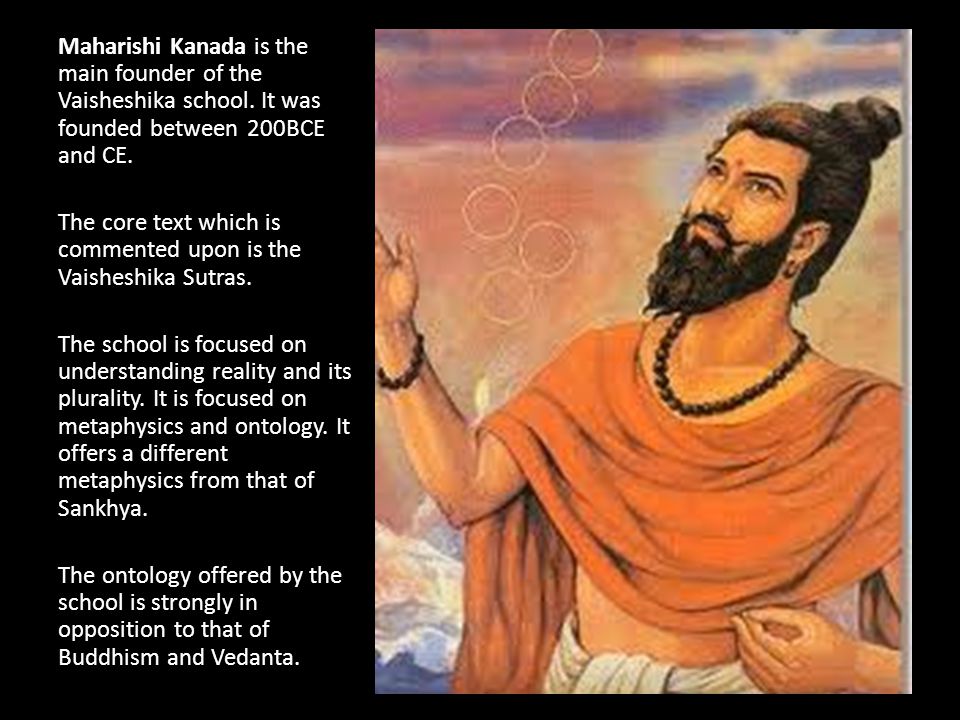
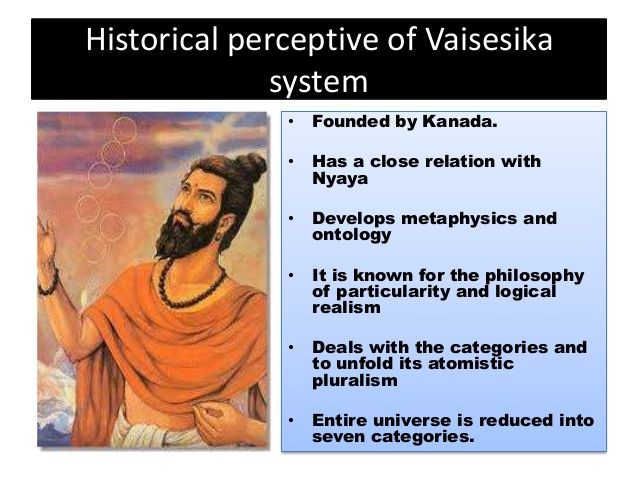
IT WAS RISHI KANADA WHO GAVE THE ATOMIC THEORY & TALKED ABOUT THE GRAVITY OF EARTH, 2600 YEARS BEFORE AN APPLE FELL IN FRONT OF NEWTON'S EYES:
Scientists of the modern world credit an English scientist John Dalton (1766 CE -1844 CE) for the Atomic Theory.
And this is because, most of us are not even aware of an ancient Indian Sage named Kanada, who was the first to formulate the theory of atoms, almost 2600 yrs before Dalton and talk about earth's gravity.
Rishi Kanada was born around 600 BCE in Dwarka, Gujarat and he was the son of a philosopher named Ulka. He was fascinated with the minute detailing of the things right from his childhood. Once, when he was very young, he accompanied his father on a journey to Prayaga.
He saw plentiful grains scattered along the path leading to the shore of river Ganga. It's a tradition in Hindu families to scatter the grains for the ants and birds to feed on them. Suddenly, an ant caught his attention, who was feeding on a rice grain.
He was mesmerised by this very fact that how a small grain of rice becomes food for the ant but to satisfy the hunger of a person so many grains are needed together. This incidence made him realize the importance of a single grain of rice.