A hill I'll die on:

95% of entrepreneurs should forget about technology (a few big fish and a lot of sophisticated fishermen) and focus on small business (small fish everywhere and really crappy fishermen).

A THREAD:

Be like water.

Take the path of least resistance.

The goal of every entrepreneur should be:

#1. Gain financial freedom

and

#2. Maximize probability of achieving #1
Because when you have financial freedom your world opens up.

You can start doing what makes you happy.

And you can positively impact a lot more people with project #2, 3, 4 etc. You're in a position to try to change the world if you have financial freedom.
So why don't more folks think about opportunities with more weight added to #2?

The odds part. The risk. The probability.
The amount of small businesses in America that absolutely print money and still do business like it’s 1985 is astounding.
Why is everyone trying to fish for sharks against Stanford and Harvard grads and venture capital and big tech?

Sure you hit big. And we see the folks who did all over twitter.

But what about the other 95% who tried but couldn't achieve #1?
Business should be more like poker.

How can I maximize my gain and minimize my risk?

How much cash do I really need to try to win on this hand?
People don't need as much cash as they think to be free.

$100k a year in passive income is enough for most folks.

Just not having to go to a job they don't like would change everything for most folks.
So why don't we look up from our computer screens?

The amount of small businesses in America that absolutely print money and still do business like it’s 1985 is astounding.

Fax machines. Secretaries. Land lines. Written ledgers. Cash payments.
Innovation can happen in really small ways.

I'm getting moderately wealthy right now by applying out-of-the-box software to self storage facilities.

I'm one of about 100 groups of folks doing exactly this.
Am I trying something new? No.

Am I innovating? Sure.

Am I taking risk? No.

Am I copying off of others? Sure.

Am I trying to educate a market? No.
I'm fishing in a pond (small self storage facilities) with tons of small fish (20,000+ of them in the USA) and a ton of crappy fishermen (60 year olds who don't use email).

So my ask of you:
Learn from the true innovators. Pay attention to silicon valley and how they do business.

But look up from your computer screen.

There is a small business 1/2 mile from your house that prints money and does business like its 1985.
Nobody wants to buy that business.

Nobody wants to start that business.

Because there is a little bit of sweat. It's not easy. It might take a little bit of physical work (god forbid) in the early days.
And so the fish are just sitting there. They may not be large enough fish to make it on the cover of Entrepreneur magazine.

But they are big enough fish to change your entire life and the life of your kids and their kids.

Why wouldn't you throw your line there?
If you're into small business and real estate sign up for my newsletter:

https://t.co/FEt1sBoSWS

More from Nick Huber

Don’t have much cash but want to invest in real estate?

Want to get SBA loans and special loan programs so you can buy real estate investments with only 5-10% down?

One word for you:

Don’t.

Here’s why

👇👇👇

Leverage can be a beautiful thing.

Appreciation takes over and all that value you bought with debt grows and you amplify your returns.

But there is another, darker side of debt.


Values drop 5 or 10% and you’re underwater. You have zero equity or negative equity.

Ask the folks who were over-levered in 2007 what happened on 2011?

Real estate is a frothy space right now. Money flying everywhere and values higher than they’ve ever been.

Debt is cheaper and easier to get than ever.

Will it continue?

Probably.

Money could stay cheap for a long time. There is a ton of negative yielding debt abroad and liquidity ready to flood our market at the drop of a hat.

Rates will likely stay low. Gov will probably keep subsidizing these loans. You’ll probably be okay.

More from All

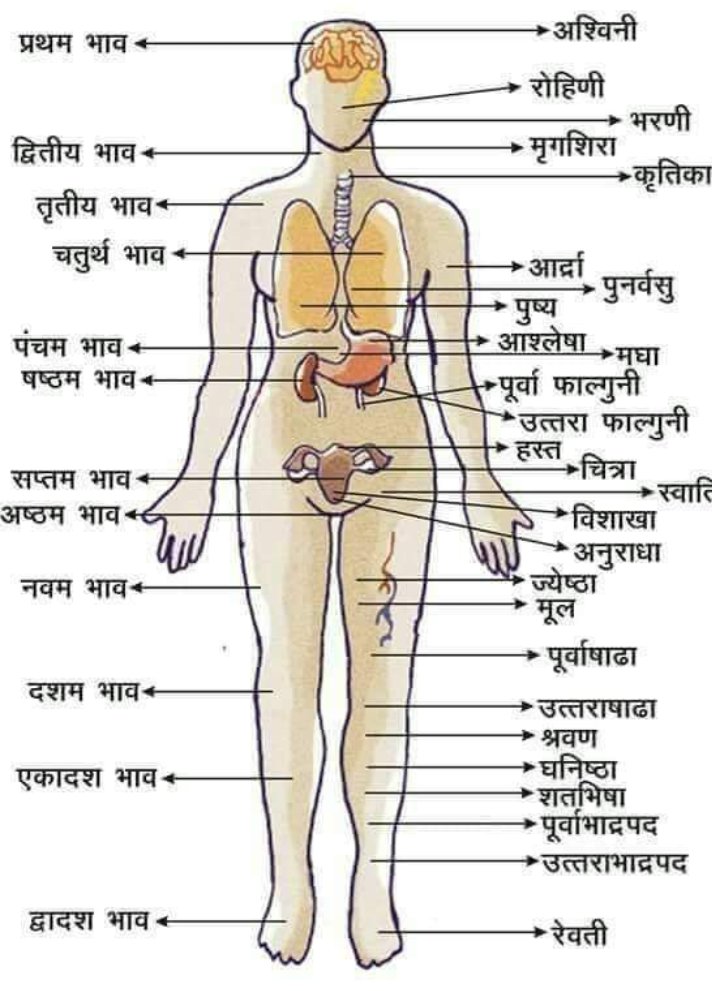
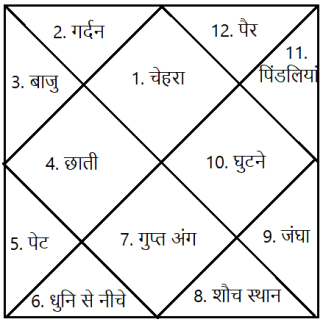
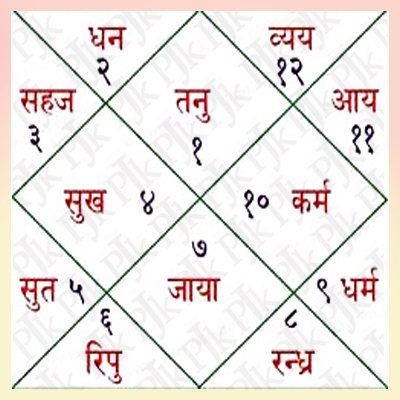
कुंडली में 12 भाव होते हैं। कैसे ज्योतिष द्वारा रोग के आंकलन करते समय कुंडली के विभिन्न भावों से गणना करते हैं आज इस पर चर्चा करेंगे।
कुण्डली को कालपुरुष की संज्ञा देकर इसमें शरीर के अंगों को स्थापित कर उनसे रोग, रोगेश, रोग को बढ़ाने घटाने वाले ग्रह


रोग की स्थिति में उत्प्रेरक का कार्य करने वाले ग्रह, आयुर्वेदिक/ऐलोपैथी/होमियोपैथी में से कौन कारगर होगा इसका आँकलन, रक्त विकार, रक्त और आपरेशन की स्थिति, कौन सा आंतरिक या बाहरी अंग प्रभावित होगा इत्यादि गणना करने में कुंडली का प्रयोग किया जाता है।


मेडिकल ज्योतिष में आज के समय में Dr. K. S. Charak का नाम निर्विवाद रूप से प्रथम स्थान रखता है। उनकी लिखी कई पुस्तकें आज इस क्षेत्र में नए ज्योतिषों का मार्गदर्शन कर रही हैं।
प्रथम भाव -
इस भाव से हम व्यक्ति की रोगप्रतिरोधक क्षमता, सिर, मष्तिस्क का विचार करते हैं।


द्वितीय भाव-
दाहिना नेत्र, मुख, वाणी, नाक, गर्दन व गले के ऊपरी भाग का विचार होता है।
तृतीय भाव-
अस्थि, गला,कान, हाथ, कंधे व छाती के आंतरिक अंगों का शुरुआती भाग इत्यादि।

चतुर्थ भाव- छाती व इसके आंतरिक अंग, जातक की मानसिक स्थिति/प्रकृति, स्तन आदि की गणना की जाती है


पंचम भाव-
जातक की बुद्धि व उसकी तीव्रता,पीठ, पसलियां,पेट, हृदय की स्थिति आंकलन में प्रयोग होता है।

षष्ठ भाव-
रोग भाव कहा जाता है। कुंडली मे इसके तत्कालिक भाव स्वामी, कालपुरुष कुंडली के स्वामी, दृष्टि संबंध, रोगेश की स्थिति, रोगेश के नक्षत्र औऱ रोगेश व भाव की डिग्री इत्यादि।

You May Also Like

"I lied about my basic beliefs in order to keep a prestigious job. Now that it will be zero-cost to me, I have a few things to say."


We know that elite institutions like the one Flier was in (partial) charge of rely on irrelevant status markers like private school education, whiteness, legacy, and ability to charm an old white guy at an interview.

Harvard's discriminatory policies are becoming increasingly well known, across the political spectrum (see, e.g., the recent lawsuit on discrimination against East Asian applications.)

It's refreshing to hear a senior administrator admits to personally opposing policies that attempt to remedy these basic flaws. These are flaws that harm his institution's ability to do cutting-edge research and to serve the public.

Harvard is being eclipsed by institutions that have different ideas about how to run a 21st Century institution. Stanford, for one; the UC system; the "public Ivys".