“Qutub Complex Interpretation”

Though there is no need for validating “Hindu Temples under Islamic Occupation” like Vijayamandal, Adai Din Ka Jhopra, Atala masjid, Gyanvapi, Shahi idgah, Bhojshala, Qutub Minar etc, for its remnants are enough to prove they are Hindu Temples
1/10

Here are few elements from Qutub Complex & their Interpretation.

Pic 1 - is the entrance to Quwwat-Ul-Islam with Hindu elements like Kirtimukha, Ghantika, Sushni and Grasapatta.

2/10
@ReclaimTemples @punarutthana @LostTemple7
Pic 2 - is of the forceful introduction of “Kufic” script (One of the earliest of Islamic Calligraphies). Let us try to pay attention to Kufic and understand the details further.

3/10

@ReclaimTemples @punarutthana @LostTemple7
Pic 3 – Kufic script is fully studded with “Astadala Padmas” which us unusual in Islamic calligraphy.

Such calligraphy is a rare sight in architecture around Ghazni but are usual on vessels.

4/10
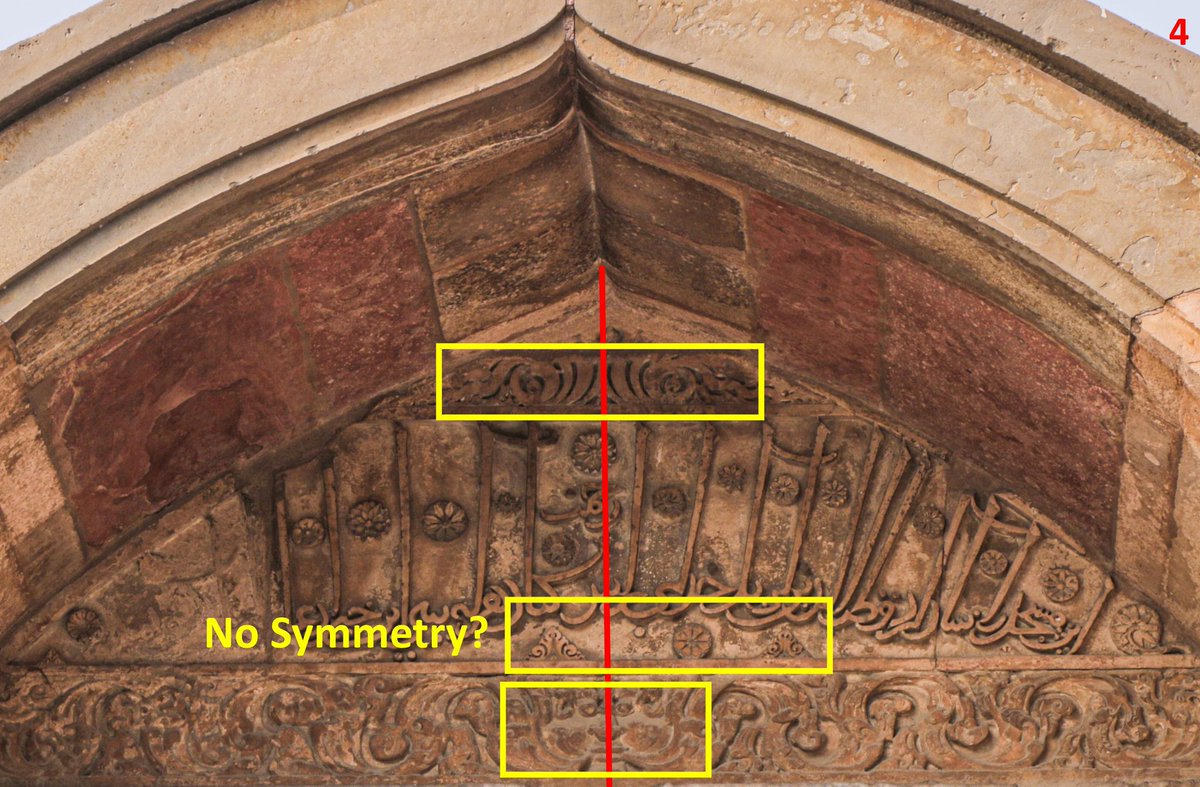
Pic 4 – in the same panel below the Kufic script, a design is out of symmetry while the all the Hindu elements are exactly in symmetry meaning the original full design was manipulated.

5/10
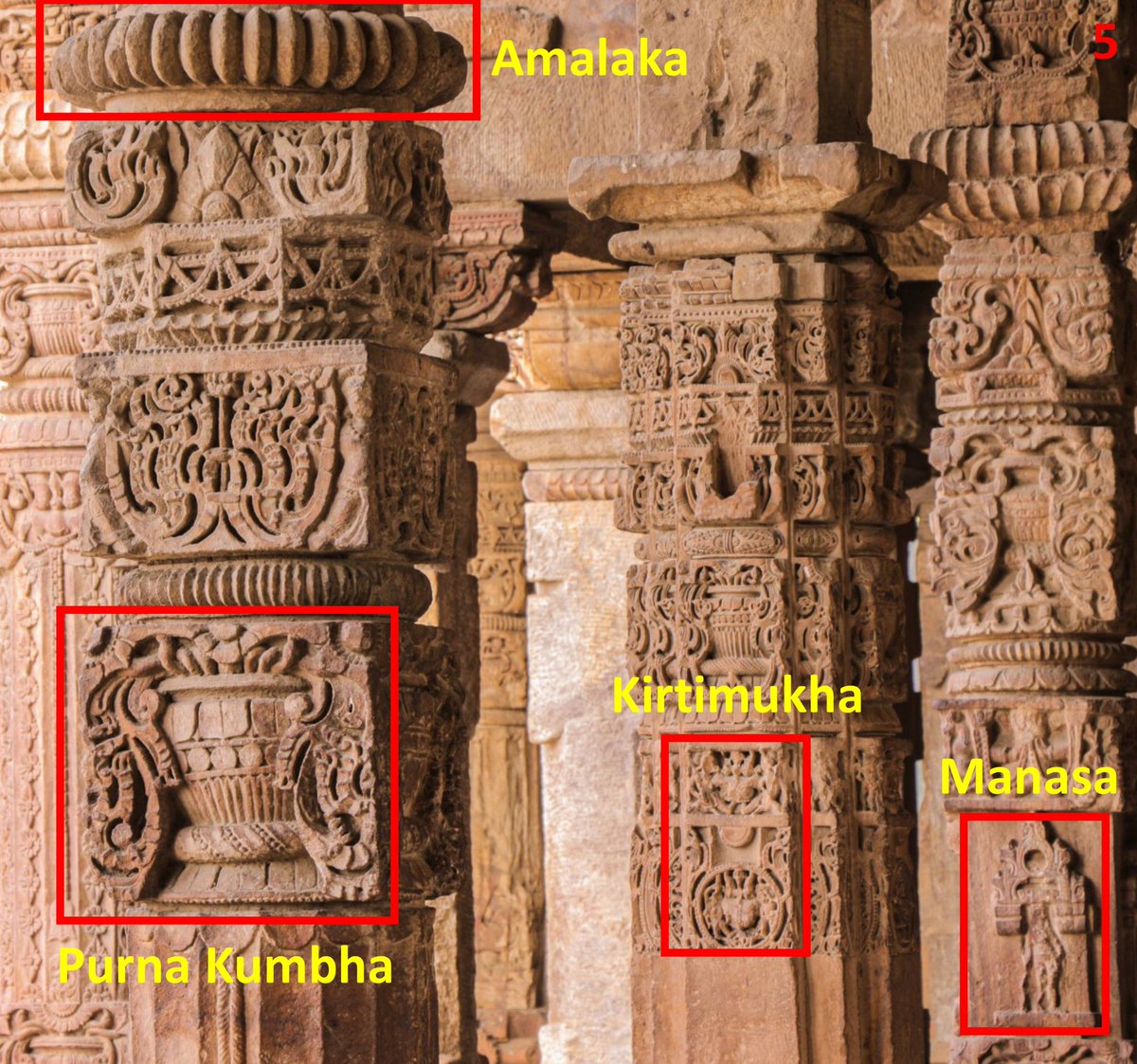
Pic 5 & 6 – the pillars in Qutub complex showing elements like Amalaka, Purnakumbha, Kirtumukha, Goddess Manasa, Manmatha (Rathi Broken), Brahma and Bhaarakas.

6/10
7/10
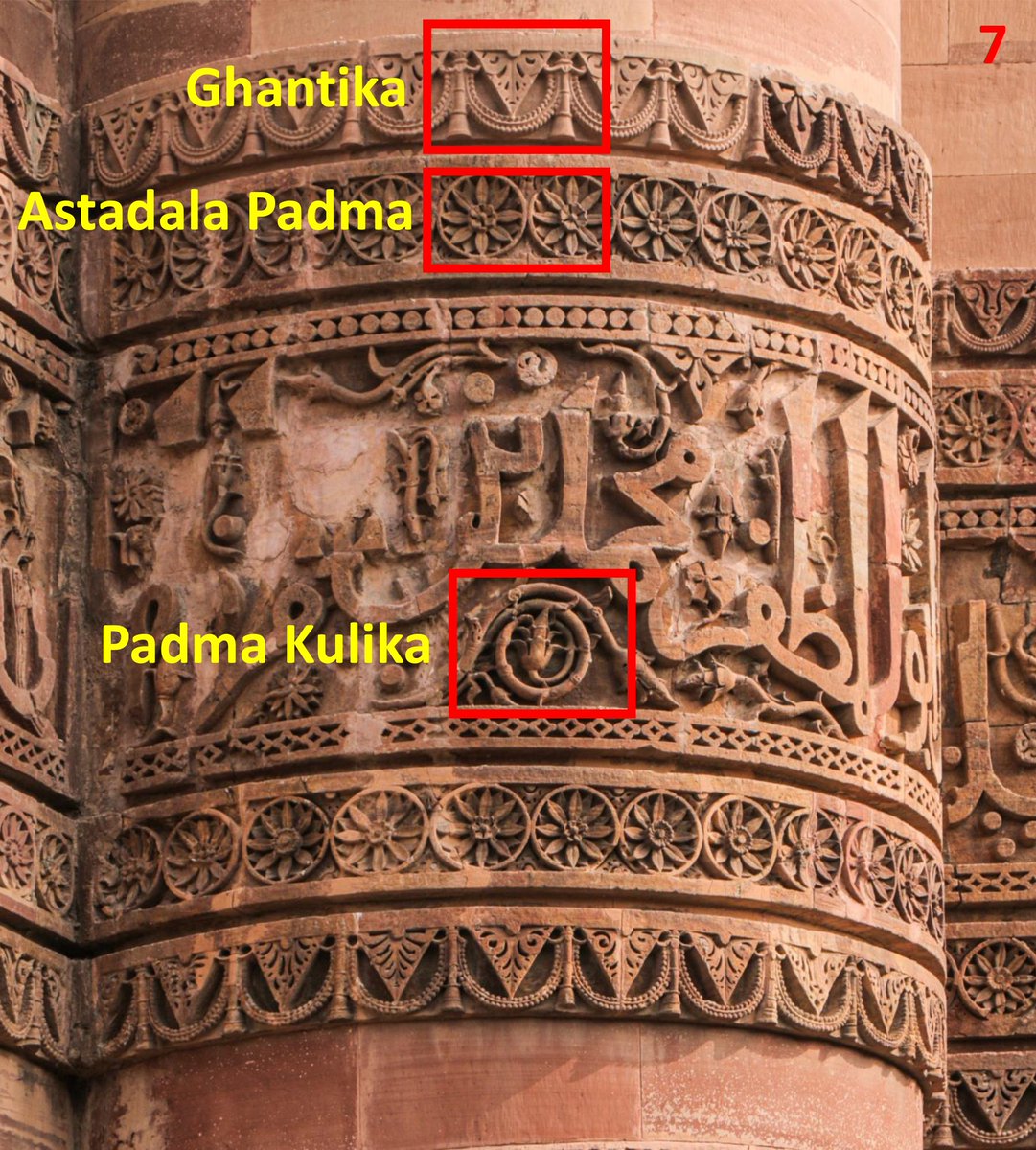
Pic 7 – Hindu Elements like Astadala Padma, Ghantika and Padmakulika on the upper layers of Qutub Minar.

8/10
Pic 8 – the floral design in “Box A” is remnant after chiseling out the pre-existing design. If it was Islamic design, why does it miss the depth like the one you see in below panels. In “Box B” is the “Floral Kufic”.

9/10
Generally in floral Kufic, flowers always originate from alphabets but here they don’t. Moreover the Islamic calligraphy right from Kufic to Nashtaliq are known for their proportion & here proportionality is hardly seen.

10/10

@ReclaimTemples @punarutthana @LostTemple7

More from All

You May Also Like

“We don’t negotiate salaries” is a negotiation tactic.

Always. No, your company is not an exception.

A tactic I don’t appreciate at all because of how unfairly it penalizes low-leverage, junior employees, and those loyal enough not to question it, but that’s negotiation for you after all. Weaponized information asymmetry.

Listen to Aditya


And by the way, you should never be worried that an offer would be withdrawn if you politely negotiate.

I have seen this happen *extremely* rarely, mostly to women, and anyway is a giant red flag. It suggests you probably didn’t want to work there.

You wish there was no negotiating so it would all be more fair? I feel you, but it’s not happening.

Instead, negotiate hard, use your privilege, and then go and share numbers with your underrepresented and underpaid colleagues. […]
शमशान में जब महर्षि दधीचि के मांसपिंड का दाह संस्कार हो रहा था तो उनकी पत्नी अपने पति का वियोग सहन नहीं कर पायी और पास में ही स्थित विशाल पीपल वृक्ष के कोटर में अपने तीन वर्ष के बालक को रख के स्वयं चिता पे बैठ कर सती हो गयी ।इस प्रकार ऋषी दधीचि और उनकी पत्नी की मुक्ति हो गयी।


परन्तु पीपल के कोटर में रखा बालक भूख प्यास से तड़पने लगा। जब कुछ नहीं मिला तो वो कोटर में पड़े पीपल के गोदों (फल) को खाकर बड़ा होने लगा। कालान्तर में पीपल के फलों और पत्तों को खाकर बालक का जीवन किसी प्रकार सुरक्षित रहा।

एक दिन देवर्षि नारद वहां से गुजर रहे थे ।नारद ने पीपल के कोटर में बालक को देख कर उसका परिचय मांगा -
नारद बोले - बालक तुम कौन हो?
बालक - यही तो मैं भी जानना चहता हूँ ।
नारद - तुम्हारे जनक कौन हैं?
बालक - यही तो मैं भी जानना चाहता हूँ ।

तब नारद ने आँखें बन्द कर ध्यान लगाया ।


तत्पश्चात आश्चर्यचकित हो कर बालक को बताया कि 'हे बालक! तुम महान दानी महर्षि दधीचि के पुत्र हो । तुम्हारे पिता की अस्थियों का वज्रास्त्र बनाकर ही देवताओं ने असुरों पर विजय पायी थी।तुम्हारे पिता की मृत्यु मात्र 31 वर्ष की वय में ही हो गयी थी'।

बालक - मेरे पिता की अकाल मृत्यु का क्या कारण था?
नारद - तुम्हारे पिता पर शनिदेव की महादशा थी।
बालक - मेरे उपर आयी विपत्ति का कारण क्या था?
नारद - शनिदेव की महादशा।
इतना बताकर देवर्षि नारद ने पीपल के पत्तों और गोदों को खाकर बड़े हुए उस बालक का नाम पिप्पलाद रखा और उसे दीक्षित किया।