So, there is an debate going on. Which language is better? Now I am going to present some of the rare shlokas in Sanskrit in this particular thread.

This will be the final nail in the coffin of this foolish debate which will establish why Sanskrit is the best language in the entire universe and also establish the authority of our great scriptures and acharyas.
But before that I offer my humble humble obeisances unto my gurus. May Srila Rupa, the mighty king of poets, who composes poetical verses that are extremely difficult
to compose, grant me the wealth of intelligence needed to understand them.
https://t.co/b3xg7Ut3pI
citra-kavitvaani means poetical verses that cause
astonishment (citra meaning ascharya) like “Wow! How did he compose a verse using only one varna? (or)
How did he compose a verse using only two varnas?”
Alternatively, the cakra formation and so on
are called citras and thus citra-kavitvaani could also mean poetical verses which have these formations.
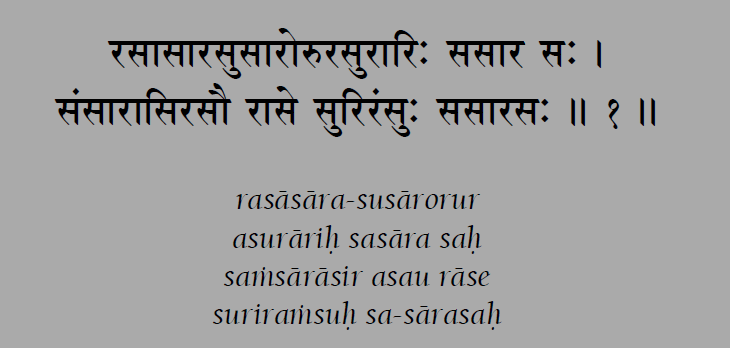
Among these Amazing verses are those that have only two aksharas (“consonants”) ra and sa:
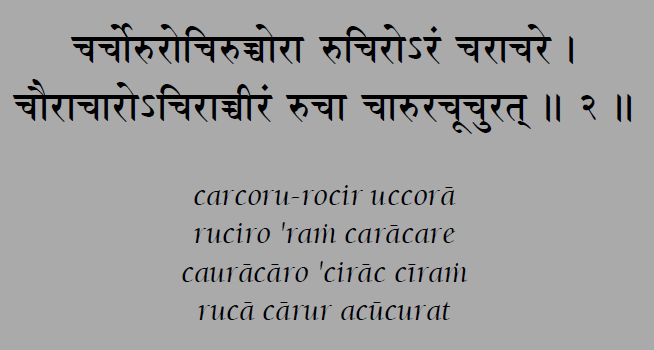
Verse 2 with two aksharas cha and ra:
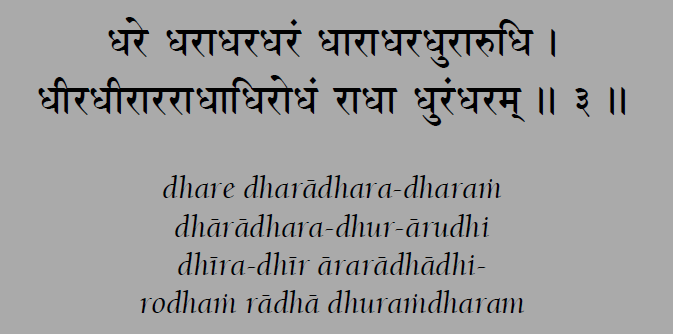
Verse 3 with two aksharas using dha and ra:
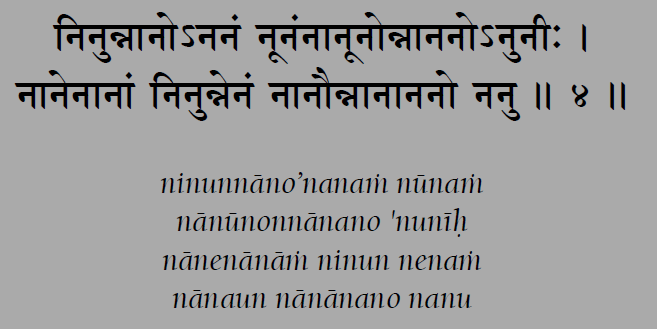
Verse 4 with ek akshara i.e. na:
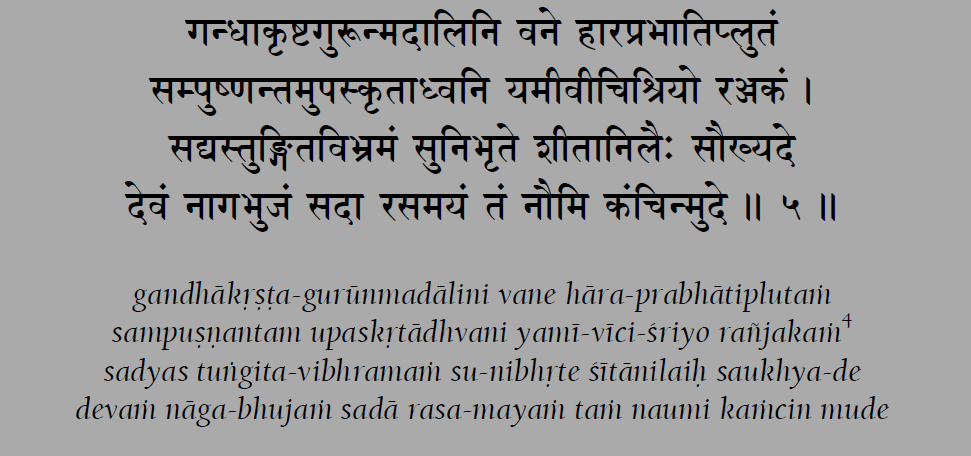
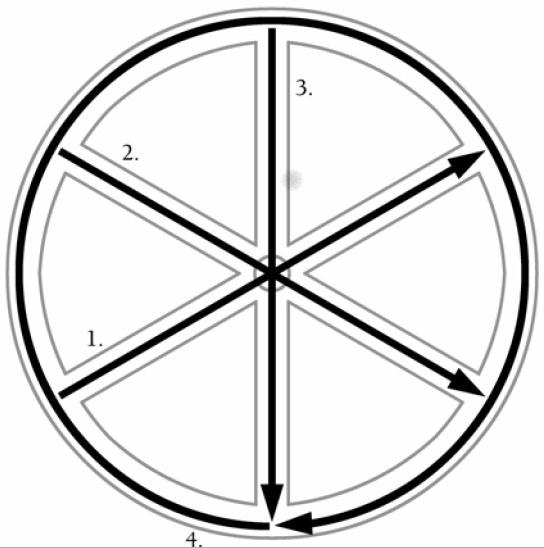
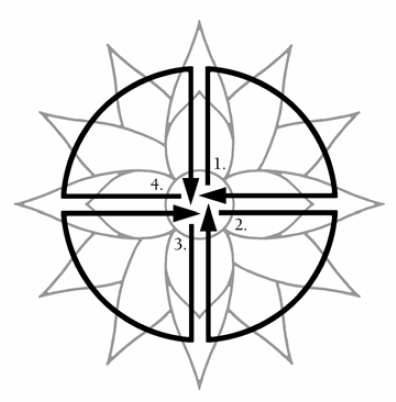
Verse 5. The following verse is arranged in the wheel formation known as cakra-bandhah:
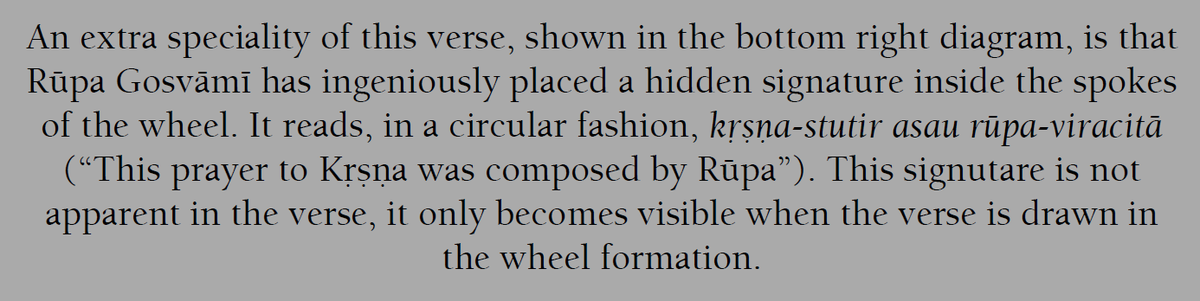
How to read it in a chakra formation is shown in the following pictures (follow the numbers):
cc @yaajushi
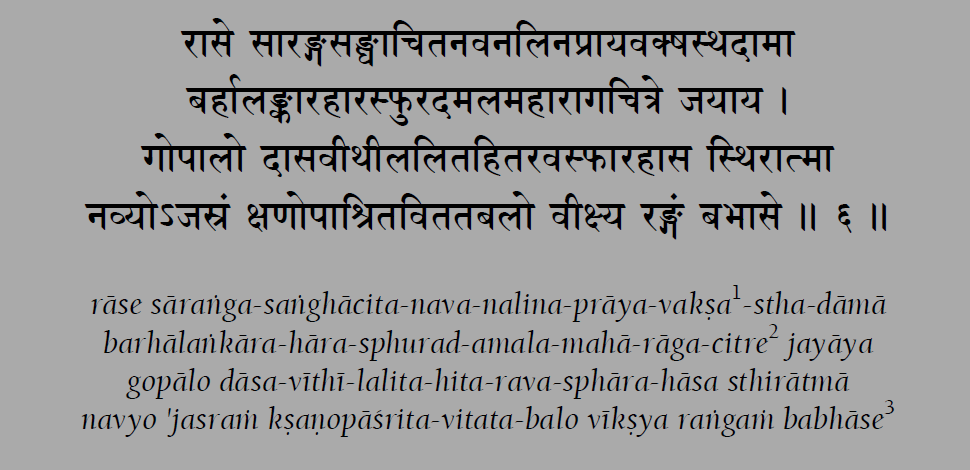
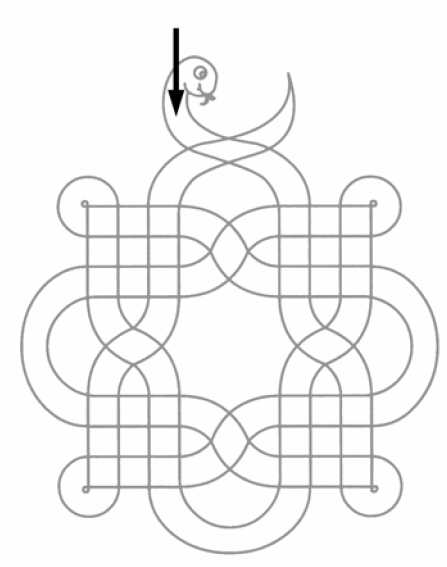
Verse 6. The following verse is arranged in snake formation:
https://t.co/Ga0sZxoxIm
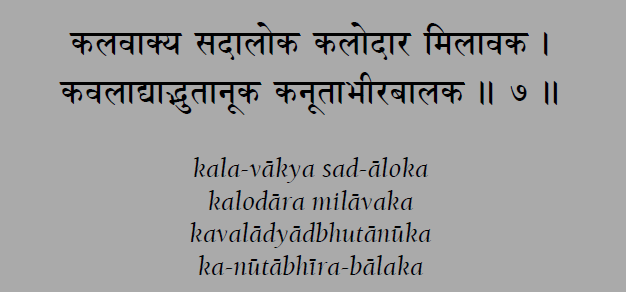
Verse 7. The following verse is arranged in lotus formation:
https://t.co/QTofiwNsLB
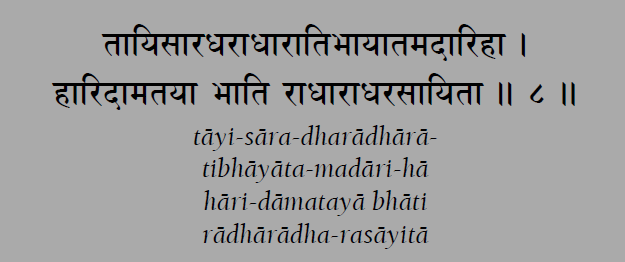
Verse 8. This verse is a palindrome i.e. it reads the same backwards and forwards:
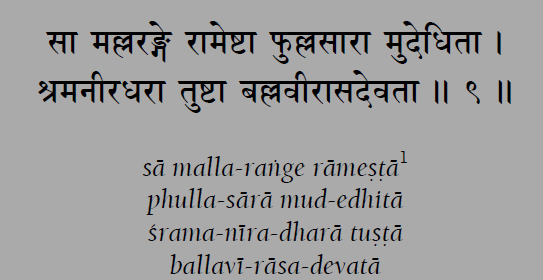
Verse 9. The following verse is arranged in the zigzag formation. It is called as gomutrika-bandhan (cc @GauPrem😉):
https://t.co/YPbD3AgYJW
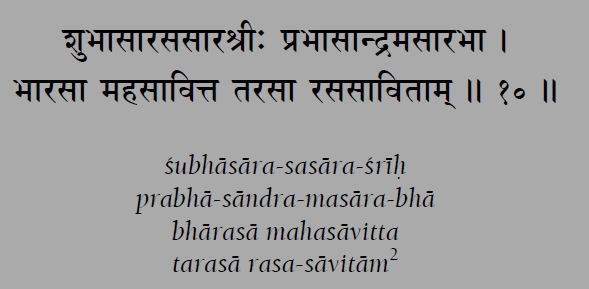
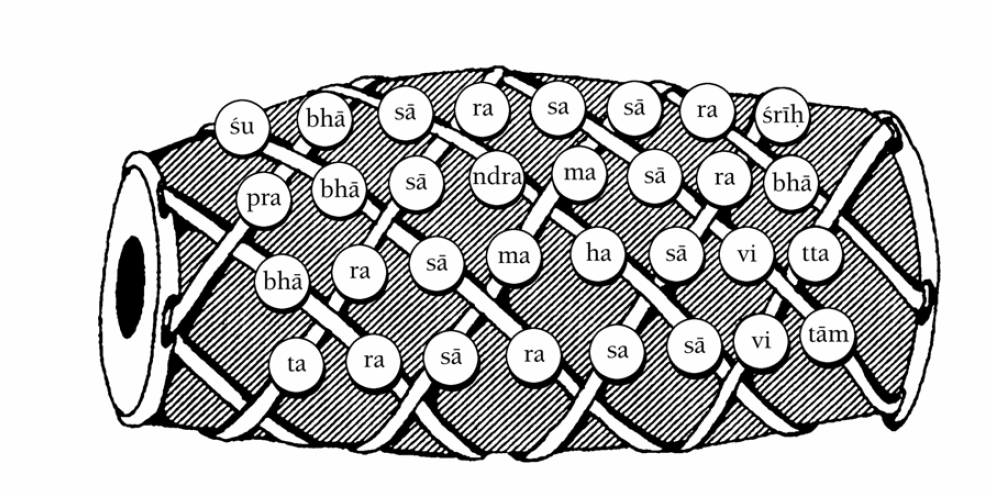
Verse 10. The following verse is arranged in drum formation:
https://t.co/FVTWa5lvUj
https://t.co/819KBzEjxy
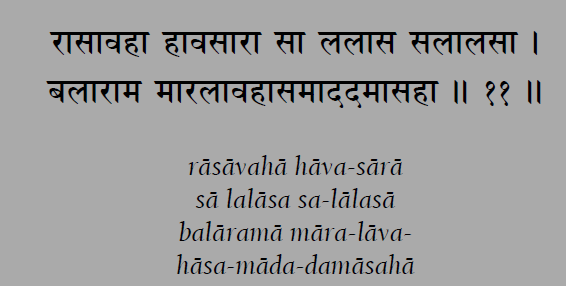
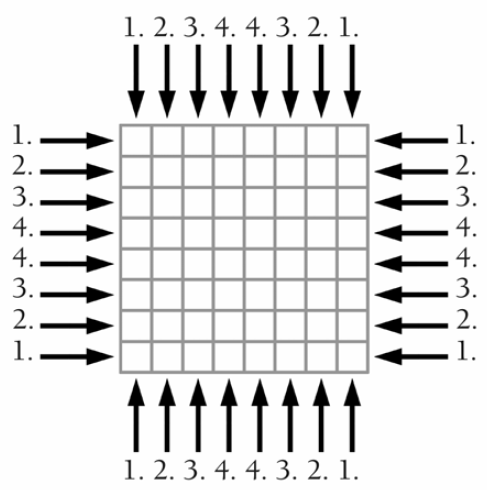
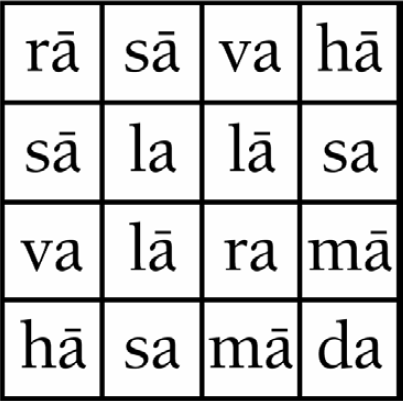
Verse 11. The following verse reads the same backwards and forwards as well as upwards and downwards.
Thus the name sarvato-bhadraha ('good on every side'):
https://t.co/kTjGrVEty9
Another way to draw the same verse:
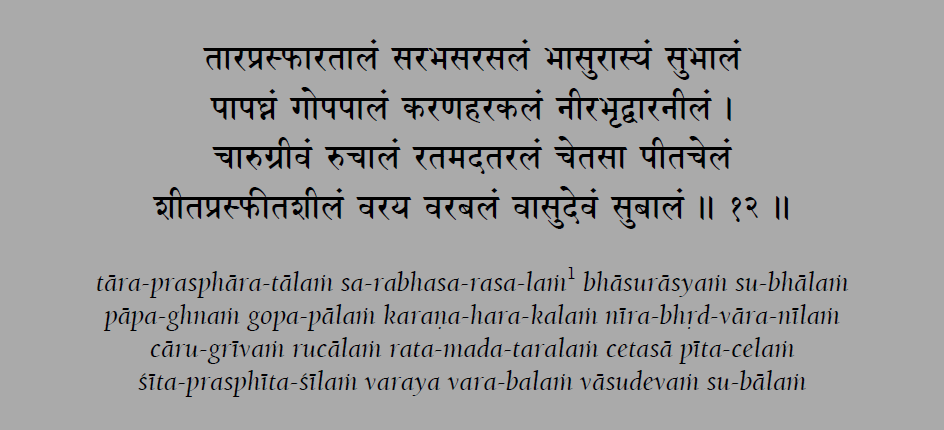
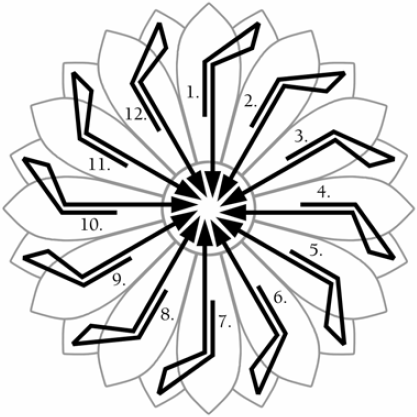
Verse 12. The following verse is arranged in big lotus formation known as brihad-padma-bandha:
follow the numbers and find the lotus formation
Thus ends the Picture verses, or Amazing verses. Thank You very much. All Glories to Srila Rupa Goswami🙏🙏🙏

More from All

You May Also Like

First thread of the year because I have time during MCO. As requested, a thread on the gods and spirits of Malay folk religion. Some are indigenous, some are of Indian origin, some have Islamic


Before I begin, it might be worth explaining the Malay conception of the spirit world. At its deepest level, Malay religious belief is animist. All living beings and even certain objects are said to have a soul. Natural phenomena are either controlled by or personified as spirits

Although these beings had to be respected, not all of them were powerful enough to be considered gods. Offerings would be made to the spirits that had greater influence on human life. Spells and incantations would invoke their


Two known examples of such elemental spirits that had god-like status are Raja Angin (king of the wind) and Mambang Tali Arus (spirit of river currents). There were undoubtedly many more which have been lost to time

Contact with ancient India brought the influence of Hinduism and Buddhism to SEA. What we now call Hinduism similarly developed in India out of native animism and the more formal Vedic tradition. This can be seen in the multitude of sacred animals and location-specific Hindu gods