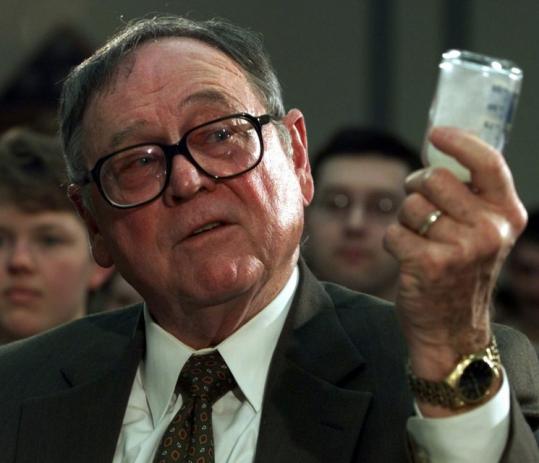
இரண்டாம் உலகப் போரில் ஜெர்மனிக்காக போராடியவர் சர்தார் மோகன் சிங்..!

யுத்தத்திற்குப் பிறகு ஹிட்லர் அவருக்கு வெகுமதி அளிக்க விரும்பினார், அதற்கு சர்தார்ஜி வெகுமதியாக எங்களுக்கு சிறந்த ஆயுதங்களை கொடுங்கள் என்று கேட்டு பெற்றுக்கொண்டார்.

ஏனெனில் சுபாஷ் சந்திர போஸ் போன்ற தேசபக்தருடன்

இந்திய நாடு இருந்தது. அந்த ஆயுதத்தை நேதாஜியின் ஆசாத் ஹிந்த் இராணுவம் பயன்படுத்தியது,

உண்மையிலேயே இந்த சண்டையில், 50 ஆயிரத்திற்கும் மேற்பட்ட ஆங்கில இராணுவத்தினர் ரங்கூனில் கொல்லப்பட்ட பிறகு இந்தியாவை விட்டு வெளியேற பிரிட்டிஷ் முடிவு செய்தது..!

இந்தியா விடுதலை அடைய இதுவே காரணம்
ஆனால் போலிகள் பாராட்டை தன் பக்கம் திருப்பிக் கொண்டனர்..!

ஆசாத் ஹிந்த் இராணுவத்தின் நிறுவனர் சர்தார் மோகன் சிங் ஜி ,சுபாஷ் சந்திர போஸ் போன்ற மாவீரர் பெயர்கள இந்திய வரலாற்றில் இருந்து மறைக்கப்பட்ட வரலாறு நாம் அறிந்ததே..!

வந்தே மாதரம்..!
ஜெய் ஹிந்த்...! 🇮🇳🇮🇳🇮🇳💪

More from All

How can we use language supervision to learn better visual representations for robotics?

Introducing Voltron: Language-Driven Representation Learning for Robotics!

Paper: https://t.co/gIsRPtSjKz
Models: https://t.co/NOB3cpATYG
Evaluation: https://t.co/aOzQu95J8z

🧵👇(1 / 12)


Videos of humans performing everyday tasks (Something-Something-v2, Ego4D) offer a rich and diverse resource for learning representations for robotic manipulation.

Yet, an underused part of these datasets are the rich, natural language annotations accompanying each video. (2/12)

The Voltron framework offers a simple way to use language supervision to shape representation learning, building off of prior work in representations for robotics like MVP (
https://t.co/Pb0mk9hb4i) and R3M (https://t.co/o2Fkc3fP0e).

The secret is *balance* (3/12)

Starting with a masked autoencoder over frames from these video clips, make a choice:

1) Condition on language and improve our ability to reconstruct the scene.

2) Generate language given the visual representation and improve our ability to describe what's happening. (4/12)

By trading off *conditioning* and *generation* we show that we can learn 1) better representations than prior methods, and 2) explicitly shape the balance of low and high-level features captured.

Why is the ability to shape this balance important? (5/12)

You May Also Like

I just finished Eric Adler's The Battle of the Classics, and wanted to say something about Joel Christiansen's review linked below. I am not sure what motivates the review (I speculate a bit below), but it gives a very misleading impression of the book. 1/x


The meat of the criticism is that the history Adler gives is insufficiently critical. Adler describes a few figures who had a great influence on how the modern US university was formed. It's certainly critical: it focuses on the social Darwinism of these figures. 2/x

Other insinuations and suggestions in the review seem wildly off the mark, distorted, or inappropriate-- for example, that the book is clickbaity (it is scholarly) or conservative (hardly) or connected to the events at the Capitol (give me a break). 3/x

The core question: in what sense is classics inherently racist? Classics is old. On Adler's account, it begins in ancient Rome and is revived in the Renaissance. Slavery (Christiansen's primary concern) is also very old. Let's say classics is an education for slaveowners. 4/x

It's worth remembering that literacy itself is elite throughout most of this history. Literacy is, then, also the education of slaveowners. We can honor oral and musical traditions without denying that literacy is, generally, good. 5/x