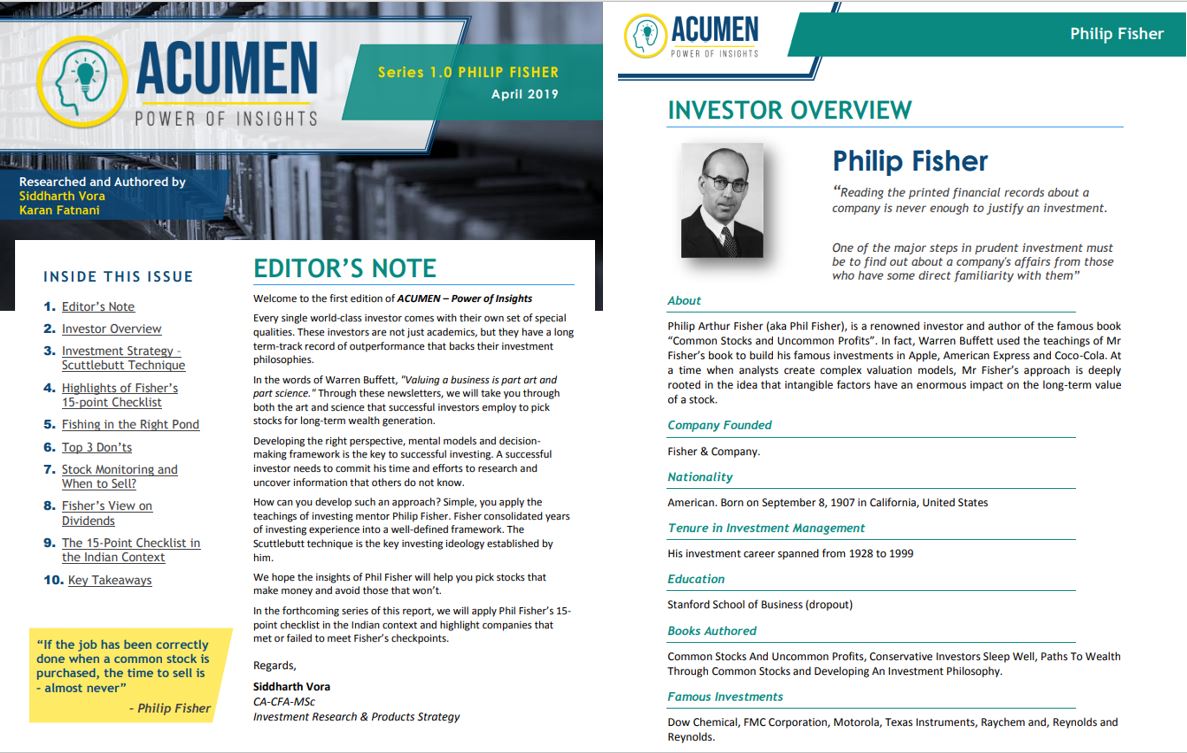
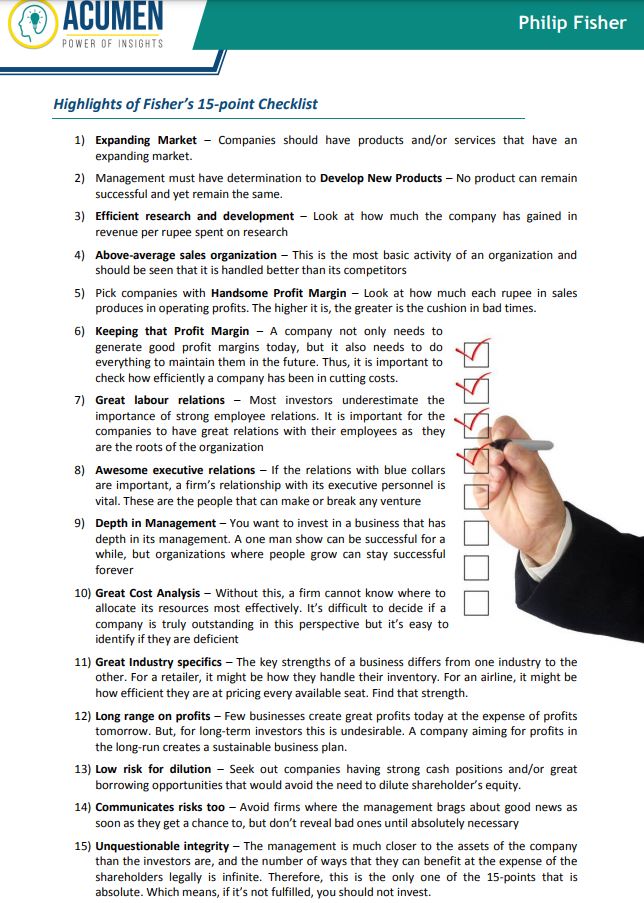
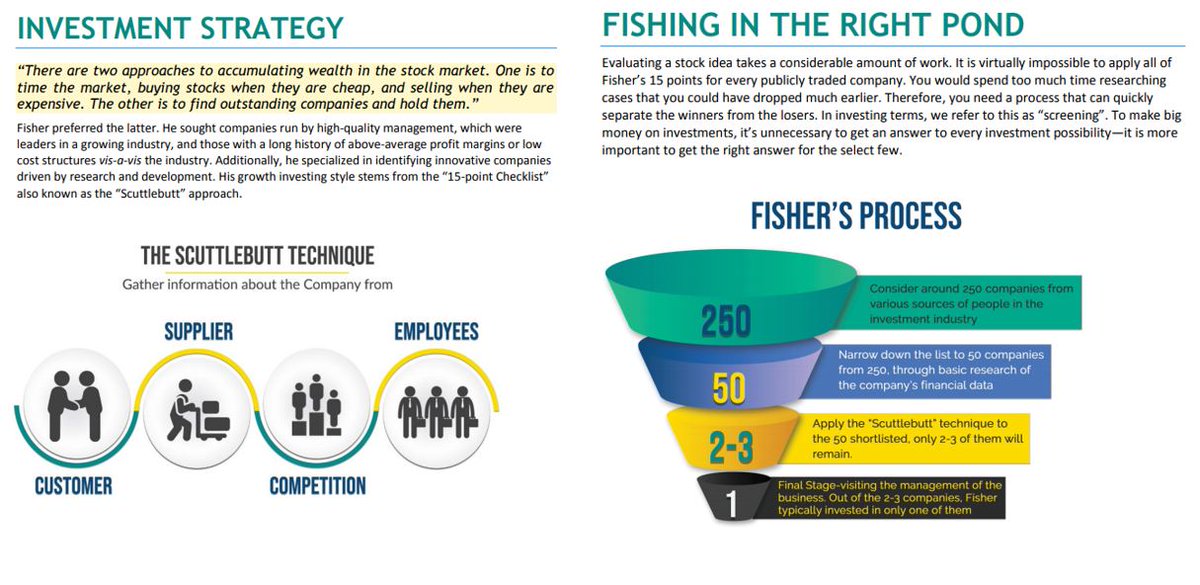
Sharing the latest holdings and some random thoughts.
@FromValue @dhaval_kotecha @SeifelCapital @saxena_puru @BahamaBen9 @richard_chu97 @TMFJMo @7Innovator @investing_city @SagaPartners @adventuresinfi

✔️Ignoring most of the daily Market news and also ignoring the random stock price movements on most days.
Big-Tech💻
Cloud/SaaS☁️
E-Commerce🛒
Ad-Tech🖥️
Fin-Tech💳
Digital Services📲
Medical Devices & Services🩺
Consumer🛍️
Few stable Dividend paying Co's💰
✔️About 20 of these holdings require very little due diligence from me (other than a 15 min quarterly check about Financial results). Ex : $AAPL $AMZN $GOOG $FB $V $MA $V $BRK $ISRG $NKE.
-filtering for the important stuff
-adding your experience/process to make good decisions
-letting Quality & compounding work in your favor over the long-term
-learning from your mistakes and improving your process over time.
-trying to keeping up with the firehose of daily information
-obsessing over the minute details
-trying to impress others with how much you know about a specific company
-or endlessly arguing online about a stock you love/hate.
More from Ram Bhupatiraju
Excellent collection of articles related to Financial Statement Analysis and related topics, on Harvard Business School Online blog. h/t @online_HBS 👏
✔️The Beginner's Guide to Reading & Understanding Financial
How to Read & Understand
✔️Income Statement
https://t.co/sx2QP2kDvx
✔️Balance Sheet
https://t.co/xK5r04EmPT
✔️Cash Flow
✔️GAAP vs. IFRS : What are the Key Differences?
https://t.co/9vqtZVmOys
✔️20 Financial Terms to
✔️How to quickly & effectively read an Annual Report
https://t.co/6vNPoHY3yi
✔️Cash Flow vs Profit : What's the
✔️How to Value a Company : 6 Methods &
✔️The Beginner's Guide to Reading & Understanding Financial
How to Read & Understand
✔️Income Statement
https://t.co/sx2QP2kDvx
✔️Balance Sheet
https://t.co/xK5r04EmPT
✔️Cash Flow
✔️GAAP vs. IFRS : What are the Key Differences?
https://t.co/9vqtZVmOys
✔️20 Financial Terms to
✔️How to quickly & effectively read an Annual Report
https://t.co/6vNPoHY3yi
✔️Cash Flow vs Profit : What's the
✔️How to Value a Company : 6 Methods &
The (investing) world is full of noise📢. Tune that out and find your signal.🗼
Investing websites/blogs that I shared during the @FintwitSummit last weekend. With some minor changes and lot of additional commentary in the thread below. ⬇️⬇️
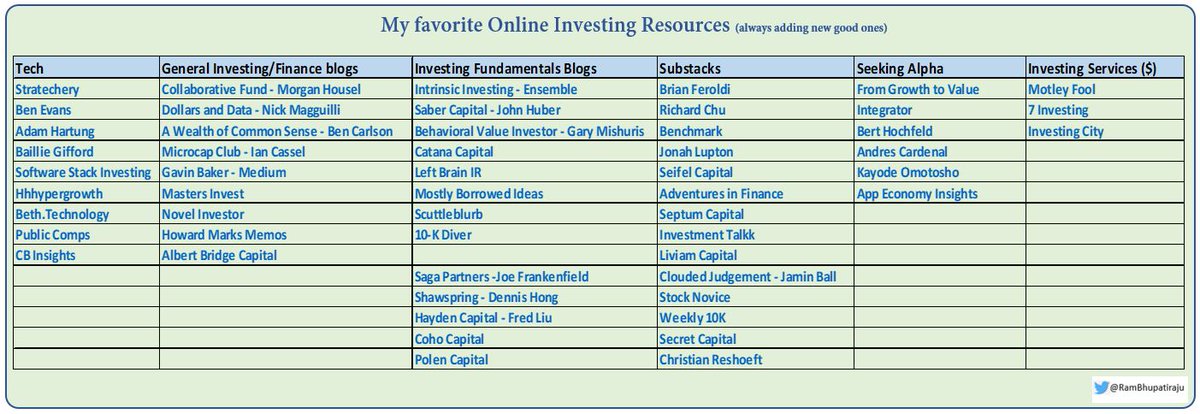
My investing diet 🗒️
✔️Zero Financial TV.
✔️Very little Market & Stock prices commentary/content.
✔️Lot of Company produced presentations/statements.
✔️ Lot of Investing Podcasts (thread some other time).
✔️Lot of below awesome content whenever I find time.
Tech : Have to start with my favorite sector
✅ @stratechery
For deeper understanding of Platforms and Aggregators.
https://t.co/VsNwRStY9C
✅ @benedictevans
Phenomenal essays related to
✅ @adam_hartung
Extremely good if you are into following & investing in strong/durable trends.
https://t.co/IOE1pmkqbi
✅ @BaillieGifford
Mind blowing, if you're into extremely patient and visionary style of
✅ @StackInvesting
Must read if you love the combination of Software + Investing
https://t.co/WQ1yBYzT2m
✅ @hhhypergrowth
Phenomenal writing if you love technical deep dives into SaaS
https://t.co/kcLKITRLz1
✅ @Beth_Kindig
Sharp Tech focused
Investing websites/blogs that I shared during the @FintwitSummit last weekend. With some minor changes and lot of additional commentary in the thread below. ⬇️⬇️
My investing diet 🗒️
✔️Zero Financial TV.
✔️Very little Market & Stock prices commentary/content.
✔️Lot of Company produced presentations/statements.
✔️ Lot of Investing Podcasts (thread some other time).
✔️Lot of below awesome content whenever I find time.
Tech : Have to start with my favorite sector
✅ @stratechery
For deeper understanding of Platforms and Aggregators.
https://t.co/VsNwRStY9C
✅ @benedictevans
Phenomenal essays related to
✅ @adam_hartung
Extremely good if you are into following & investing in strong/durable trends.
https://t.co/IOE1pmkqbi
✅ @BaillieGifford
Mind blowing, if you're into extremely patient and visionary style of
✅ @StackInvesting
Must read if you love the combination of Software + Investing
https://t.co/WQ1yBYzT2m
✅ @hhhypergrowth
Phenomenal writing if you love technical deep dives into SaaS
https://t.co/kcLKITRLz1
✅ @Beth_Kindig
Sharp Tech focused