#ParasuramaJayanti
As per Literary & astronomical records, on this day Shri Parasurama in 6177 BCE finished reclamation from the sea, of coastal Land’s known today & appointed the 4 Varnas as a component of society in Kerala. The Kollam Era was also known as "Parasurama-Sacam".

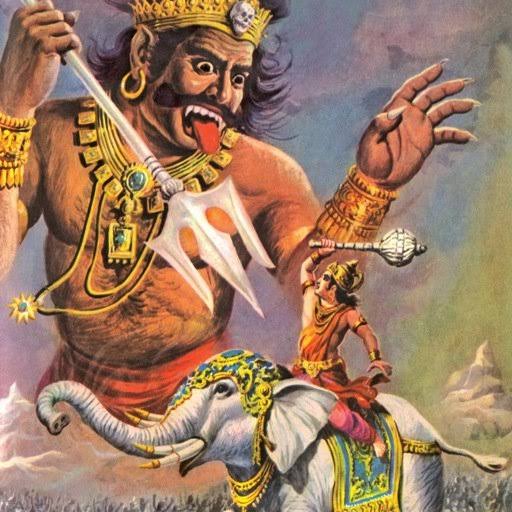
Shri Parasurama was the 6th of Bhagawan Vishnu's Dasavathara. The word Parasu means 'axe' in Sanskrit & therefore the name Parasurama means 'Ram with Axe'. Puranas say that it was Parasurama who planted Brahmins & Nayakas in 64 regions of Kerala from Chera and Pandya regions.
According to the puranas, Kerala is also known as Parasurama Kshetram, i.e., 'The Land of Parasurama', as the land was reclaimed from sea by him.
After destroying the Kshatriya kings, he approached assembly of learned men to find a way of penitence for his sins. @RohiniMithra
He was advised that, to save his soul from damnation, he must donate a fertile and beautiful landmass to the Brahmins. Shri Parasurama once again took up severe austerities and sought the help of Varuna, the God of the Oceans and Bhumidevi, the Goddess of Earth.
Shri Parasurama retrieved the land submerged under the ocean from Varuna - the God of the Oceans and Bhumidevi - Goddess of Earth. From Gokarnam he reached Kanyakumari and threw his axe northward across the ocean Varuna receded to the spot where this weapon lay.
This land, known as Parasurama’s land is present day Kerala. It was 160 katam (an old measure) of land lying between Gokarnam and Kanyakumari.
The speciality of Kerala is that Shri Parasurama was the one who appointed the special Numboothiri class of Brahmins and + @AnuSatheesh5
organized their livelihood, who even to this day carry out vedic rituals as per Shri Parasurama’s instructions exactly same as 8193 years ago, and retain without any change whatever, all their Brahmanical observances even to the present day.
The four castes introduced by Parasu Rama, and subsequently multiplied to seventy-two by Adi Sankaracharyara, as shown in the Kerala Ulppathy. A study of their rituals shall be handy for those who wish to learn and understand ancient vedic rituals.
In Kerala state of now “TRAVANCORE” is the only place in the Hindu world which all the observances of ancient vedic rituals were still flourishing in Travancore during the turn of the century. There're many Brahmin families who still follow the same vedic rituals as prescribed.
After the long period of time when there was lot of social upheavals and wars the actual records were lost and SO the time of dynasty of one of the kings of CHERAMAN PERUMAL was substituted and MALAYALAM ERA re established.
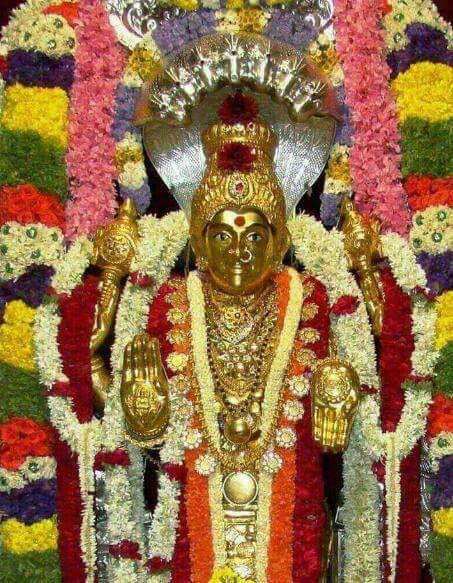
A 2000yr old, Shri Parasurama Kshetram at Tiruvalla situated at the land near the confluence of three rivers (thriveni sangamam).. the Karamana, Killi and Parvathyputhanar.
@ShefVaidya @anuradhagoyal @anuraag_saxena
Distraught at having had to kill his mother on his father’s orders, Parasurama is believed to have prayed fervently to the Bhagawan Shiva who advised him to proceed to the banks of Karamana and offer balitharpan (homage to the departed soul), which he did.
This is how Thiruvallam became hallowed ground for offering balitharpan. Adi Sankara, the great Hindu philosopher of the 8th CE, is also said to have worshipped at the temple and offered balitharpan for his mother. It’s believed that the temple was built by Vilwamangalam Swamy,+
an ardent devotee of Mahavishnu. During the course of his pilgrimage, the Swamy chanced to come to this serene spot where he felt the unmistakable presence of Shri Parasurama, following which, he built the temple and installed him as the deity.
The present temple was built around the 12th-13th centuries by the legendary Chera king Athiyaman Perumal. Main deity of Shri Parasurama faces north facing the shrine of Sree Padmanabha swami in Thiruvananthapuram.
Thiruvallam has a strong link with Sree Padmanabhswami. "Vallam" means “head” and therefore, Thiruvallam is regarded as the head of Padmanabha swami. Likewise, nearby temples Ananthankaadu and Thrippapur are considered as the body and the feet respectively)

Om Namo Narayana 🙏

More from श्रीMurali🇮🇳

ஸ்ரீமன் நாராயணனின் சேர்த்தியே வணங்கிட உன்னதமானது.

#முமுக்ஷுப்படி என்னும் வைணவ வியாக்கியான க்ரந்தங்களில் 'ஆக இச்சேர்த்தி உத்தேச்யமாய் விட்டது' என்ற ஒரு சூர்ணை (குறிப்பு) உள்ளது. இதன் பொருள் தாயாருடன் எம்பெருமானின் சேர்க்கையே உன்னத நோக்கம் நிறைந்தது.
@ramapriya1989 @CVeeraraghavan


இதற்கு விளக்கம் தந்த பூர்வாசிரியர்கள், 'இவர்களை தனித்தனியே பிரித்து விரும்புகை உத்தேச்யமன்று என்றபடி, இருவரையும் பிரித்து விரும்பினால் ராவணன் சூர்ப்பனைகளுக்குப் போலே அநர்த்தமே பலிக்கும் இத்தனை. இருவரையும் பற்றினாலிரே ஸ்ரீ விபீஷணனைப் போலே வாழலாவது'+

- எம்பெருமானையும் தாயாரையும் பிரித்து வழிபடுதலோ விரும்புதலோ உசிதம் அன்று.

சூர்ப்பனகை ராமனையும், இராவணன் சீதையையும் பிரித்து விரும்பியதாலேயே அழிந்து போனார்கள். திவ்ய தம்பதிகள் இருவரையும் சேர்த்து விரும்பிய விபீஷண ஆழ்வானுக்கு நல் வாழ்வு கிடைத்தது.

சில விமர்சகர்கள் மேற்சொன்ன வியாக்கியான விளக்கத்தில் சந்தேகம் எழுப்பினார்கள். சூர்ப்பனகை மற்றும் ராவணனுடைய, தாயாரையும் பெருமானையும் பிரித்து விரும்புகை, அவர்களின் தகாத காம நோக்கத்தால் ஏற்பட்டவை. அதனால் அவர்கள் அழிந்து போனார்கள்.

தாயாரையோ எம்பிரானையோ எவரும் பிரத்யேகமாக எவரோ ஒருவரை மட்டும் விரும்பி வணங்கிடுதல் தவறோ?

தம்மை நாயகியாகக் கற்பித்துக் கொண்டு நாயிகா பாவனையில் எம்பிரானை வாழ்த்திப் பாடிய ஆழ்வார்களை உள்ளடக்கிய பக்திக் கூட்டம் எம்பிரானை மட்டும் நாயகனாக வரித்து வணங்கிடுவதில் தவறென்னவோ?
#BhagavadGita Ch 2 Ver 23

नैनं छिन्दन्ति शस्त्राणि नैनं दहति पावकः |
न चैनं क्लेदयन्त्यापो न शोषयति मारुतः ||

Soul can never be cut into pieces by any weapon, nor can he be burned by fire, nor moistened by water, nor withered by the wind

#Suprabhatam 🙏
Jai Shree Krishna 🙏🌺


Bhagavad Gita, Chapter 6, Verses 26

यतो यतो निश्चरति मनश्चञ्चलमस्थिरम् |
ततस्ततो नियम्यैतदात्मन्येव वशं नयेत् ||

Whenever and wherever the restless and unsteady mind wanders, one should bring it back and continually focus it on God.

Suprabhatam🌺🙏
Jai Shree Krishna 🙏🌺


#BhagavadGita Chapter 2 Verse 48

योगस्थः कुरु कर्माणि संग त्यक्त्वा धनंजय ।
सिद्धयसिद्धयोः समो भूत्वा समत्वं योग उच्यते ॥

Perform your activities, giving up attachment and become equipoised in both success and failure. This is #Yoga.

Suprabhatam 🙏
Jai Shree Krishna 🙏🌺


#BhagavadGita Ch 2.63

क्रोधाद्भवति सम्मोह: सम्मोहात्स्मृतिविभ्रम: |
स्मृतिभ्रंशाद् बुद्धिनाशो बुद्धिनाशात्प्रणश्यति ||
Anger impairs judgment, which leads to loss of memory & thus the intelligence is destroyed; When the intellect is destroyed, one is ruined.

Suprabhatam 🙏🌺


#BhagavadGita Ch 3.5

न हि कश्चित्क्षणमपि जातु तिष्ठत्यकर्मकृत् |
कार्यते ह्यवश: कर्म सर्व: प्रकृतिजैर्गुणै:||

There is no one who can remain w.o action even for a moment. All beings, are compelled to act by three gunaas born of prakriti.

Suprabhatam 🙏
Jai Shree Krishna 🙏🌺
ஸ்ரீ ராம் ஜெயம் 🙏🚩

ஸ்ரீமத் ராமாயணம் 16 வார்த்தைகளில்.

1. பிறந்தார்
2. வளர்ந்தார்
3. கற்றார்
4. பெற்றார்
5. மணந்தார்
6. சிறந்தார்
7. துறந்தார்
8. நெகிழ்ந்தார்
9. இழந்தார்
10. அலைந்தார்
11. அழித்தார்
12. செழித்தார்
13. துறந்தார்
14. துவண்டார்
15. ஆண்டார்
16. மீண்டார


1. பிறந்தார் - ஸ்ரீராமர் கௌசல்யா தேவிக்கு தசரதரின் ஏக்கத்தைப் போக்கும்படியாக பிறந்தது.

2.வளர்ந்தார் - தசரதர் கௌசல்யை சுமித்திரை கைகேயி ஆகியோர் அன்பிலே வளர்ந்தது.

3. கற்றார் - வஷிஷ்டரிடம் சகல வேதங்கள் ஞானங்கள் கலைகள் முறைகள் யாவும் கற்றது.

4.பெற்றார் - வஷிஷ்டரிடம் கற்ற துனுர்வேதத்தைக் கொண்டு விஸ்வாமித்ரர் யாகம் காத்து விஸ்வாமித்ரரை மகிழ்வித்து பல திவ்ய அஸ்திரங்களை பெற்றது.

5.மணந்தார் - ஜனகபுரியில் சிவனாரின் வில்லை உடைத்து ஜனகர்-சுனயனாவின் ஏக்கத்தை தகர்த்து மண்ணின் மகளாம் சீதையை மணந்தது.

6.சிறந்தார் - அயோத்யாவின் மக்கள் மற்றும் கோசல தேசத்தினர் அனைவர் மனதிலும் தன் உயரிய குணங்களால் இடம் பிடித்து சிறந்து விளங்கியது.

7.துறந்தார் - கைகேயியின் சொல்லேற்று தன்னுடையதாக அறிவிக்கப்பட்ட ராஜ்ஜியத்தை துறந்து வனவாழ்வை ஏற்றது.

8. நெகிழ்ந்தார்
🏹அயோத்தியா நகரின் மக்களின் அன்பைக்கண்டு நெகிழ்ந்தது.
🏹குகனார் அன்பில் நெகிழ்ந்தது.
🏹பரத்வாஜர் அன்பில் நெகிழ்ந்தது.
🏹பரதரின் அப்பழுக்கற்ற உள்ளத்தையும் தன் மீது கொண்டிருந்த பாலனைய அன்பினையும் தன்னலமற்ற குணத்தையும் தியாகத்தையும் விசுவாசத்தையும் கண்டு நெகிழ்ந்தது.
#பஞ்சசமஸ்காரம்!

வலது தோளில் சக்கரமும்,
இடது தோளில் சங்கும் தரிப்பது!
இது தாப சம்ஸ்காரம்!! (1)

@vikramb @CVeeraraghavan @SriramKannan77 @vaiju7 @tamilan_ts @shreekanth2020 @rangats @NandiniVenkate3 @vilakkoli @ramapriya1989


நெற்றி, நாபி, மார்பு,
கழுத்து, இரண்டு தோள்கள்,
பிடரி, பின்இடுப்பு
ஆகிய உடலின் பாகங்களில்
கேசவ, நாராயணா,
மாதவ, கோவிந்த,
விஷ்ணு, மதுசூதன,
திரிவிக்கிரம, வாமன,
ஸ்ரீதர, ரிஷிகேச,
பத்மநாப, தாமோதர
திருநாமங்களைத் தியானித்து
திருமண் காப்பு அணிதல்!

இது புண்ட்ர சம்ஸ்காரம்!! (2)

கோத்திரம் சூத்திரம் முதலிய சரீர சம்பந்தமான
சிறப்புகளை விடுத்து அடியேன் எனும் பெயரை ஏற்றல்!

இது நாம சம்ஸ்காரம்!! (3)

நல் மந்திரங்களை உபதேசித்தல்!
இது மந்திர சம்ஸ்காரம்!! (4)

வழிபாட்டு மூர்த்தியை அமைத்து திருவாராதனம் செய்தல்!
இது யாக சம்ஸ்காரம்!! (5)

இது ஐந்தும் பெற்றவரே ஸ்ரீவைணவ நெறிகளுக்கு உரிய அதிகாரி!!

அங்கத்தில் இந்த ஐந்தும் தரித்தவரே ஐய்யங்கார்!!

ஐய்யங்கார் என்பது சாதியன்று!
வைணவத்தின் அடையாளம்!

More from All

You May Also Like