
Rukhsar is one among the uncountable women who were sexually assaulted by the communal mobs. She identifies the culprits who orchestrated the violence in her locality.
Sexual Violence against Muslim women during #DelhiPogrom - A Thread
1. Razia
Razia recalls the sexual violence that she had witnessed. She saw the mob tearing clothes of a girl and then throwing her into fire. Her husband has been mentally unstable since they have been rescued.

Rukhsar is one among the uncountable women who were sexually assaulted by the communal mobs. She identifies the culprits who orchestrated the violence in her locality.
Fatima went back to her home in Shiv Vihar to look for her goats whom she worried would die.
“They pulled my dupatta and tore my shalwar’s sleeve. I was saved by a family that was still living in the area,” Fatima said. “The family said I was with them, the men
“If it weren’t for them, I don’t know if I would be here”.
Rubina, then three months pregnant, was brutally beaten up by not only the communal mob but also by the police. She recalls the communal slurs and slogans of Jai Shree Ram and Ye Le Azadi when a man in police uniform tried to kill her with a stone rendering
5. Shabana, 26
“The mob beat me with lathis… Some kicked me in the stomach. They stopped after a while, destroyed the house, and left,” said a pregnant Shabana when a mob attacked after
Shabnam, while fleeing from her home, was caught by six to seven men who started beating and
molesting her. “They did whatever they could, hit me with what they had, and touched me in
my private parts. They did everything…the only thing they didn’t do was rape me
and tore their clothes. A mother of a one-year-old wept as she narrated how her clothes were
torn to shreds by several men who entered her house.190 Muskan, a 20-year-old Muslim girl
was eight months pregnant, was set upon by a Hindu mob. “They threw me to the ground,
kicked my stomach and my whole body..I pleaded with them not to harm my baby, I said
‘please, please’ over and over, but they kept kicking”, recalls Muskan in a frail voice. In Shiv
Vihar,
jayengen, burqe wali layengen.” At the Chand Bagh protest site, men from the communal
mobs exposed their genitals to the women protestors and shouted “Ye Lo Aazadi” (Take this:
freedom!)
killed”. When the violent mob walked towards a couple of Muslim households, chanting “Jai
Shri Ram” slogans, a woman in the vicinity heard them categorically saying: bring them out and
they will
Another woman narrated how her clothes were torn to shreds by several men who entered her
house forcefully. When these women, who were in such precarious situation, made calls to the
police, there was no timely response from the police. One of these
Police kept on assuring them every time they called up but they never came to help them.
In the testimonies, women have recounted how the mob was carrying acid and using it to attack women in the immediate vicinity. A woman in a video interview spoke about
her, her daughter and her brother in law. She said that she still carries the marks on her face and that her clothes turned to paper as a result. Her daughter and her
More from All




You May Also Like











THREAD: 12 Things Everyone Should Know About IQ
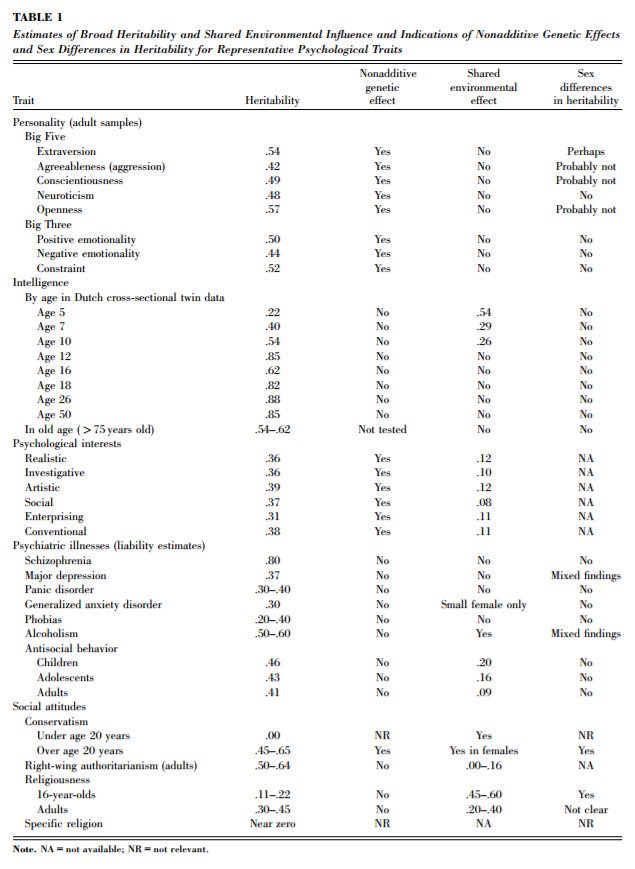
1. IQ is one of the most heritable psychological traits – that is, individual differences in IQ are strongly associated with individual differences in genes (at least in fairly typical modern environments). https://t.co/3XxzW9bxLE
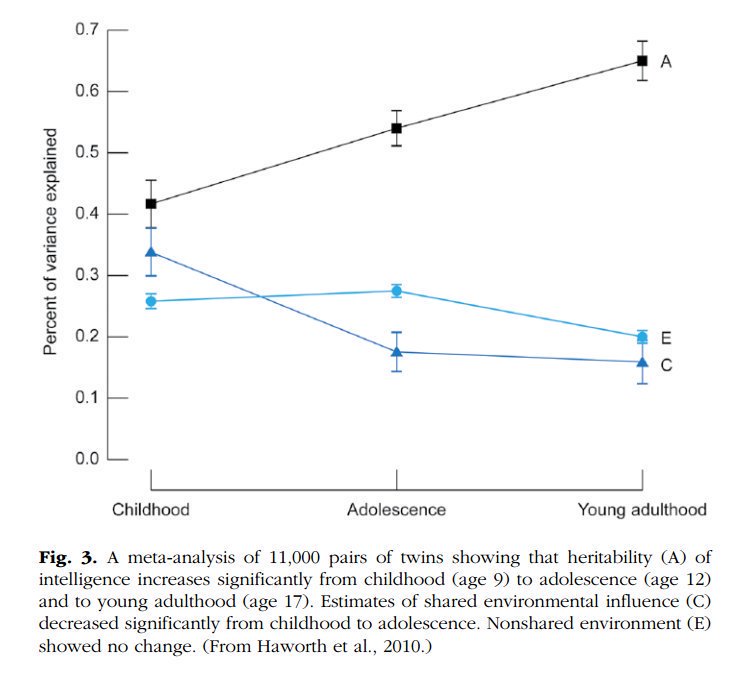
2. The heritability of IQ *increases* from childhood to adulthood. Meanwhile, the effect of the shared environment largely fades away. In other words, when it comes to IQ, nature becomes more important as we get older, nurture less. https://t.co/UqtS1lpw3n
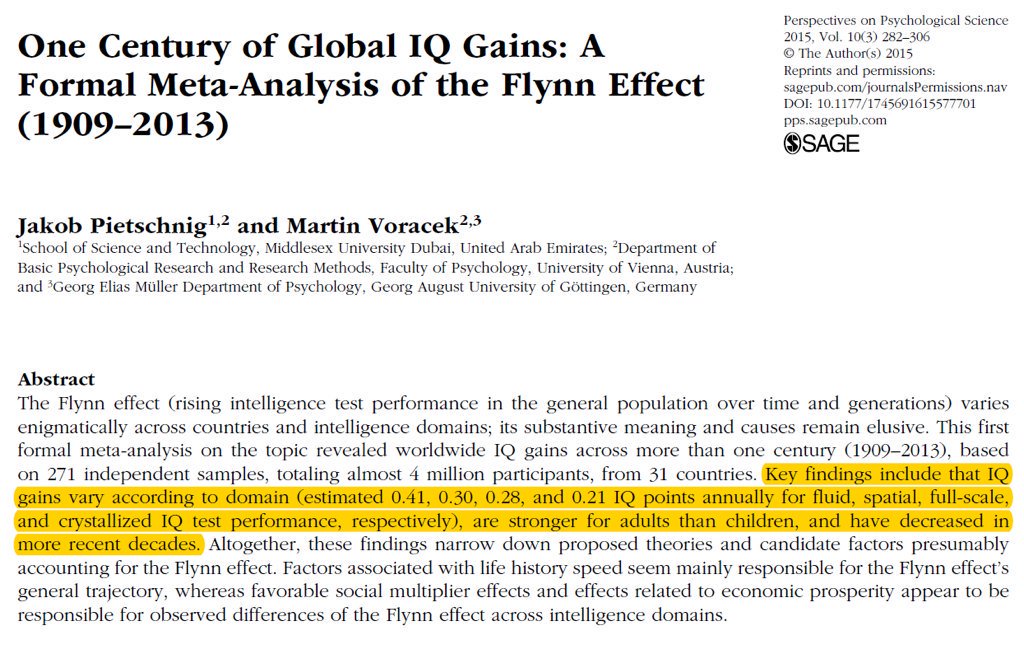
3. IQ scores have been increasing for the last century or so, a phenomenon known as the Flynn effect. https://t.co/sCZvCst3hw (N ≈ 4 million)
(Note that the Flynn effect shows that IQ isn't 100% genetic; it doesn't show that it's 100% environmental.)
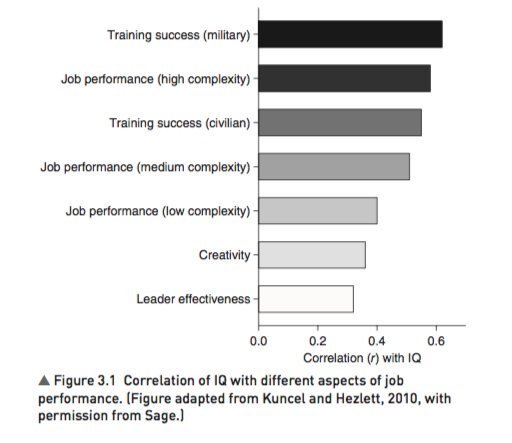
4. IQ predicts many important real world outcomes.
For example, though far from perfect, IQ is the single-best predictor of job performance we have – much better than Emotional Intelligence, the Big Five, Grit, etc. https://t.co/rKUgKDAAVx https://t.co/DWbVI8QSU3
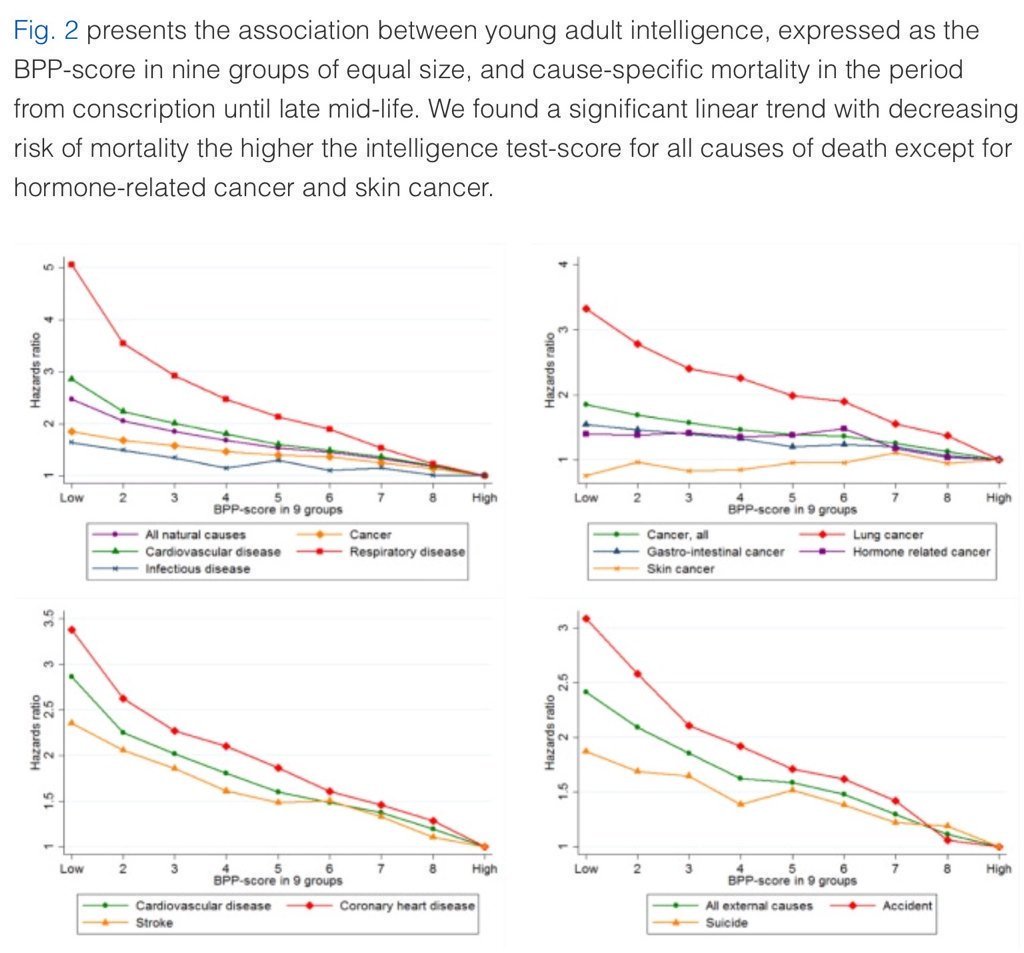
5. Higher IQ is associated with a lower risk of death from most causes, including cardiovascular disease, respiratory disease, most forms of cancer, homicide, suicide, and accident. https://t.co/PJjGNyeQRA (N = 728,160)
1. IQ is one of the most heritable psychological traits – that is, individual differences in IQ are strongly associated with individual differences in genes (at least in fairly typical modern environments). https://t.co/3XxzW9bxLE
2. The heritability of IQ *increases* from childhood to adulthood. Meanwhile, the effect of the shared environment largely fades away. In other words, when it comes to IQ, nature becomes more important as we get older, nurture less. https://t.co/UqtS1lpw3n
3. IQ scores have been increasing for the last century or so, a phenomenon known as the Flynn effect. https://t.co/sCZvCst3hw (N ≈ 4 million)
(Note that the Flynn effect shows that IQ isn't 100% genetic; it doesn't show that it's 100% environmental.)
4. IQ predicts many important real world outcomes.
For example, though far from perfect, IQ is the single-best predictor of job performance we have – much better than Emotional Intelligence, the Big Five, Grit, etc. https://t.co/rKUgKDAAVx https://t.co/DWbVI8QSU3
5. Higher IQ is associated with a lower risk of death from most causes, including cardiovascular disease, respiratory disease, most forms of cancer, homicide, suicide, and accident. https://t.co/PJjGNyeQRA (N = 728,160)