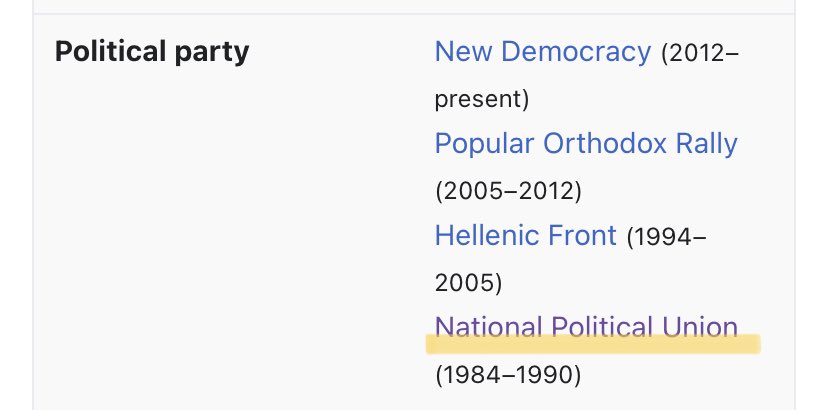
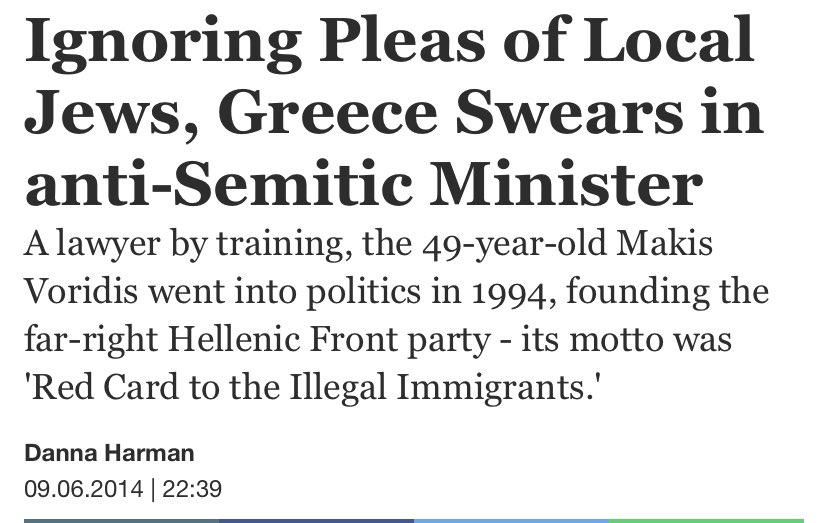
Greece's new minister of interior, former far-right activist Makis Voridis. Not "allegedly" and without a hint of exaggeration.
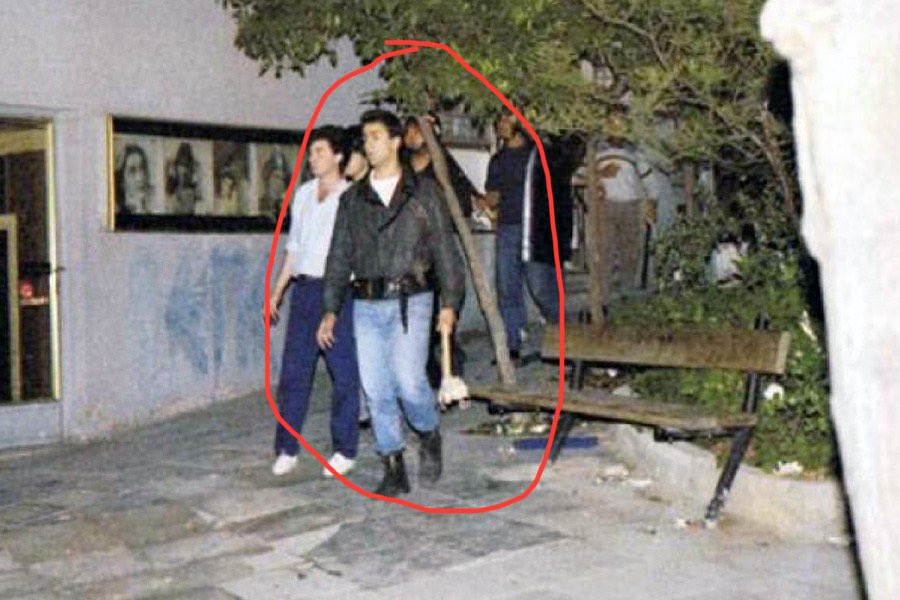
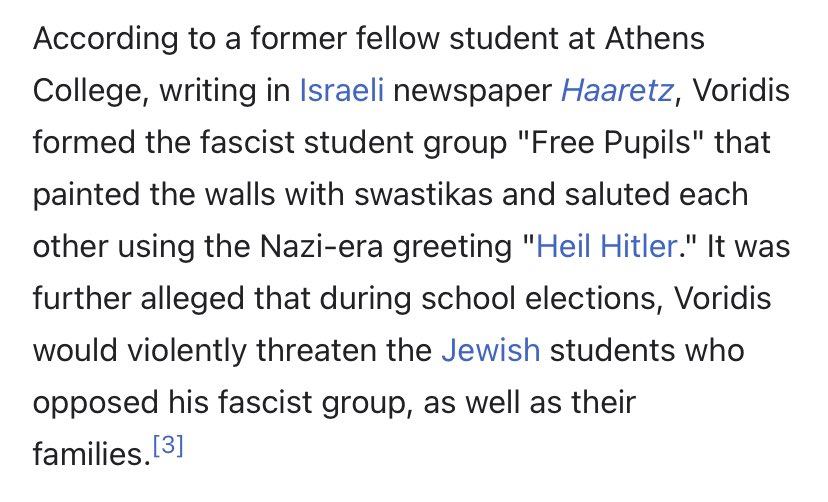
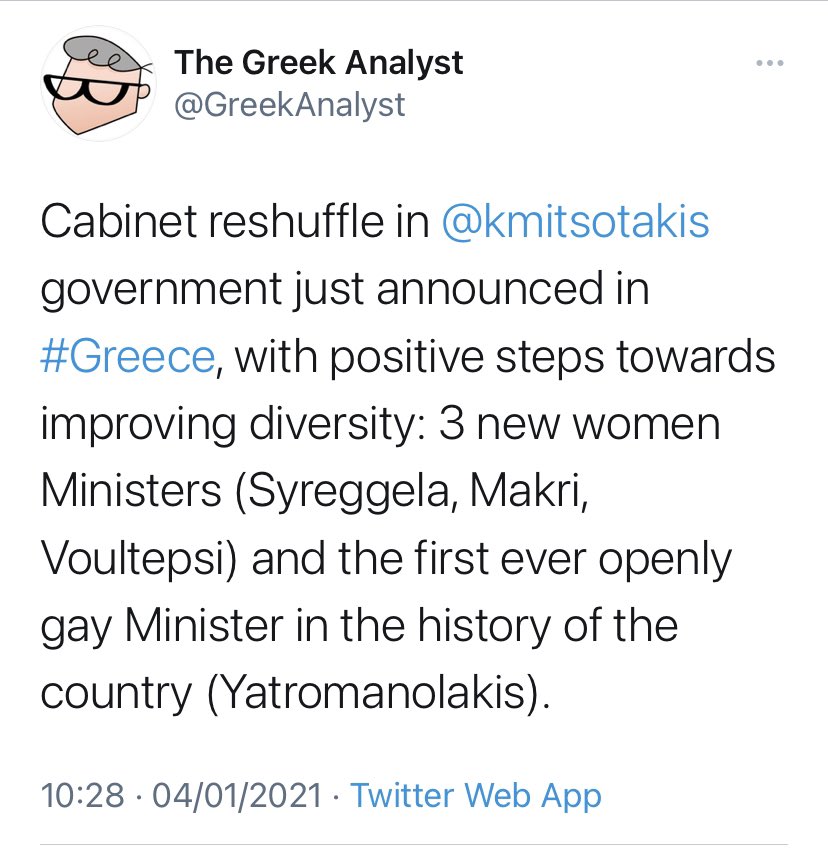
So, the new Deputy Minister of Migration, tasked with integration, is someone who once made the distinction between roma and people, and has claimed that the BBC is owned by arms dealers.https://t.co/4Jibba2nhQ
— Yannis-Orestis Papadimitriou (@iopapadimitriou) January 4, 2021
More from World


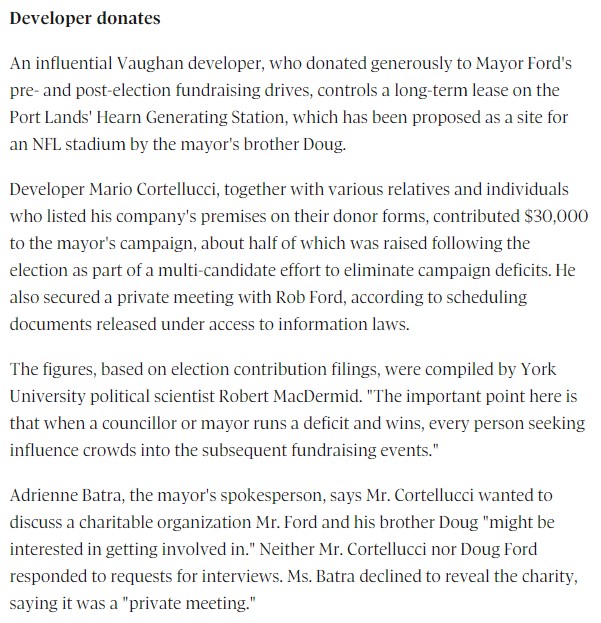
fascinated by this man, mario cortellucci, and his outsized influence on ontario and GTA politics. cortellucci, who lives in vaughan and ran as a far-right candidate for the italian senate back in 2018 - is a major ford donor...
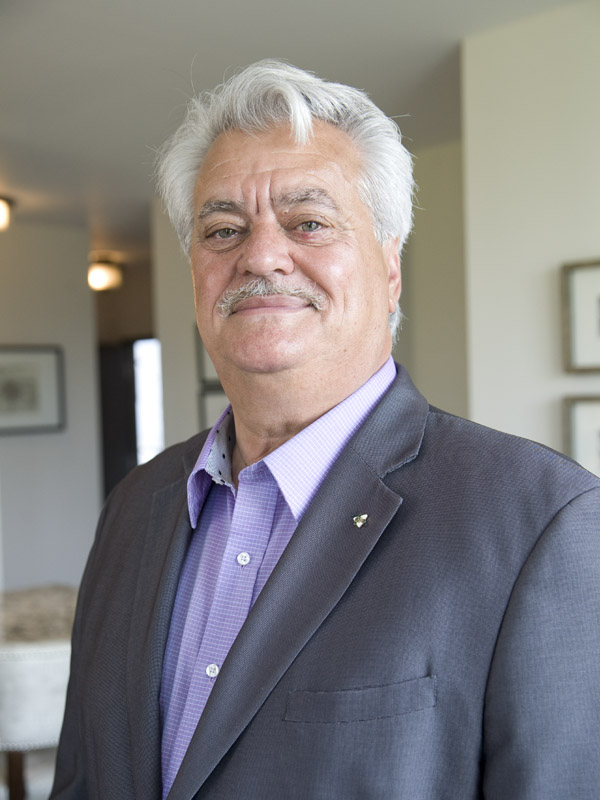
his name might sound familiar because the new cortellucci vaughan hospital at mackenzie health, the one doug ford has been touting lately as a covid-centric facility, is named after him and his family
but his name also pops up in a LOT of other ford projects. for instance - he controls the long term lease on big parts of toronto's portlands... where doug ford once proposed building an nfl stadium and monorail... https://t.co/weOMJ51bVF
cortellucci, who is a developer, also owns a large chunk of the greenbelt. doug ford's desire to develop the greenbelt has been
and late last year he rolled back the mandate of conservation authorities there, prompting the resignations of several members of the greenbelt advisory
his name might sound familiar because the new cortellucci vaughan hospital at mackenzie health, the one doug ford has been touting lately as a covid-centric facility, is named after him and his family
but his name also pops up in a LOT of other ford projects. for instance - he controls the long term lease on big parts of toronto's portlands... where doug ford once proposed building an nfl stadium and monorail... https://t.co/weOMJ51bVF
cortellucci, who is a developer, also owns a large chunk of the greenbelt. doug ford's desire to develop the greenbelt has been
and late last year he rolled back the mandate of conservation authorities there, prompting the resignations of several members of the greenbelt advisory


With historical Data and explanations, I will want to DISAGREE with what you said here ma'am Or at Least Reframe what you said because what you said can be used to refer to a lot of scenarios.
Who are the "Citizens of Nigeria" you claim are not ready because they are...
(/1)
Not demanding good governance?.
If by this you mean the Vast majority of Nigerians that are in the lower class should demand for good governance, then I hope you know this can never be effective.
Why?
It is virtually impossible for the lower class citizens to gather and...
Demand for good governance. What do they know that they want to demand? The few among them that are "enlightened" will have their voices drown out by the many that are not. I hope you know that there will always be the ignorant, evil men (hired assassin, political thugs) and also
Good men, the proportion of good men to the ignorants and evil men in this social class is low. Therefore l, gathering to something meaningful will be low.
How will they even gather? Through elections? I also hope you know that the wicked political leaders will not just fold...
Their arms and not defend their rulership from being overthrown. They will surely sow misinformation, spread lies aimed at misleading the masses. This particular social class, that are also numerous will be easy to swallow such lies and cajoled. Buhari was sold to us as a...
Who are the "Citizens of Nigeria" you claim are not ready because they are...
(/1)
I will repeat it yet again.
— Oby Ezekwesili (@obyezeks) February 18, 2021
Citizens of Nigeria are not yet ready for Good Governance.
They absolutely enjoy and believe they deserve to be poorly governed.
The Politicians know this and dish Bad Governance in large doses to them.
When citizens are ready, it will end.\u270d\U0001f3fe
Not demanding good governance?.
If by this you mean the Vast majority of Nigerians that are in the lower class should demand for good governance, then I hope you know this can never be effective.
Why?
It is virtually impossible for the lower class citizens to gather and...
Demand for good governance. What do they know that they want to demand? The few among them that are "enlightened" will have their voices drown out by the many that are not. I hope you know that there will always be the ignorant, evil men (hired assassin, political thugs) and also
Good men, the proportion of good men to the ignorants and evil men in this social class is low. Therefore l, gathering to something meaningful will be low.
How will they even gather? Through elections? I also hope you know that the wicked political leaders will not just fold...
Their arms and not defend their rulership from being overthrown. They will surely sow misinformation, spread lies aimed at misleading the masses. This particular social class, that are also numerous will be easy to swallow such lies and cajoled. Buhari was sold to us as a...

You May Also Like

✨📱 iOS 12.1 📱✨
🗓 Release date: October 30, 2018
📝 New Emojis: 158
https://t.co/bx8XjhiCiB
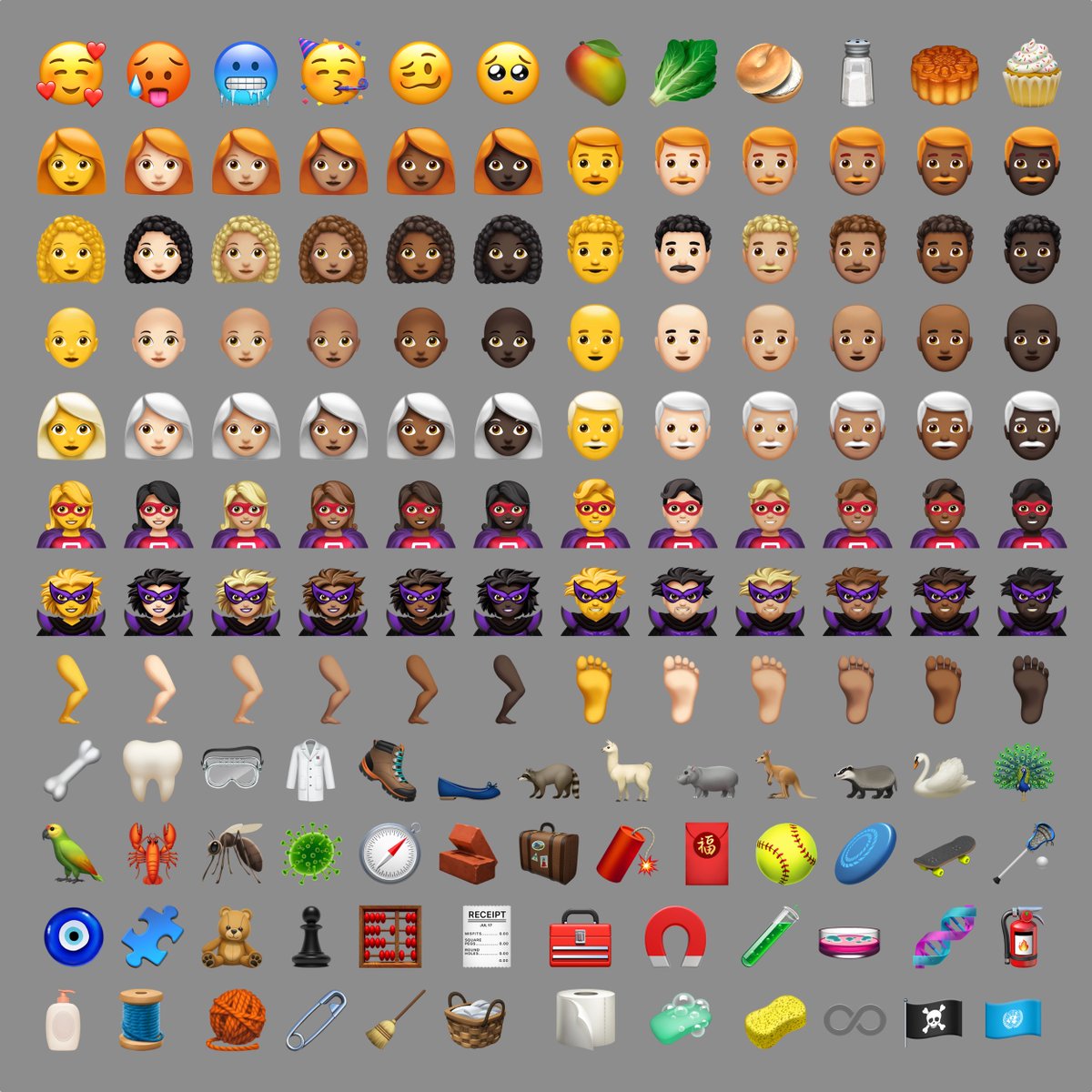
New in iOS 12.1: 🥰 Smiling Face With 3 Hearts https://t.co/6eajdvueip

New in iOS 12.1: 🥵 Hot Face https://t.co/jhTv1elltB

New in iOS 12.1: 🥶 Cold Face https://t.co/EIjyl6yZrF

New in iOS 12.1: 🥳 Partying Face https://t.co/p8FDNEQ3LJ

🗓 Release date: October 30, 2018
📝 New Emojis: 158
https://t.co/bx8XjhiCiB
New in iOS 12.1: 🥰 Smiling Face With 3 Hearts https://t.co/6eajdvueip
New in iOS 12.1: 🥵 Hot Face https://t.co/jhTv1elltB
New in iOS 12.1: 🥶 Cold Face https://t.co/EIjyl6yZrF
New in iOS 12.1: 🥳 Partying Face https://t.co/p8FDNEQ3LJ