
1. I have extensive stock watchlists based on tickers I have either played in the past or have been watching with the intent of playing in the future. Especially with options, it is hard to jump into a stock not knowing how it acts.
📚Thread: How I Make Watchlists📝
There are countless ways to make watchlists. Each trader looks for particular things in a setup that fits their style. There is no science here. My goal is to share a simplistic strategy on how to become SELF-SUFFICIENT with watchlists. 🤝
1. I have extensive stock watchlists based on tickers I have either played in the past or have been watching with the intent of playing in the future. Especially with options, it is hard to jump into a stock not knowing how it acts.
Start with sector watchlists. In addition, have one "general" watchlist with assortments of familiar & trending stocks
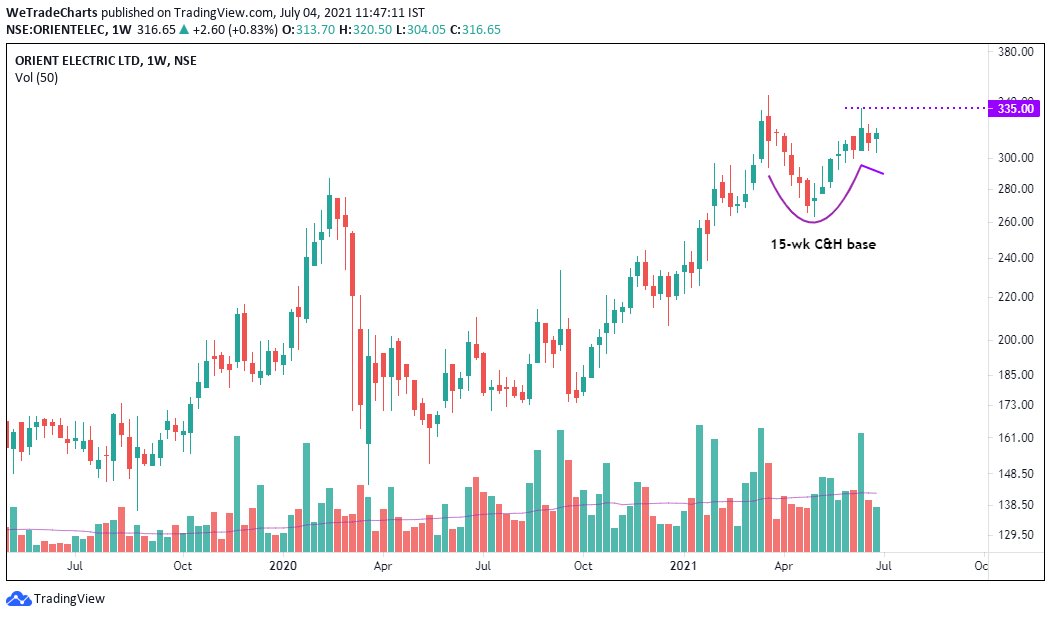
I look for charts with significant breakout or breakdown potential. If it is easy to identify both
Knowing when to enter and exit trades independently is the key to being self-sufficient. I try to keep it very simple when it comes to entries and exits.
Wait for confirmation over your trigger level - I use 5min candle. If you enter after confirmation and it falls back below resistance, cut and reassess. Wait for the break, do not try to call the break.
More from Watchlist


Everyone knows Apple, Amazon, Microsoft...
But how do you find the next $AFRM, $PLTR, or $USPT early?
Here are 9 GREAT resources for finding stock ideas (8 of them are FREE):
1: ETFs
Look through the holdings of high-growth ETFs
Google the ETF symbol and “holdings”
These are worth cracking open:
▪️ $ARKF / $ARKG / $ARKK / $ARKW
▪️ $FFTY
▪️ $HACK
▪️ $IZRL
▪️ $TMFC
2: Fund Managers
Type a fund you respect into @Whalewisdom
You can see all their holding and get emails of any changes
These funds are worth tracking:
▪️AKre Capital
▪️AKO Capital
▪️Dorsey Asset
▪️Fundsmith
▪️Polen Capital
More
3: Newly Public Companies
▪️Direct Listings
▪️IPOs
▪️SPACs
Are a great idea source
Helpful resources:
▪️ https://t.co/jJW01WpJQh
▪️
4. Screeners
@Finviz is great for screening by sector/industry
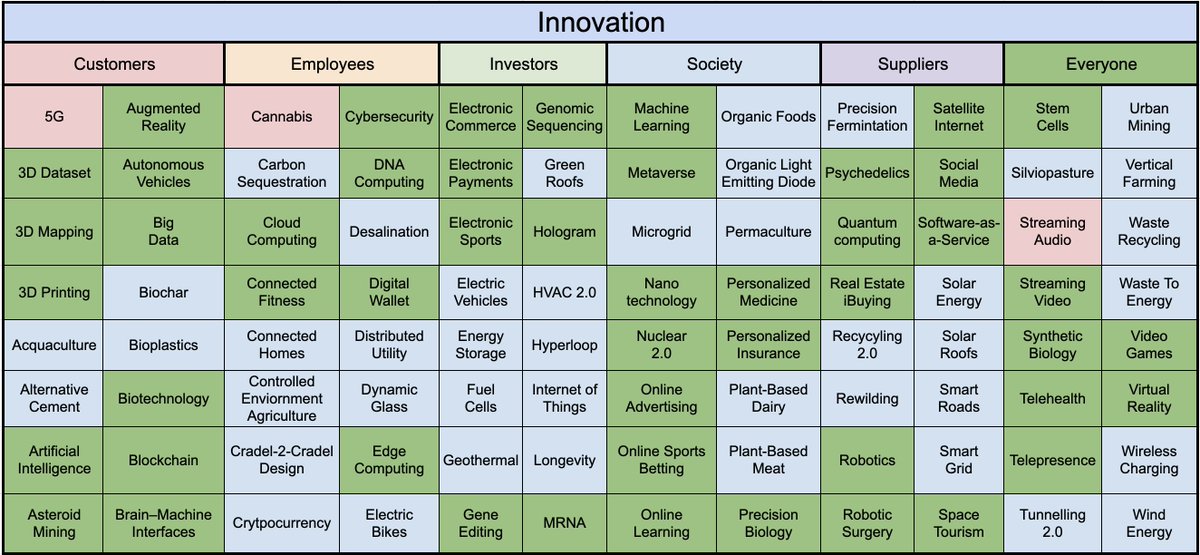
@Stockcard is great for screening by themes (like the mega-trends listed below)
But how do you find the next $AFRM, $PLTR, or $USPT early?
Here are 9 GREAT resources for finding stock ideas (8 of them are FREE):
1: ETFs
Look through the holdings of high-growth ETFs
Google the ETF symbol and “holdings”
These are worth cracking open:
▪️ $ARKF / $ARKG / $ARKK / $ARKW
▪️ $FFTY
▪️ $HACK
▪️ $IZRL
▪️ $TMFC
2: Fund Managers
Type a fund you respect into @Whalewisdom
You can see all their holding and get emails of any changes
These funds are worth tracking:
▪️AKre Capital
▪️AKO Capital
▪️Dorsey Asset
▪️Fundsmith
▪️Polen Capital
More
Here are some of the big investors that track:
— Brian Feroldi (@BrianFeroldi) February 17, 2021
Altarock Partners
AKO Capital
Appaloosa
Akre Capital
Broad Run
Dorsey Asset
Duquense
Ensemble
Fundsmith
Polen Capital
Third Point
Here are their current top 10 holdings (in order) and links to their latest buys/sells \u2b07\ufe0f
3: Newly Public Companies
▪️Direct Listings
▪️IPOs
▪️SPACs
Are a great idea source
Helpful resources:
▪️ https://t.co/jJW01WpJQh
▪️
4. Screeners
@Finviz is great for screening by sector/industry
@Stockcard is great for screening by themes (like the mega-trends listed below)


You May Also Like






To people who are under the impression that you can get rich quickly by working on an app, here are the stats for https://t.co/az8F12pf02
📈 ~12000 vistis
☑️ 109 transactions
💰 353€ profit (285 after tax)
I have spent 1.5 months on this app. You can make more $ in 2 days.
🤷♂️

I'm still happy that I launched a paid app bcs it involved extra work:
- backend for processing payments (+ permissions, webhooks, etc)
- integration with payment processor
- UI for license activation in Electron
- machine activation limit
- autoupdates
- mailgun emails
etc.
These things seemed super scary at first. I always thought it was way too much work and something would break. But I'm glad I persisted. So far the only problem I have is that mailgun is not delivering the license keys to certain domains like https://t.co/6Bqn0FUYXo etc. 👌
omg I just realized that me . com is an Apple domain, of course something wouldn't work with these dicks
📈 ~12000 vistis
☑️ 109 transactions
💰 353€ profit (285 after tax)
I have spent 1.5 months on this app. You can make more $ in 2 days.
🤷♂️
I'm still happy that I launched a paid app bcs it involved extra work:
- backend for processing payments (+ permissions, webhooks, etc)
- integration with payment processor
- UI for license activation in Electron
- machine activation limit
- autoupdates
- mailgun emails
etc.
These things seemed super scary at first. I always thought it was way too much work and something would break. But I'm glad I persisted. So far the only problem I have is that mailgun is not delivering the license keys to certain domains like https://t.co/6Bqn0FUYXo etc. 👌
omg I just realized that me . com is an Apple domain, of course something wouldn't work with these dicks



Tip from the Monkey
Pangolins, September 2019 and PLA are the key to this mystery
Stay Tuned!

1. Yang
2. A jacobin capuchin dangling a flagellin pangolin on a javelin while playing a mandolin and strangling a mannequin on a paladin's palanquin, said Saladin
More to come tomorrow!

3. Yigang Tong
https://t.co/CYtqYorhzH
Archived: https://t.co/ncz5ruwE2W
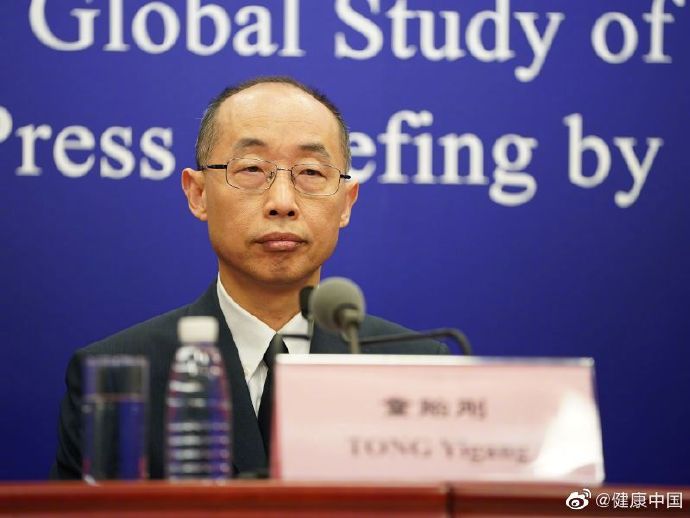
4. YT Interview
Some bats & pangolins carry viruses related with SARS-CoV-2, found in SE Asia and in Yunnan, & the pangolins carrying SARS-CoV-2 related viruses were smuggled from SE Asia, so there is a possibility that SARS-CoV-2 were coming from
Pangolins, September 2019 and PLA are the key to this mystery
Stay Tuned!
1. Yang
Meet Yang Ruifu, CCP's biological weapons expert https://t.co/JjB9TLEO95 via @Gnews202064
— Billy Bostickson \U0001f3f4\U0001f441&\U0001f441 \U0001f193 (@BillyBostickson) October 11, 2020
Interesting expose of China's top bioweapons expert who oversaw fake pangolin research
Paper 1: https://t.co/TrXESKLYmJ
Paper 2:https://t.co/9LSJTNCn3l
Pangolinhttps://t.co/2FUAzWyOcv pic.twitter.com/I2QMXgnkBJ
2. A jacobin capuchin dangling a flagellin pangolin on a javelin while playing a mandolin and strangling a mannequin on a paladin's palanquin, said Saladin
More to come tomorrow!
3. Yigang Tong
https://t.co/CYtqYorhzH
Archived: https://t.co/ncz5ruwE2W
4. YT Interview
Some bats & pangolins carry viruses related with SARS-CoV-2, found in SE Asia and in Yunnan, & the pangolins carrying SARS-CoV-2 related viruses were smuggled from SE Asia, so there is a possibility that SARS-CoV-2 were coming from