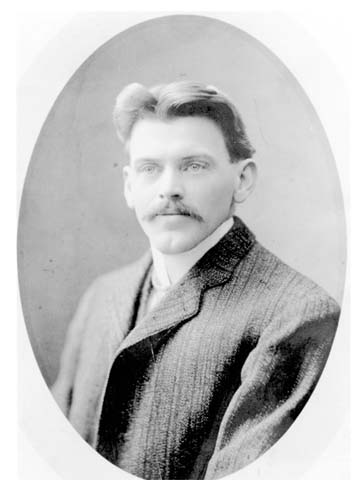
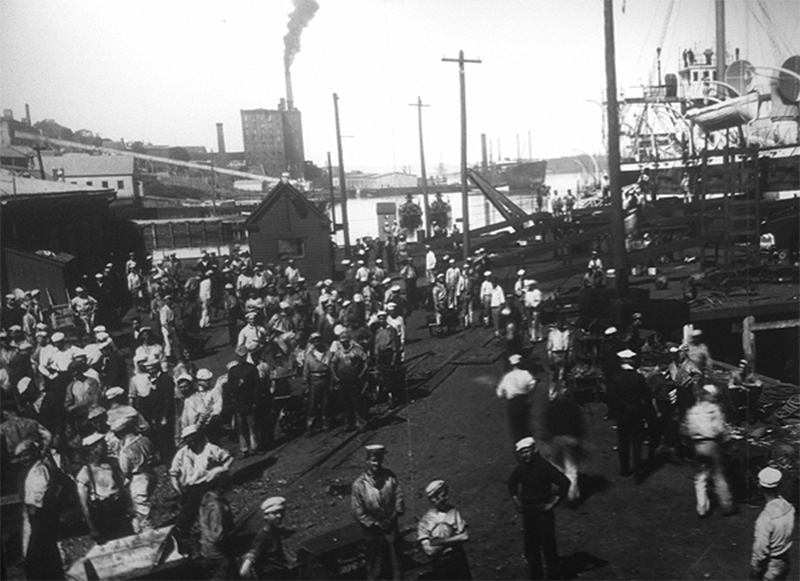
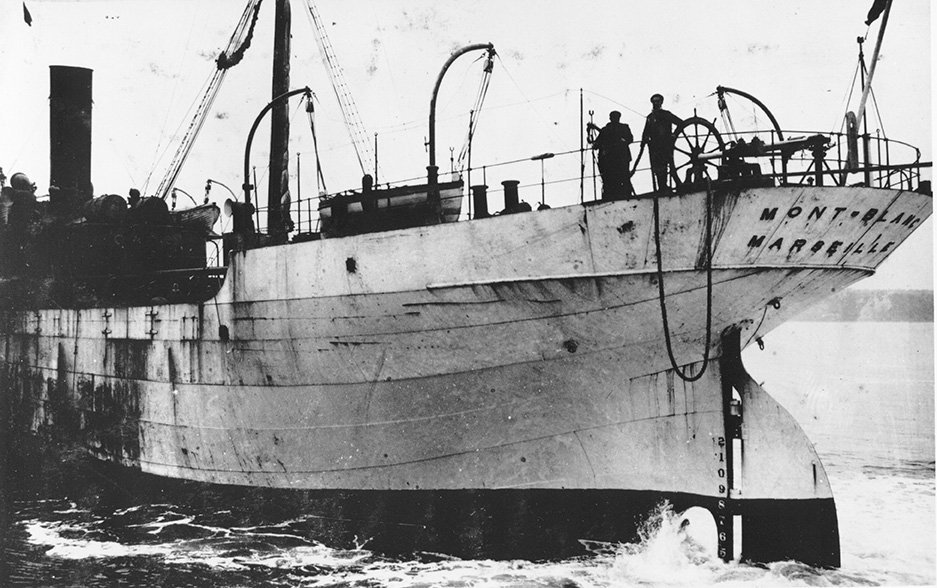
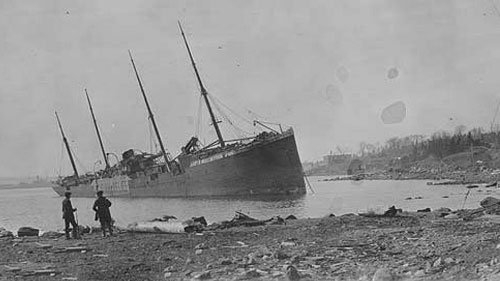
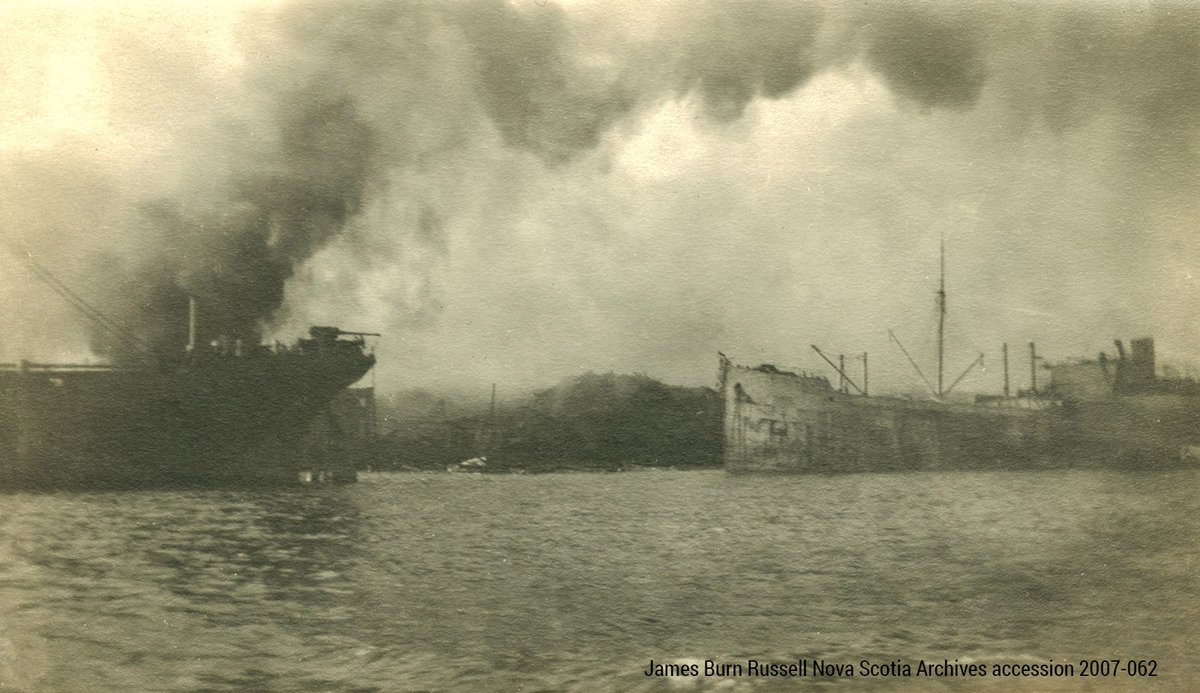
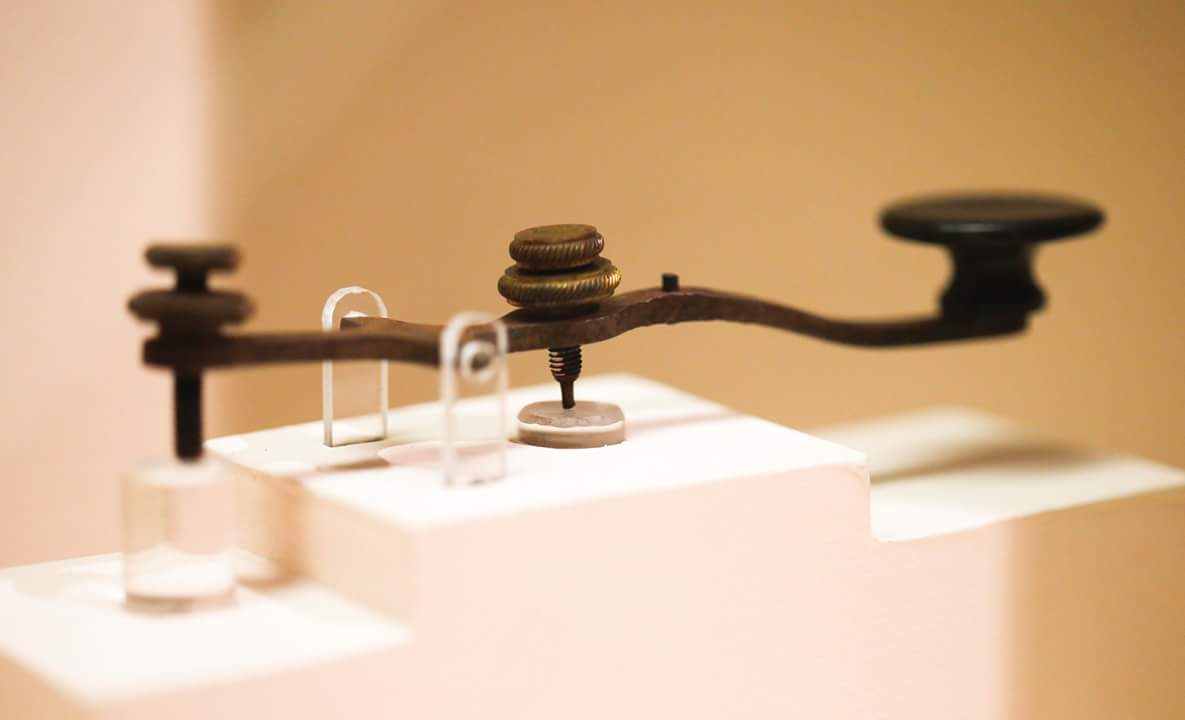
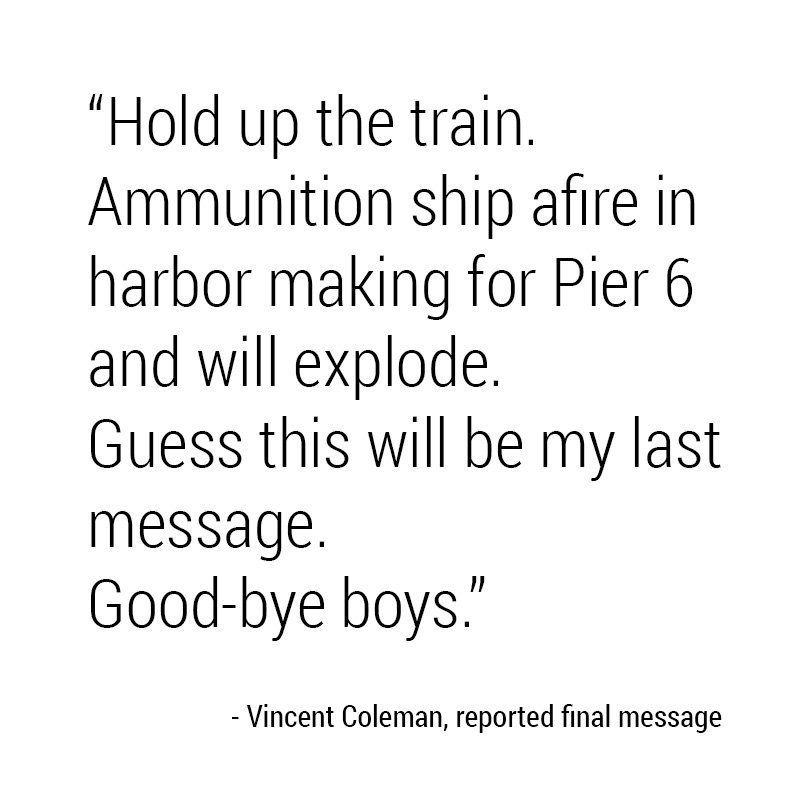
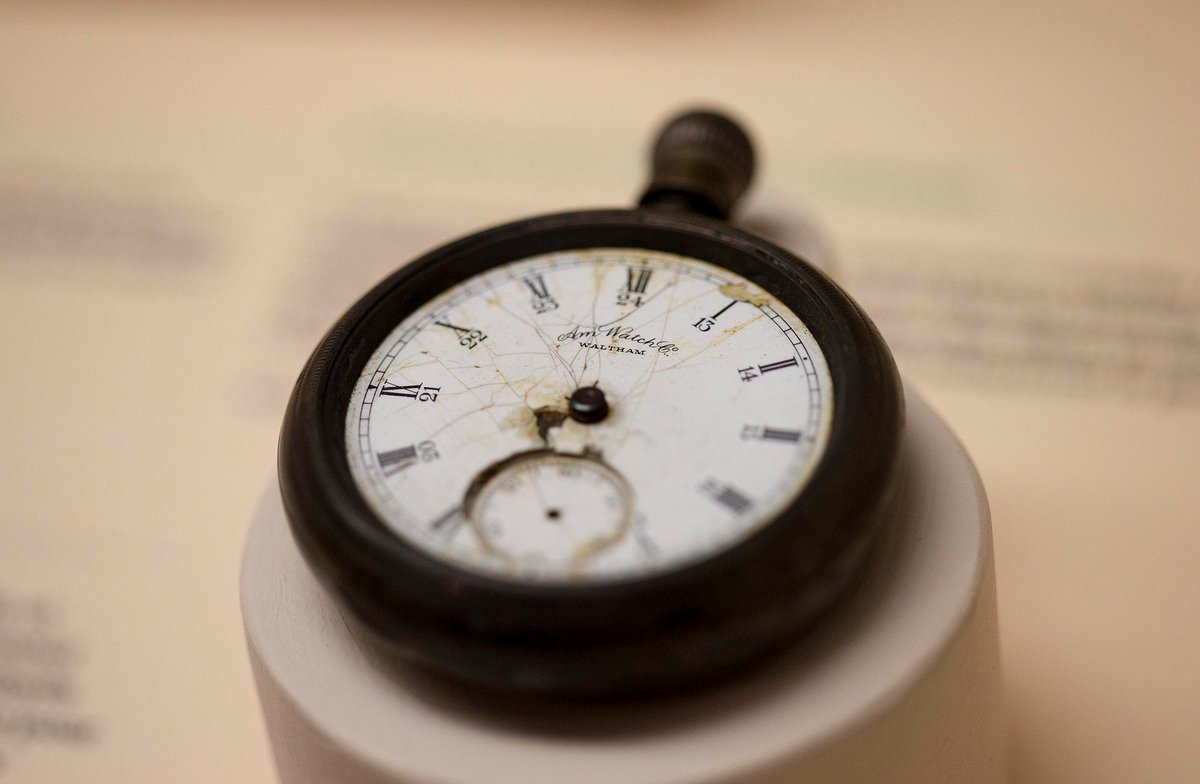
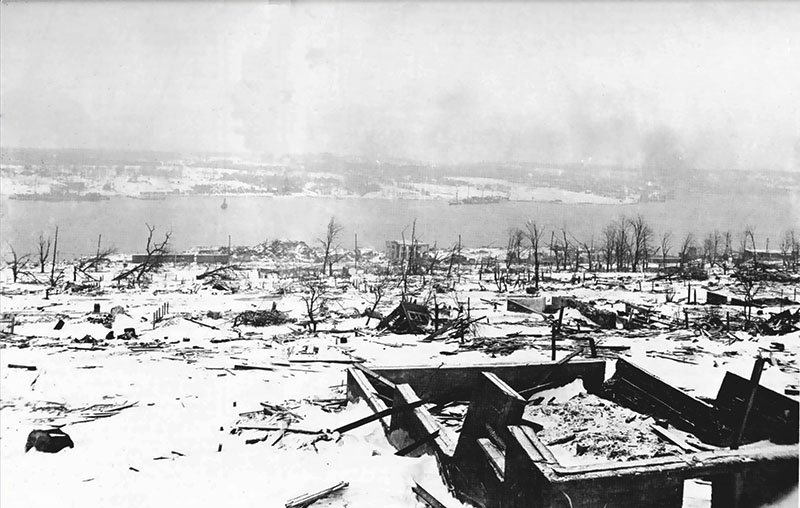
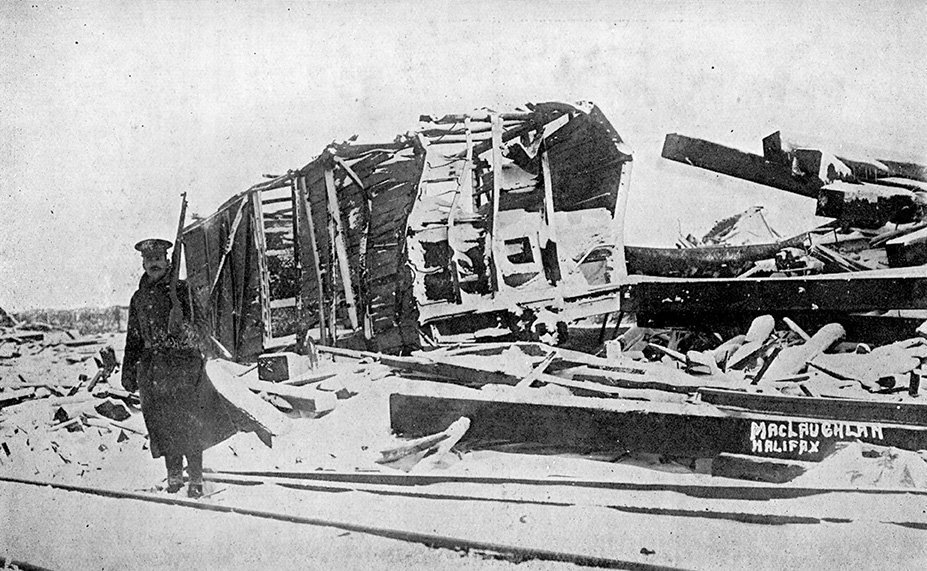
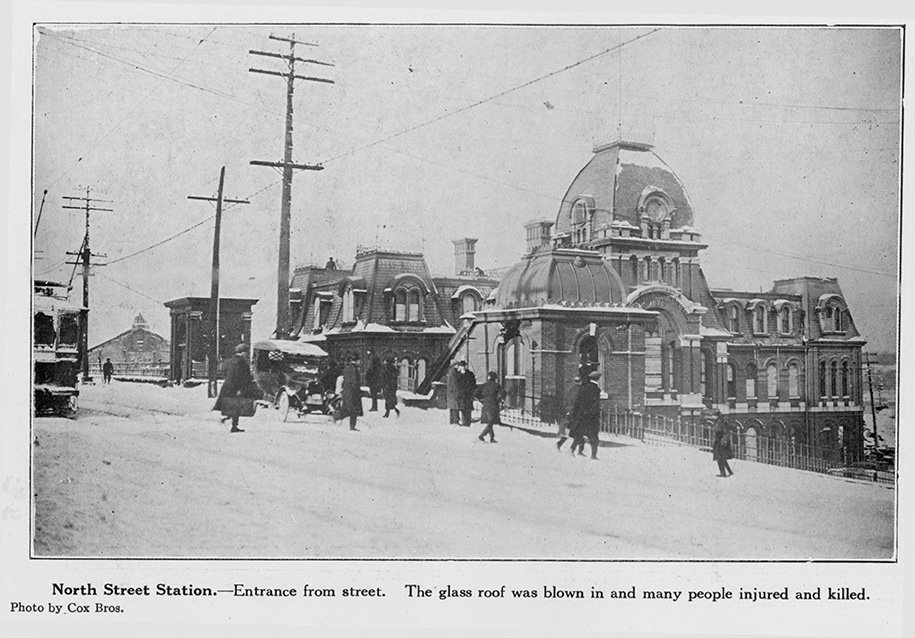
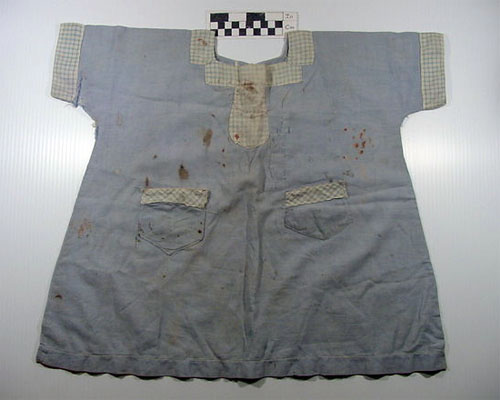
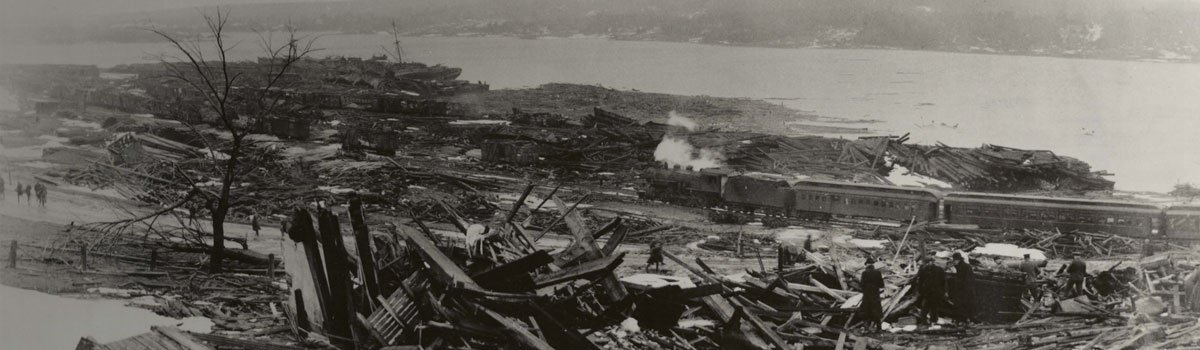
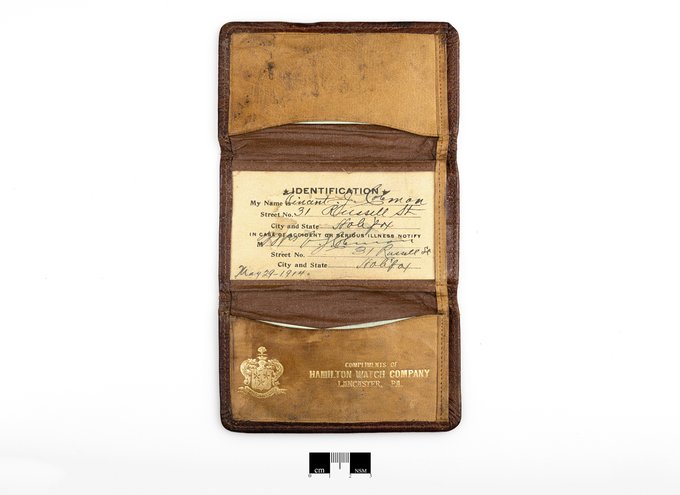
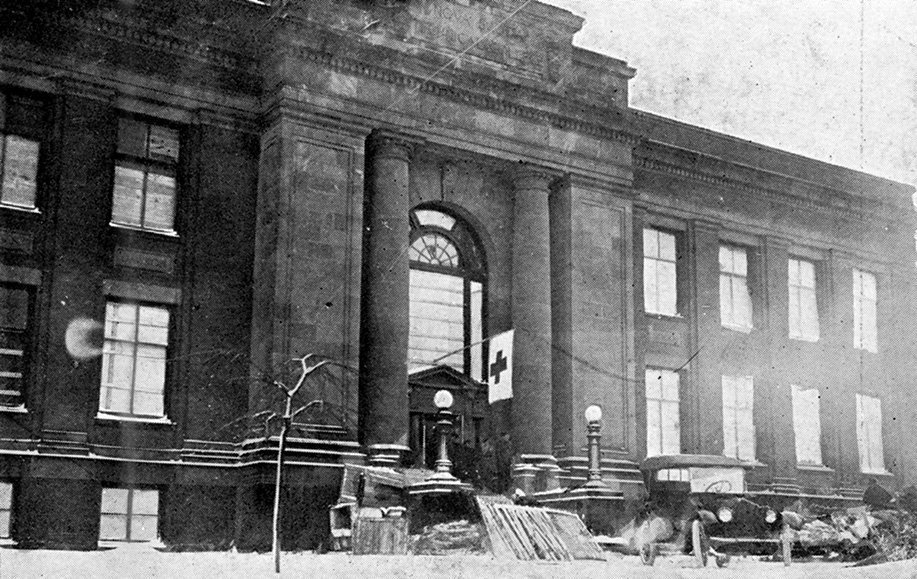
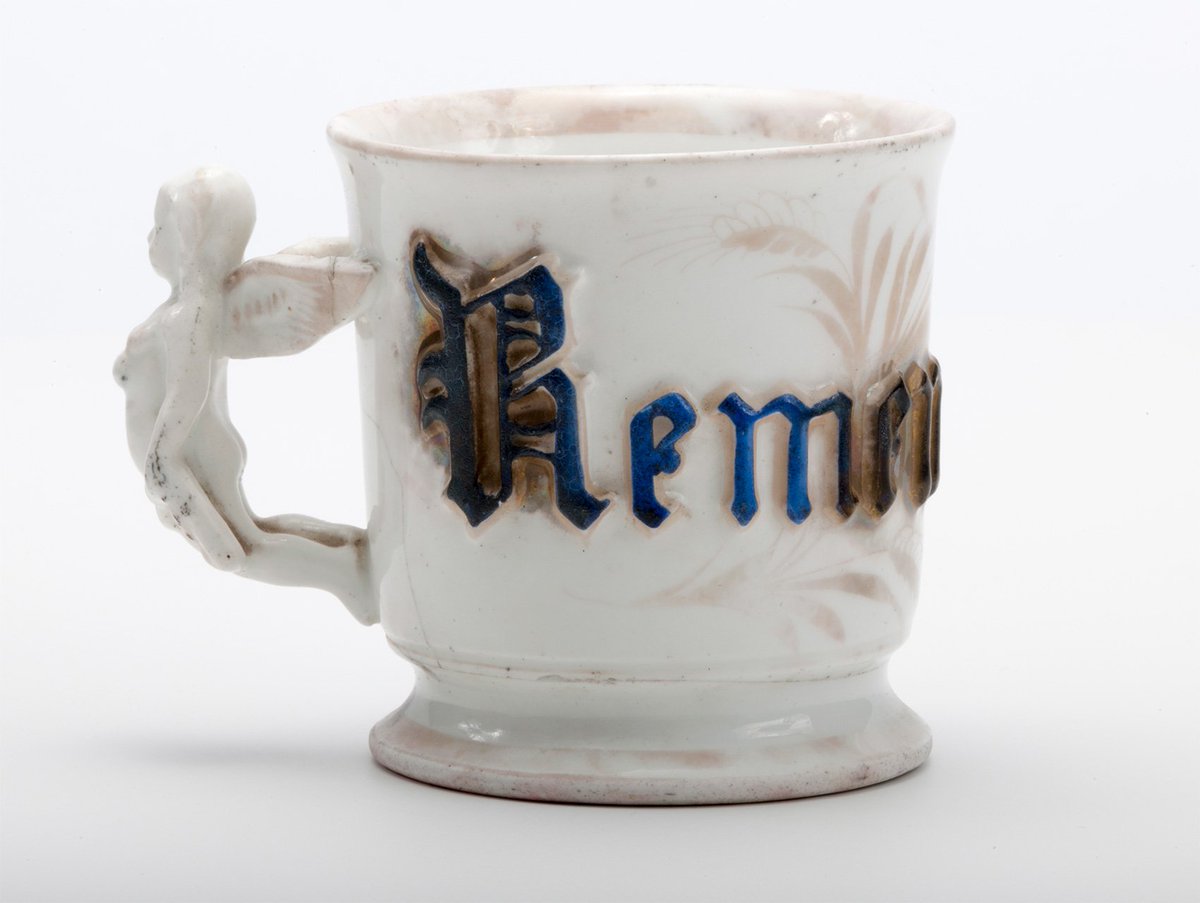
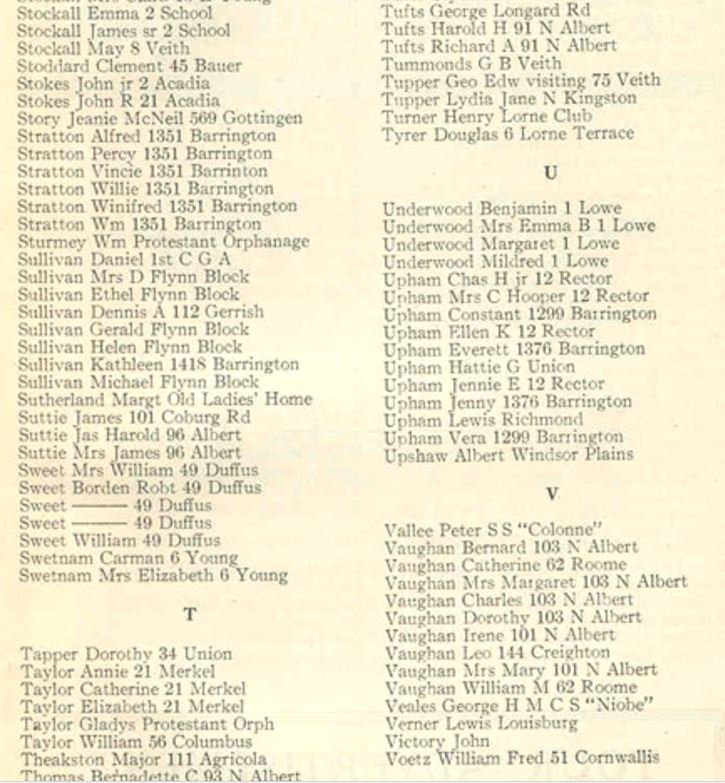
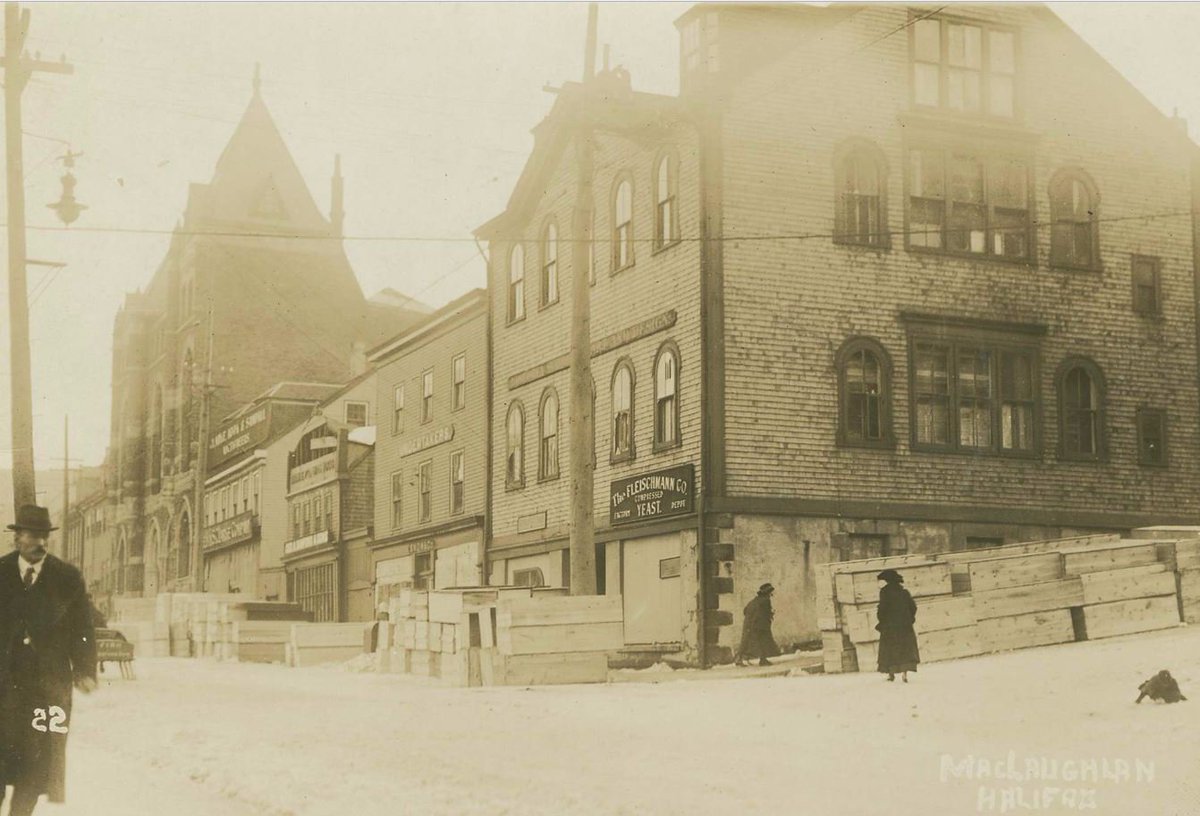
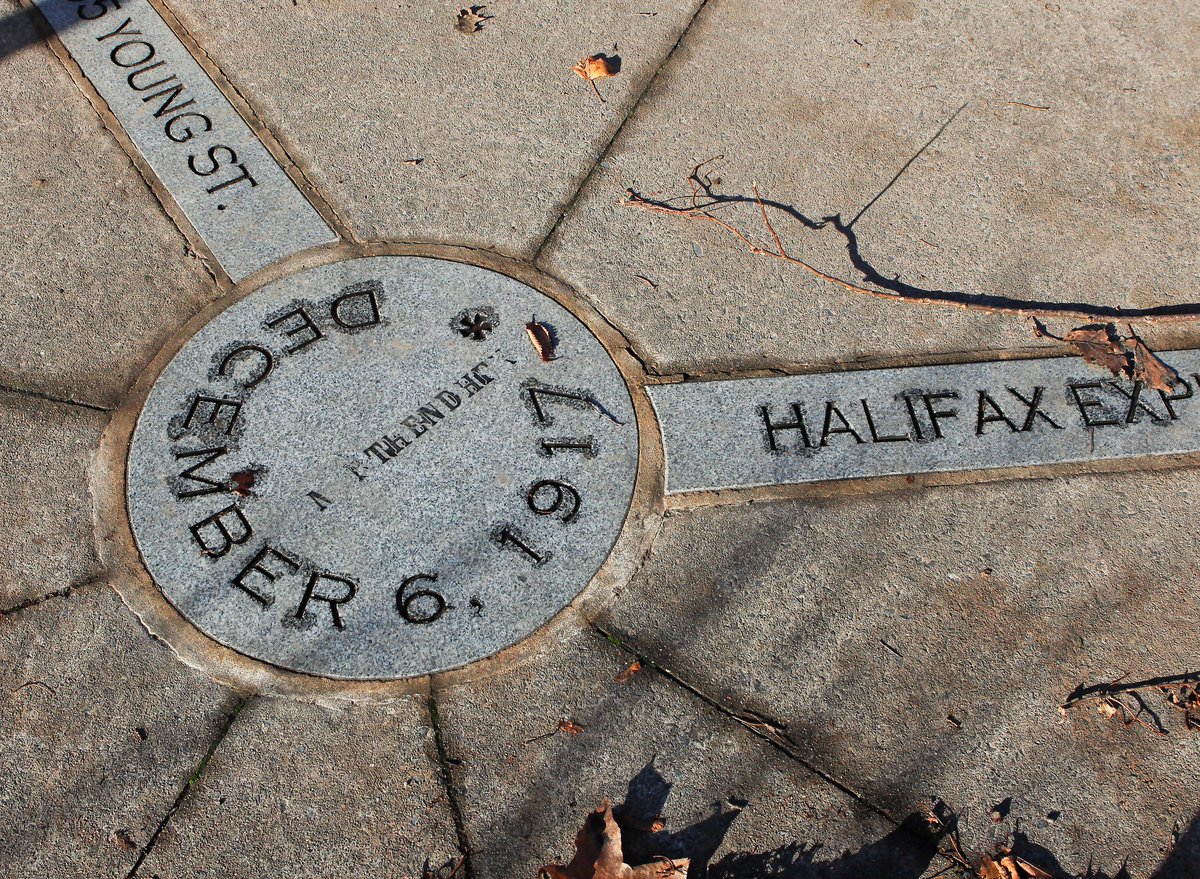
1917 - Fully embroiled in the First World War #Halifax was quickly evolving into a world class port and major base of naval operations. #HalifaxExplosion

More from War



1/ Last couple of days saw first serious post-war incidents along the new line of contact in #Karabakh conflict zone.
No precise information about casualties. Social media posts combined with official reports suggest at least 8 wounded, 3 killed, 2 Arm POWs - nothing confirmed.
2/ Both locations of reported incidents are of strategic importance.
The village of Taghavard saw toughest fighting during the latest weeks of war. It is located close to the road that connects Azerbaijan-controlled areas with Shushi.
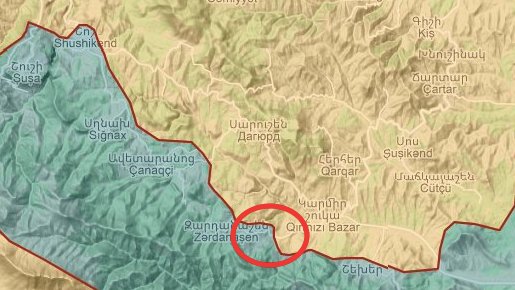
3/ Reportedly Baku is now constructing a new road to connect with Shushi. But it will take time, no one knows if it is gonna be good enough during the year, and it will still have to cross the road for a joint Arm-Az use from Lachin to Stepanakert.
4/ 2nd, and reportedly more serious incident, took place at this enclave. It was almost a miracle that Arm sustained control over this area, mainly due to the stubbornness of the local volunteers.
A larger map by @Krummapper here: https://t.co/8KrUmk8QK2
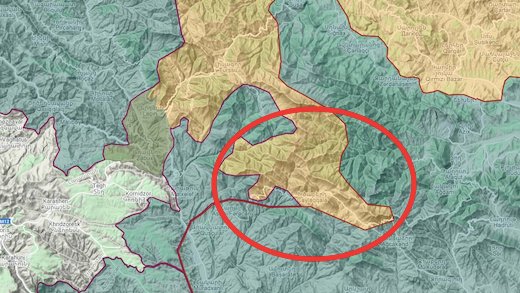
5/ No precise information whether Az troops took over one, two or all the villages in this enclave. Russ peacekeepers reportedly visited the area, which is not indicated as part of their responsibility on official maps.

No precise information about casualties. Social media posts combined with official reports suggest at least 8 wounded, 3 killed, 2 Arm POWs - nothing confirmed.
2/ Both locations of reported incidents are of strategic importance.
The village of Taghavard saw toughest fighting during the latest weeks of war. It is located close to the road that connects Azerbaijan-controlled areas with Shushi.
3/ Reportedly Baku is now constructing a new road to connect with Shushi. But it will take time, no one knows if it is gonna be good enough during the year, and it will still have to cross the road for a joint Arm-Az use from Lachin to Stepanakert.
4/ 2nd, and reportedly more serious incident, took place at this enclave. It was almost a miracle that Arm sustained control over this area, mainly due to the stubbornness of the local volunteers.
A larger map by @Krummapper here: https://t.co/8KrUmk8QK2
5/ No precise information whether Az troops took over one, two or all the villages in this enclave. Russ peacekeepers reportedly visited the area, which is not indicated as part of their responsibility on official maps.

[THREAD] On the recent ISIS Sinai video.
This is done with help from @war_noir, go follow.
As the ISIS insurgency in the Sinai continues, this video shows a very interesting mix of SALW, with some usual suspects appearing, but also more interesting things...
1/
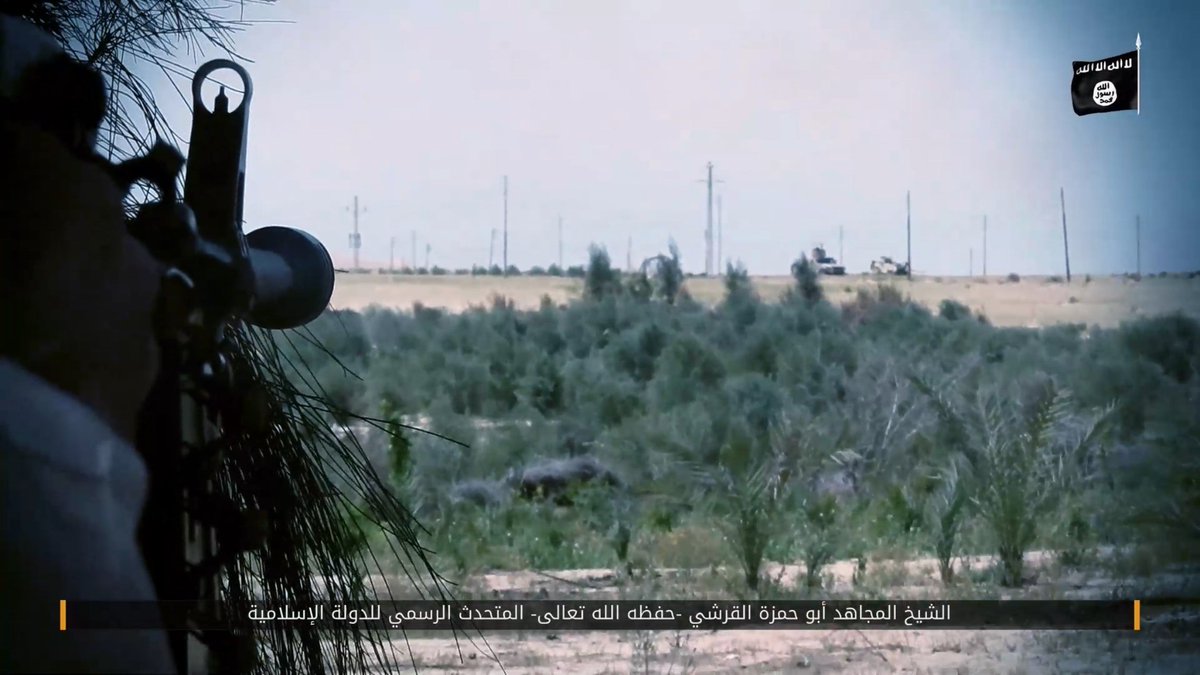
First, the most prominent feature of the video is (as always), large IEDs blowing up army vehicles, with varied effectiveness. This has been a constant for years by now.
IS Sinai retain substantial IED expertise, with these...
2/
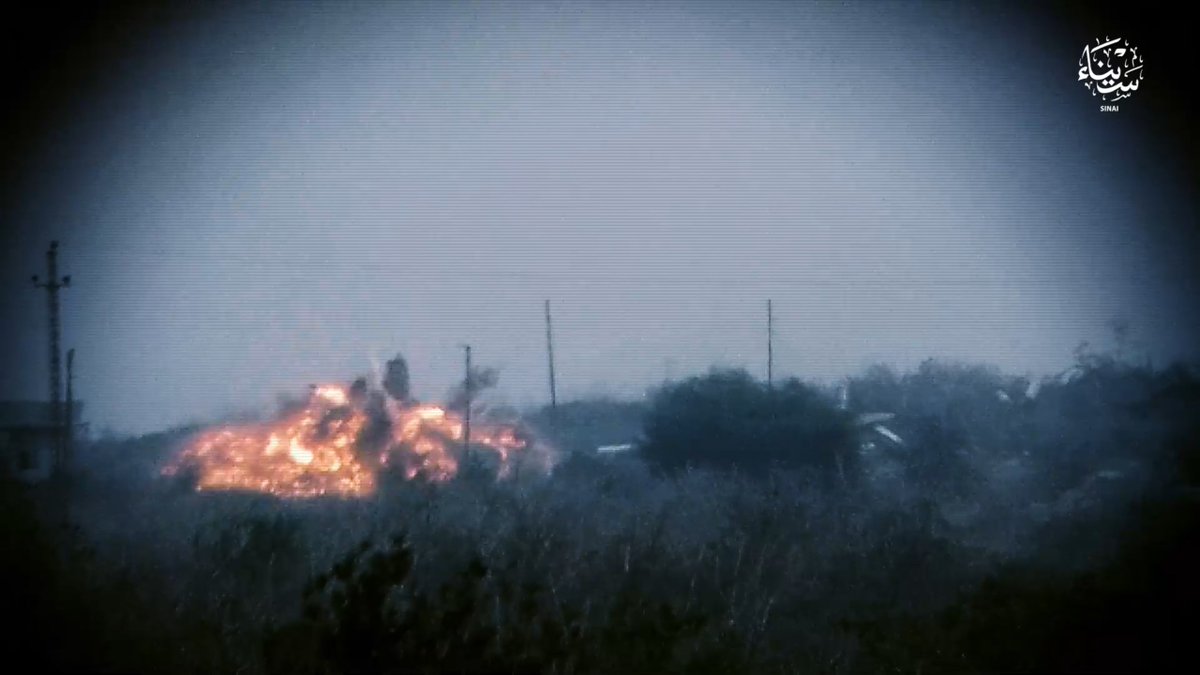
Also being laid in an anti personnel manner. Multiple targets are seen hit. Conventional close-range attacks are seen also.
3/
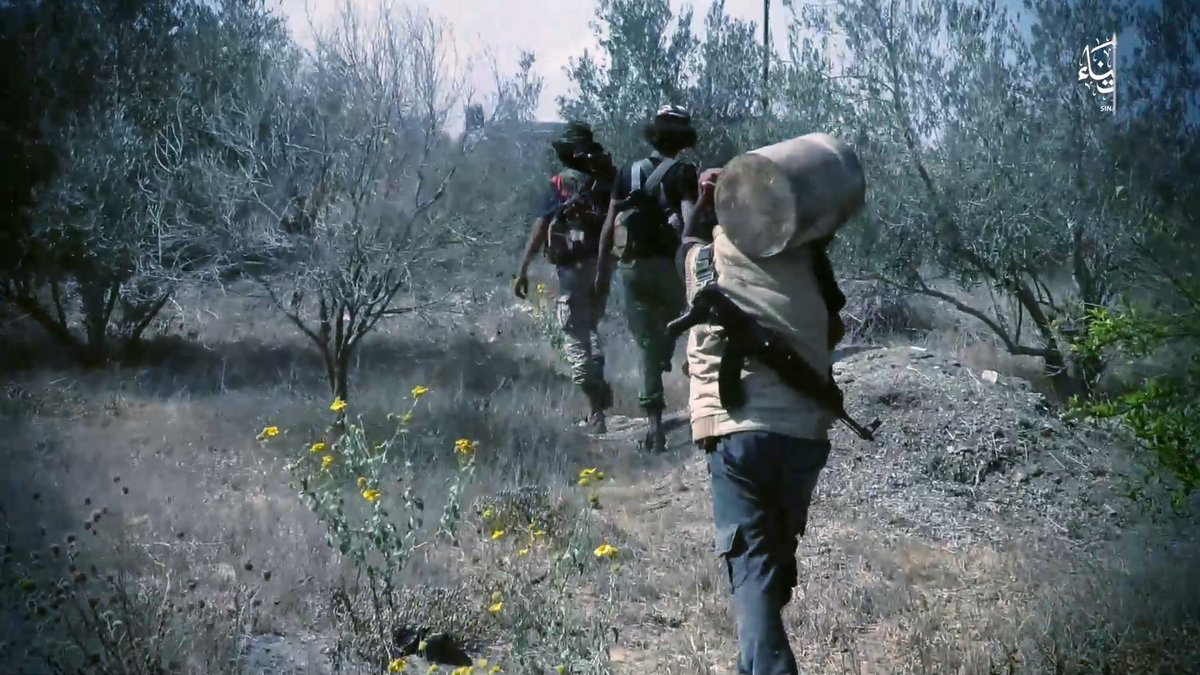
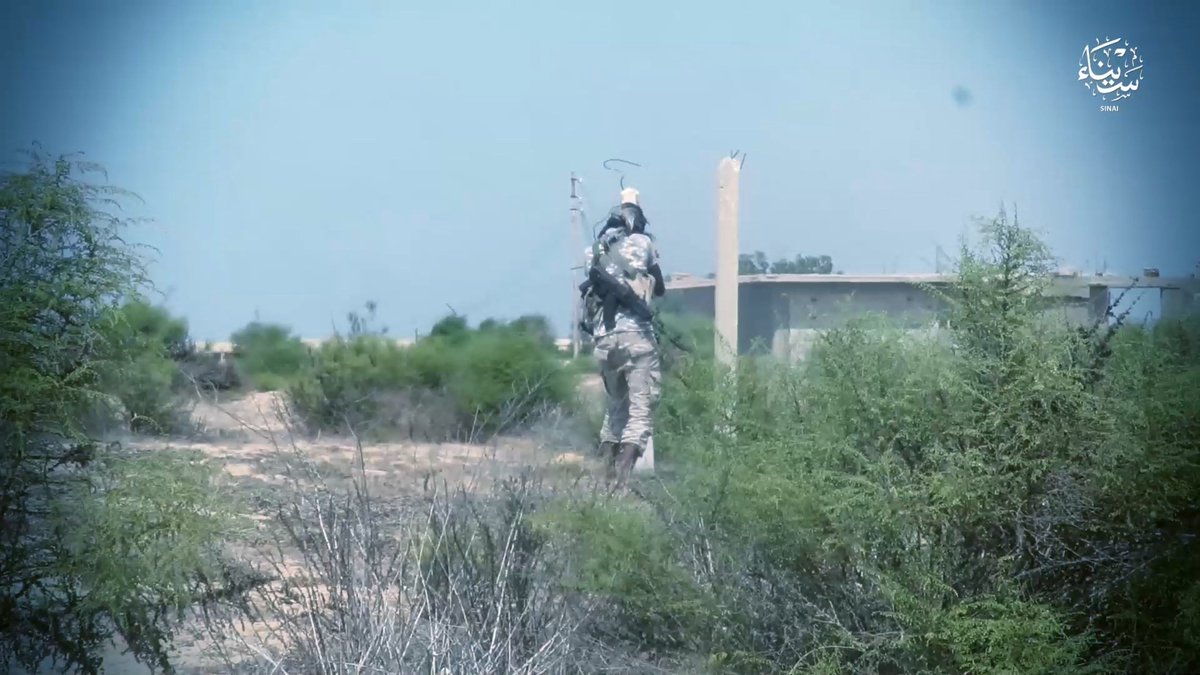
Now, let's turn to small arms. As usual, we see a mix of typical AKs, FALs, etc.
These include Type 56-1 and 2, FN FAL 50.00, FAL Para, AKM variants, and the ever present Libyan AK-103-2 (See thread here). We also see AMD-65.
https://t.co/CLIyU64RUD
4/
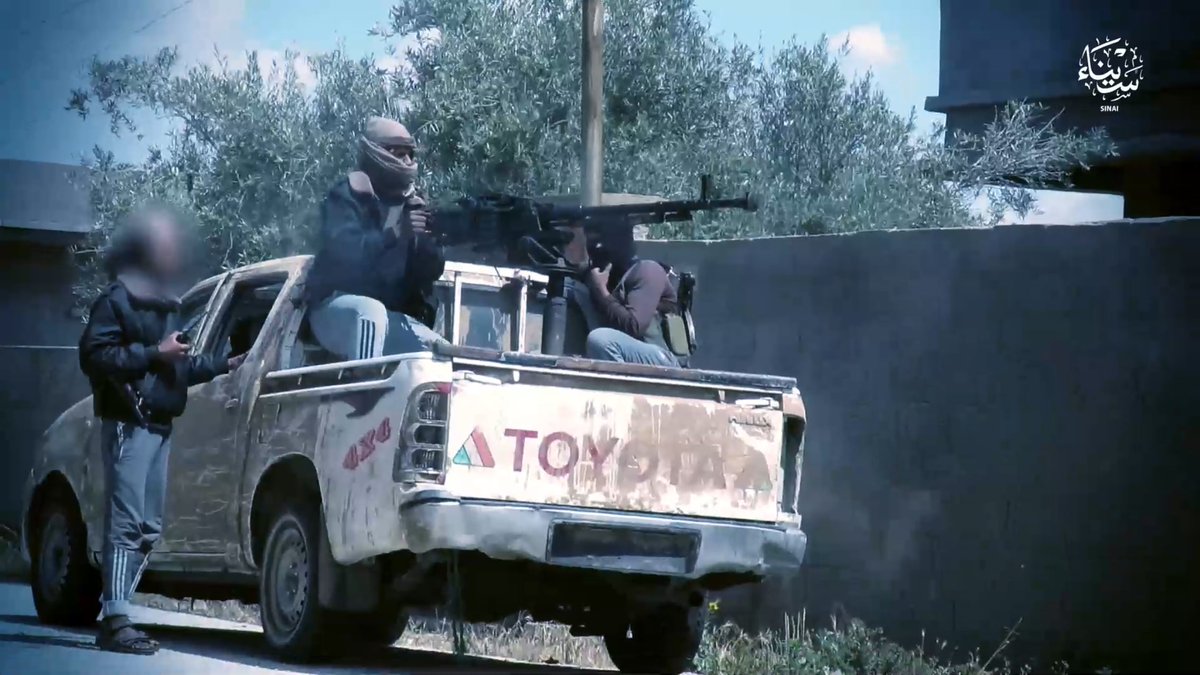
When it comes to heavier weapons, the commonly seen DShK/M and Type 54 are seen. These are common.
It is notable that IS Sinai have the operational freedom to use these on Technicals, despite the presence of the Egyptian Air Force. Oh, and 81/2mm mortar (Helwan M-69?)
5/
This is done with help from @war_noir, go follow.
As the ISIS insurgency in the Sinai continues, this video shows a very interesting mix of SALW, with some usual suspects appearing, but also more interesting things...
1/
First, the most prominent feature of the video is (as always), large IEDs blowing up army vehicles, with varied effectiveness. This has been a constant for years by now.
IS Sinai retain substantial IED expertise, with these...
2/
Also being laid in an anti personnel manner. Multiple targets are seen hit. Conventional close-range attacks are seen also.
3/
Now, let's turn to small arms. As usual, we see a mix of typical AKs, FALs, etc.
These include Type 56-1 and 2, FN FAL 50.00, FAL Para, AKM variants, and the ever present Libyan AK-103-2 (See thread here). We also see AMD-65.
https://t.co/CLIyU64RUD
4/
[Large Thread] We've heard a lot about arms transfers from Gaddafi's stocks around the world, but often news articles are vague as to detail.
— C\u1d00\u029f\u026a\u0299\u0280\u1d07 O\u0299s\u1d04\u1d1c\u0280\u1d00 (@CalibreObscura) May 17, 2019
So, one weapon that you would have seen me tweet about a lot is the AK-103-2. This is essentially a 7.62x39mm version of the AK-74M.
1/ pic.twitter.com/pgY66eKOVf
When it comes to heavier weapons, the commonly seen DShK/M and Type 54 are seen. These are common.
It is notable that IS Sinai have the operational freedom to use these on Technicals, despite the presence of the Egyptian Air Force. Oh, and 81/2mm mortar (Helwan M-69?)
5/
You May Also Like

A brief analysis and comparison of the CSS for Twitter's PWA vs Twitter's legacy desktop website. The difference is dramatic and I'll touch on some reasons why.
Legacy site *downloads* ~630 KB CSS per theme and writing direction.
6,769 rules
9,252 selectors
16.7k declarations
3,370 unique declarations
44 media queries
36 unique colors
50 unique background colors
46 unique font sizes
39 unique z-indices
https://t.co/qyl4Bt1i5x

PWA *incrementally generates* ~30 KB CSS that handles all themes and writing directions.
735 rules
740 selectors
757 declarations
730 unique declarations
0 media queries
11 unique colors
32 unique background colors
15 unique font sizes
7 unique z-indices
https://t.co/w7oNG5KUkJ

The legacy site's CSS is what happens when hundreds of people directly write CSS over many years. Specificity wars, redundancy, a house of cards that can't be fixed. The result is extremely inefficient and error-prone styling that punishes users and developers.
The PWA's CSS is generated on-demand by a JS framework that manages styles and outputs "atomic CSS". The framework can enforce strict constraints and perform optimisations, which is why the CSS is so much smaller and safer. Style conflicts and unbounded CSS growth are avoided.
Legacy site *downloads* ~630 KB CSS per theme and writing direction.
6,769 rules
9,252 selectors
16.7k declarations
3,370 unique declarations
44 media queries
36 unique colors
50 unique background colors
46 unique font sizes
39 unique z-indices
https://t.co/qyl4Bt1i5x
PWA *incrementally generates* ~30 KB CSS that handles all themes and writing directions.
735 rules
740 selectors
757 declarations
730 unique declarations
0 media queries
11 unique colors
32 unique background colors
15 unique font sizes
7 unique z-indices
https://t.co/w7oNG5KUkJ
The legacy site's CSS is what happens when hundreds of people directly write CSS over many years. Specificity wars, redundancy, a house of cards that can't be fixed. The result is extremely inefficient and error-prone styling that punishes users and developers.
The PWA's CSS is generated on-demand by a JS framework that manages styles and outputs "atomic CSS". The framework can enforce strict constraints and perform optimisations, which is why the CSS is so much smaller and safer. Style conflicts and unbounded CSS growth are avoided.

🌿𝑻𝒉𝒆 𝒔𝒕𝒐𝒓𝒚 𝒐𝒇 𝒂 𝑺𝒕𝒂𝒓 : 𝑫𝒉𝒓𝒖𝒗𝒂 & 𝑽𝒊𝒔𝒉𝒏𝒖
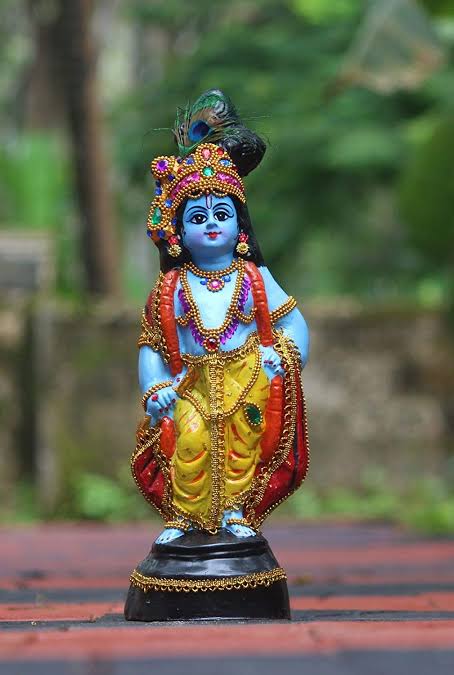
Once upon a time there was a Raja named Uttānapāda born of Svayambhuva Manu,1st man on earth.He had 2 beautiful wives - Suniti & Suruchi & two sons were born of them Dhruva & Uttama respectively.
#talesofkrishna https://t.co/E85MTPkF9W
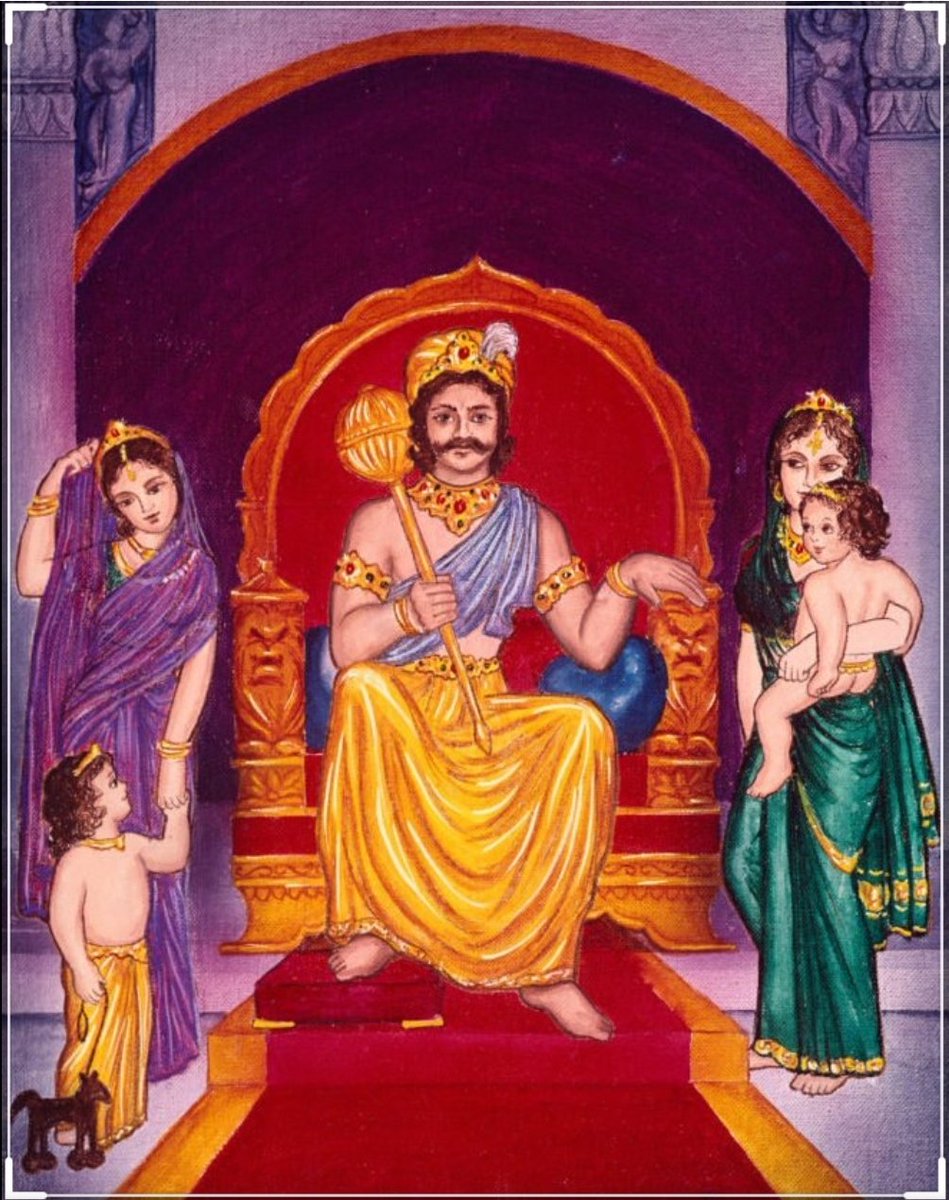
Now Suniti was the daughter of a tribal chief while Suruchi was the daughter of a rich king. Hence Suruchi was always favored the most by Raja while Suniti was ignored. But while Suniti was gentle & kind hearted by nature Suruchi was venomous inside.
#KrishnaLeela
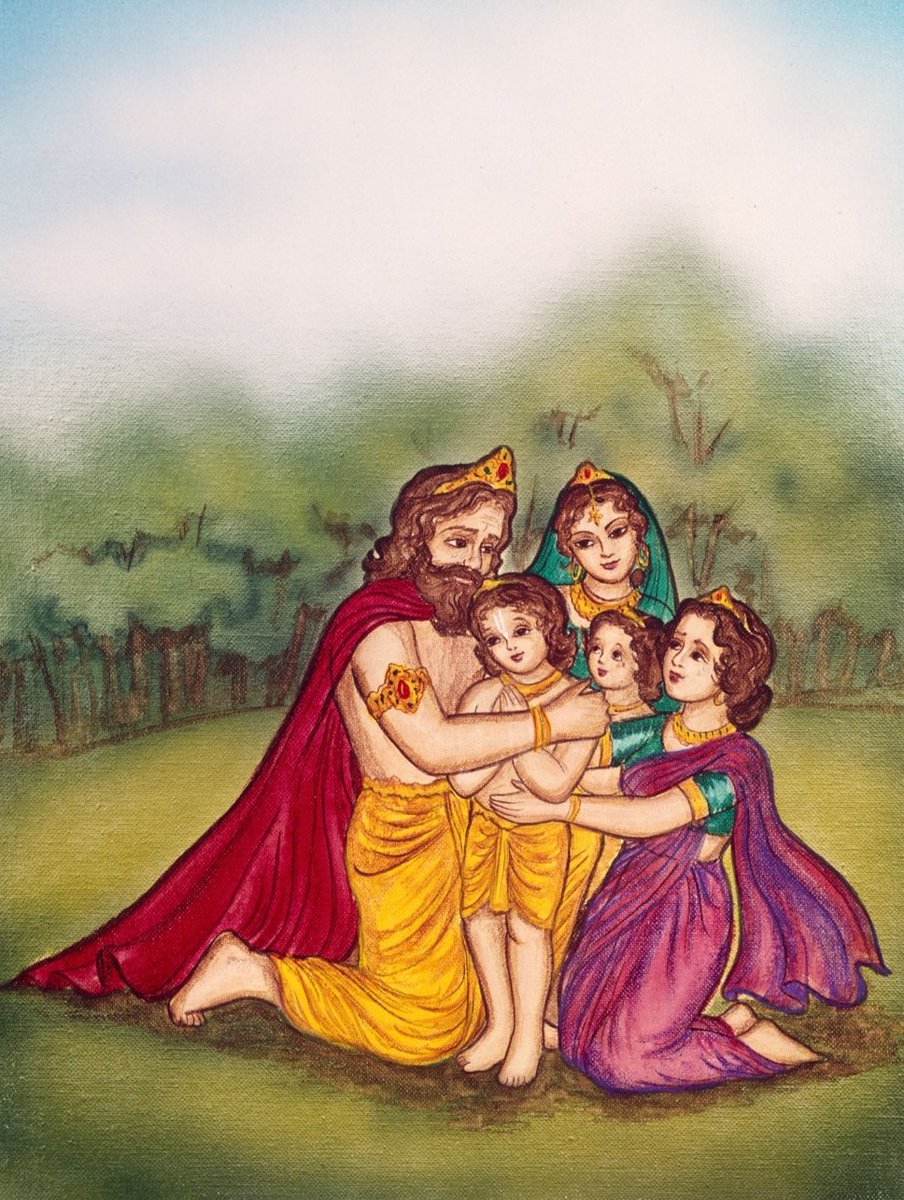
The story is of a time when ideally the eldest son of the king becomes the heir to the throne. Hence the sinhasan of the Raja belonged to Dhruva.This is why Suruchi who was the 2nd wife nourished poison in her heart for Dhruva as she knew her son will never get the throne.
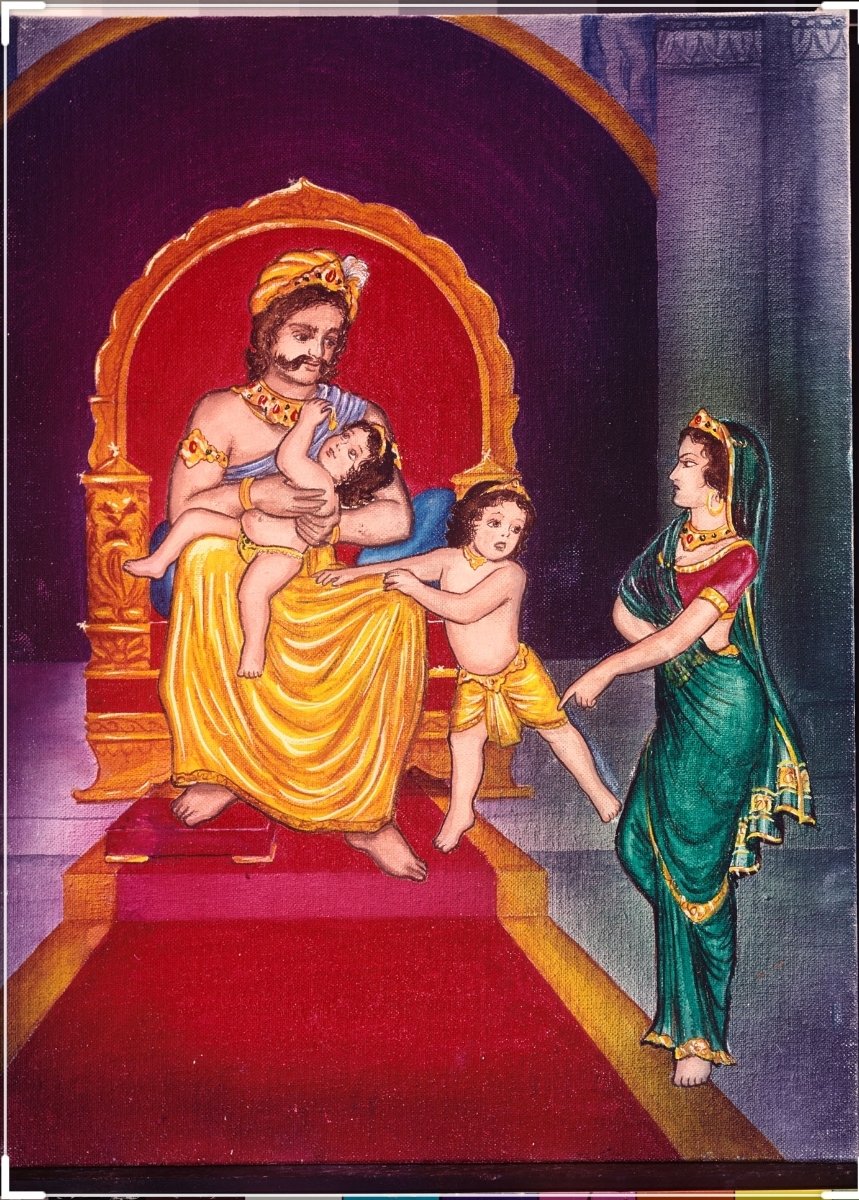
One day when Dhruva was just 5 years old he went on to sit on his father's lap. Suruchi, the jealous queen, got enraged and shoved him away from Raja as she never wanted Raja to shower Dhruva with his fatherly affection.
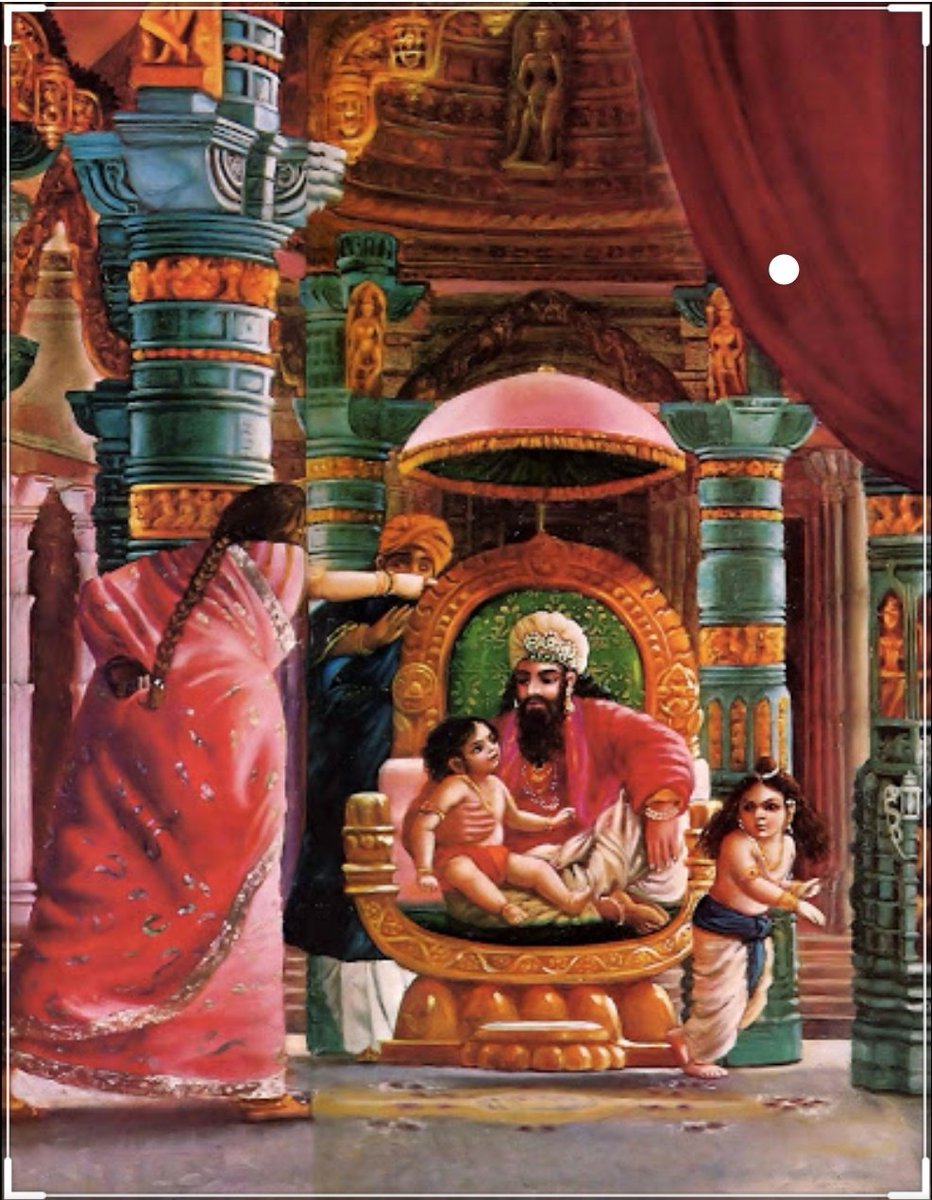
Dhruva protested questioning his step mother "why can't i sit on my own father's lap?" A furious Suruchi berated him saying "only God can allow him that privilege. Go ask him"
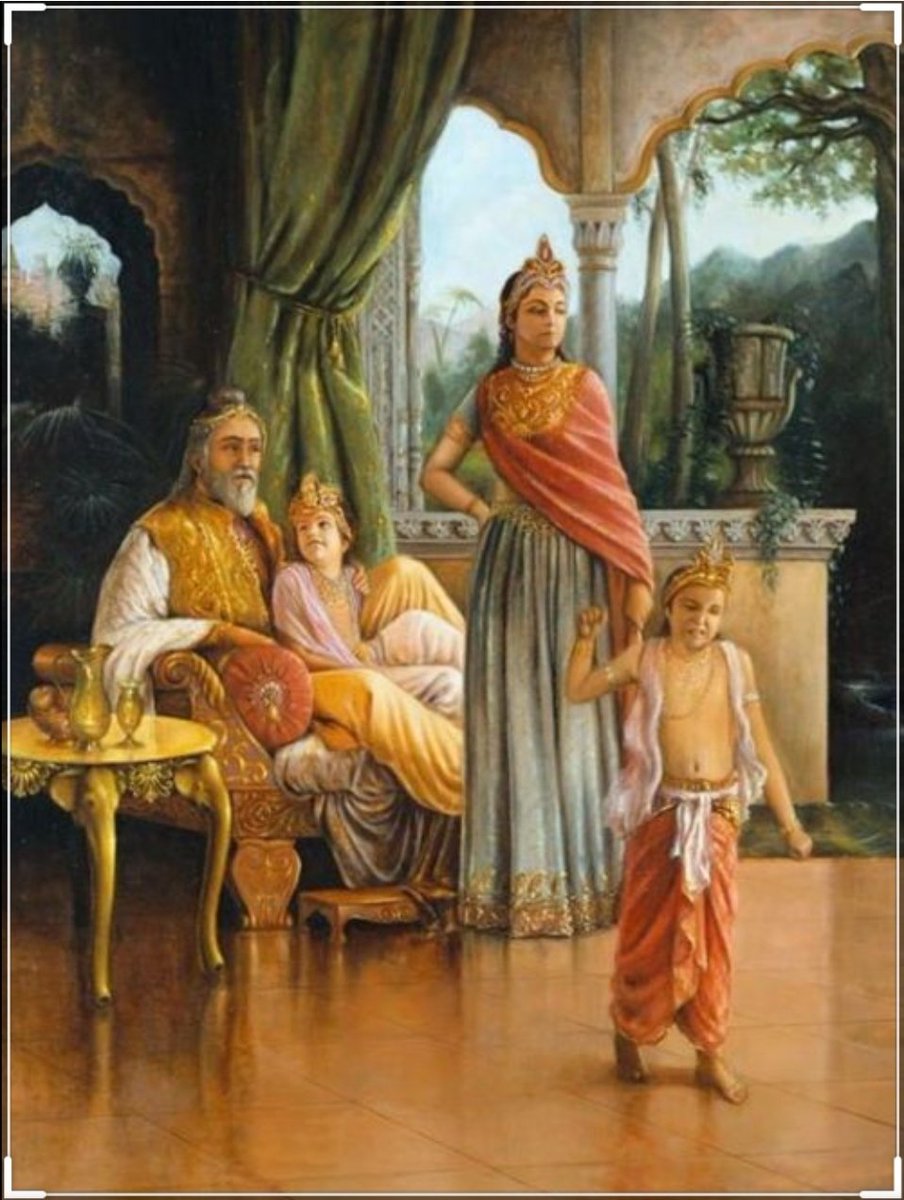
Once upon a time there was a Raja named Uttānapāda born of Svayambhuva Manu,1st man on earth.He had 2 beautiful wives - Suniti & Suruchi & two sons were born of them Dhruva & Uttama respectively.
#talesofkrishna https://t.co/E85MTPkF9W
Prabhu says i reside in the heart of my bhakt.
— Right Singh (@rightwingchora) December 21, 2020
Guess the event. pic.twitter.com/yFUmbfe5KL
Now Suniti was the daughter of a tribal chief while Suruchi was the daughter of a rich king. Hence Suruchi was always favored the most by Raja while Suniti was ignored. But while Suniti was gentle & kind hearted by nature Suruchi was venomous inside.
#KrishnaLeela
The story is of a time when ideally the eldest son of the king becomes the heir to the throne. Hence the sinhasan of the Raja belonged to Dhruva.This is why Suruchi who was the 2nd wife nourished poison in her heart for Dhruva as she knew her son will never get the throne.
One day when Dhruva was just 5 years old he went on to sit on his father's lap. Suruchi, the jealous queen, got enraged and shoved him away from Raja as she never wanted Raja to shower Dhruva with his fatherly affection.
Dhruva protested questioning his step mother "why can't i sit on my own father's lap?" A furious Suruchi berated him saying "only God can allow him that privilege. Go ask him"


Took me 5 years to get the best Chartink scanners for Stock Market, but you’ll get it in 5 mminutes here ⏰
Do Share the above tweet 👆
These are going to be very simple yet effective pure price action based scanners, no fancy indicators nothing - hope you liked it.
https://t.co/JU0MJIbpRV
52 Week High
One of the classic scanners very you will get strong stocks to Bet on.
https://t.co/V69th0jwBr
Hourly Breakout
This scanner will give you short term bet breakouts like hourly or 2Hr breakout
Volume shocker
Volume spurt in a stock with massive X times
Do Share the above tweet 👆
These are going to be very simple yet effective pure price action based scanners, no fancy indicators nothing - hope you liked it.
https://t.co/JU0MJIbpRV
52 Week High
One of the classic scanners very you will get strong stocks to Bet on.
https://t.co/V69th0jwBr
Hourly Breakout
This scanner will give you short term bet breakouts like hourly or 2Hr breakout
Volume shocker
Volume spurt in a stock with massive X times