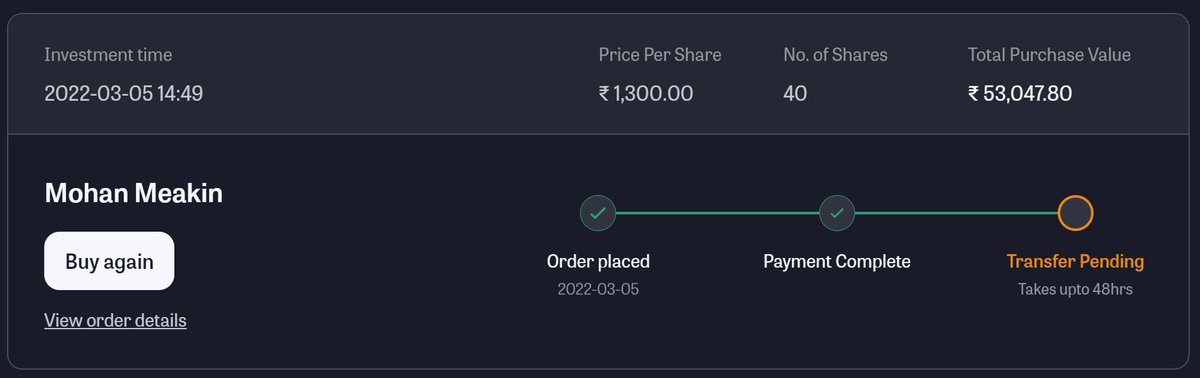
Purchased some unlisted shares from LeadOff.
Platform is reliable as shares will be transferred directly to CDSL/NSDL accounts.
Lot of unlisted companies are available, can try if interested:
1. Chennai super kings
2. Reliance Retail
3. Pharmeasy
4. NSE(sold out)
5. Kurlon
etc..
More from yashstocks
1/5
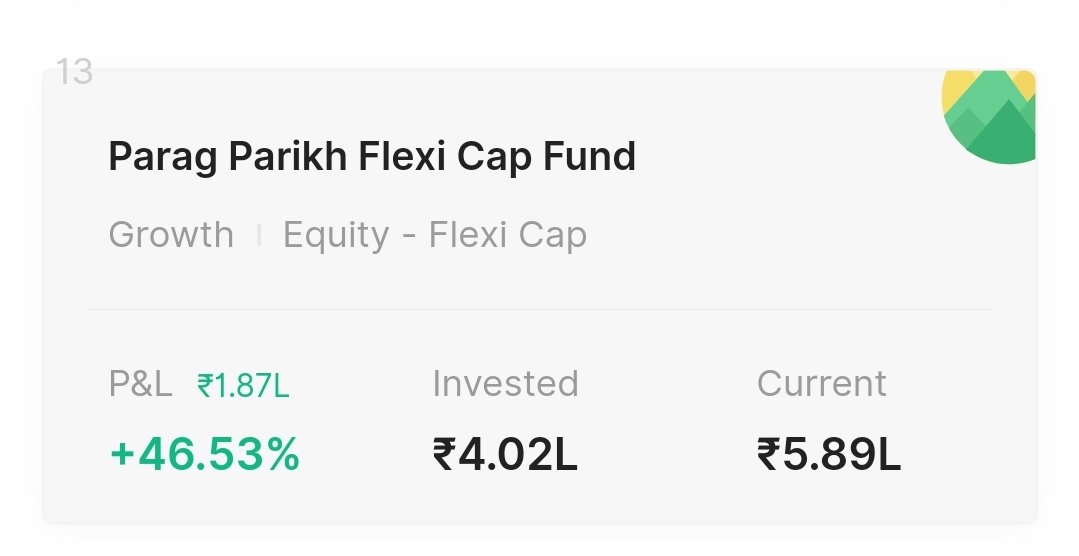
In equity funds, parag parikh flexi cap fund and mirae asset emerging bluechip funds are best. They have given superb returns in last 5 years.
Parag parikh flexi cap fund is diversified as it will invest in US stocks like Google, Facebook, Microsoft, Amazon along with Indian. https://t.co/RmoDMgXoRM
2/5
But one issue with this is if you exit before 2 years, there is an exit load of 2% in 1st year and 1% in 2nd year.
Mirae asset emerging bluechip funds stopped taking lump sum amounts and only can do SIP of Rs. 2500 currently.
3/5
But there is catch, you can do multiple SIPs in it, you can SIP on every day and still invest 75k in a month. I am doing this way only.
Coming to debt funds, ICICI prudential all seasons bond fund and hdfc corporate bond fund are good if consider 5 years performance.
4/5
In zerodha, all above 4 MFs can be pledged and haircut also very less just 7.5%. But you can use only 50% for positional margin, other 50% should come in cash or equivalent funds like gilt, liquid etc. For intraday, 100% can be used.
5/5
Nippon india gilt fund is also good, considering it will be cash component and only 10% haircut.
For tax saving, you need to invest in ELSS funds.
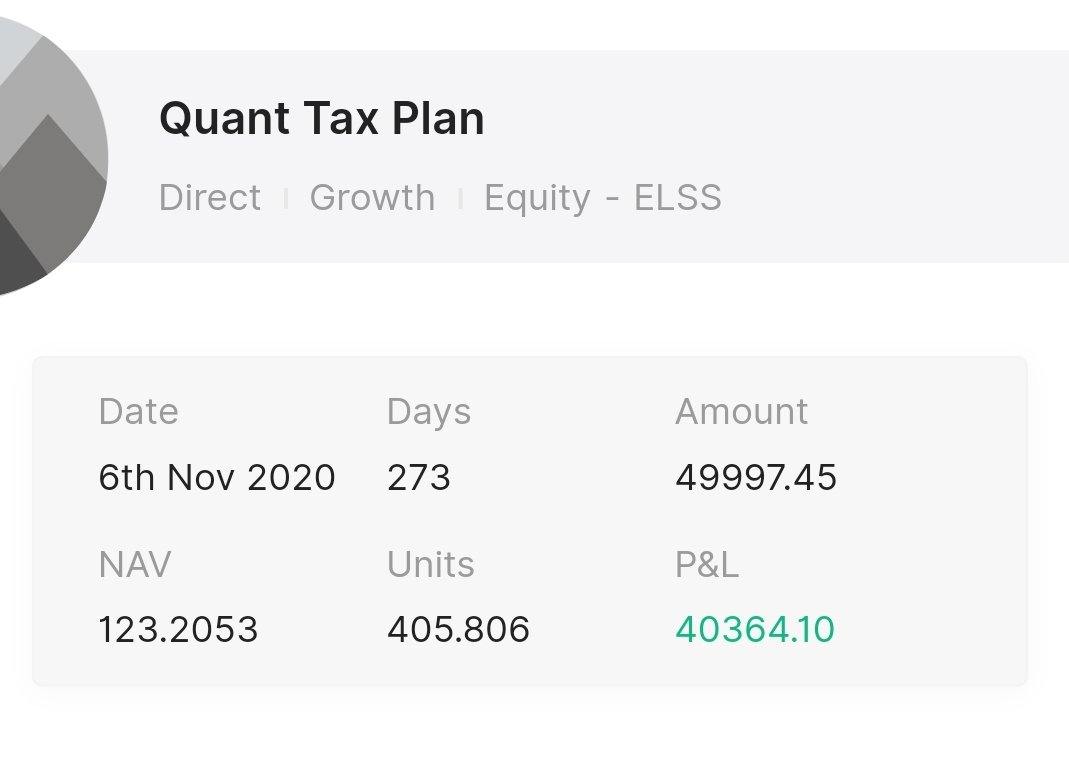
I invested in Quant Tax Plan and it gave 80% returns in just 273 days.
In equity funds, parag parikh flexi cap fund and mirae asset emerging bluechip funds are best. They have given superb returns in last 5 years.
Parag parikh flexi cap fund is diversified as it will invest in US stocks like Google, Facebook, Microsoft, Amazon along with Indian. https://t.co/RmoDMgXoRM
If I'm a layman in mutual fund territory N I wana invest Lumpsum of 1-2L N followed by SIP of 20k per month
— PythonTrader (Not a Python Coder) (@pythontrader999) August 6, 2021
1)Wat r the things I should look while scrutinising a MF
2)If I wana pledge it to broker so which kind of MF I should select @yashstocks@vishalmehta29@yogeshnanda1
2/5
But one issue with this is if you exit before 2 years, there is an exit load of 2% in 1st year and 1% in 2nd year.
Mirae asset emerging bluechip funds stopped taking lump sum amounts and only can do SIP of Rs. 2500 currently.
3/5
But there is catch, you can do multiple SIPs in it, you can SIP on every day and still invest 75k in a month. I am doing this way only.
Coming to debt funds, ICICI prudential all seasons bond fund and hdfc corporate bond fund are good if consider 5 years performance.
4/5
In zerodha, all above 4 MFs can be pledged and haircut also very less just 7.5%. But you can use only 50% for positional margin, other 50% should come in cash or equivalent funds like gilt, liquid etc. For intraday, 100% can be used.
5/5
Nippon india gilt fund is also good, considering it will be cash component and only 10% haircut.
For tax saving, you need to invest in ELSS funds.
I invested in Quant Tax Plan and it gave 80% returns in just 273 days.
(1/4)
12 to 15% is easily achievable nowadays without taking much risk even though the capital is 10 crores due to leverage :)
Invest 10 crore in liquid, debt, gilt, T-bills, 10-20% equity that will give 6 to 7% average returns every year.
(2/4)
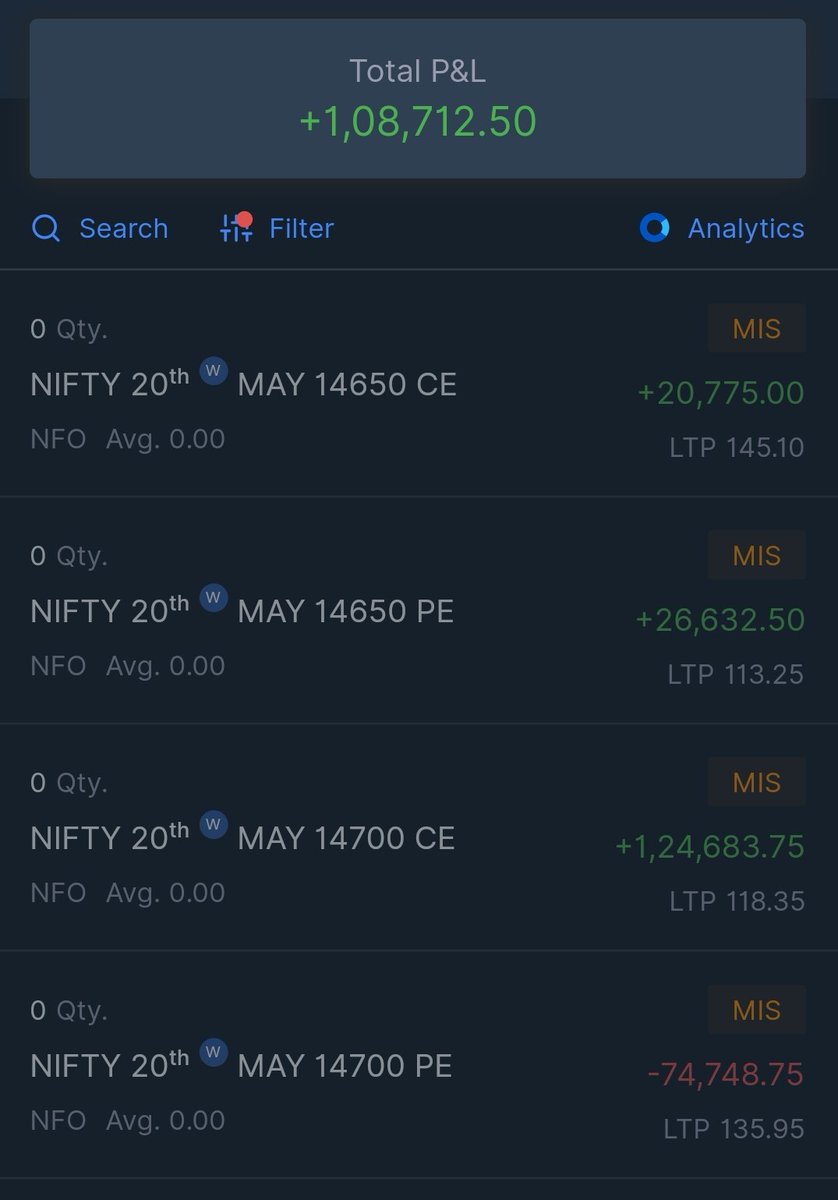
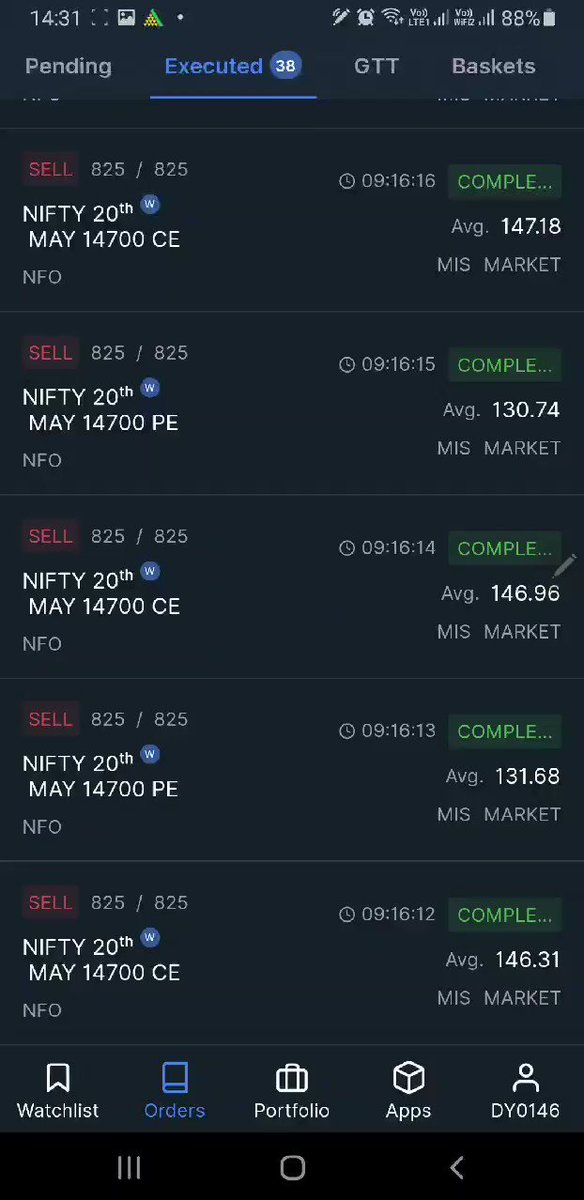
Rest can be made by selling far otm penny options only on expiries. They are trading at good premiums due to leverage and can be easily manageable if goes wrong. Thus targeting only 0.15% returns in a week
0.15% x 52 weeks = 7.8%
6% in MFs + 7.8% in trading = 14% returns
(3/4)
Now comes the hard part, doing this every week without getting bored and without affecting one's psychology is the most difficult part. And since we start making money, we take higher risks which can eventually wipe out profits.
(4/4)
And those who think about blackswan event all the time can do it only call side. And it's purely intraday & only will be done on expiry days, so chance of Black Swan, that too on upper side is mostly impossible. If there is any case as such before, do let know in comments
12 to 15% is easily achievable nowadays without taking much risk even though the capital is 10 crores due to leverage :)
Invest 10 crore in liquid, debt, gilt, T-bills, 10-20% equity that will give 6 to 7% average returns every year.
What kind of % return in a year is considered very best with capital more than 10 cr?
— Mitesh Patel (@Mitesh_Engr) October 12, 2021
(2/4)
Rest can be made by selling far otm penny options only on expiries. They are trading at good premiums due to leverage and can be easily manageable if goes wrong. Thus targeting only 0.15% returns in a week
0.15% x 52 weeks = 7.8%
6% in MFs + 7.8% in trading = 14% returns
(3/4)
Now comes the hard part, doing this every week without getting bored and without affecting one's psychology is the most difficult part. And since we start making money, we take higher risks which can eventually wipe out profits.
(4/4)
And those who think about blackswan event all the time can do it only call side. And it's purely intraday & only will be done on expiry days, so chance of Black Swan, that too on upper side is mostly impossible. If there is any case as such before, do let know in comments