With all that's going on in the world, I wanted to introduce you all to the best thread on Twitter.
If you haven't heard of 'Eastbourne' and the old people that live in our town, get ready.
First up, it's the time when it kicked off between Edith and Dorothy.
#EastbourneEcho

More from Twitter


Inside: Twitter's Project Blue Sky; Brazil's world-beating data breach; Evictions and utility cutoffs are covid comorbidities; "North Korea" targets infosec researchers; and more!
Archived at: https://t.co/eCzogk14kg
#Pluralistic
1/
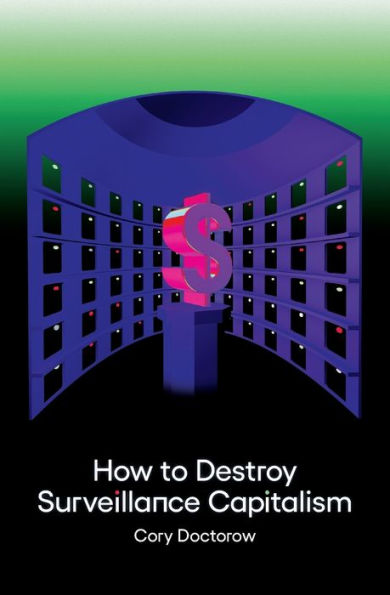
Join me this Thursday for the launch of the print edition of my 2020 book HOW TO DESTROY SURVEILLANCE CAPITALISM!
https://t.co/8Op6IEocPB
2/
Twitter's Project Blue Sky: Fix the internet, not the platforms.
https://t.co/KoZNABMJrE
3/

It's been more than a year since @jack announced Project Blue Sky, inspired by @mmasnick's "Protocols, Not Platforms," paper - a critical work explaining how walled gardens can be transformed into open protocols.https://t.co/1yDSNJehRP
— Cory Doctorow #BLM (@doctorow) January 26, 2021
1/ pic.twitter.com/xwDIErMFLJ
Brazil's world-beating data breach: More than 100% of the population doxed.
https://t.co/6tcbcX2gQ6
4/

Brazil's public health agency has suffered what is arguably the worst data-exposure in world history, losing 243m+ records in a country of 211m people (the excess represents dead peoples' records).https://t.co/VsQUtIEnC7
— Cory Doctorow #BLM (@doctorow) January 26, 2021
1/ pic.twitter.com/DV6k2NfvHW
Evictions and utility cutoffs are covid comorbidities: 143,000 covid deaths due to economic precarity.
https://t.co/pZM80W5DuR
5/
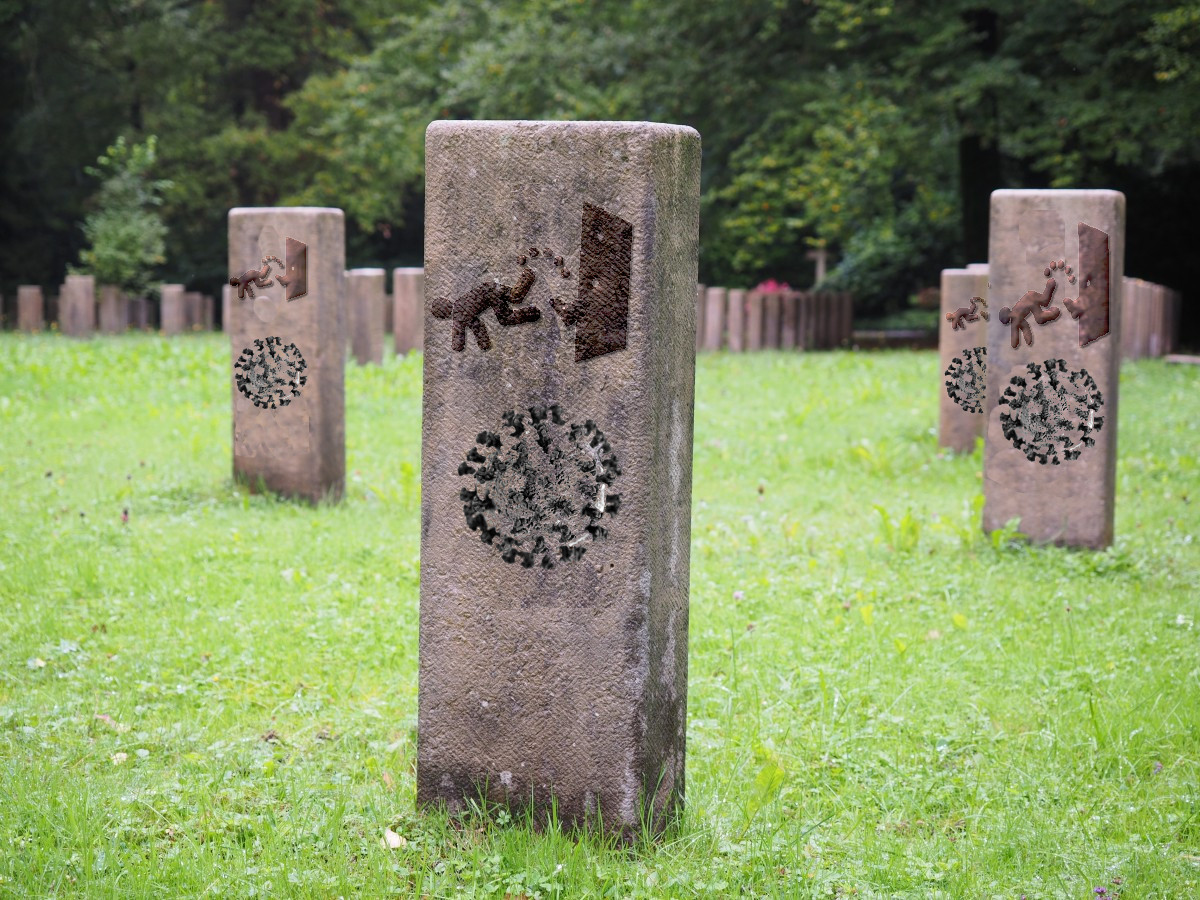
"Public health" isn't just about vaccinations, clinics and urgent care: it's a holistic discipline that encompasses all the contributors to health outcomes, which include things like housing, employment, transportation, pollution and more.
— Cory Doctorow #BLM (@doctorow) January 26, 2021
1/ pic.twitter.com/UQRgLVoczQ