

Twitter punished me for literally doing my job.
Imagine the future of journalism once Section 230 is repealed or reformed.
(No, I won't be using this platform as I have been. I've been "admonished" on the word of a religious lobby.)
Opaque to even get a contact person.
What they want is for me to "check myself" before reporting. They got it.
This is WITH SECTION 230 IN PLACE.
Now imagine post-repeal.
I hate to agree with Trump on anything, but his rants about Twitter's deliberate opacity and arbitrary doling out of punishment are not incorrect.
More from Twitter

Today's threads (a Twitter thread).
Inside: Twitter's Project Blue Sky; Brazil's world-beating data breach; Evictions and utility cutoffs are covid comorbidities; "North Korea" targets infosec researchers; and more!
Archived at: https://t.co/eCzogk14kg
#Pluralistic
1/

Join me this Thursday for the launch of the print edition of my 2020 book HOW TO DESTROY SURVEILLANCE CAPITALISM!
https://t.co/8Op6IEocPB
2/

Twitter's Project Blue Sky: Fix the internet, not the platforms.
https://t.co/KoZNABMJrE
3/

Brazil's world-beating data breach: More than 100% of the population doxed.
https://t.co/6tcbcX2gQ6
4/

Evictions and utility cutoffs are covid comorbidities: 143,000 covid deaths due to economic precarity.
https://t.co/pZM80W5DuR
5/
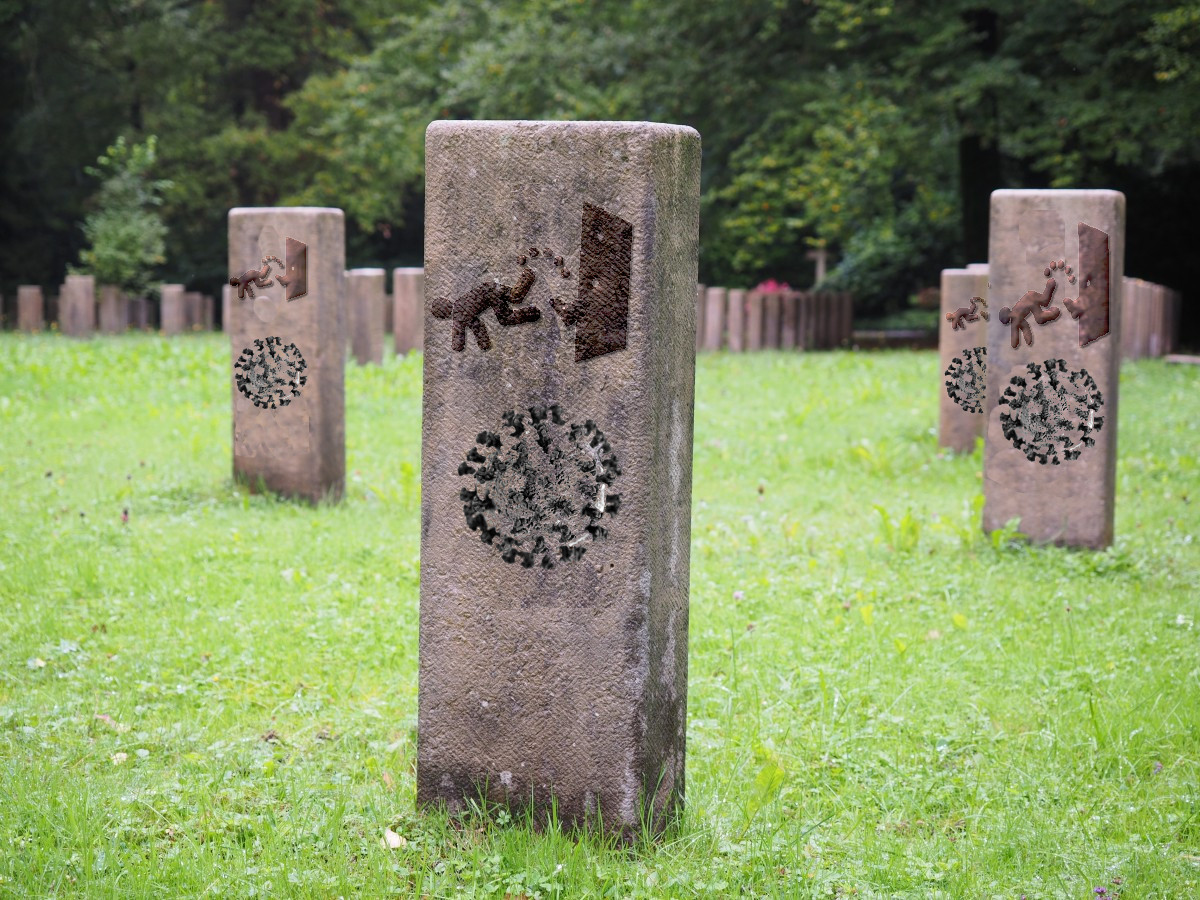
Inside: Twitter's Project Blue Sky; Brazil's world-beating data breach; Evictions and utility cutoffs are covid comorbidities; "North Korea" targets infosec researchers; and more!
Archived at: https://t.co/eCzogk14kg
#Pluralistic
1/
Join me this Thursday for the launch of the print edition of my 2020 book HOW TO DESTROY SURVEILLANCE CAPITALISM!
https://t.co/8Op6IEocPB
2/
Twitter's Project Blue Sky: Fix the internet, not the platforms.
https://t.co/KoZNABMJrE
3/
It's been more than a year since @jack announced Project Blue Sky, inspired by @mmasnick's "Protocols, Not Platforms," paper - a critical work explaining how walled gardens can be transformed into open protocols.https://t.co/1yDSNJehRP
— Cory Doctorow #BLM (@doctorow) January 26, 2021
1/ pic.twitter.com/xwDIErMFLJ
Brazil's world-beating data breach: More than 100% of the population doxed.
https://t.co/6tcbcX2gQ6
4/
Brazil's public health agency has suffered what is arguably the worst data-exposure in world history, losing 243m+ records in a country of 211m people (the excess represents dead peoples' records).https://t.co/VsQUtIEnC7
— Cory Doctorow #BLM (@doctorow) January 26, 2021
1/ pic.twitter.com/DV6k2NfvHW
Evictions and utility cutoffs are covid comorbidities: 143,000 covid deaths due to economic precarity.
https://t.co/pZM80W5DuR
5/
"Public health" isn't just about vaccinations, clinics and urgent care: it's a holistic discipline that encompasses all the contributors to health outcomes, which include things like housing, employment, transportation, pollution and more.
— Cory Doctorow #BLM (@doctorow) January 26, 2021
1/ pic.twitter.com/UQRgLVoczQ


You May Also Like


Speech Delay is most common in children nowadays
In ancient times, our grandparents used to follow typical natural way of caring the needs of a child. All they used were more of natural products than chemical based for the growth of child.

One of major step followed was to feed Gurbach Jadd/ Vasa Kommu/ Acorus Calamus for initiating good speech ability in a child. This stem was needed to babies on Tuesdays and Sundays in mother's milk.
Vasa is feed to baby after the 1st bath on 12th day in week. Weekly only thrice it is fed and named as :
Budhwar - Budhi Vasa
Mangalwar - Vaak Vasa
Ravi Vaar - Aayush Vasa
This stem is burnt and rubbed against the grinding stone in mother's milk or warm water to get a paste
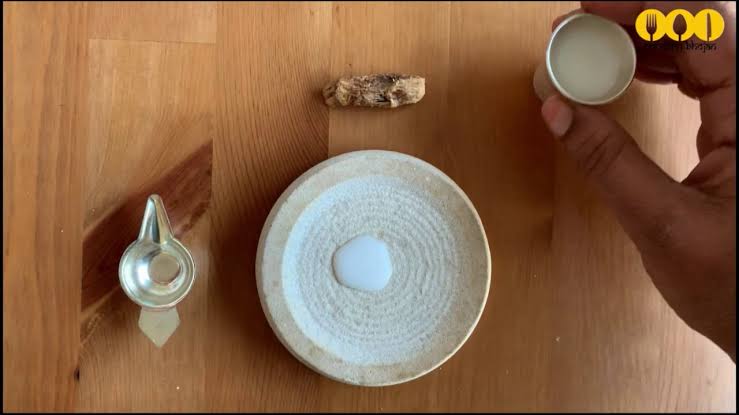
The procedure to make it is in the link
https://t.co/uo4sGp7mUm
It should not be given daily to the child. Other main benefits are
1. It clears the phlegm in child's throat caused due to continuous milk intake. It clears the tracts and breathing is effortless.
2. Digestion
For children who haven't got their speech and is delayed than usual should feed this vasa on these days in week atleast for 6months. Don't get carried away with this dialogue
"Some gain speech little late"
In ancient times, our grandparents used to follow typical natural way of caring the needs of a child. All they used were more of natural products than chemical based for the growth of child.
One of major step followed was to feed Gurbach Jadd/ Vasa Kommu/ Acorus Calamus for initiating good speech ability in a child. This stem was needed to babies on Tuesdays and Sundays in mother's milk.
Vasa is feed to baby after the 1st bath on 12th day in week. Weekly only thrice it is fed and named as :
Budhwar - Budhi Vasa
Mangalwar - Vaak Vasa
Ravi Vaar - Aayush Vasa
This stem is burnt and rubbed against the grinding stone in mother's milk or warm water to get a paste
The procedure to make it is in the link
https://t.co/uo4sGp7mUm
It should not be given daily to the child. Other main benefits are
1. It clears the phlegm in child's throat caused due to continuous milk intake. It clears the tracts and breathing is effortless.
2. Digestion
For children who haven't got their speech and is delayed than usual should feed this vasa on these days in week atleast for 6months. Don't get carried away with this dialogue
"Some gain speech little late"


