
okay so here's a snippet of what you missed on #neurodiverse TikTok yesterday; there was two things happening at once and they intersected so it got confusing
That's probably as clear as mud but that's all I wanna say about that: onto the other thing!
some folks from autistic tiktok started noticing that folks from ADHD tiktok were borrowing terms and experiences that had been generated by the autistic community that they felt were also applicable to them
Now, we all know this is complex and nuanced bc ADHD and autism share a lot of traits and many people have both. So it's challenging to answer the question of whether ADHD folks mask or stim because some probably do while others dont
Understandably, some from ADHDtok felt this was gatekeeping
More from Tech


Next.js has taken the web dev world by storm
It’s the @reactjs framework devs rave about praising its power, flexibility, and dev experience
Don't feel like you're missing out!
Here's everything you need to know in 10 tweets
Let’s dive in 🧵
Next.js is a @reactjs framework from @vercel
It couples a great dev experience with an opinionated feature set to make it easy to spin up new performant, dynamic web apps
It's used by many high-profile teams like @hulu, @apple, @Nike, & more
https://t.co/whCdm5ytuk
@vercel @hulu @Apple @Nike The team at @vercel, formerly Zeit, originally and launched v1 of the framework on Oct 26, 2016 in the pursuit of universal JavaScript apps
Since then, the team & community has grown expotentially, including contributions from giants like @Google
https://t.co/xPPTOtHoKW
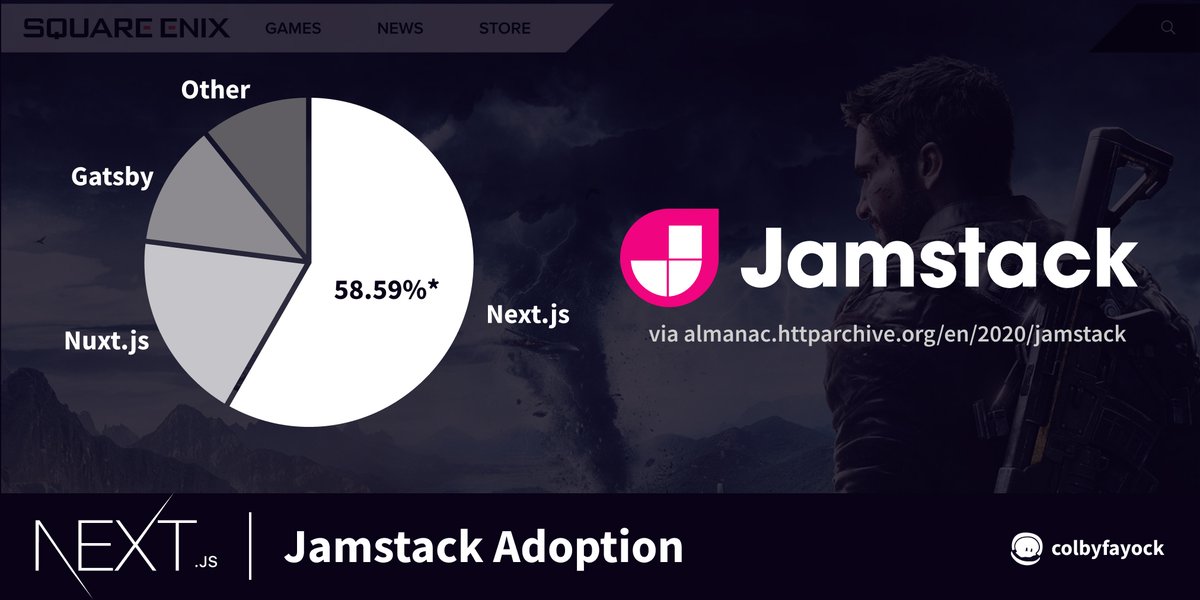
@vercel @hulu @Apple @Nike @Google In the #jamstack world, Next.js pulled a hefty 58.6% share of framework adoption in 2020
Compared to other popular @reactjs frameworks like Gatsby, which pulled in 12%
*The Next.js stats likely include some SSR, arguably not Jamstack
https://t.co/acNawfcM4z
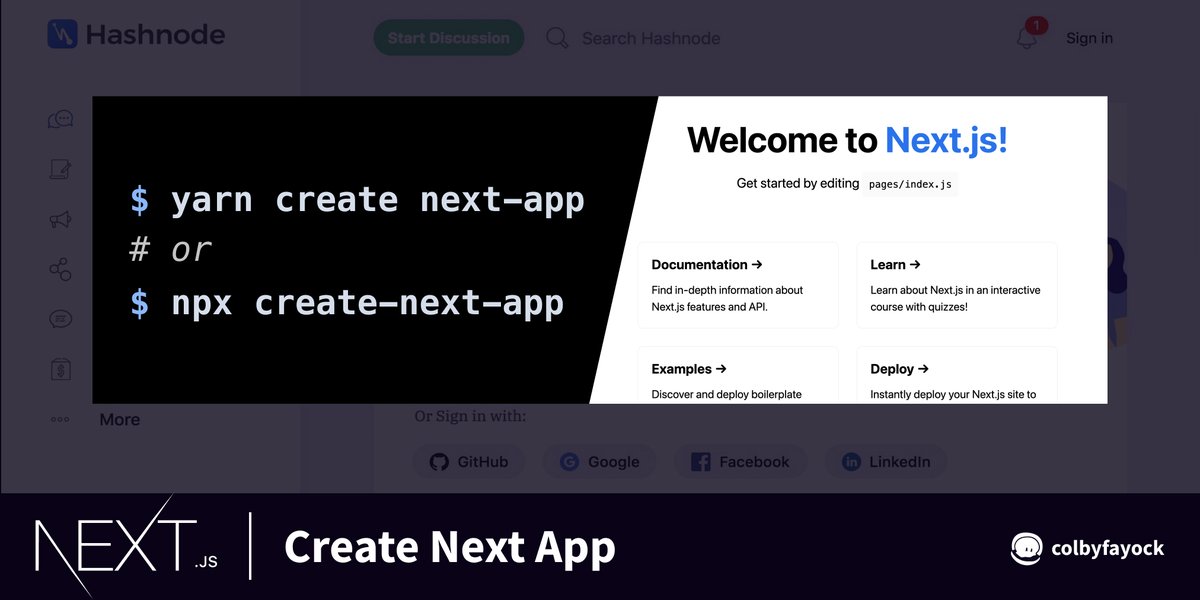
@vercel @hulu @Apple @Nike @Google The easiest way to get started with a new Next.js app is with Create Next App
Simply run:
yarn create next-app
or
npx create-next-app
You can even start from a git-based template with the -e flag
yarn create next-app -e https://t.co/JMQ87gi1ue
https://t.co/rwKhp7zlys
It’s the @reactjs framework devs rave about praising its power, flexibility, and dev experience
Don't feel like you're missing out!
Here's everything you need to know in 10 tweets
Let’s dive in 🧵
Next.js is a @reactjs framework from @vercel
It couples a great dev experience with an opinionated feature set to make it easy to spin up new performant, dynamic web apps
It's used by many high-profile teams like @hulu, @apple, @Nike, & more
https://t.co/whCdm5ytuk
@vercel @hulu @Apple @Nike The team at @vercel, formerly Zeit, originally and launched v1 of the framework on Oct 26, 2016 in the pursuit of universal JavaScript apps
Since then, the team & community has grown expotentially, including contributions from giants like @Google
https://t.co/xPPTOtHoKW
@vercel @hulu @Apple @Nike @Google In the #jamstack world, Next.js pulled a hefty 58.6% share of framework adoption in 2020
Compared to other popular @reactjs frameworks like Gatsby, which pulled in 12%
*The Next.js stats likely include some SSR, arguably not Jamstack
https://t.co/acNawfcM4z
@vercel @hulu @Apple @Nike @Google The easiest way to get started with a new Next.js app is with Create Next App
Simply run:
yarn create next-app
or
npx create-next-app
You can even start from a git-based template with the -e flag
yarn create next-app -e https://t.co/JMQ87gi1ue
https://t.co/rwKhp7zlys
You May Also Like





A brief analysis and comparison of the CSS for Twitter's PWA vs Twitter's legacy desktop website. The difference is dramatic and I'll touch on some reasons why.
Legacy site *downloads* ~630 KB CSS per theme and writing direction.
6,769 rules
9,252 selectors
16.7k declarations
3,370 unique declarations
44 media queries
36 unique colors
50 unique background colors
46 unique font sizes
39 unique z-indices
https://t.co/qyl4Bt1i5x

PWA *incrementally generates* ~30 KB CSS that handles all themes and writing directions.
735 rules
740 selectors
757 declarations
730 unique declarations
0 media queries
11 unique colors
32 unique background colors
15 unique font sizes
7 unique z-indices
https://t.co/w7oNG5KUkJ

The legacy site's CSS is what happens when hundreds of people directly write CSS over many years. Specificity wars, redundancy, a house of cards that can't be fixed. The result is extremely inefficient and error-prone styling that punishes users and developers.
The PWA's CSS is generated on-demand by a JS framework that manages styles and outputs "atomic CSS". The framework can enforce strict constraints and perform optimisations, which is why the CSS is so much smaller and safer. Style conflicts and unbounded CSS growth are avoided.
Legacy site *downloads* ~630 KB CSS per theme and writing direction.
6,769 rules
9,252 selectors
16.7k declarations
3,370 unique declarations
44 media queries
36 unique colors
50 unique background colors
46 unique font sizes
39 unique z-indices
https://t.co/qyl4Bt1i5x
PWA *incrementally generates* ~30 KB CSS that handles all themes and writing directions.
735 rules
740 selectors
757 declarations
730 unique declarations
0 media queries
11 unique colors
32 unique background colors
15 unique font sizes
7 unique z-indices
https://t.co/w7oNG5KUkJ
The legacy site's CSS is what happens when hundreds of people directly write CSS over many years. Specificity wars, redundancy, a house of cards that can't be fixed. The result is extremely inefficient and error-prone styling that punishes users and developers.
The PWA's CSS is generated on-demand by a JS framework that manages styles and outputs "atomic CSS". The framework can enforce strict constraints and perform optimisations, which is why the CSS is so much smaller and safer. Style conflicts and unbounded CSS growth are avoided.


