Buzz Chronicles
Follow
Home
Threads
Daily Charts
Most Popular
Most Recent
Authors
Categories
Life
Tech
Culture
Politics
Society
Fun
See All Categories
About
×
Share it somewhere
BC
SOUNDTRACK
Saved by @ChibuzorObilom
Haz
@pubIad
5 years, 9 months ago
874 views
Save to PDF
Share
See On Twitter
Best fifa songs of all time a thread
John Newman- Love me again
Smallpools - Dreaming
Milky chance - down by the river
American Authors- Hit it
Avicii- The nights
Banners - Shine a light
Kwabs- Walk
Olympic Ayres - Magic
The Big Bang - rock Mafia
Empire of the sun - Alive
Crystal fighters - Love Natural
The royal concept- on our way
Teddybears- Sunshine
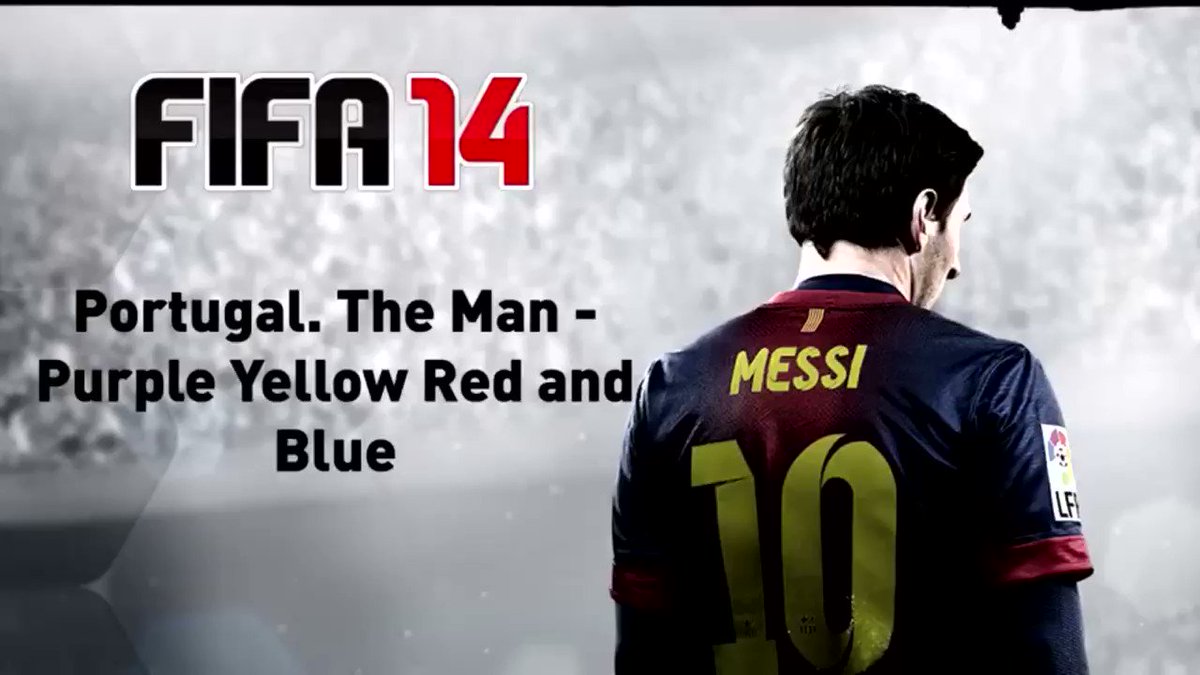
Purple yellow red & blue
Digitalism- circles
We come running -
Kygo- Raging
Weight of living - Bastille
You May Also Like
Sam Rocha
@SamRochadotcom
THREAD
I get asked for writing tips a lot. Of all the ones I’ve given, here are a few of the ones that seem to hold true and remain somewhat universal or at least mostly unobjectionable:
#amwriting #writingtips
1. If you are a fast writer (i.e., if you compose first drafts very quickly) then you absolutely must become a slow editor. Much of what I call “writing” is really, for me, editing.
2. If you don’t read you cannot write a lot or well. Sure, maybe you can read like a maniac for a decade and then read less after that, but without some large volume of intake, there will never be a meaningful output.
2.1 I sometimes say that I feel like writing without reading is like trying to run a marathan on a cracker. And sadly I see many students struggling to write when they have simply never read enough to fuel that demand of the task at hand.
3. All writing is writing if one decides to treat it that way. If one takes some degree of intentional will when sending emails, posting on social media and writing notes and marginalia, then all of that can count as meaningful daily writing.
Noah Smith
@Noahpinion
1/OK, I should really write another thread about university-centric regional development, because I think people often make some (very understandable) mistakes when thinking about this issue.
2/The biggest myth, I think, is that universities help regions by educating locals as undergraduates.
Skeptics of universities say: "But most of the people who graduate end up leaving."
3/In fact, most of what a university does for a regional economy is NOT about educating local kids.
Educating local kids is good for the nation, but doesn't help a region much.
The way a university helps a region is through
4/Undergraduates usually leave town after graduation.
But university RESEARCH pulls in OTHER smart people from other regions, and they stay there.
Here's a paper showing that this is the main way universities increase a region's human capital:
5/Research also pulls in business investment.
Companies want to partner with university labs, so they can commercialize the technologies the labs produce. So they invest in the labs, and sometimes they even put their offices in the town.
Advertisement
Eric
@ericbahn
1/ Recently, I learned about the concept of ‘struggle porn’. This refers to the fetish of sacrificing nearly everything (health, relationships, time) for your startup. I fear that this label is creating more harm than good.
2/ @nateliason wrote a fabulous article about this topic, which first introduced me to this concept. Everyone should read it:
3/ @alexisohanian also recently spoke about struggle porn, though referring to it as ‘hustle porn.’ (as the co-founder of @hustlefundvc, obviously I take issue with this pejorative definition of ‘hustle’, but that’s another topic)
4/ Struggling in itself isn’t necessarily bad. Let’s be real here--if you’re going to start a startup, you will struggle. Founders should expect to work harder generally than employees. You will be challenged in many ways and also be super rewarded in others. This is normal.
5/ However, if you are over-indexing on hard work without clear purpose and degrading your mental health/relationships in the process--then this is very bad and we obviously should not celebrate this behavior.
Antonio García Martíne...
@antoniogm
Observing the public conversation around FB, and the private ones happening among techies and ex-FBers, I think the mutual misunderstanding is worse than when I set out two years (and 500 pages) ago to (in a small way) bridge that gulf.
We're basically fucked.
The tech world has gotten so huge, self-reinforcing, and insulated from reality they can no longer even vaguely look at themselves (and their actions) as others do. They just live on a different planet than most people.
Conversely, the average tech consumer doesn't understand the technology that has slowly taken over their lives, and their designated emissaries to figure it out--politicians, pundits, regulators, journalists--understand it barely better than they do, and have their own agendas.
To say more than generalities for a moment, here's what I think is likely the core problem.
Techies take weird, improbable visions, and make them realities: some BS pitch deck to a VC, mixed with money and people, really does turn into some novel thing.
Most people work inside a legacy industry that's evolved that way over time (usually for good reasons), and they think about the future via some analogy with their present (which is a function of a long-ago past). The interruption that tech will introduce is often hard to grasp.
Chris Herd
@chris_herd
The 2020s will be known as the Remote Work decade
A few predictions of what is likely to emerge
[ a thread ] 💻🏠🌍
🏦Third Space: Office and Working from Home will be joined by somewhere close by that a number of people will use
Supermarkets or local bank branches should emerge as a convenient ubiquitous location option – if they are smart
⏰Asynchronous Work: Offices are instantaneous gratification distraction factories where synchronous work makes it impossible to get stuff done
Tools that enable asynchronous work are the most important thing globally remote teams need. A lot of startups will try to tackle this
⚽️Hobbie Renaissance: Remote working will lead to a rise in people participating in hobbies and activities which link them to people in their local community
This will lead to deeper, more meaningful relationships which overcome societal issues of loneliness and issolation
🚜Rural Living: World-class people will move to smaller cities, have a lower cost of living & higher quality of life
These regions must innovate quickly to attract that wealth. Better schools, faster internet connections are a must