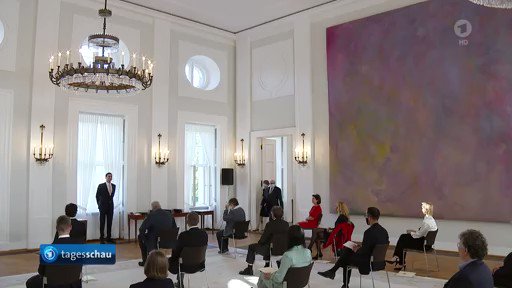
Today in #DetectingDeception is the false comparison. I've seen this graphic a few places on social media and I don't know if it's authentic, but for this discussion, that doesn't really matter. Here's why something like this would have issues.

2/ When you look at information, there are a few relevant questions you might ask:

Is it true?

Is it in context?

Is it relevant?
3/ I started by looking at the source. There IS a Major Cities Chiefs Association, and they did produce a report on last summer's protests you can find on their website. https://t.co/2bXLmIN9qi
4/ I didn't see on their site or their Twitter feed any numbers about last week. If the graphic is real, I would hope the source for those numbers was at least said on air. (That doesn't help me now, and is a reason to make your graphics complete #TeachJMC)
5/ Are the elements of the graphic in context? Here's where I start to have problems. Looking at the original report, it states that there were around 8700 protests noted over a roughly 2-month period. If that's the left column, the right is 1 day.
6/ Comparing numbers from 8700 events to numbers from 1 event is a false comparison. It seems to be used to set up an appeal to hypocrisy - an accusation of sweeping damage from last summer under the rug while being outraged by "less" damage in the capitol.
7/ Remember that in appeals to hypocrisy, you are ignoring the fact that two things can both be bad. Injured officers are bad, regardless of context. Deaths in civil violence are bad, regardless of context. And even a hypocrite could be right the second time.
8/ Final question: is the comparison relevant. Maybe, but not for the reason you think. In the MCCA full report, there's this phrase. "... in most cases, the acts were perpetrated by individuals or small groups that infiltrated the larger protests. https://t.co/ww7GhixOY5
9/ I know, without good evidence, misinformation is claiming that antifa actually did the damage and violence bit last week. This has been debunked multiple times. The MCCA report is talking about things like this: https://t.co/wYhY9q6HYZ
10/ The relevance, then, would seem to be that the extremists who tried to take the capitol have opportunistically used protests before.
11/ Using numbers and graphics can make false comparisons look compelling, when really they are deceptive. Going back to the original sources can help you in #DetectingDeception
12/ And a reminder that if you want to get better at finding the problems with things public figures say, I wrote an inexpensive little book that teaches you how. Check it out, if you like! https://t.co/xHQSqY43A6

More from Society

You May Also Like

1/“What would need to be true for you to….X”

Why is this the most powerful question you can ask when attempting to reach an agreement with another human being or organization?

A thread, co-written by @deanmbrody:


2/ First, “X” could be lots of things. Examples: What would need to be true for you to

- “Feel it's in our best interest for me to be CMO"
- “Feel that we’re in a good place as a company”
- “Feel that we’re on the same page”
- “Feel that we both got what we wanted from this deal

3/ Normally, we aren’t that direct. Example from startup/VC land:

Founders leave VC meetings thinking that every VC will invest, but they rarely do.

Worse over, the founders don’t know what they need to do in order to be fundable.

4/ So why should you ask the magic Q?

To get clarity.

You want to know where you stand, and what it takes to get what you want in a way that also gets them what they want.

It also holds them (mentally) accountable once the thing they need becomes true.

5/ Staying in the context of soliciting investors, the question is “what would need to be true for you to want to invest (or partner with us on this journey, etc)?”

Multiple responses to this question are likely to deliver a positive result.