
1. If baffles me that with so many attorneys on Twitter none spot the issue. Trump's entire team quits ten days before one of the historic trials of all time. That only happens under one circumstance that I know. DC applies version of the ABA Model rules of Professional Conduct.
More from Society

Sandbank Danger, A Thread

Controversy Has Been Caused By The Digging Of A Narrow Channel By A Resort On A Sandbank Near K. Hinmafushi.

Hinmafushi Council President Shan Ibrahim Stated To Sun That The Resort, Which Dug The Trench Creating A River On The Sandbank, Did Not Have Ownership Over The Sandbank.
Officials From The Island Of Hinmafushi Had Traveled To The Sandbank To Stop The Process Of Digging The Trench When They Became Aware Of It, Said Shan.
Officials Were Now Redepositing The Sand Removed From The Sandbank.
Controversy Has Been Caused By The Digging Of A Narrow Channel By A Resort On A Sandbank Near K. Hinmafushi.
Hinmafushi Council President Shan Ibrahim Stated To Sun That The Resort, Which Dug The Trench Creating A River On The Sandbank, Did Not Have Ownership Over The Sandbank.
Officials From The Island Of Hinmafushi Had Traveled To The Sandbank To Stop The Process Of Digging The Trench When They Became Aware Of It, Said Shan.
Officials Were Now Redepositing The Sand Removed From The Sandbank.
— Ahmed Aznil (@AhmedAznil) January 21, 2021


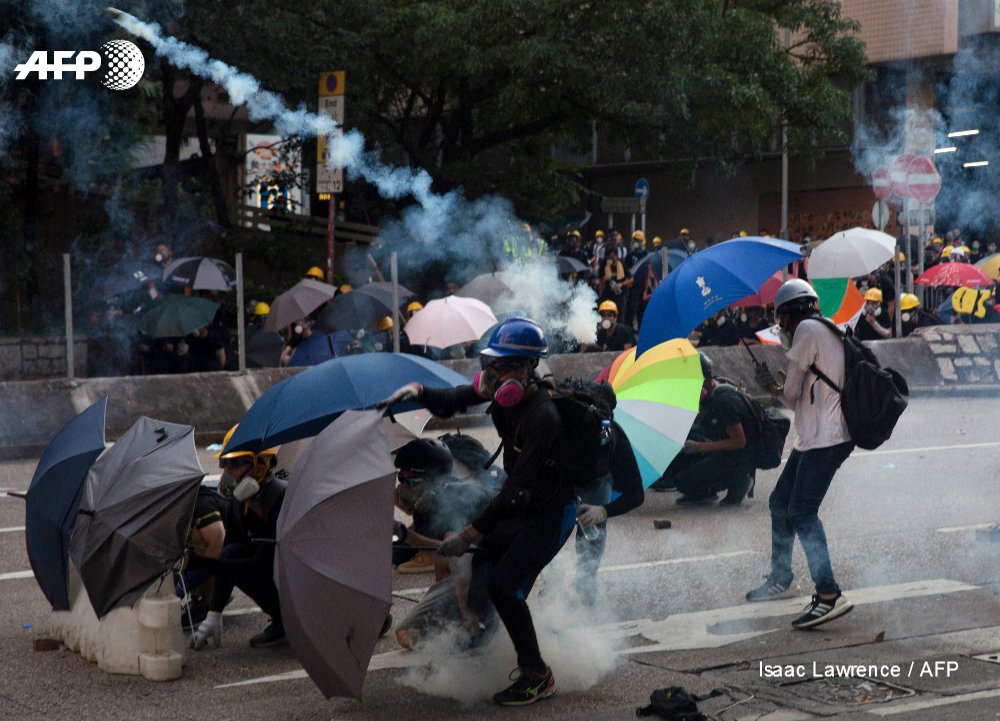
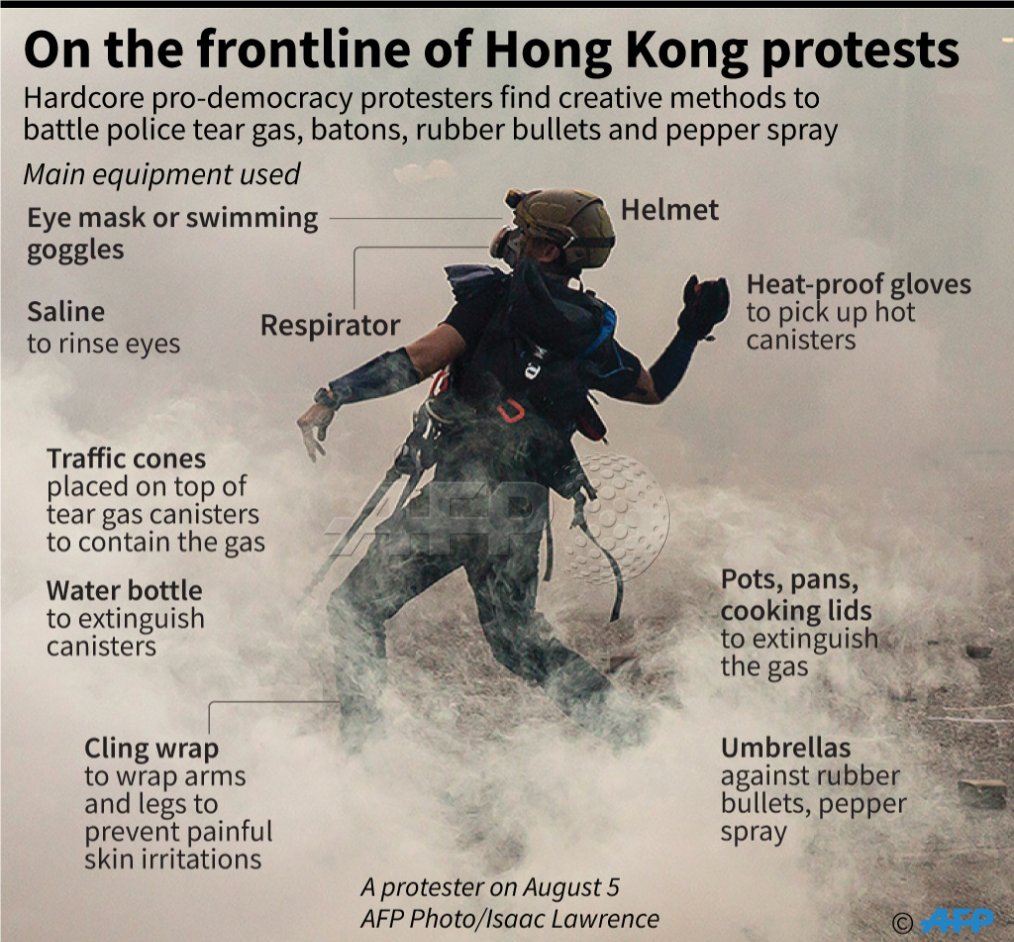
Hong Kong protester equipment list:
- respirator (dubbed "pig snouts" in Cantonese)
- helmet
- eye mask
- heat-proof gloves
- water bottle
- cling wrap
- saline
- traffic cones
- pots and pans
Demonstrators find creative methods to battle police tear gas
https://t.co/kPeUTu9iFh
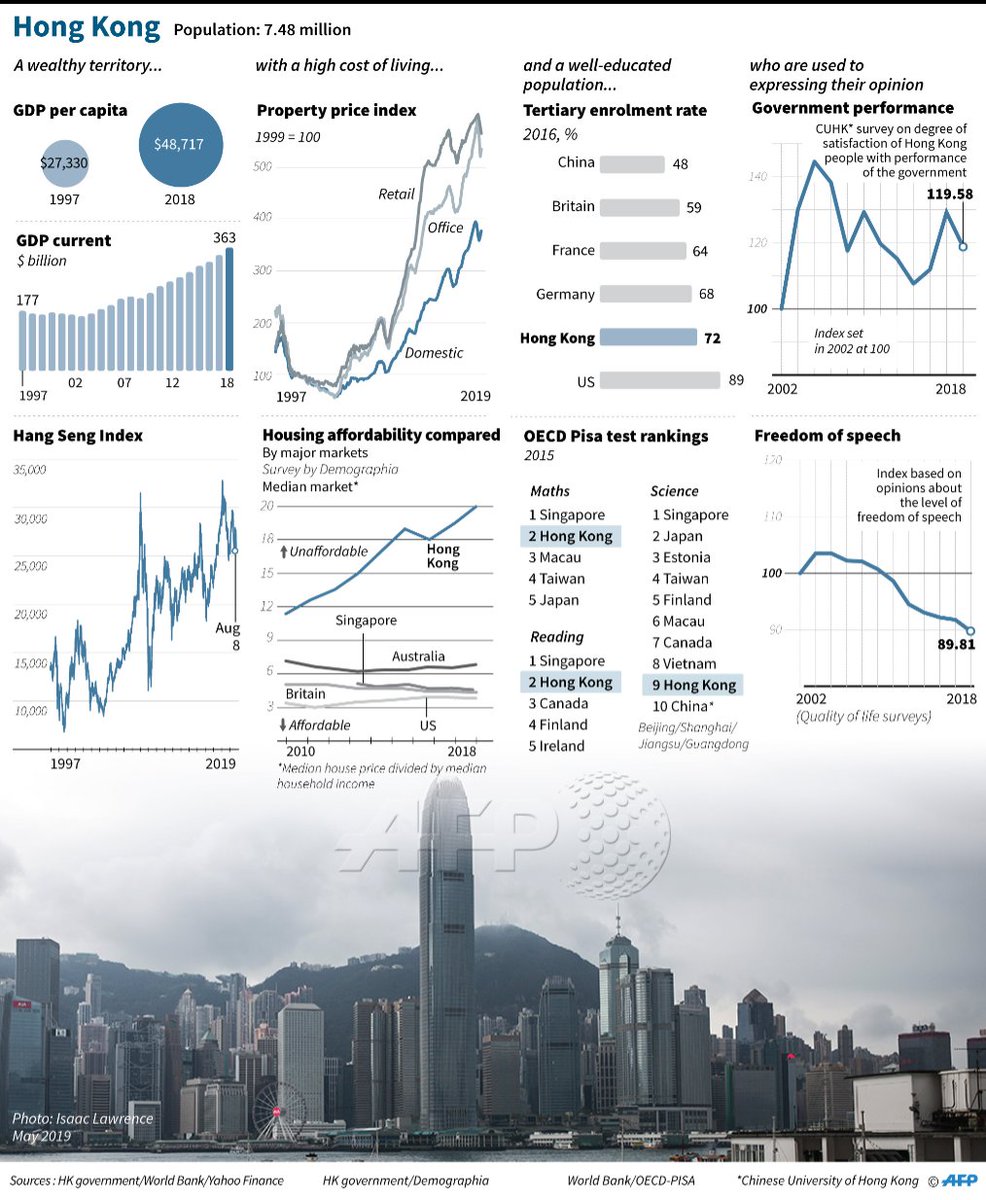
AFP graphic charting Hong Kong's main socio-economic indicators and opinion polls on press freedom and government performance
@AFPgraphics
AFP graphic showing the main equipment used by hardcore pro-democracy protesters in Hong Kong to battle police tear gas, pepper spray and rubber bullets
@AFPgraphics
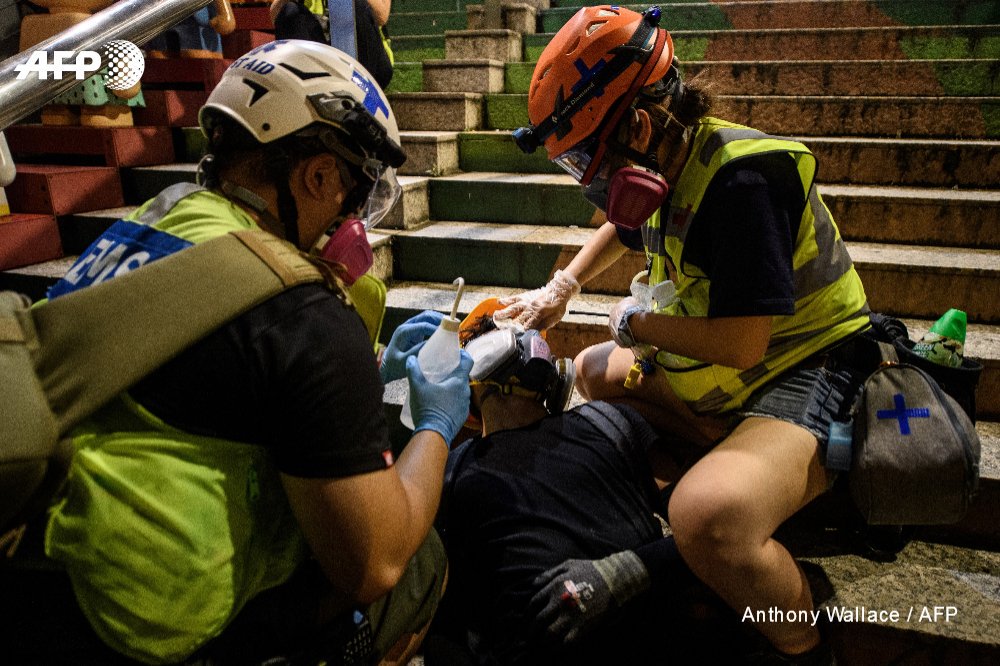
Frontline first aid.
Nurses, doctors, medical students and ordinary citizens with first aid training have clamoured to join a small volunteer corps helping treat people involved in the Hong Kong protests
@AFP's Yan Zhao reports: https://t.co/uDfYkMeZJf
📸 Anthony Wallace
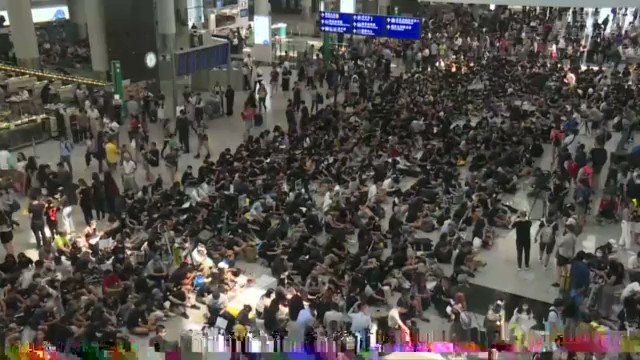
Pro-democracy activists kick off three days of rallies at Hong Kong airport.
Protesters hope to win international support from arriving passengers. The last demonstration at the airport on July 26 passed off peacefully without causing flight disruptions
https://t.co/jmVqtEd4M2
- respirator (dubbed "pig snouts" in Cantonese)
- helmet
- eye mask
- heat-proof gloves
- water bottle
- cling wrap
- saline
- traffic cones
- pots and pans
Demonstrators find creative methods to battle police tear gas
https://t.co/kPeUTu9iFh
AFP graphic charting Hong Kong's main socio-economic indicators and opinion polls on press freedom and government performance
@AFPgraphics
AFP graphic showing the main equipment used by hardcore pro-democracy protesters in Hong Kong to battle police tear gas, pepper spray and rubber bullets
@AFPgraphics
Frontline first aid.
Nurses, doctors, medical students and ordinary citizens with first aid training have clamoured to join a small volunteer corps helping treat people involved in the Hong Kong protests
@AFP's Yan Zhao reports: https://t.co/uDfYkMeZJf
📸 Anthony Wallace
Pro-democracy activists kick off three days of rallies at Hong Kong airport.
Protesters hope to win international support from arriving passengers. The last demonstration at the airport on July 26 passed off peacefully without causing flight disruptions
https://t.co/jmVqtEd4M2


You May Also Like


"I really want to break into Product Management"
make products.
"If only someone would tell me how I can get a startup to notice me."
Make Products.
"I guess it's impossible and I'll never break into the industry."
MAKE PRODUCTS.
Courtesy of @edbrisson's wonderful thread on breaking into comics – https://t.co/TgNblNSCBj – here is why the same applies to Product Management, too.
There is no better way of learning the craft of product, or proving your potential to employers, than just doing it.
You do not need anybody's permission. We don't have diplomas, nor doctorates. We can barely agree on a single standard of what a Product Manager is supposed to do.
But – there is at least one blindingly obvious industry consensus – a Product Manager makes Products.
And they don't need to be kept at the exact right temperature, given endless resource, or carefully protected in order to do this.
They find their own way.
make products.
"If only someone would tell me how I can get a startup to notice me."
Make Products.
"I guess it's impossible and I'll never break into the industry."
MAKE PRODUCTS.
Courtesy of @edbrisson's wonderful thread on breaking into comics – https://t.co/TgNblNSCBj – here is why the same applies to Product Management, too.
"I really want to break into comics"
— Ed Brisson (@edbrisson) December 4, 2018
make comics.
"If only someone would tell me how I can get an editor to notice me."
Make Comics.
"I guess it's impossible and I'll never break into the industry."
MAKE COMICS.
There is no better way of learning the craft of product, or proving your potential to employers, than just doing it.
You do not need anybody's permission. We don't have diplomas, nor doctorates. We can barely agree on a single standard of what a Product Manager is supposed to do.
But – there is at least one blindingly obvious industry consensus – a Product Manager makes Products.
And they don't need to be kept at the exact right temperature, given endless resource, or carefully protected in order to do this.
They find their own way.


