Detailed thread
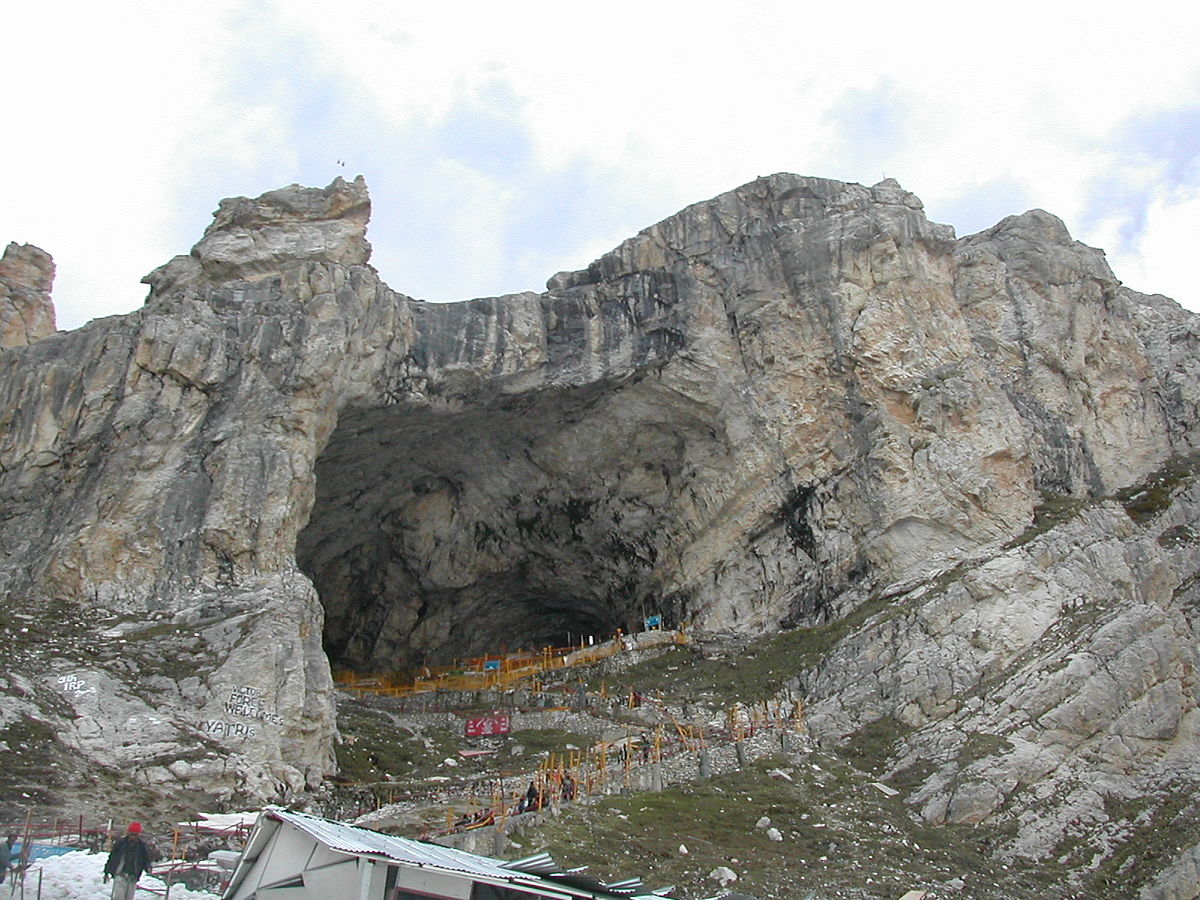
Amaranth cave situated at an altitude of 3,888 m is considered 1of the holiest shrines in Hinduism .Located in Distt Anantnag ,Kashmir it is surr by snow clad mountains,the cave also remains covered wth snow during most of the year except for a few summer months
More from Religion


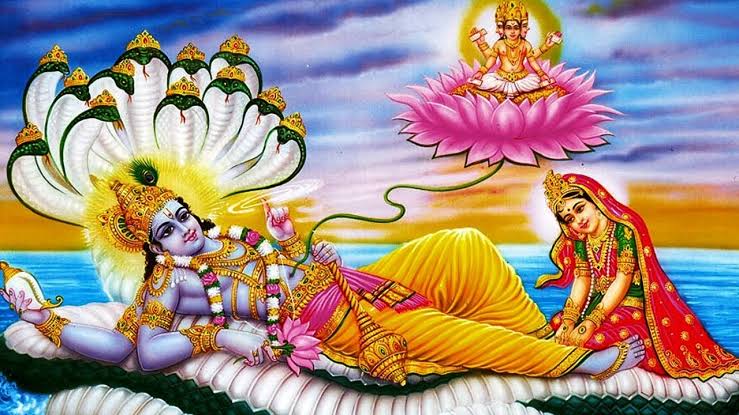


A TINY THREAD ON NON-ACCEPTANCE OF ATHEISTS IN SOME HINDU HOLY BOOKS.
Many RW Hindus with confused identity think that Hinduism accepts Atheists.
What do some of the Hindu sacred texts say on this topic? Let's see.

Shri Krishna was 100% clear on importance of Shaastras as we already know.

Shri Rama was also clear on what should be done to atheists.
Ayodhya Kanda of Valmiki Ramayana.
https://t.co/lbCkEkPobA

Maharaaj Manu on Atheists.

Bhagvan Ved Vyas Ji in Shanti Parva of Mahabharata said this to his son Shukadeva regarding Atheists.

Many RW Hindus with confused identity think that Hinduism accepts Atheists.
What do some of the Hindu sacred texts say on this topic? Let's see.
Shri Krishna was 100% clear on importance of Shaastras as we already know.
Shri Rama was also clear on what should be done to atheists.
Ayodhya Kanda of Valmiki Ramayana.
https://t.co/lbCkEkPobA
Maharaaj Manu on Atheists.
Bhagvan Ved Vyas Ji in Shanti Parva of Mahabharata said this to his son Shukadeva regarding Atheists.


If you have a spiritual practice, this would be a good time to double down on it.
If you don’t have a spiritual practice, this wouldn’t be the worst time to start one.
1/x
Thread on why
Do yr spiritual practice. Even when you don't feel like it.
“Hardly does our head begin to ache than we stop going to choir, which won’t kill us either. We stay away 1 day bc our head ached, another bc it was just now aching & 3 more so that it won’t ache again.” Teresa of Avila
Ok: a spiritual practice. Something that you do regularly, and if you do it with the right intention, can transform your relationship to yourself, other people, the world and your place in it and (if this resonates with you) the divine.
Prayer. Meditation. But also: making art. Walks in nature. Going running, for some people. I wrote a whole entire book on parenting as a spiritual practice. Intention matters.
You don’t have to be religious to have one.
If you don’t have a spiritual practice, this wouldn’t be the worst time to start one.
1/x
Hey, today I told my therapist that the adrenaline I\u2019ve been relying on for the past 10 months or so has kinda... run out.
— Erynn Brook (@ErynnBrook) January 31, 2021
He said he\u2019s been hearing that from like every other client this month, so if you\u2019re feeling that too, you\u2019re not alone.
Thread on why
This, from @LeeClf. Read the whole quote (from 1998 or therebouts.)
— Rabbi Danya Ruttenberg (@TheRaDR) June 2, 2020
"If we have never developed our religiousness -- that part of ourselves that involves our most powerfully transformative capacities -- it's as if we were walking around with one arm tied down....
Do yr spiritual practice. Even when you don't feel like it.
“Hardly does our head begin to ache than we stop going to choir, which won’t kill us either. We stay away 1 day bc our head ached, another bc it was just now aching & 3 more so that it won’t ache again.” Teresa of Avila
Ok: a spiritual practice. Something that you do regularly, and if you do it with the right intention, can transform your relationship to yourself, other people, the world and your place in it and (if this resonates with you) the divine.
Prayer. Meditation. But also: making art. Walks in nature. Going running, for some people. I wrote a whole entire book on parenting as a spiritual practice. Intention matters.
You don’t have to be religious to have one.