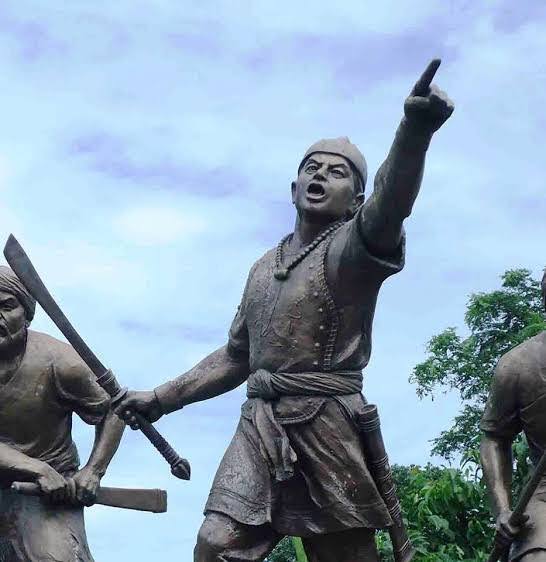
In the he heartland of the Eastern Ganga Dynasty had3 parts of Kalinga namely, Daksina Kalinga (Pithapura), Madhya Kalinga (Yellamanchili Kalinga or Visakhapatnam), Uttara Kalinga (districts of Srikakulam, Ganjam, Gajapati and Rayagada).
There were five prominent dominions of the Kalinga Ganga family in initial days: Kalinganagara (Srikakulam), Svetaka Mandala (Ganjam), Giri Kalinga (Simhapur), Ambabadi Mandala (Gunupur, Rayagada) and Vartanni Mandala (Hinjilikatu, Ganjam).
Eastern Ganga Dynasty
In the he heartland of the Eastern Ganga Dynasty had3 parts of Kalinga namely, Daksina Kalinga (Pithapura), Madhya Kalinga (Yellamanchili Kalinga or Visakhapatnam), Uttara Kalinga (districts of Srikakulam, Ganjam, Gajapati and Rayagada).
Eastern Ganga Dynasty
Eastern Ganga Dynasty
Eastern Ganga Dynasty
Eastern Ganga Dynasty
Eastern Ganga Dynasty
Eastern Ganga Dynasty

Eastern Ganga Dynasty
Eastern Ganga Dynasty
Eastern Ganga Dynasty
Eastern Ganga Dynasty
Eastern Ganga Dynasty
Eastern Ganga Dynasty
Eastern Ganga Dynasty
Chodaganga was, invited by the Somavanshi Brahmin minister and general, Vasudeva Ratha to oust the incompetent Somavanshi king. According to folklores, Chodaganga Deva reached Bhubaneswar with his army and dressed as a performer at the Somavanshi court..
Eastern Ganga Dynasty
Eastern Ganga Dynasty.

Eastern Ganga Dynasty

Eastern Ganga Dynasty

More from Religion




"Hinduism was one of the world's most easy-going faith traditions, famed for it's non-persecutory history."
I can assure you, it is NOT.
It is neither easy-going, nor non-persecutory. In fact it is the very opposite.
Thread.
Modern Hinduism is a British colonial concept, created in concert with Brahmins, who are at the "apex" of the caste system. The word "Hindoo" in fact, is of Persian origin, meaning a person who lives in the Indus valley.
Colonialists who attempted to study Indian religion in the 18th century (NOT, at the time, Hinduism) were baffled by it. Strata of people living distinctly (the caste system) with overlapping gods didn't fit into their Judeo-Christian understanding of religion.
Which has an ecclesiastical authority, a holy book etc., which Indian religions lacked. In studying "The Hindoo", colonialists prioritized textual sources of knowledge, which is where Brahmins, the priestly caste with a monopoly over education/text come in.
Brahminism was a distinct "religion" (although i don't really want to use the term in this way) that was frankly terrorized of other castes. In fact, the very basis of Brahminism is oppression. Brahmins had scholars who recorded *Brahminical* canon textually.
I can assure you, it is NOT.
It is neither easy-going, nor non-persecutory. In fact it is the very opposite.
Thread.
Hinduism was historically one of the world's most easy-going faith traditions, famed for its non-persecutory history. Now this ... pic.twitter.com/Obln4cns7b
— David Frum (@davidfrum) February 3, 2021
Modern Hinduism is a British colonial concept, created in concert with Brahmins, who are at the "apex" of the caste system. The word "Hindoo" in fact, is of Persian origin, meaning a person who lives in the Indus valley.
Colonialists who attempted to study Indian religion in the 18th century (NOT, at the time, Hinduism) were baffled by it. Strata of people living distinctly (the caste system) with overlapping gods didn't fit into their Judeo-Christian understanding of religion.
Which has an ecclesiastical authority, a holy book etc., which Indian religions lacked. In studying "The Hindoo", colonialists prioritized textual sources of knowledge, which is where Brahmins, the priestly caste with a monopoly over education/text come in.
Brahminism was a distinct "religion" (although i don't really want to use the term in this way) that was frankly terrorized of other castes. In fact, the very basis of Brahminism is oppression. Brahmins had scholars who recorded *Brahminical* canon textually.