Muslim thought in India can be thought of as having two lineages

1. Islamic puritanism

Lineage : Sirhindi -> Shāh Walīullāh ->Syed Ahmad Barelvi, Deobandi movement, Maulana Azad -> Jamaat e Islami

2. Muslim nationalism

Syed Ahmed Khan ->Jinnah, Iqbal - > Ayub Khan/Musharraf

The former originated largely as a religious movement.

It has its origins in Sirhindi, who voiced the view in 16th cen, that Akbar's policy was "Indianizing" Islam too much

Too much of Din-e-ilahi crap.

Let's keep Islam pure
That lineage continues in the thinking of 18th cen theologian Shah Waliullah , the Delhi based Islamic scholar who lived b/w 1703 and 1762

Waliullah like Sirhindi emphasized segregation/purity
and loyalty to the Ummah (the global Islamic whole)

Not to South Asian muslims per se
Waliullah once said

"Muslims, no matter where they live, they should be completely separated from the natives of that country in their culture, traditions and mannerisms. And wherever they are, they must be immersed in their Arabic splendor and Arabic trends”
This line of thinking continues in two 19th cen movements-

That of Syed Barelvi - who fought valiantly against Sikh rule in Punjab at Balakot

And that of the Deobandis in late 19th cen
The Khilafat movement's Ali brothers could be said to belong to this lineage

As well as figures like Maulana Azad and movements like Tablighi Jamaat

For them, the global muslim causes mattered more than South Asian muslim fortunes
So someone like Maulana Azad opposed Partition of India, because that would mean splitting the South Asian muslims into two. Not ideal

For the same reason, even Jamaat e Islami opposed Partition back in the 1940s. So did the Deobandis (if I am not wrong)
The modern Jamaat in Pakistan, and also fringe groups like AIMIM in India represent this school in South Asia today.

Emphasizing Islamic fundamentals. Not necessarily Muslim secular interests in South Asia
The other great branch in Muslim thought is more secular in character

This originates as late as 19th century in the figure of Syed Ahmed Khan

He was a "muslim modernizer", who supported the British in 1857
His obsession was more with "muslim interests" in South Asia. What will happen to Muslims in a Hindu majority subcontinent?

He did not think of Partition. But was focused on short run fortunes of Muslims in the wake of the great 19th cen Hindu ascendancy in civil services etc
He advocated even co-operation with the British, for this end, as he thought the Abrahamic and beef-eating Brits to be closer to Muslims in spirit than the Hindoos

He was not a fundamentalist, but a modernizer albeit religious
In his lineage, we have a different set of figures

People concerned with Muslim demographic in South Asia, and economic interests of Muslims

Not with Islamic purity per-se

In this branch we encounter Jinnah, the great Iqbal, Rahmat Ali, and men of that ilk.
You could say the military figures of Pakistan - like Ayub Khan, Yahya Khan, Musharraf represent this intellectual branch.
Now how does all this relate to the idea of Pakistan

We need to be clear that Pakistan as an idea emerged from the "Syed Ahmed Khan" branch. Not the tradition of Sirhindi / Waliullah
Syed Ahmed may not have thought of it. But it became a major agenda item for figures like Jinnah / Iqbal in early 20th century

Particularly after the great electoral setbacks of the mid-30s when Congress swept elections across the country
Today, Islamic revivalism / puritanism of the type that originated with Sirhindi 400+ years ago is represented in both India and Pakistan

But the Muslim nationalism of the type that emerged under Jinnah / Iqbal largely exists in Pakistan

Not so much in India
Both branches shared several things in common

For one thing - a strong antipathy towards Hindus

But the solutions were different in either case
The Islamic puritans were not BIG on partition
They preferred social segregation within an Indian federation

The Muslim nationalists, in contrast, were not content with segregation. Being more ambitious, they feared Hindu dominance in secular spheres

Hence the call for Pakistan

More from Religion

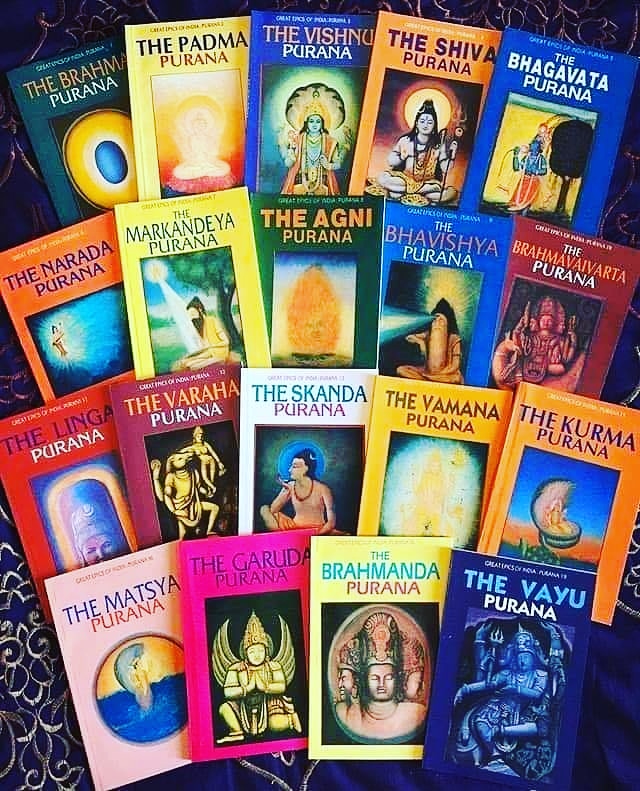
IMPORTANCE, ADVANTAGES AND CHARACTERISTICS OF BHAGWAT PURAN

It was Ved Vyas who edited the eighteen thousand shlokas of Bhagwat. This book destroys all your sins. It has twelve parts which are like kalpvraksh.

In the first skandh, the importance of Vedvyas


and characters of Pandavas are described by the dialogues between Suutji and Shaunakji. Then there is the story of Parikshit.
Next there is a Brahm Narad dialogue describing the avtaar of Bhagwan. Then the characteristics of Puraan are mentioned.

It also discusses the evolution of universe.(
https://t.co/2aK1AZSC79 )

Next is the portrayal of Vidur and his dialogue with Maitreyji. Then there is a mention of Creation of universe by Brahma and the preachings of Sankhya by Kapil Muni.


In the next section we find the portrayal of Sati, Dhruv, Pruthu, and the story of ancient King, Bahirshi.
In the next section we find the character of King Priyavrat and his sons, different types of loks in this universe, and description of Narak. ( https://t.co/gmDTkLktKS )


In the sixth part we find the portrayal of Ajaamil ( https://t.co/LdVSSNspa2 ), Daksh and the birth of Marudgans( https://t.co/tecNidVckj )

In the seventh section we find the story of Prahlad and the description of Varnashram dharma. This section is based on karma vaasna.
First thread of the year because I have time during MCO. As requested, a thread on the gods and spirits of Malay folk religion. Some are indigenous, some are of Indian origin, some have Islamic


Before I begin, it might be worth explaining the Malay conception of the spirit world. At its deepest level, Malay religious belief is animist. All living beings and even certain objects are said to have a soul. Natural phenomena are either controlled by or personified as spirits

Although these beings had to be respected, not all of them were powerful enough to be considered gods. Offerings would be made to the spirits that had greater influence on human life. Spells and incantations would invoke their


Two known examples of such elemental spirits that had god-like status are Raja Angin (king of the wind) and Mambang Tali Arus (spirit of river currents). There were undoubtedly many more which have been lost to time

Contact with ancient India brought the influence of Hinduism and Buddhism to SEA. What we now call Hinduism similarly developed in India out of native animism and the more formal Vedic tradition. This can be seen in the multitude of sacred animals and location-specific Hindu gods

You May Also Like

Rig Ved 1.36.7

To do a Namaskaar or bow before someone means that you are humble or without pride and ego. This means that we politely bow before you since you are better than me. Pranipaat(प्राणीपात) also means the same that we respect you without any vanity.

1/9


Surrendering False pride is Namaskaar. Even in devotion or bhakti we say the same thing. We want to convey to Ishwar that we have nothing to offer but we leave all our pride and offer you ourselves without any pride in our body. You destroy all our evil karma.

2/9

We bow before you so that you assimilate us and make us that capable. Destruction of our evils and surrender is Namaskaar. Therefore we pray same thing before and after any big rituals.

3/9

तं घे॑मि॒त्था न॑म॒स्विन॒ उप॑ स्व॒राज॑मासते ।
होत्रा॑भिर॒ग्निं मनु॑षः॒ समिं॑धते तिति॒र्वांसो॒ अति॒ स्रिधः॑॥

Translation :

नमस्विनः - To bow.

स्वराजम् - Self illuminating.

तम् - His.

घ ईम् - Yours.

इत्था - This way.

उप - Upaasana.

आसते - To do.

स्त्रिधः - For enemies.

4/9

अति तितिर्वांसः - To defeat fast.

मनुषः - Yajman.

होत्राभिः - In seven numbers.

अग्निम् - Agnidev.

समिन्धते - Illuminated on all sides.

Explanation : Yajmans bow(do Namaskaar) before self illuminating Agnidev by making the offerings of Havi.

5/9
#தினம்_ஒரு_திருவாசகம்
தொல்லை இரும்பிறவிச் சூழும் தளை நீக்கி
அல்லல் அறுத்து ஆனந்தம் ஆக்கியதே – எல்லை
மருவா நெறியளிக்கும் வாதவூர் எங்கோன்
திருவாசகம் என்னும் தேன்

பொருள்:
1.எப்போது ஆரம்பித்தது என அறியப்படமுடியாத தொலை காலமாக (தொல்லை)

2. இருந்து வரும் (இரும்)


3.பிறவிப் பயணத்திலே ஆழ்த்துகின்ற (பிறவி சூழும்)

4.அறியாமையாகிய இடரை (தளை)

5.அகற்றி (நீக்கி),

6.அதன் விளைவால் சுகதுக்கமெனும் துயரங்கள் விலக (அல்லல் அறுத்து),

7.முழுநிறைவாய்த் தன்னுளே இறைவனை உணர்த்துவதே (ஆனந்த மாக்கியதே),

8.பிறந்து இறக்கும் காலவெளிகளில் (எல்லை)

9.பிணைக்காமல் (மருவா)

10.காக்கும் மெய்யறிவினைத் தருகின்ற (நெறியளிக்கும்),

11.என் தலைவனான மாணிக்க வாசகரின் (வாதவூரெங்கோன்)

12.திருவாசகம் எனும் தேன் (திருவா சகமென்னுந் தேன்)

முதல்வரி: பிறவி என்பது முன்வினை விதையால் முளைப்பதோர் பெருமரம். அந்த ‘முன்வினை’ எங்கு ஆரம்பித்தது எனச் சொல்ல இயலாது. ஆனால் ‘அறியாமை’ ஒன்றே ஆசைக்கும்,, அச்சத்துக்கும் காரணம் என்பதால், அவையே வினைகளை விளைவிப்பன என்பதால், தொடர்ந்து வரும் பிறவிகளுக்கு, ‘அறியாமையே’ காரணம்

அறியாமைக்கு ஆரம்பம் கிடையாது. நமக்கு ஒரு பொருளைப் பற்றிய அறிவு எப்போதிருந்து இல்லை? அதைச் சொல்ல முடியாது. அதனாலேதான் முதலடியில், ஆரம்பமில்லாத அஞ்ஞானத்தை பிறவிகளுக்குக் காரணமாகச் சொல்லியது. ஆனால் அறியாமை, அறிவின் எழுச்சியால், அப்போதே முடிந்து விடும்.
The entire discussion around Facebook’s disclosures of what happened in 2016 is very frustrating. No exec stopped any investigations, but there were a lot of heated discussions about what to publish and when.


In the spring and summer of 2016, as reported by the Times, activity we traced to GRU was reported to the FBI. This was the standard model of interaction companies used for nation-state attacks against likely US targeted.

In the Spring of 2017, after a deep dive into the Fake News phenomena, the security team wanted to publish an update that covered what we had learned. At this point, we didn’t have any advertising content or the big IRA cluster, but we did know about the GRU model.

This report when through dozens of edits as different equities were represented. I did not have any meetings with Sheryl on the paper, but I can’t speak to whether she was in the loop with my higher-ups.

In the end, the difficult question of attribution was settled by us pointing to the DNI report instead of saying Russia or GRU directly. In my pre-briefs with members of Congress, I made it clear that we believed this action was GRU.