
We’ve been getting calls and outreach from Queens residents all day about this.
The community’s response? Outrage.
Amazon will divide its second headquarters evenly between New York's Long Island City and Arlington County's Crystal City neighborhoods. Other cities may also receive major sites. https://t.co/c1lKmeQinX
— The Wall Street Journal (@WSJ) November 13, 2018
- Has the company promised to hire in the existing community?
- What’s the quality of jobs + how many are promised? Are these jobs low-wage or high wage? Are there benefits? Can people collectively bargain?
Shuffling working class people out of a community does not improve their quality of life.
More from Politics


I told you they’d bring this up
I was wondering why that tweet had so many stupid replies. And now I see
Seriously, this was “the night before.” If you’re at the march where they’re changing “Jews will not replace us” and “Blood and soil,” you’re not a “very fine person.” Full stop.
There are 3 important moments in that transcript.
1.) When someone asked Trump about a statement *he had already made* about there being blame on “both sides,” he said the “fine people” line.
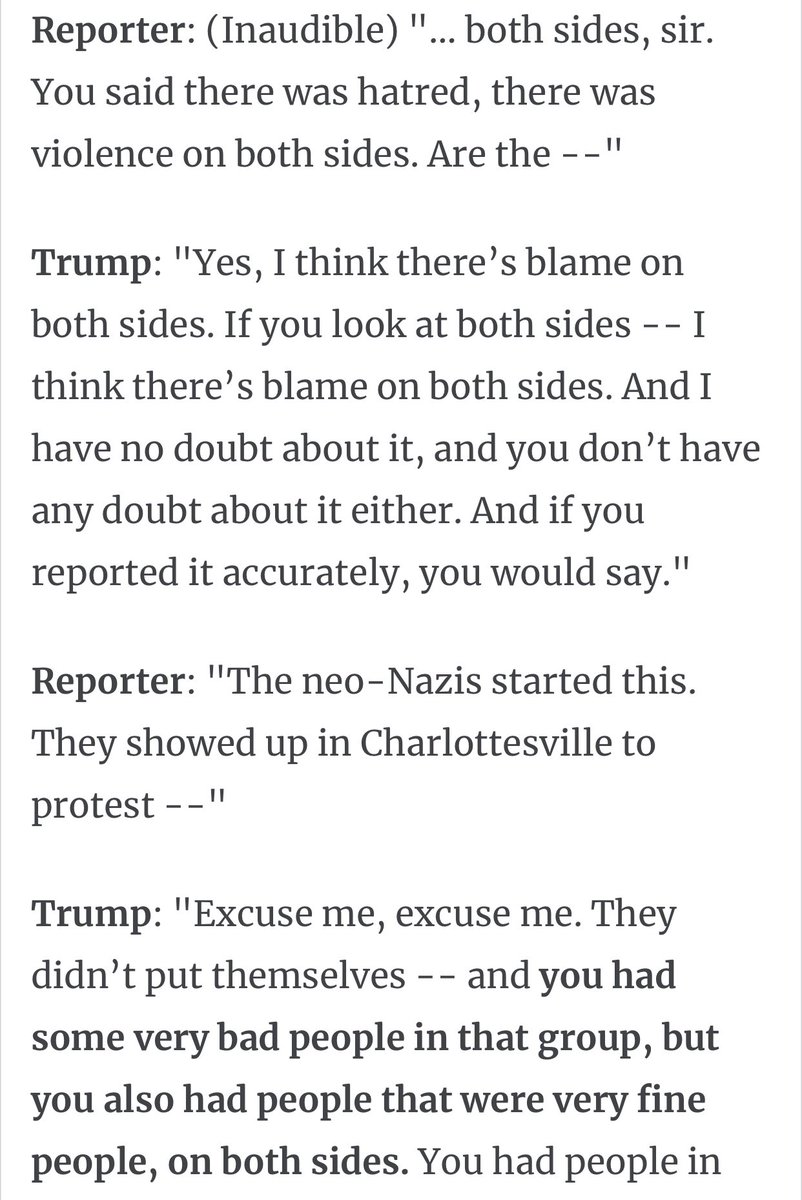
2. Trump does clarify! “I’m not talking about the neo-Nazis and white nationalists — because they should be condemned totally “
Okay!
Then adds that there were “many people in that group other than neo-Nazis and white nationalists.”

Right-wing media have essentially convinced themselves that Trump never said "very fine people." They're lying. https://t.co/5960NPMYLJ
— Parker Molloy (@ParkerMolloy) February 11, 2021
I was wondering why that tweet had so many stupid replies. And now I see
The Fine People Hoaxers are trying hard to keep you from reading the actual FULL transcript because then you would see how the hoax was pulled off with devious editing. https://t.co/PQLj0DWuPj
— Scott Adams (@ScottAdamsSays) February 11, 2021
Seriously, this was “the night before.” If you’re at the march where they’re changing “Jews will not replace us” and “Blood and soil,” you’re not a “very fine person.” Full stop.
Trump defense talking about how the then-president was praising the peaceful protests at Charlottesville that occurred "the night before" the violence on Saturday. That was the night where the torch-bearing crowd chanted "Jews will not replace us." pic.twitter.com/HCKS6Q9LBY
— Anthony Zurcher (@awzurcher) February 12, 2021
There are 3 important moments in that transcript.
1.) When someone asked Trump about a statement *he had already made* about there being blame on “both sides,” he said the “fine people” line.
2. Trump does clarify! “I’m not talking about the neo-Nazis and white nationalists — because they should be condemned totally “
Okay!
Then adds that there were “many people in that group other than neo-Nazis and white nationalists.”
You May Also Like

1/“What would need to be true for you to….X”
Why is this the most powerful question you can ask when attempting to reach an agreement with another human being or organization?
A thread, co-written by @deanmbrody:
2/ First, “X” could be lots of things. Examples: What would need to be true for you to
- “Feel it's in our best interest for me to be CMO"
- “Feel that we’re in a good place as a company”
- “Feel that we’re on the same page”
- “Feel that we both got what we wanted from this deal
3/ Normally, we aren’t that direct. Example from startup/VC land:
Founders leave VC meetings thinking that every VC will invest, but they rarely do.
Worse over, the founders don’t know what they need to do in order to be fundable.
4/ So why should you ask the magic Q?
To get clarity.
You want to know where you stand, and what it takes to get what you want in a way that also gets them what they want.
It also holds them (mentally) accountable once the thing they need becomes true.
5/ Staying in the context of soliciting investors, the question is “what would need to be true for you to want to invest (or partner with us on this journey, etc)?”
Multiple responses to this question are likely to deliver a positive result.
Why is this the most powerful question you can ask when attempting to reach an agreement with another human being or organization?
A thread, co-written by @deanmbrody:
Next level tactic when closing a sale, candidate, or investment:
— Erik Torenberg (@eriktorenberg) February 27, 2018
Ask: \u201cWhat needs to be true for you to be all in?\u201d
You'll usually get an explicit answer that you might not get otherwise. It also holds them accountable once the thing they need becomes true.
2/ First, “X” could be lots of things. Examples: What would need to be true for you to
- “Feel it's in our best interest for me to be CMO"
- “Feel that we’re in a good place as a company”
- “Feel that we’re on the same page”
- “Feel that we both got what we wanted from this deal
3/ Normally, we aren’t that direct. Example from startup/VC land:
Founders leave VC meetings thinking that every VC will invest, but they rarely do.
Worse over, the founders don’t know what they need to do in order to be fundable.
4/ So why should you ask the magic Q?
To get clarity.
You want to know where you stand, and what it takes to get what you want in a way that also gets them what they want.
It also holds them (mentally) accountable once the thing they need becomes true.
5/ Staying in the context of soliciting investors, the question is “what would need to be true for you to want to invest (or partner with us on this journey, etc)?”
Multiple responses to this question are likely to deliver a positive result.




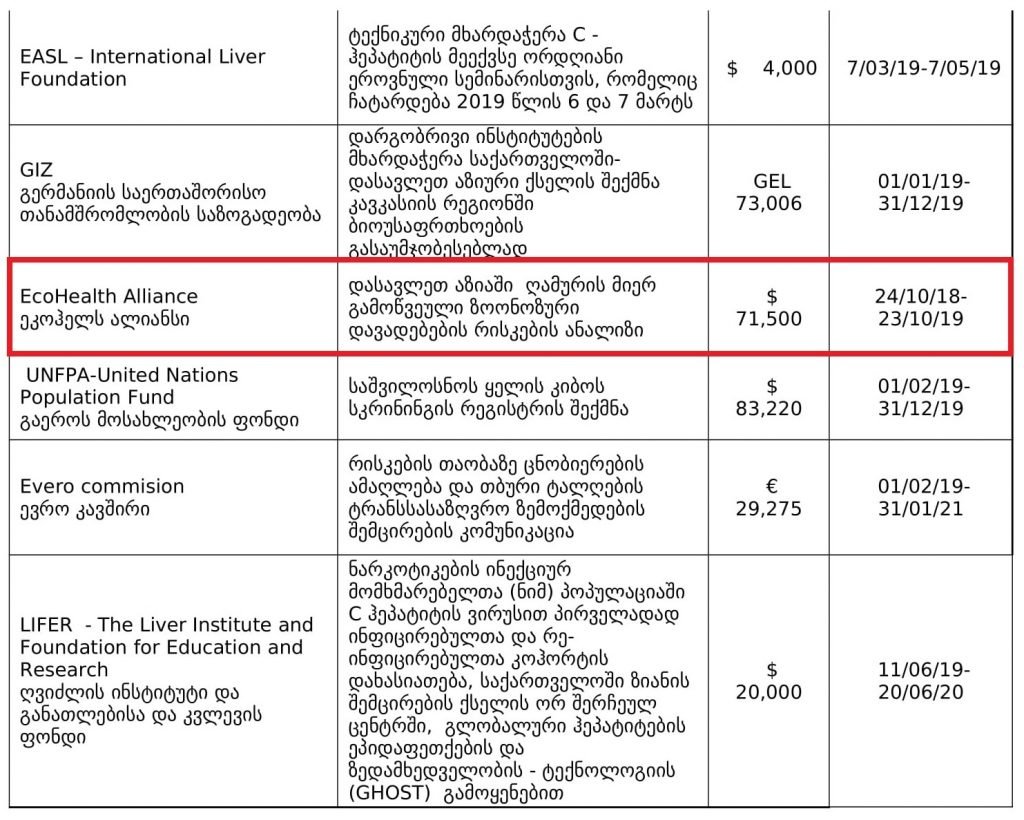
1. Project 1742 (EcoHealth/DTRA)
Risks of bat-borne zoonotic diseases in Western Asia
Duration: 24/10/2018-23 /10/2019
Funding: $71,500
@dgaytandzhieva
https://t.co/680CdD8uug
2. Bat Virus Database
Access to the database is limited only to those scientists participating in our ‘Bats and Coronaviruses’ project
Our intention is to eventually open up this database to the larger scientific community
https://t.co/mPn7b9HM48
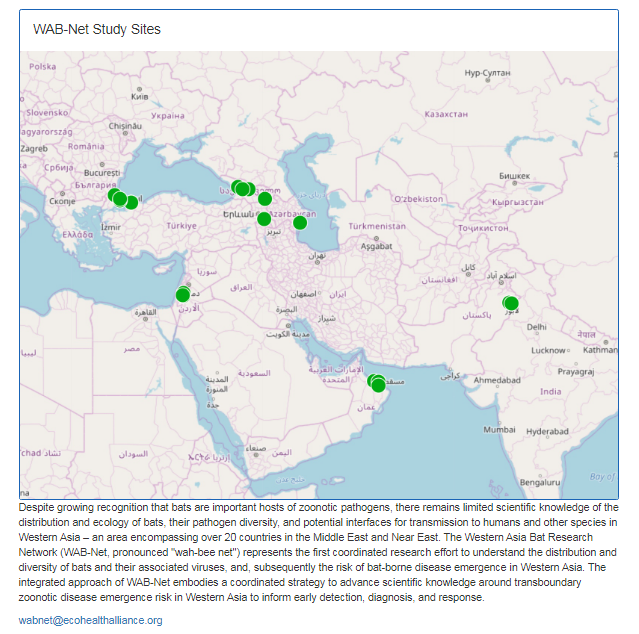
3. EcoHealth Alliance & DTRA Asking for Trouble
One Health research project focused on characterizing bat diversity, bat coronavirus diversity and the risk of bat-borne zoonotic disease emergence in the region.
https://t.co/u6aUeWBGEN
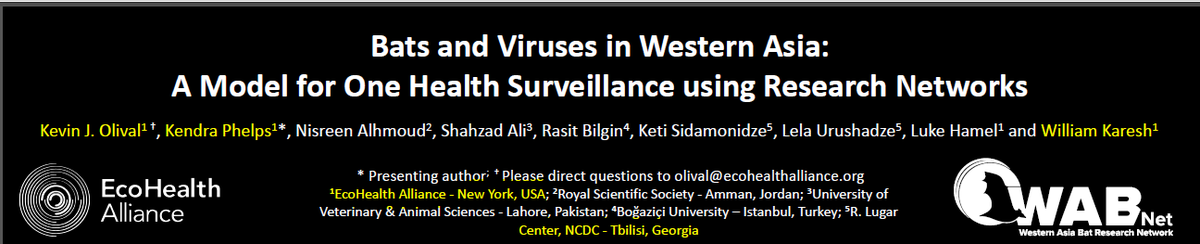
4. Phelps, Olival, Epstein, Karesh - EcoHealth/DTRA
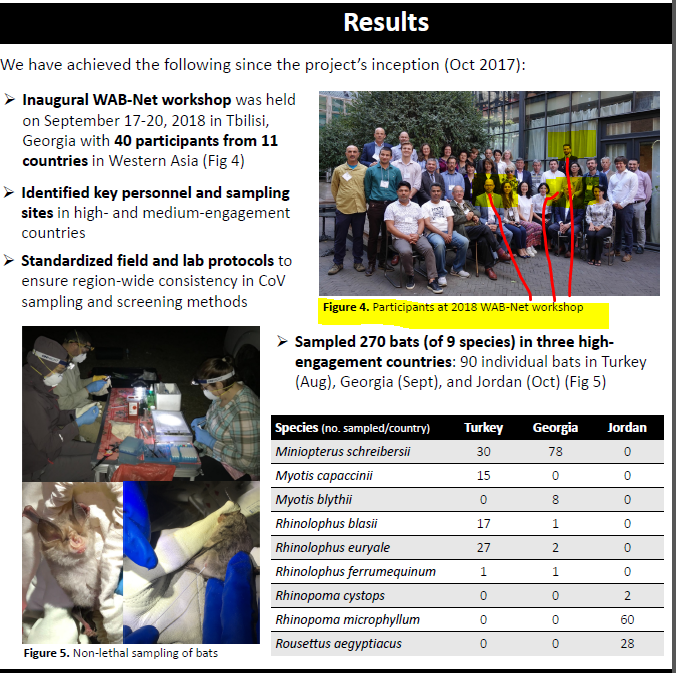
5, Methods and Expected Outcomes
(Unexpected Outcome = New Coronavirus Pandemic)
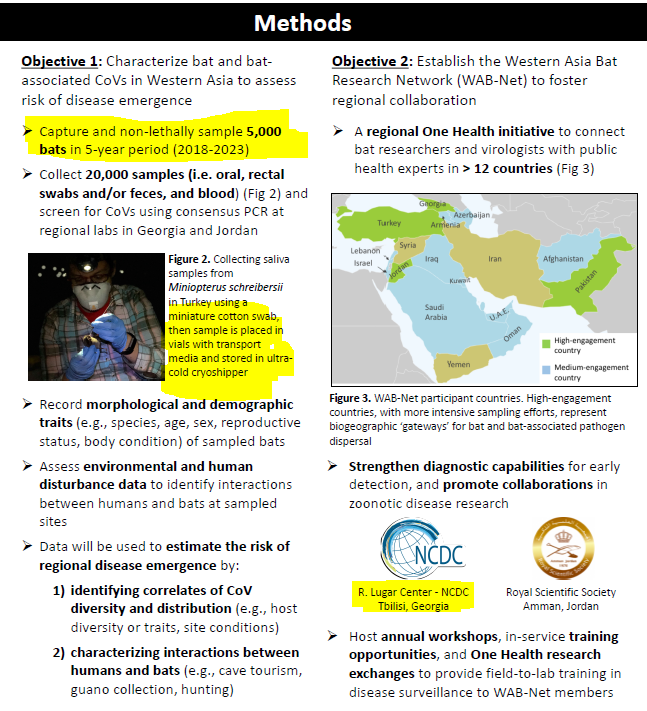
Risks of bat-borne zoonotic diseases in Western Asia
Duration: 24/10/2018-23 /10/2019
Funding: $71,500
@dgaytandzhieva
https://t.co/680CdD8uug
2. Bat Virus Database
Access to the database is limited only to those scientists participating in our ‘Bats and Coronaviruses’ project
Our intention is to eventually open up this database to the larger scientific community
https://t.co/mPn7b9HM48
3. EcoHealth Alliance & DTRA Asking for Trouble
One Health research project focused on characterizing bat diversity, bat coronavirus diversity and the risk of bat-borne zoonotic disease emergence in the region.
https://t.co/u6aUeWBGEN
4. Phelps, Olival, Epstein, Karesh - EcoHealth/DTRA
5, Methods and Expected Outcomes
(Unexpected Outcome = New Coronavirus Pandemic)