I think this is debatable, and we won't know the answer for a while. There are two possible trajectories here. 1/x
Let's be clear: For the far-right groups that carried out Trump's insurrection, the siege of the Capitol was a huge success, a major propaganda coup. I talked to experts in right-wing extremism about what this event really meant to them. Alarming stuff:https://t.co/EzjeGsTlZK
— Greg Sargent (@ThePlumLineGS) January 8, 2021
https://t.co/lOi6DCZ9CK
https://t.co/lOi6DCZ9CK
This won't affect the diehards, but it might suggest the event won't bring a lot new blood into the movement.
Support for Trump supporters breaking into the US Capitol via new PBS/Marist poll:
— Ryan Struyk (@ryanstruyk) January 8, 2021
All Americans:
8% support
88% oppose
Republicans:
18% support
80% oppose
Democrats:
3% support
96% oppose
More from Politics


What does "patriots in control" mean?
What would that "look like" in reality?

So a massive adult film star in all his glory is included in an official FBI government filing
Hunter Biden's book is categorized as "Chinese
TIME admits to "conspiracy" to "not rig, rather
A "pillow guy" has military-grade intercepts detailing the IP addresses and device MAC IDs of EVERY incursion into every county in the
What would that "look like" in reality?
So a massive adult film star in all his glory is included in an official FBI government filing
Perhaps the explanation is that Patriots are in control.
— David Burney (@jdburney1) February 6, 2021
\U0001f923\U0001f923\U0001f923\U0001f923 https://t.co/W3S8TgeY74
Hunter Biden's book is categorized as "Chinese
Patriots in control?
— David Burney (@jdburney1) February 6, 2021
\U0001f923\U0001f923\U0001f923\U0001f923 https://t.co/p0rEyfd2DW
TIME admits to "conspiracy" to "not rig, rather
TIME admits stolen election, with spin!
— David Burney (@jdburney1) February 6, 2021
"They weren't rigging the election, they were fortifying it."
Recognize the Ministry of Truth? How many things in the last few years have been redefined to be the opposite of reality?
Google the definition of "bigot" if you doubt me. https://t.co/CNU888fxr4 pic.twitter.com/UEhRBOtUB6
A "pillow guy" has military-grade intercepts detailing the IP addresses and device MAC IDs of EVERY incursion into every county in the
God bless the pillow manufacturer.
— David Burney (@jdburney1) February 6, 2021
The last 30 minutes details where every single incursion is recorded including IP and MAC addresses. 100% proof. pic.twitter.com/P5MVb1xGNC


You May Also Like



THREAD: 12 Things Everyone Should Know About IQ
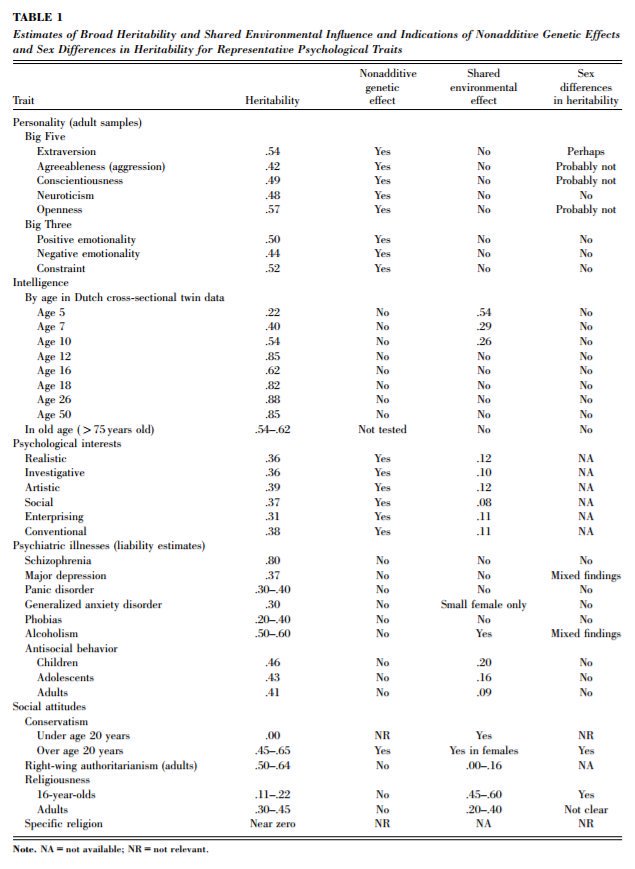
1. IQ is one of the most heritable psychological traits – that is, individual differences in IQ are strongly associated with individual differences in genes (at least in fairly typical modern environments). https://t.co/3XxzW9bxLE
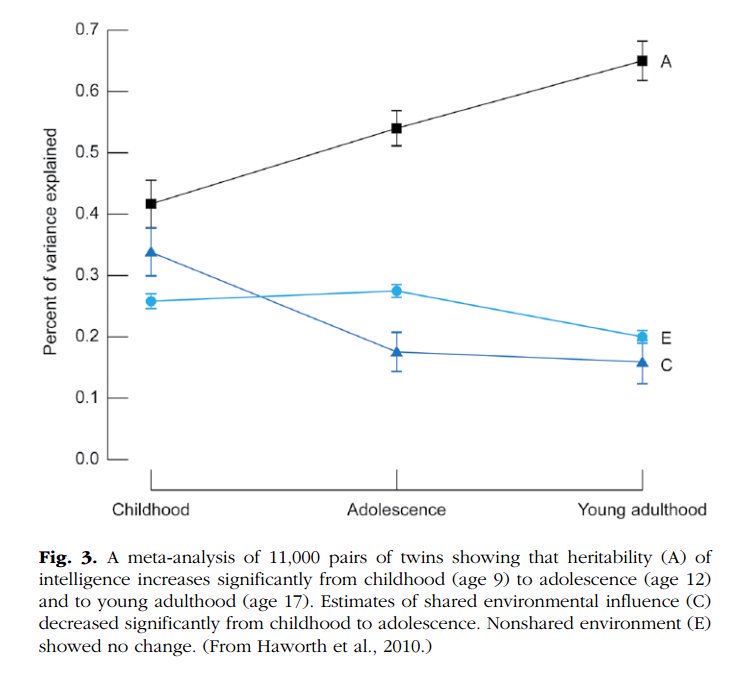
2. The heritability of IQ *increases* from childhood to adulthood. Meanwhile, the effect of the shared environment largely fades away. In other words, when it comes to IQ, nature becomes more important as we get older, nurture less. https://t.co/UqtS1lpw3n
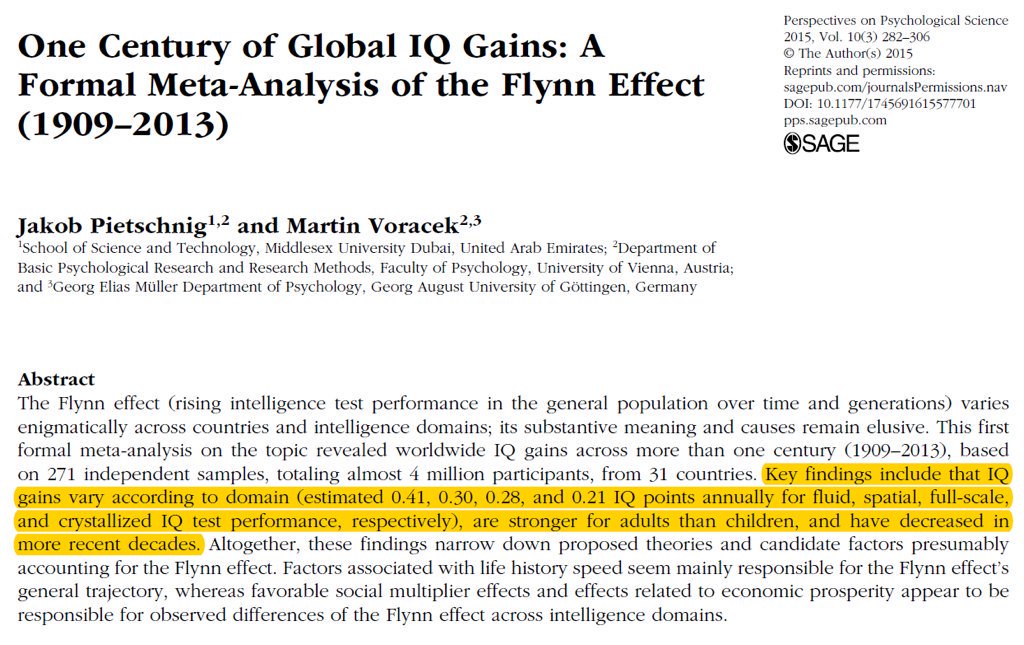
3. IQ scores have been increasing for the last century or so, a phenomenon known as the Flynn effect. https://t.co/sCZvCst3hw (N ≈ 4 million)
(Note that the Flynn effect shows that IQ isn't 100% genetic; it doesn't show that it's 100% environmental.)
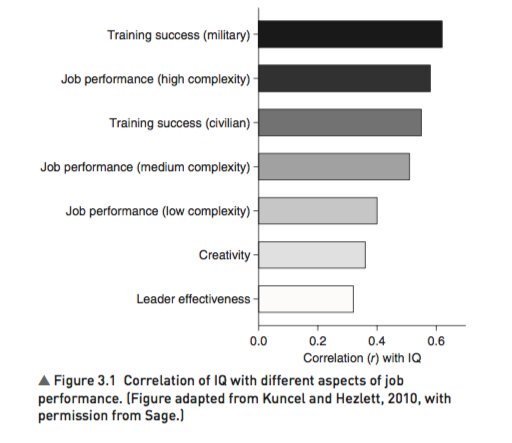
4. IQ predicts many important real world outcomes.
For example, though far from perfect, IQ is the single-best predictor of job performance we have – much better than Emotional Intelligence, the Big Five, Grit, etc. https://t.co/rKUgKDAAVx https://t.co/DWbVI8QSU3
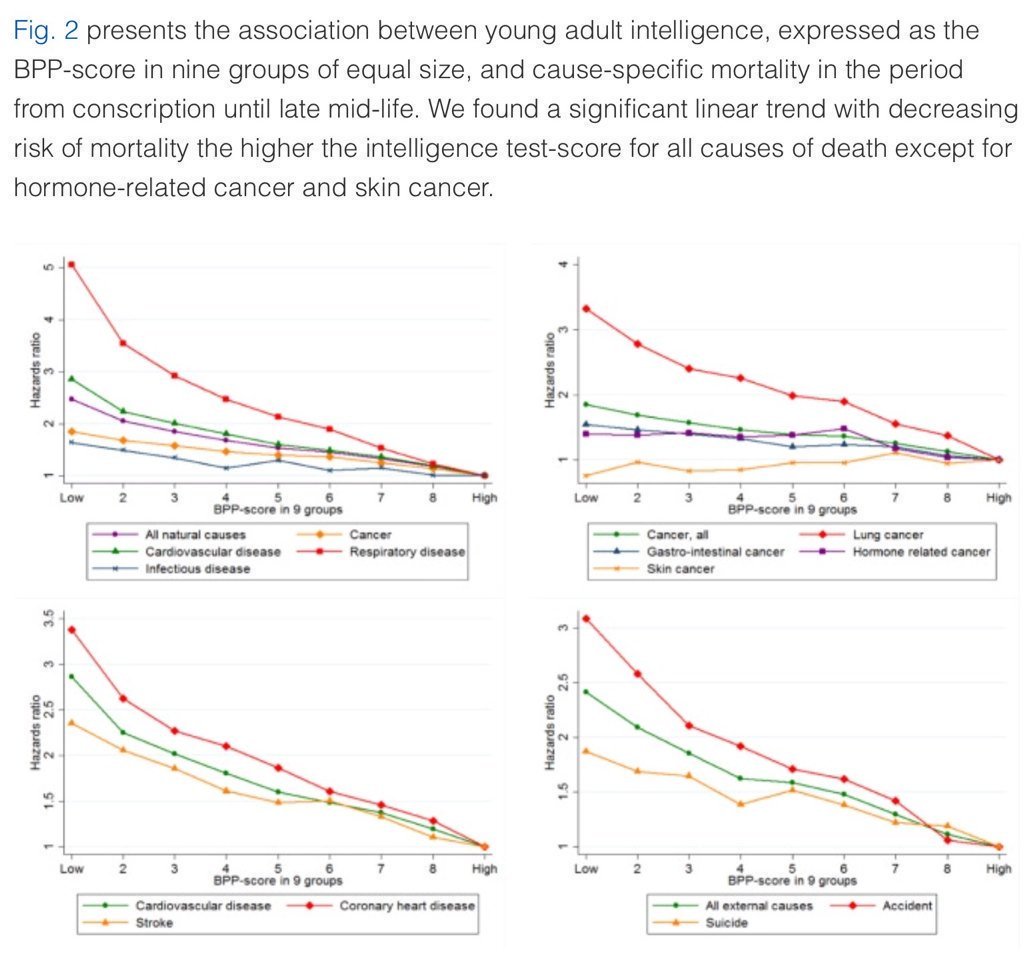
5. Higher IQ is associated with a lower risk of death from most causes, including cardiovascular disease, respiratory disease, most forms of cancer, homicide, suicide, and accident. https://t.co/PJjGNyeQRA (N = 728,160)
1. IQ is one of the most heritable psychological traits – that is, individual differences in IQ are strongly associated with individual differences in genes (at least in fairly typical modern environments). https://t.co/3XxzW9bxLE
2. The heritability of IQ *increases* from childhood to adulthood. Meanwhile, the effect of the shared environment largely fades away. In other words, when it comes to IQ, nature becomes more important as we get older, nurture less. https://t.co/UqtS1lpw3n
3. IQ scores have been increasing for the last century or so, a phenomenon known as the Flynn effect. https://t.co/sCZvCst3hw (N ≈ 4 million)
(Note that the Flynn effect shows that IQ isn't 100% genetic; it doesn't show that it's 100% environmental.)
4. IQ predicts many important real world outcomes.
For example, though far from perfect, IQ is the single-best predictor of job performance we have – much better than Emotional Intelligence, the Big Five, Grit, etc. https://t.co/rKUgKDAAVx https://t.co/DWbVI8QSU3
5. Higher IQ is associated with a lower risk of death from most causes, including cardiovascular disease, respiratory disease, most forms of cancer, homicide, suicide, and accident. https://t.co/PJjGNyeQRA (N = 728,160)