Now, Beloved Ones, Let Us Get Serious For A Moment! Can You Say, 'FREEDOM?'
#AKATU
1. Greetings Indeed!
I So Much Enjoy These Communications With Such Lovely Beings Of Light! As Many Trust The Process Of Change And Exposure, The Darkness Would Have You To Constrict And Doubt The Validity Of Your Own Truth!
Now, Beloved Ones, Let Us Get Serious For A Moment! Can You Say, 'FREEDOM?'
Be Aware Of The Fluid Nature Of The Ascension Process! Never Allow Darkness To Get In Your Way! Uncover And Expose Every Flying Monkey Until They Run For Their Lives!
Light Always Trumps Darkness!
Let's Do This!
EN EEKE MAI EA!
I Love You So!
AKATU
More from Kab
More from Life


Okay hope everyone having a lovely weekend. Lots of love today. Feeling very blessed 🥰 Going through NNOX tweets from last week. Time to compile threads and bring you highlights. No need to go digging old tweets if I do for you 🤗 FDA, Secondary, and 3P510k. Let’s review..
The NNOX news flow been exceptionally good. I tweet about Fear Uncertainty Doubt and how short sellers leverage friction in news flow to mine some of your gains. NNOX published Form F-1/A to remove friction. Investors have answers.
Form F-1/A Link:
Form F-1 is over 200 detailed pages. Very concentrated. Everything you need for rest of this month in the document. A few notes for you. NNOX FDA approval uses a third party review organization in 510k process. This is abbreviated to 3P510k.
I covered the 3P510K in thread here: https://t.co/w7zE882CVk
Reference to Eagle eyes: https://t.co/gT779MFX82
We discover in F-1 that 3P510K recommended clearance of Nanox Source. This triggers a 30 day timeline to approval by FDA. However ...
Look at you favorite broker news for NNOX. I look at 3 different broker none of them comment NNOX from 60 to 80 on news that 3P510k recommended FDA approve NNOX device. NNOX get a letter and slide 10% we get headline. But no headline for big pop 🤷♂️ that’s the friction.
The NNOX news flow been exceptionally good. I tweet about Fear Uncertainty Doubt and how short sellers leverage friction in news flow to mine some of your gains. NNOX published Form F-1/A to remove friction. Investors have answers.
Form F-1/A Link:
Form F-1 is over 200 detailed pages. Very concentrated. Everything you need for rest of this month in the document. A few notes for you. NNOX FDA approval uses a third party review organization in 510k process. This is abbreviated to 3P510k.
I covered the 3P510K in thread here: https://t.co/w7zE882CVk
Reference to Eagle eyes: https://t.co/gT779MFX82
We discover in F-1 that 3P510K recommended clearance of Nanox Source. This triggers a 30 day timeline to approval by FDA. However ...
Eagle-eyes \U0001f985 https://t.co/w1wF3Ysmt1
— Harvey \U0001f1fa\U0001f1f8 (@realharveymark) February 12, 2021
Look at you favorite broker news for NNOX. I look at 3 different broker none of them comment NNOX from 60 to 80 on news that 3P510k recommended FDA approve NNOX device. NNOX get a letter and slide 10% we get headline. But no headline for big pop 🤷♂️ that’s the friction.

This month I’m turning 22.
To celebrate, here are the 22 best threads I’ve found on Twitter this year.
Mostly about:
•Life/purpose
•Startups
•Entrepreneurs
•Writing
•Clarity of thought
If I see more interesting threads, I will add to this list.
Enjoy!
1. @ryanstephens: Need tips on growing a newsletter, mastering Twitter, writing online?
@ryanstephens breaks down a podcast discussion between @davidperell and @nathanbarry
Here’s what you can
2. @jackbutcher: How to separate your time from your income
•Explore the market
•Build equity
•Build products and services
•Scale your reputation
•Break the matrix
A fantastic thread complete with helpful
3. @AlexAndBooks_: I love to read.
Here is a great thread on 10 fantastic books.
Includes a short summary of each.
Don’t just take it from me, this is straight from the legend: @AlexAndBooks_
4. @m_franceschetti My biggest revelation in 2020 was the importance of sleep.
Here, @m_franceschetti founder of @eightsleep gives us his eight sleep hacks to improve sleep for 2021.
Do these and your productivity will
To celebrate, here are the 22 best threads I’ve found on Twitter this year.
Mostly about:
•Life/purpose
•Startups
•Entrepreneurs
•Writing
•Clarity of thought
If I see more interesting threads, I will add to this list.
Enjoy!
1. @ryanstephens: Need tips on growing a newsletter, mastering Twitter, writing online?
@ryanstephens breaks down a podcast discussion between @davidperell and @nathanbarry
Here’s what you can
"The Writing Guy" @david_perell recently joined the re-launch of @Nathanbarry's podcast to discuss growing your newsletter, mastering Twitter, writing online and monetizing your efforts.
— Ryan Stephens \U0001f943 (@ryanstephens) December 16, 2020
Here's what you can learn from him.
THREAD
2. @jackbutcher: How to separate your time from your income
•Explore the market
•Build equity
•Build products and services
•Scale your reputation
•Break the matrix
A fantastic thread complete with helpful
Divorce your time and income: (thread)
— Jack Butcher (@jackbutcher) July 18, 2020
3. @AlexAndBooks_: I love to read.
Here is a great thread on 10 fantastic books.
Includes a short summary of each.
Don’t just take it from me, this is straight from the legend: @AlexAndBooks_
I read 55 books in 2020.
— Alex and Books \U0001f4da (@AlexAndBooks_) December 29, 2020
Here are my top 10 favorites and a short summary of each.
(thread) \U0001f9f5 pic.twitter.com/yRyOFEygQ0
4. @m_franceschetti My biggest revelation in 2020 was the importance of sleep.
Here, @m_franceschetti founder of @eightsleep gives us his eight sleep hacks to improve sleep for 2021.
Do these and your productivity will
Sleep is always my top priority, and will continue to be in 2021. It is foundational to all health.
— Matteo Franceschetti (@m_franceschetti) January 4, 2021
I\u2019ve compiled a list of my top 8 sleep hacks that I use everyday to improve my sleep. If you are trying to improve your sleep in 2021, this thread is for you. \U0001f447
You May Also Like

#sculpture #story -
Chandesha-Anugraha Murti - One of the Sculpture in Brihadeshwara Temple at Gangaikonda Cholapuram - built by Raja Rajendra Chola I
This Sculpture depicts Bhagwan Shiva along with Devi Paravathi blessing Chandeshwara - one of the 63 Nayanmars.
#Thread
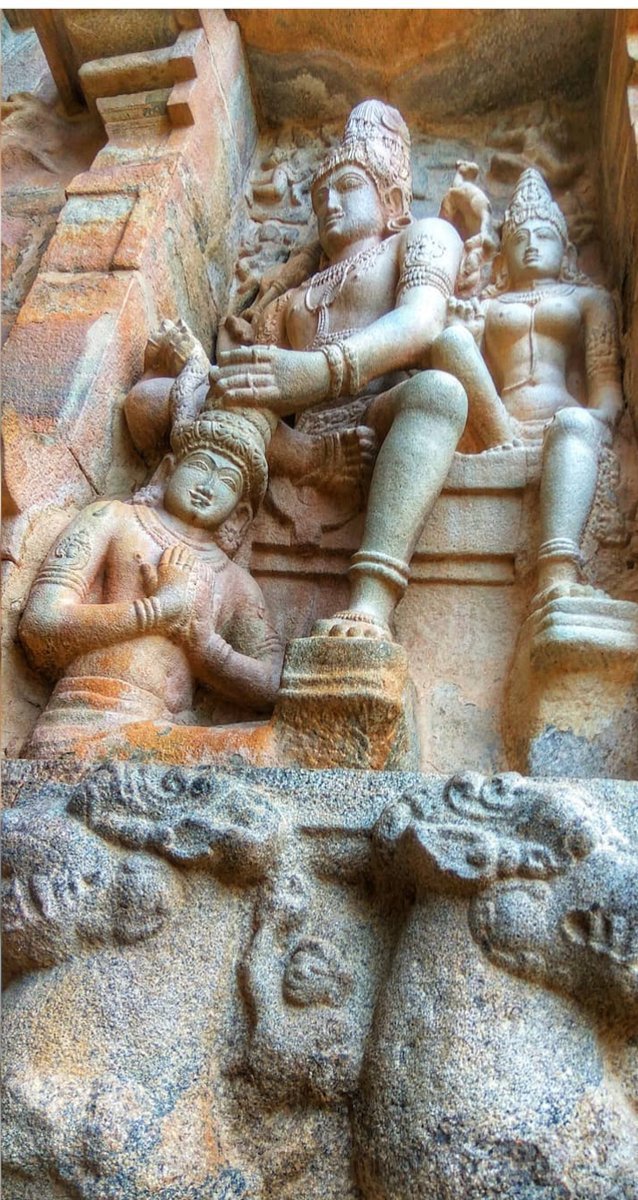
Chandeshwara/Chandikeshwara is regarded as custodian of Shiva Temple's wealth&most of Shiva temples in South India has separate sannathi for him.
His bhakti for Bhagwan Shiva elevated him as one of foremost among Nayanmars.
He gave importance to Shiva Pooja&protection of cows.
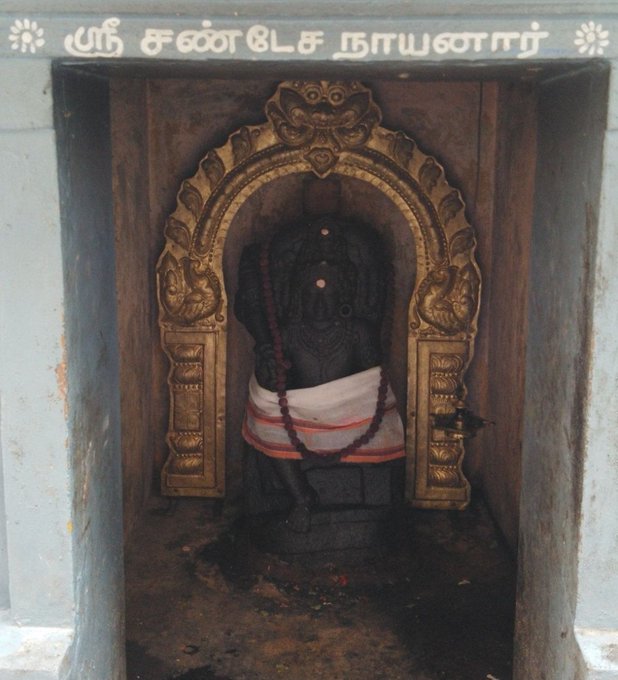
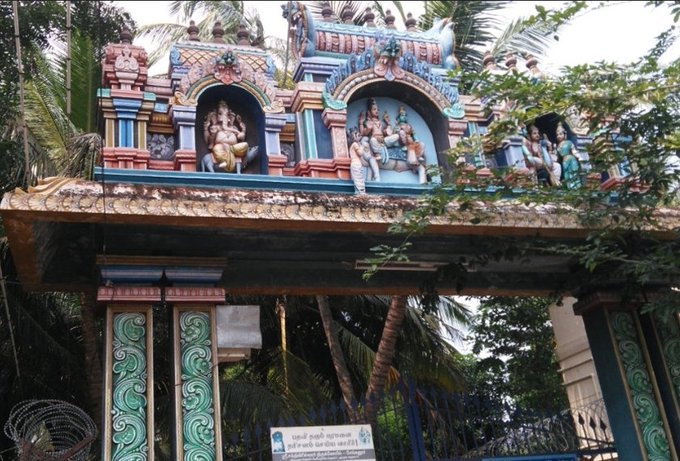
There are series of paintings, illustrating the #story of Chandikeshwar in the premises of
Sri Sathiyagireeswarar #Temple at Seinganur,near Kumbakonam,TN
Chandikeshwara's birth name
is Vichara sarman.He was born in the village of Senganur on the banks of River Manni.
His Parent names were Yajnathatan and Pavithrai.
Vichara Sarman was a gifted child and he learnt Vedas and Agamas at a very young age.
He was very devout and would always think about Bhagwan Shiva.
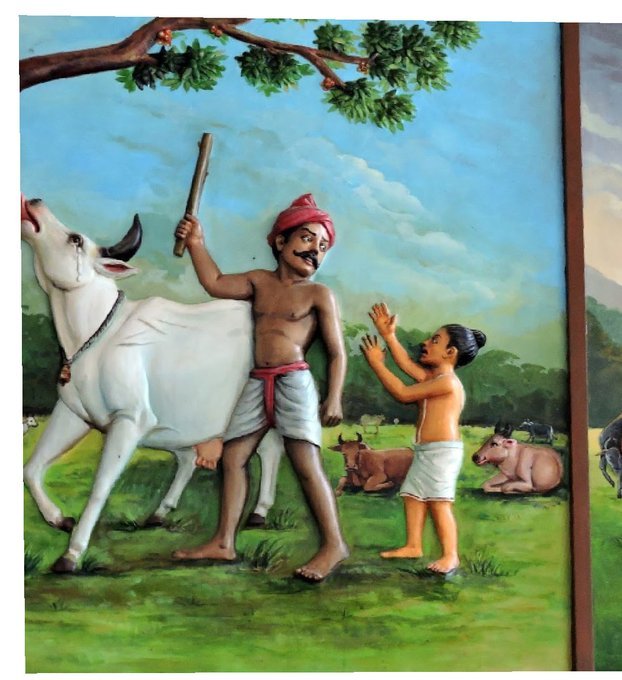
One day he saw a cowherd man brutally assaulting a cow,Vichara Sarman could not tolerate this. He spoke to cowherd: ‘Do you not know that the cow is worshipful & divine? All gods & Devas reside in https://t.co/ElLcI5ppsK it is our duty to protect cows &we should not to harm them.
Chandesha-Anugraha Murti - One of the Sculpture in Brihadeshwara Temple at Gangaikonda Cholapuram - built by Raja Rajendra Chola I
This Sculpture depicts Bhagwan Shiva along with Devi Paravathi blessing Chandeshwara - one of the 63 Nayanmars.
#Thread
Chandeshwara/Chandikeshwara is regarded as custodian of Shiva Temple's wealth&most of Shiva temples in South India has separate sannathi for him.
His bhakti for Bhagwan Shiva elevated him as one of foremost among Nayanmars.
He gave importance to Shiva Pooja&protection of cows.
There are series of paintings, illustrating the #story of Chandikeshwar in the premises of
Sri Sathiyagireeswarar #Temple at Seinganur,near Kumbakonam,TN
Chandikeshwara's birth name
is Vichara sarman.He was born in the village of Senganur on the banks of River Manni.
His Parent names were Yajnathatan and Pavithrai.
Vichara Sarman was a gifted child and he learnt Vedas and Agamas at a very young age.
He was very devout and would always think about Bhagwan Shiva.
One day he saw a cowherd man brutally assaulting a cow,Vichara Sarman could not tolerate this. He spoke to cowherd: ‘Do you not know that the cow is worshipful & divine? All gods & Devas reside in https://t.co/ElLcI5ppsK it is our duty to protect cows &we should not to harm them.

The YouTube algorithm that I helped build in 2011 still recommends the flat earth theory by the *hundreds of millions*. This investigation by @RawStory shows some of the real-life consequences of this badly designed AI.
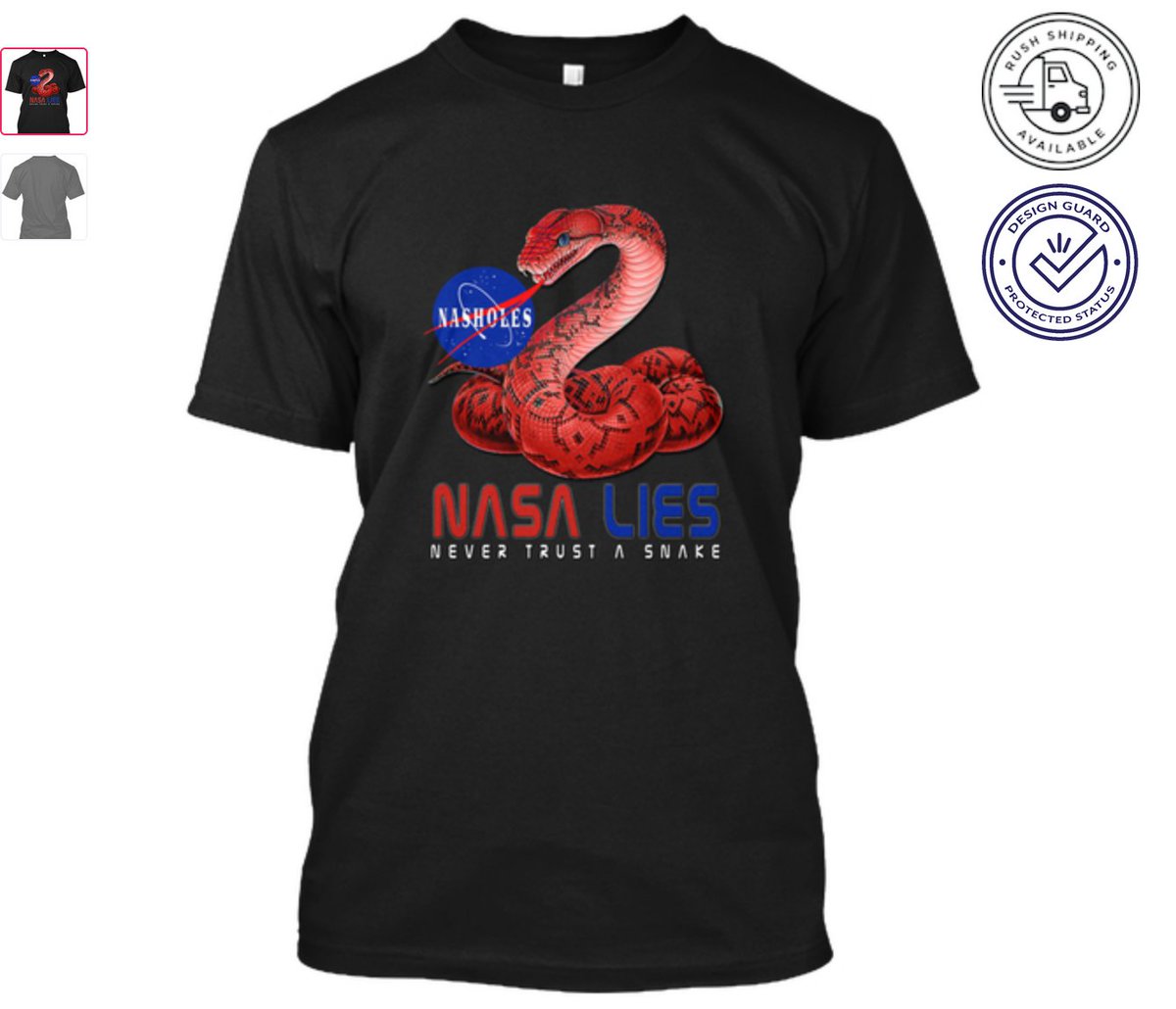
This spring at SxSW, @SusanWojcicki promised "Wikipedia snippets" on debated videos. But they didn't put them on flat earth videos, and instead @YouTube is promoting merchandising such as "NASA lies - Never Trust a Snake". 2/
A few example of flat earth videos that were promoted by YouTube #today:
https://t.co/TumQiX2tlj 3/
https://t.co/uAORIJ5BYX 4/
https://t.co/yOGZ0pLfHG 5/
Flat Earth conference attendees explain how they have been brainwashed by YouTube and Infowarshttps://t.co/gqZwGXPOoc
— Raw Story (@RawStory) November 18, 2018
This spring at SxSW, @SusanWojcicki promised "Wikipedia snippets" on debated videos. But they didn't put them on flat earth videos, and instead @YouTube is promoting merchandising such as "NASA lies - Never Trust a Snake". 2/
A few example of flat earth videos that were promoted by YouTube #today:
https://t.co/TumQiX2tlj 3/
https://t.co/uAORIJ5BYX 4/
https://t.co/yOGZ0pLfHG 5/

Keep dwelling on this:
Further Examination of the Motif near PRRA Reveals Close Structural Similarity to the SEB Superantigen as well as Sequence Similarities to Neurotoxins and a Viral SAg.
The insertion PRRA together with 7 sequentially preceding residues & succeeding R685 (conserved in β-CoVs) form a motif, Y674QTQTNSPRRAR685, homologous to those of neurotoxins from Ophiophagus (cobra) and Bungarus genera, as well as neurotoxin-like regions from three RABV strains
(20) (Fig. 2D). We further noticed that the same segment bears close similarity to the HIV-1 glycoprotein gp120 SAg motif F164 to V174.
https://t.co/EwwJOSa8RK
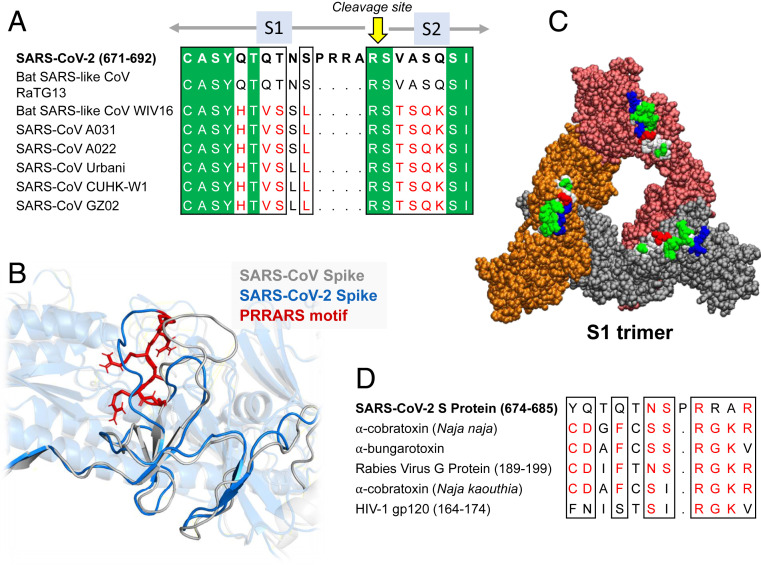
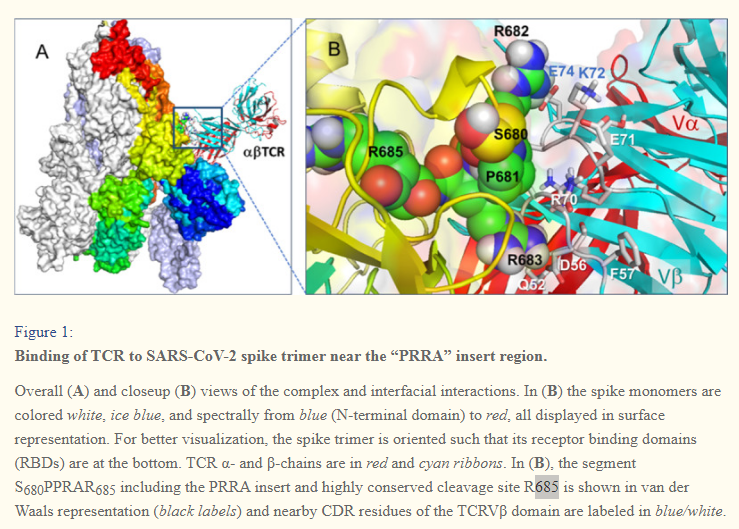
In (B), the segment S680PPRAR685 including the PRRA insert and highly conserved cleavage site *R685* is shown in van der Waals representation (black labels) and nearby CDR residues of the TCRVβ domain are labeled in blue/white
https://t.co/BsY8BAIzDa
Sequence Identity %
https://t.co/BsY8BAIzDa
Y674 - QTQTNSPRRA - R685
Similar to neurotoxins from Ophiophagus (cobra) & Bungarus genera & neurotoxin-like regions from three RABV strains
T678 - NSPRRA- R685
Superantigenic core, consistently aligned against bacterial or viral SAgs
Further Examination of the Motif near PRRA Reveals Close Structural Similarity to the SEB Superantigen as well as Sequence Similarities to Neurotoxins and a Viral SAg.
The insertion PRRA together with 7 sequentially preceding residues & succeeding R685 (conserved in β-CoVs) form a motif, Y674QTQTNSPRRAR685, homologous to those of neurotoxins from Ophiophagus (cobra) and Bungarus genera, as well as neurotoxin-like regions from three RABV strains
(20) (Fig. 2D). We further noticed that the same segment bears close similarity to the HIV-1 glycoprotein gp120 SAg motif F164 to V174.
https://t.co/EwwJOSa8RK
In (B), the segment S680PPRAR685 including the PRRA insert and highly conserved cleavage site *R685* is shown in van der Waals representation (black labels) and nearby CDR residues of the TCRVβ domain are labeled in blue/white
https://t.co/BsY8BAIzDa
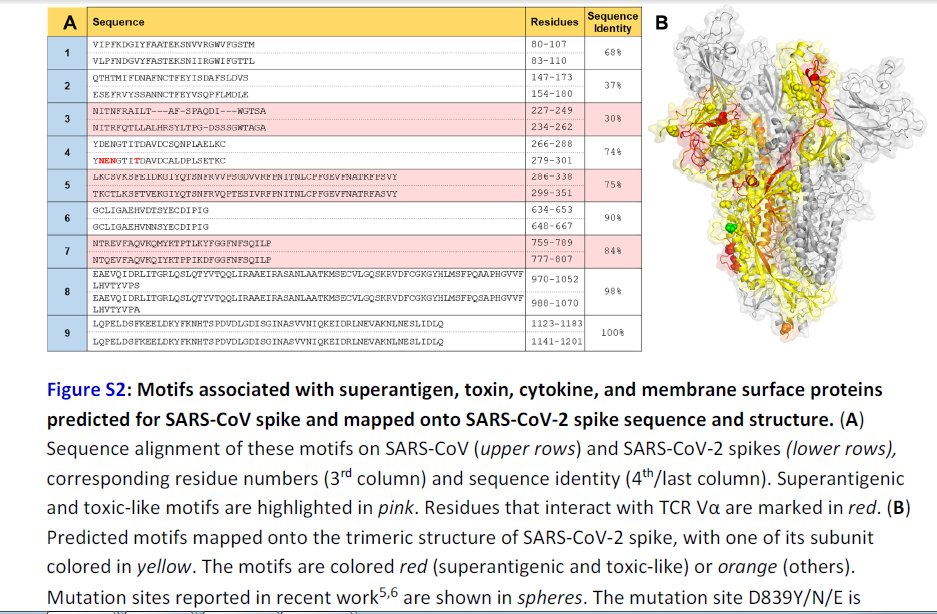
Sequence Identity %
https://t.co/BsY8BAIzDa
Y674 - QTQTNSPRRA - R685
Similar to neurotoxins from Ophiophagus (cobra) & Bungarus genera & neurotoxin-like regions from three RABV strains
T678 - NSPRRA- R685
Superantigenic core, consistently aligned against bacterial or viral SAgs