कपालं ब्रह्मणः सद्यो भैरवस्य करांबुजात् |
पपात भुवि तत्तिर्थमभूत्कापालमोचनम् ||
Brahma’s skull then fell to the ground from the lotus like hand of Bhairava. That tirtha (place of pilgrimage) became Kapalamochanam, in Varanasi.
Starting the thread

#Bookmark this
— Dr. Prateechi (@BahuRaani) April 14, 2021
|| Geographical Description ||
of \u201cEARTH\u201d according to Indian ancient scriptures
RT and spread the knowledge.
Next thread would be on || Bharatvarsha || It has an expansion of 9,000 Yojans.
Go through entire thread carefully. pic.twitter.com/RvYmyrV93h
So you too go and recite the same mantra in order to please Lord Vishnu.
— Prateechi \U0001f6eb\u2708\ufe0f\U0001f6e9\ufe0f (@BahuRaani) February 6, 2021
\u2026To be continued
It\u2019s a beautiful long story. Read it to your loved ones.
(Next Weekly Thread)
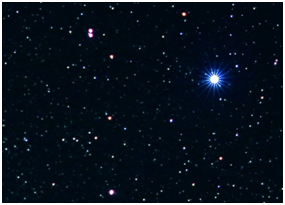
We\u2019ll see How Dhruv occupied a fixed position in the northern sky?
Stay Tuned
Jai Maa
_/\\_ pic.twitter.com/7TxdNsoZes


BJP-RSS ideology
— Dr. Latha (@DrlathaC) January 30, 2021
Lower rank workers worship #NathuramGodse, but leaders worship Mahatma Gandhi.
True meaning of #SabkaSaath \U0001f606