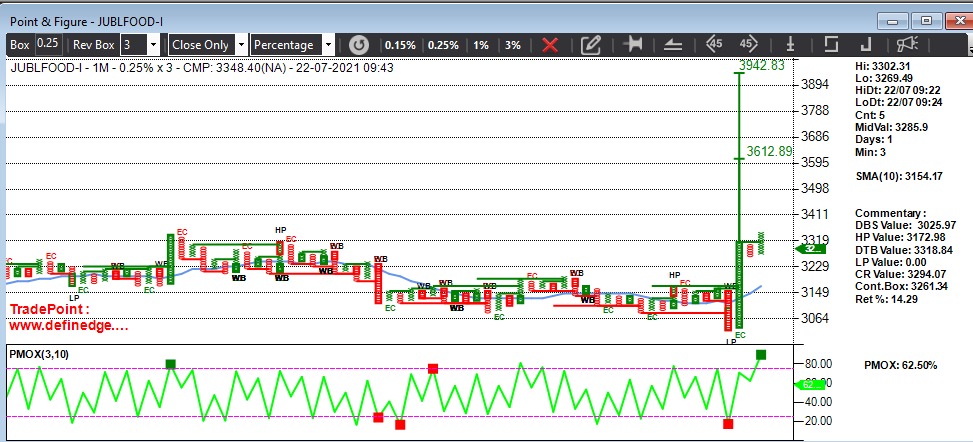
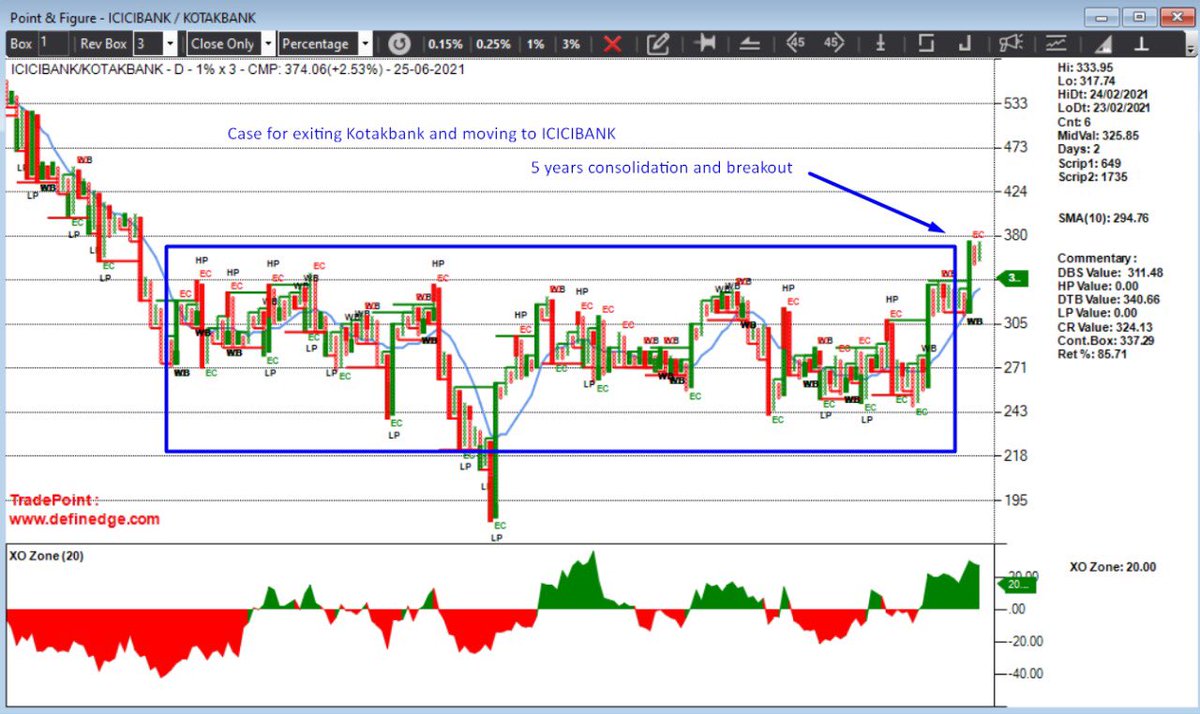
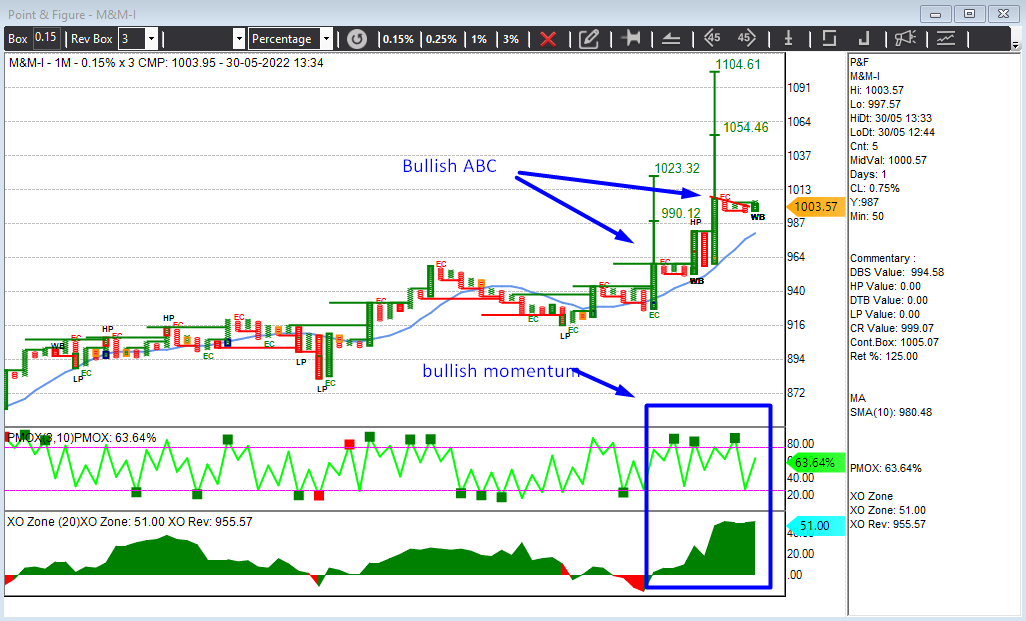
#ICICIBANK futures on short term charts
some recent highs taken out - watching for a close above 774
Also daily chart on 0.25% box size https://t.co/zjVX8UIXBq
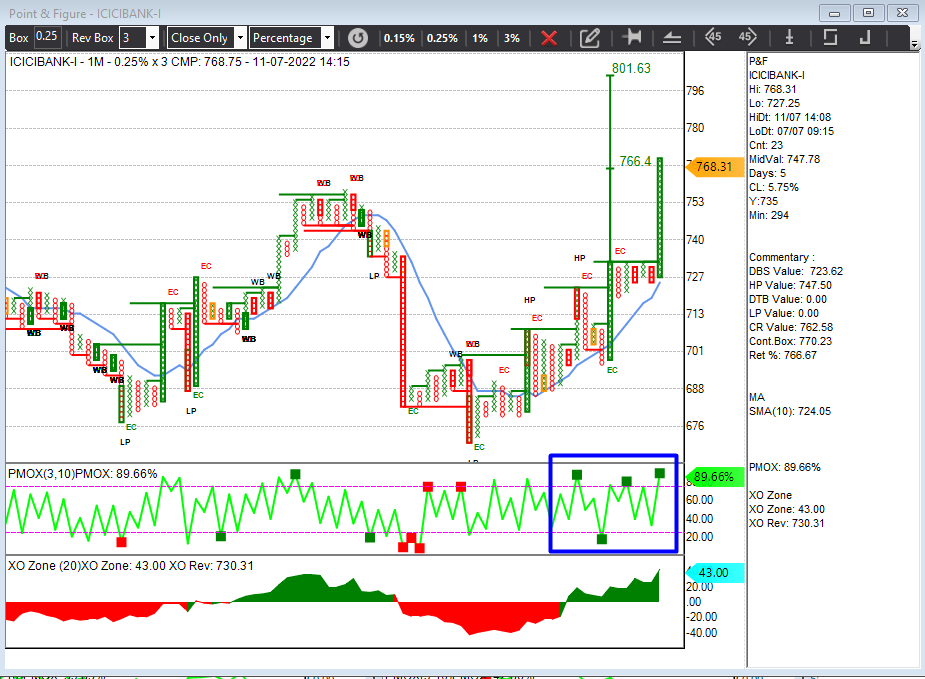
#ICICIBANK chart is interesting.
— DTBhat (@dtbhat) July 10, 2022
On Renko charts - probable multi brick breakout on higher box size (3%) above 774 (on closing basis)
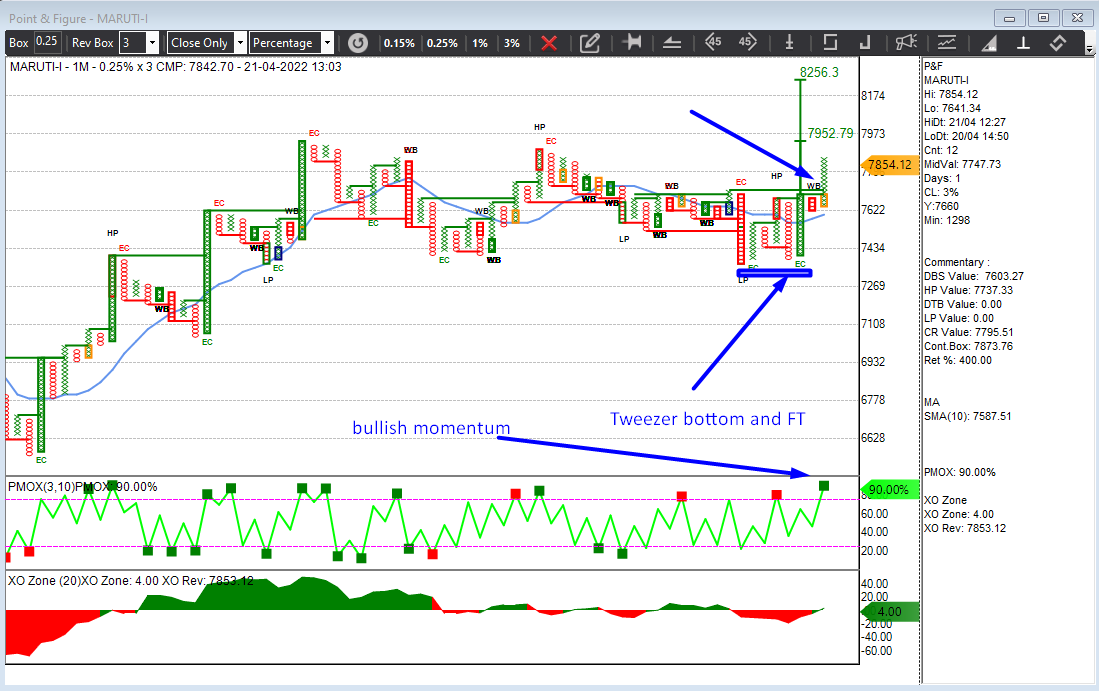
On P&F charts (3% boxsize) a probable triple top buy above 774
On shorter TF closing above 774 gives a close above 45 degree TL https://t.co/2xq4xumRgz pic.twitter.com/mULPwYdkv7
More from DTBhat
#Infy futures Bullish continuation patterns, new bullish ABC. Cluster counts at 1655-1658 area
In options strategy brought the wings inside and locked more profits https://t.co/wIPMUofhm6
#Infy futures crossed 1600
— DTBhat (@dtbhat) August 4, 2022
Booked half in 1600CE in Call Debit Spread and converted to a butterfly https://t.co/NZdSOC4wrd pic.twitter.com/p8FgBaAyhC
You May Also Like
A brief analysis and comparison of the CSS for Twitter's PWA vs Twitter's legacy desktop website. The difference is dramatic and I'll touch on some reasons why.
Legacy site *downloads* ~630 KB CSS per theme and writing direction.
6,769 rules
9,252 selectors
16.7k declarations
3,370 unique declarations
44 media queries
36 unique colors
50 unique background colors
46 unique font sizes
39 unique z-indices
https://t.co/qyl4Bt1i5x
PWA *incrementally generates* ~30 KB CSS that handles all themes and writing directions.
735 rules
740 selectors
757 declarations
730 unique declarations
0 media queries
11 unique colors
32 unique background colors
15 unique font sizes
7 unique z-indices
https://t.co/w7oNG5KUkJ
The legacy site's CSS is what happens when hundreds of people directly write CSS over many years. Specificity wars, redundancy, a house of cards that can't be fixed. The result is extremely inefficient and error-prone styling that punishes users and developers.
The PWA's CSS is generated on-demand by a JS framework that manages styles and outputs "atomic CSS". The framework can enforce strict constraints and perform optimisations, which is why the CSS is so much smaller and safer. Style conflicts and unbounded CSS growth are avoided.
Legacy site *downloads* ~630 KB CSS per theme and writing direction.
6,769 rules
9,252 selectors
16.7k declarations
3,370 unique declarations
44 media queries
36 unique colors
50 unique background colors
46 unique font sizes
39 unique z-indices
https://t.co/qyl4Bt1i5x
PWA *incrementally generates* ~30 KB CSS that handles all themes and writing directions.
735 rules
740 selectors
757 declarations
730 unique declarations
0 media queries
11 unique colors
32 unique background colors
15 unique font sizes
7 unique z-indices
https://t.co/w7oNG5KUkJ
The legacy site's CSS is what happens when hundreds of people directly write CSS over many years. Specificity wars, redundancy, a house of cards that can't be fixed. The result is extremely inefficient and error-prone styling that punishes users and developers.
The PWA's CSS is generated on-demand by a JS framework that manages styles and outputs "atomic CSS". The framework can enforce strict constraints and perform optimisations, which is why the CSS is so much smaller and safer. Style conflicts and unbounded CSS growth are avoided.