
The Great Rat Massacre Of 1902 (and how it backfired spectacularly)
(Thread, sources here:
I am of course fucking with you, they hired locals to go down into the cramped, dank sewers in order to kill the potentially disease-filled rats below.
Somebody says "I twatted this rat to death" I'm the first to go to the fucking police, but say "I killed 20,000 rats" I'm clapping and asking how.
To be fair, it's much worse to imagine it from the point of view of the rat killer, forced to kill hundreds of thousands of rats then emerging to see someone posh in a completely rat-blood-free suit.
It appeared people were slaughtering the rodents in impressive numbers.
https://t.co/Ck0RF1XZos
https://t.co/4IvFiWuT5f
More from History


Thank you so much to the incredible @gregjenner and his team for having me on "You're Dead to Me" and to @kaekurd for being so hilarious and bringing Gilgamesh the restaurant into my life!
Here’s a thread of some of the stuff referenced in the podcast for those interested
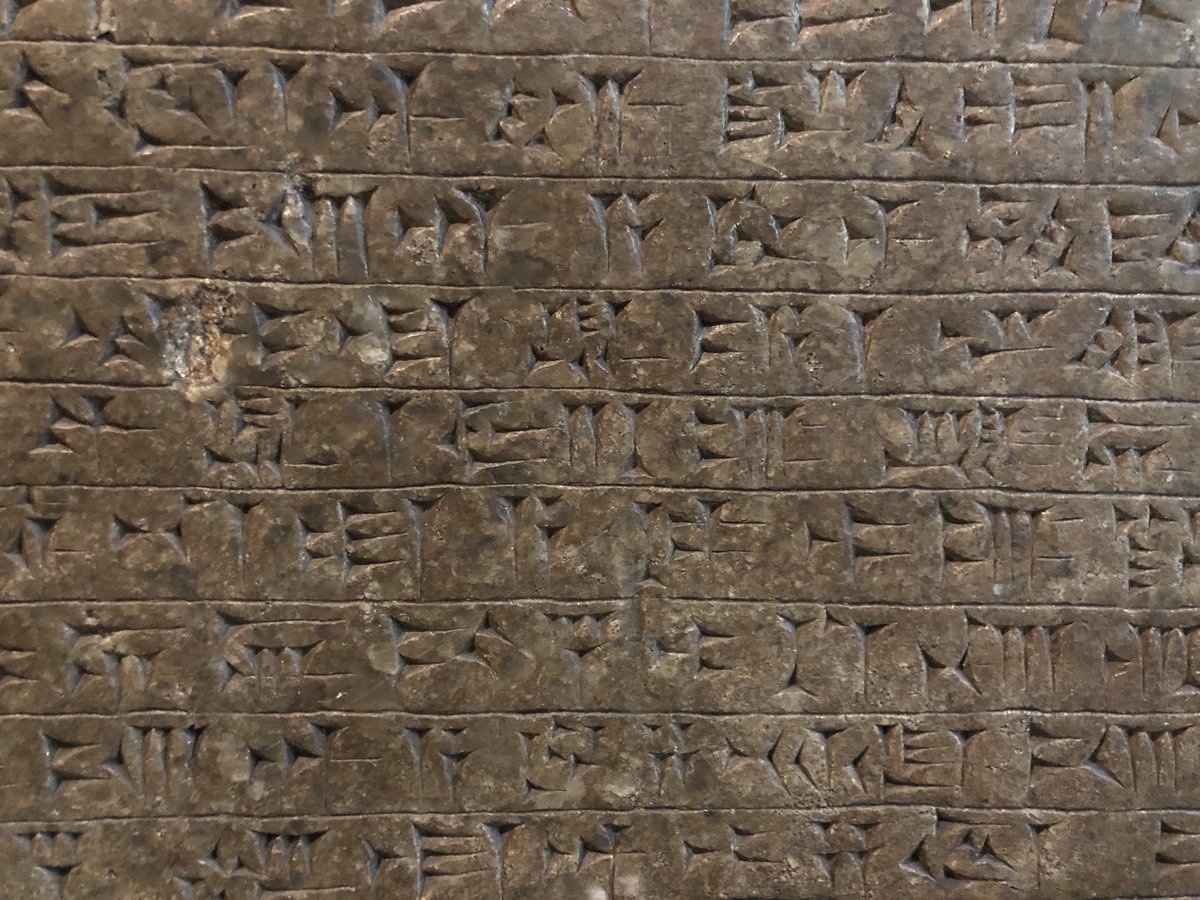
First of all, what even is cuneiform?
It’s a writing system from the ancient Middle East, used to write several languages like Sumerian and Akkadian. Cuneiform signs can stand for whole words or syllables. Here’s a little primer of its evolution https://t.co/7CVjLCHwkS
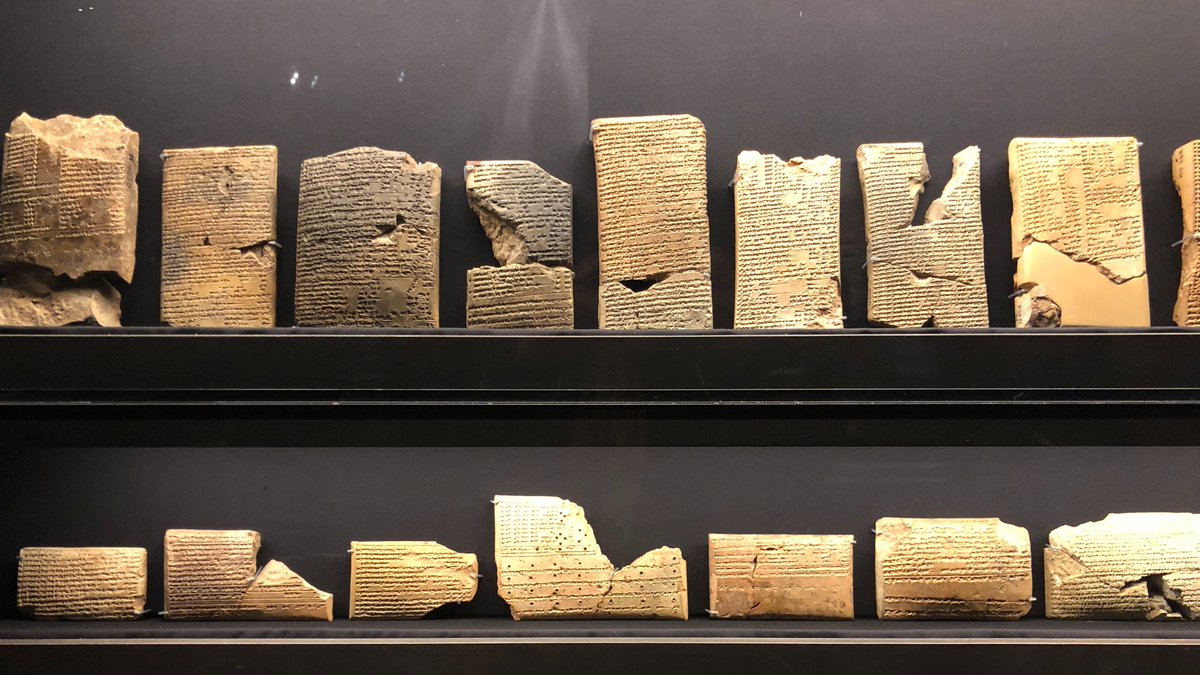
What kinds of texts was cuneiform used to write?
Initially, accounting records and lists.
Eventually, literature, astronomy, medicine, maps, architectural plans, omens, letters, contracts, law collections, and more.
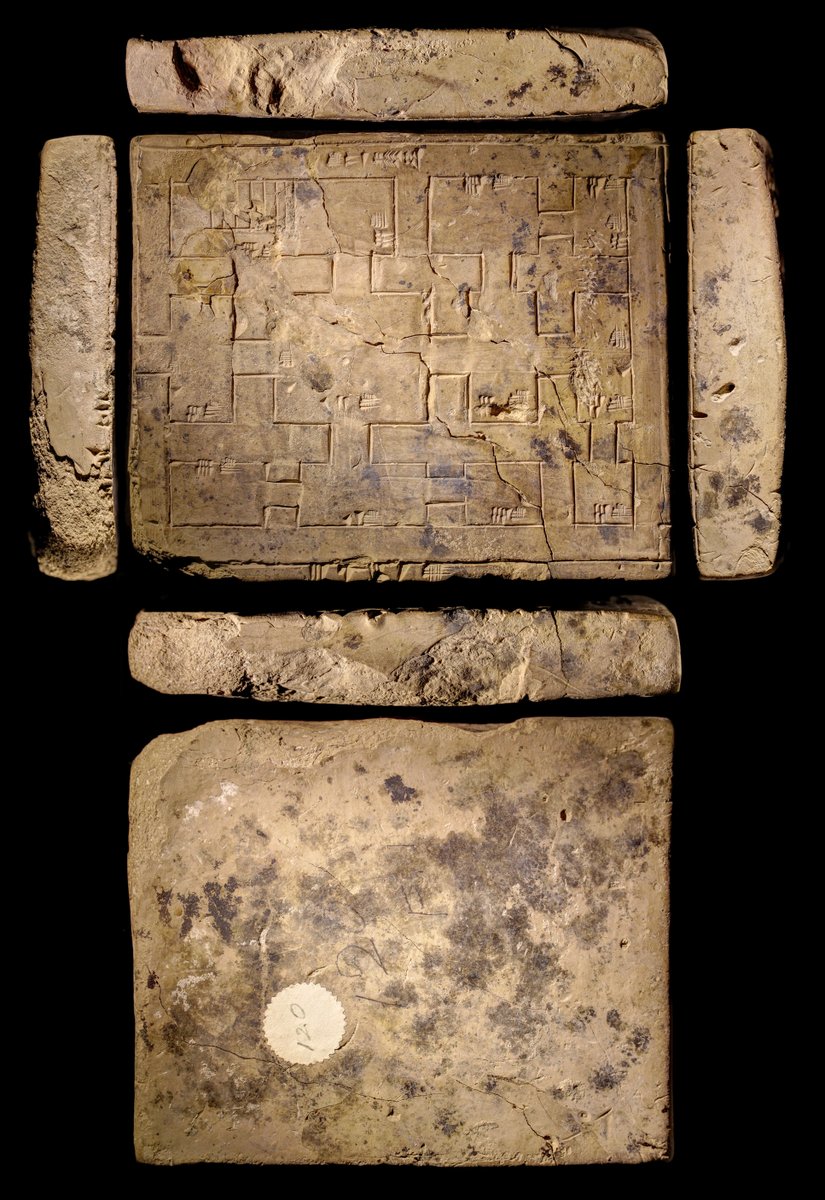
Texts from the Library of Ashurbanipal, who ruled the ancient Assyrian empire when it was at its largest in the 7th century BCE, represent many of the genres of cuneiform texts and scholarship.
Here’s a short intro to the library via @opencuneiform https://t.co/wjnaxpMRrC
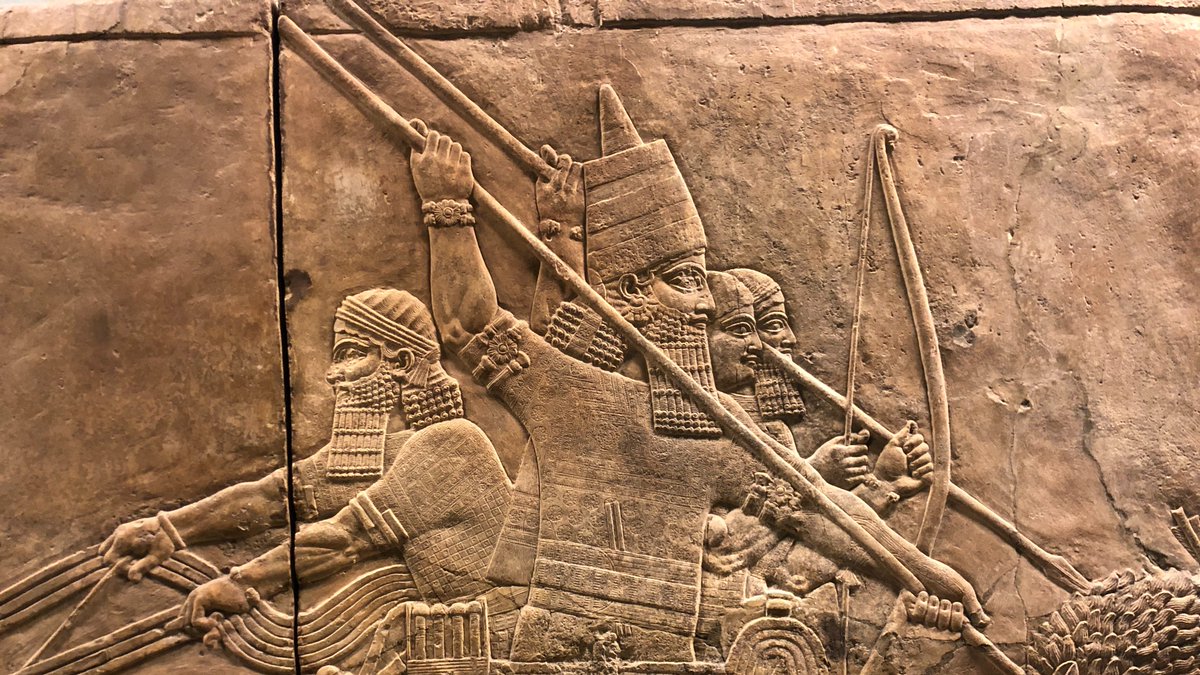
The Library of Ashurbanipal has a complicated modern and ancient history, which you can read about in this brilliant (and open access) book by Prof @Eleanor_Robson
Here’s a thread of some of the stuff referenced in the podcast for those interested
First of all, what even is cuneiform?
It’s a writing system from the ancient Middle East, used to write several languages like Sumerian and Akkadian. Cuneiform signs can stand for whole words or syllables. Here’s a little primer of its evolution https://t.co/7CVjLCHwkS
What kinds of texts was cuneiform used to write?
Initially, accounting records and lists.
Eventually, literature, astronomy, medicine, maps, architectural plans, omens, letters, contracts, law collections, and more.
Texts from the Library of Ashurbanipal, who ruled the ancient Assyrian empire when it was at its largest in the 7th century BCE, represent many of the genres of cuneiform texts and scholarship.
Here’s a short intro to the library via @opencuneiform https://t.co/wjnaxpMRrC
The Library of Ashurbanipal has a complicated modern and ancient history, which you can read about in this brilliant (and open access) book by Prof @Eleanor_Robson
You May Also Like





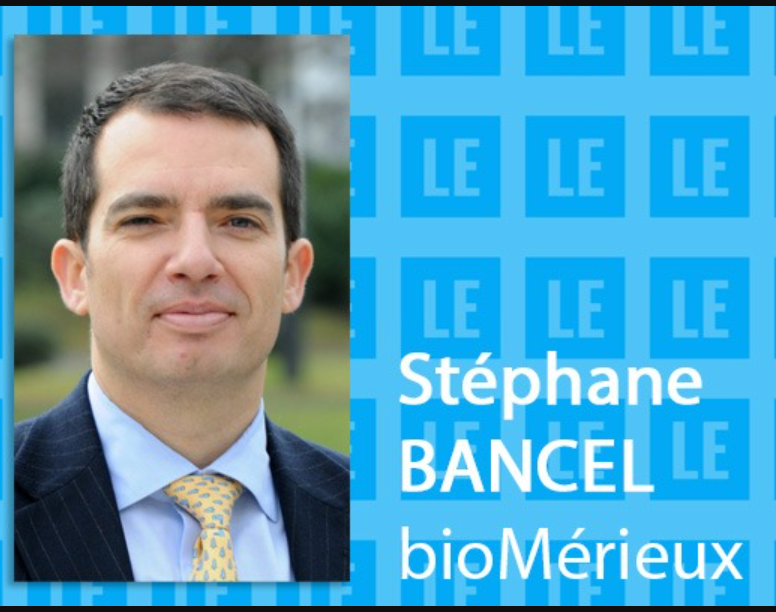
Moderna CEO Stephane Bancel was previously CEO of bioMerieux in France from 07-10.
Alain Merieux, who owns bioMerieux, was instrumental in the creation of the Wuhan Institute of Virology P4 Lab.
The same people who helped create the virus, also helped to create the vaccines...
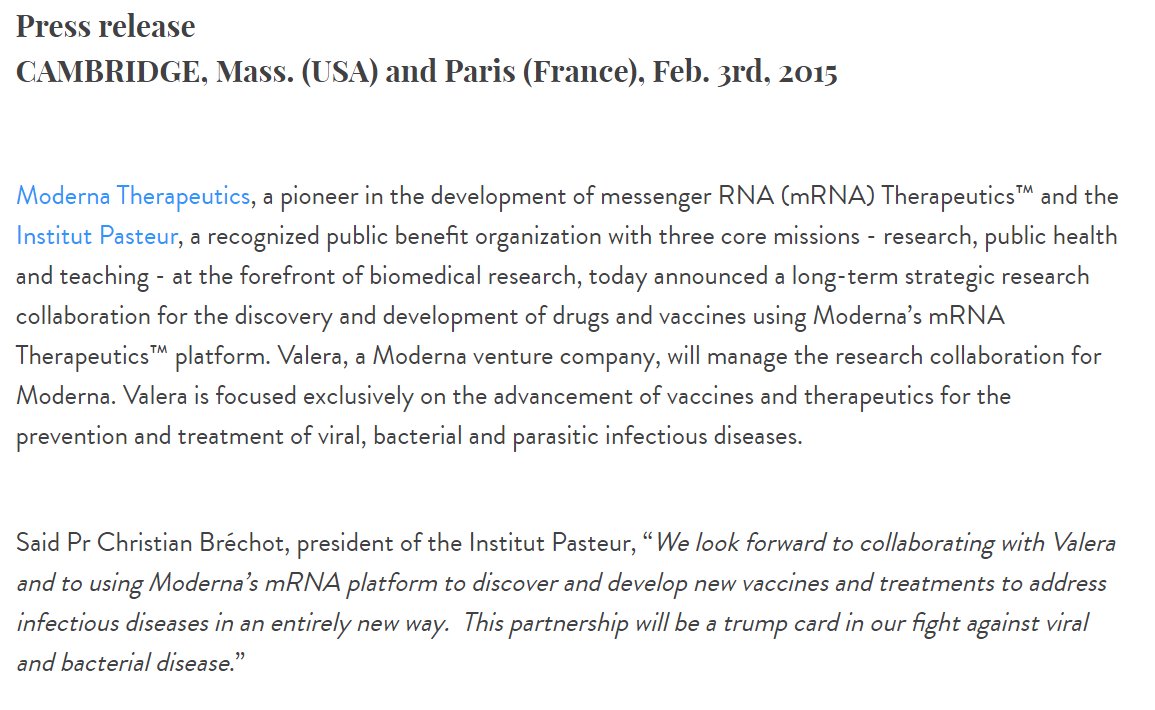
Moderna partnered with French Pasteur Institute in 2015 to develop mRNA vaccine technology.
Pasteur Institute partnered with the Wuhan P4 Laboratory in 2017 along with the Merieux Foundation to study emerging viruses...
https://t.co/yFsHwrNYaK
https://t.co/9M5lydBKhM
Nobel prize winning scientist Luc Montagnier asserts that Sars-Cov-2 is man-made and originated from the Wuhan Institute of Virology.
Montagnier did extensive work with the Pasteur Institute in France which was partnered with the Wuhan P4.
Merieux Foundation & the Chinese government have worked together since 1965, and partnered to study emerging pathogens in Africa in 2015.
Their research included "PATHOGENS CARRIED BY BATS" that provoke respiratory diseases.
🚨🚨🚨
https://t.co/gVwpT0ssqI

Alain Merieux, who owns bioMerieux, was instrumental in the creation of the Wuhan Institute of Virology P4 Lab.
The same people who helped create the virus, also helped to create the vaccines...
Moderna partnered with French Pasteur Institute in 2015 to develop mRNA vaccine technology.
Pasteur Institute partnered with the Wuhan P4 Laboratory in 2017 along with the Merieux Foundation to study emerging viruses...
https://t.co/yFsHwrNYaK
https://t.co/9M5lydBKhM
Nobel prize winning scientist Luc Montagnier asserts that Sars-Cov-2 is man-made and originated from the Wuhan Institute of Virology.
Montagnier did extensive work with the Pasteur Institute in France which was partnered with the Wuhan P4.
Merieux Foundation & the Chinese government have worked together since 1965, and partnered to study emerging pathogens in Africa in 2015.
Their research included "PATHOGENS CARRIED BY BATS" that provoke respiratory diseases.
🚨🚨🚨
https://t.co/gVwpT0ssqI

