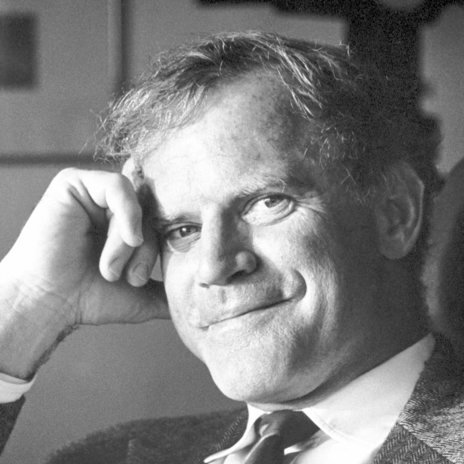
In one of life's strange coincidences, Mullis died in August 2019 - just months before the first cases of Covid were allegedly discovered in China.
Since I can't ask him for his latest thoughts, I've read his book, "Dancing Naked in the Mind Field".
Here are the six best bits.
1. The invention of PCR.
The idea for "polymerase chain reaction" came to Mullis while driving at night through the Californian countryside.
With PCR, he could make "as many copies as I wanted of any DNA sequence I chose".
He predicted he would win the Nobel prize for this.
2. Battling with the safety officer.
Mullis invented PCR while working at a biotechnology company called Cetus.
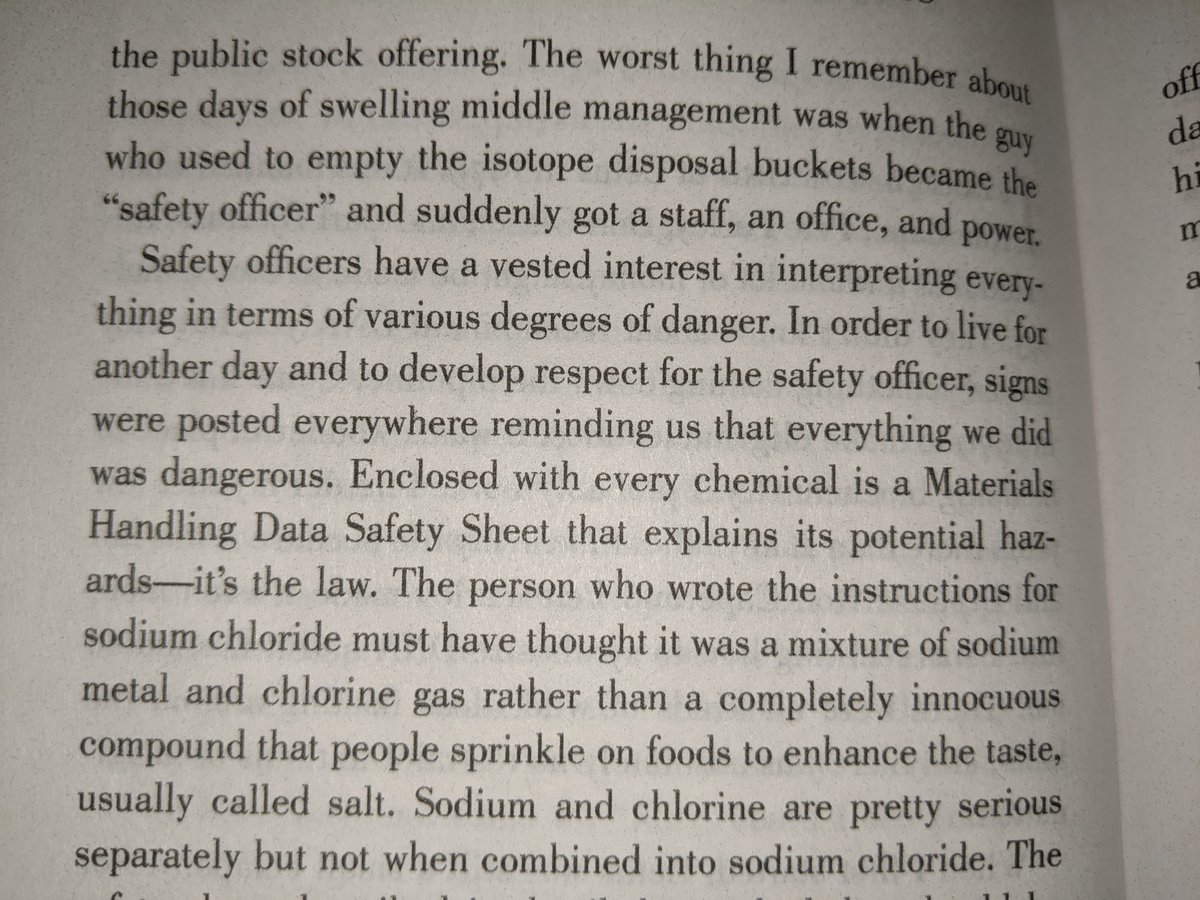
He enjoyed working there, but he hated its embrace of safety culture. He hated the "safety officer" who was given power over him.
He called this man the "danger officer", because "all he ever did was put up DANGER signs".
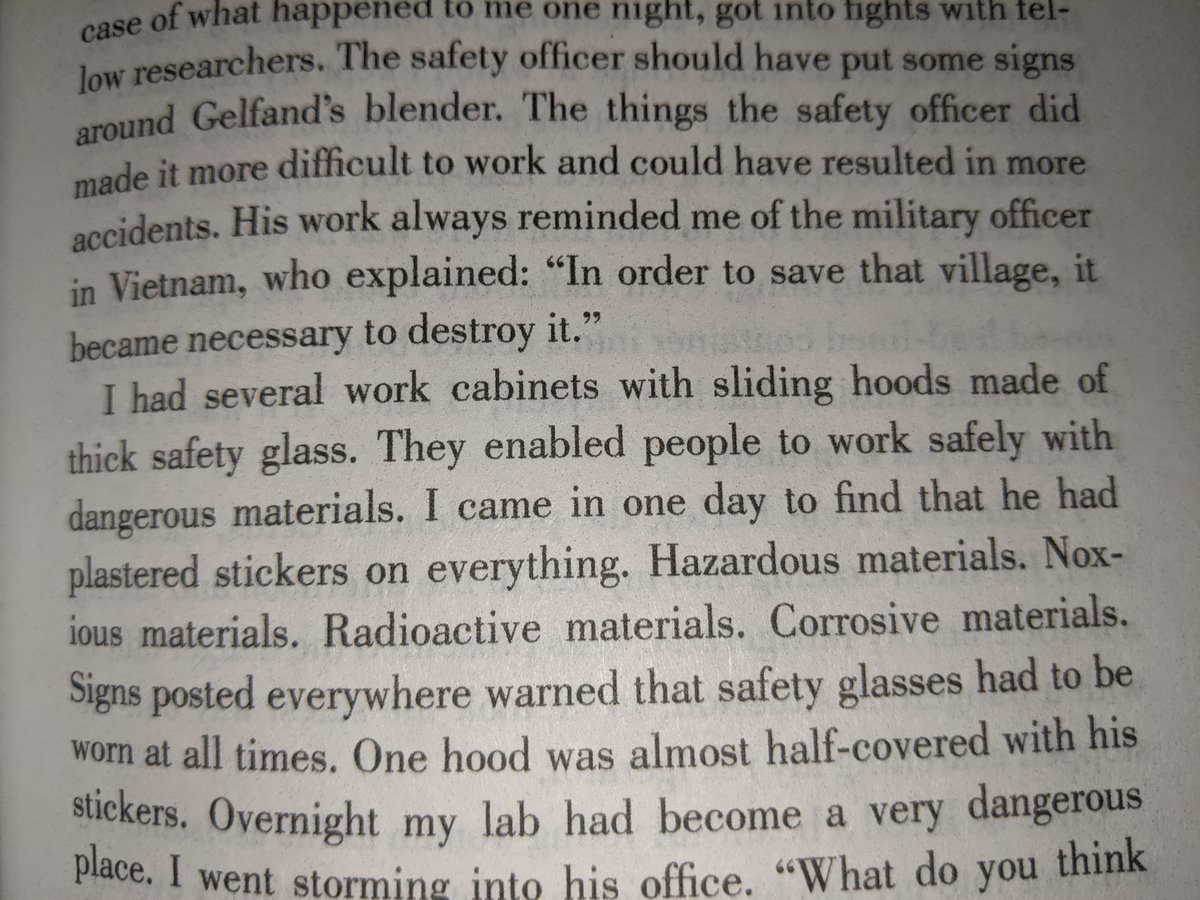
This man covered up his glass cabinets with warning stickers, making it impossible to see the chemicals inside.
"Overnight, my lab had become a very dangerous place".
The safety officer also objected to Mullis storing beer bottles in the same fridge as his radioactive isotopes.
Mullis argued that radiation couldn't escape from a lead-lined container. Mullis won this battle because the president of Cetus also liked taking beer from the fridge.
3. Defending OJ Simpson.
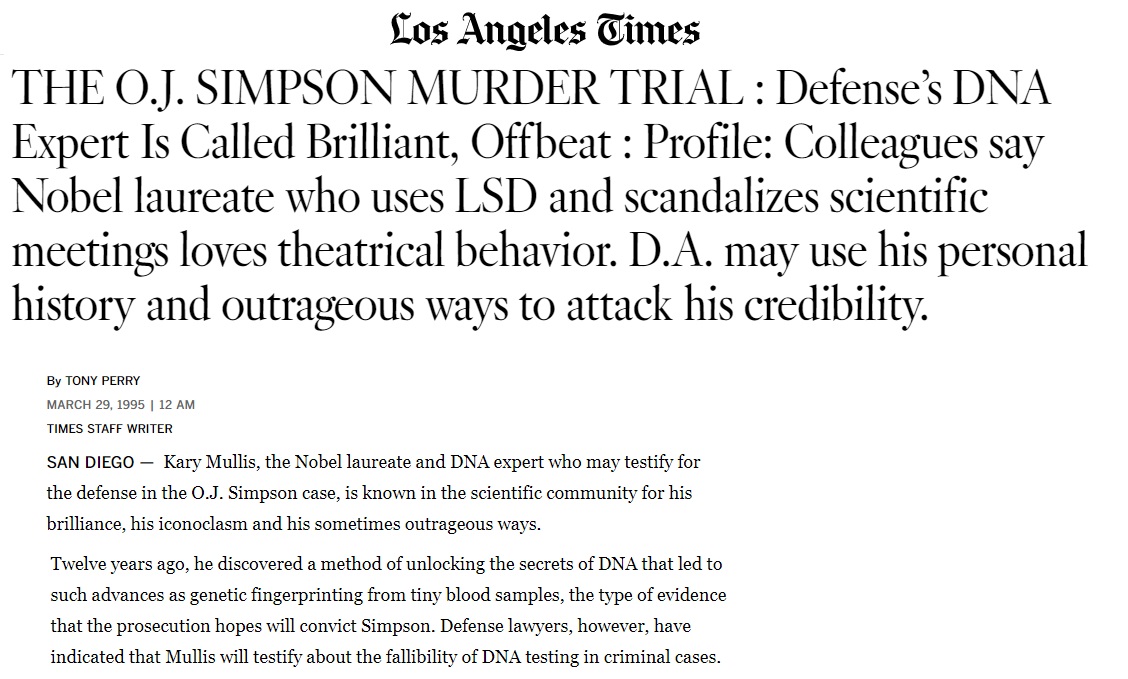
Mullis was asked to be an expert witness at the murder trial of OJ Simpson, though he did not ultimately testify.
He had testified for the defense at murder trials before - "my role was to make sure the PCR-DNA work had been done fairly and accurately".
In OJ's case, Mullis thought "most of the DNA evidence should be thrown out on first principles."
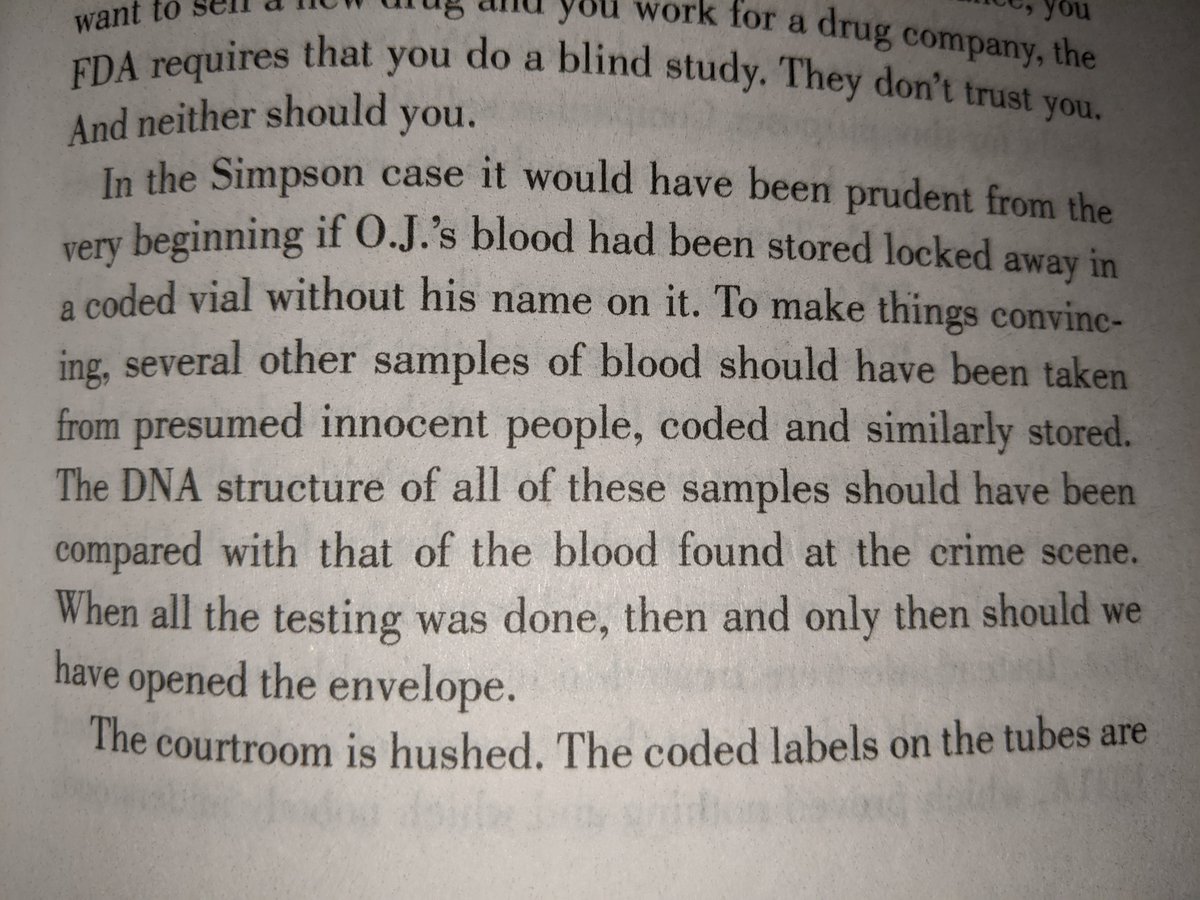
Why? It was a "one-man line-up" - only OJ's DNA was tested. It was impossible to be sure that the test would not also put some other presumed innocent person at the crime scene.
Furthermore, the blood should have been stored without OJ's name on it, so that those carrying out the test wouldn't know whether the prosecution wanted a positive result.
Today, governments are mass testing for SARS-CoV-2 and nothing else. Another "one-man line-up". perhaps?
4. Nobody is taking care of us.
At 22, Mullis realised there was nobody taking care of humanity - no group of older, wiser people looking out for our best interests.
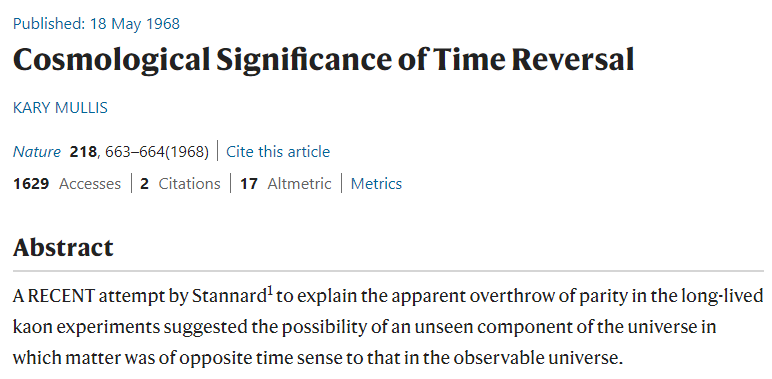
He realised this when his "description of the entire universe" was published by Nature.
https://t.co/HNDqg6yJxy
Despite his "limited experience as a cosmologist", this piece of work was taken seriously by the foremost scientific journal in the world. The media picked up on it and he became internationally notorious for it.
But he knew that it was really just a "tentative hypothesis".
By contrast, the major scientific journals rejected him when he wanted to share the discovery of PCR - something which he knew would be extremely useful.
Nature and Science couldn't see it, and both turned him down.
He was eventually published by "Methods in Enzymology".
This experience taught him that not even scientific journals could be trusted, let alone the unscientific news media.
"The media are at the mercy of the scientists who have the ability to summon them, and the scientists who have such ability are not often minding the store."
5. Science is corrupt.
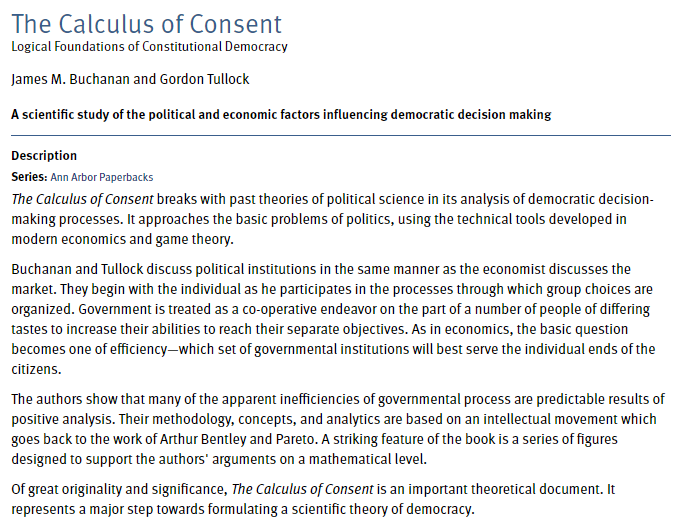
Mullis agreed with Nobel-winning economist James Buchanan: "there is no vested interest in seeing a fair evaluation of a public scientific issue".
Voters don't have time to study politics, so they are preyed on by politicians, bureaucrats and lobbyists.
Scientific advisors to governments, according to Mullis, are "always having to come up with the imminent disasters that can be prevented by governmental projects, sponsored by informed and well-meaning politicians".
What they are really doing is manipulating the public.
Mullis singles out the UN's IPCC, the EPA and others for providing corrupted science to politicians.
"If you can't actually measure something, or make an accurate prediction from a theory, and present it to a group of your fellows, be good enough not to disturb us about it."
As a result of the politically motivated funding of scientific research, Mullis says there is "very little experimental verification" when it comes to "important societal issues".
"Some of the big truths voters have accepted have little or no scientific basis."
Plus ça change..
6. AIDS: a symptom plus a positive test result.
Mullis was one of the most prominent scientists to question the connection between HIV and AIDS.
On reading this chapter of the book, I was shocked by the parallels between HIV/AIDS and SARS-Cov-2/Covid-19.
Buckle yourself in...
Mullis became interested in AIDS when he was involved in testing blood samples for retroviruses such as HIV.
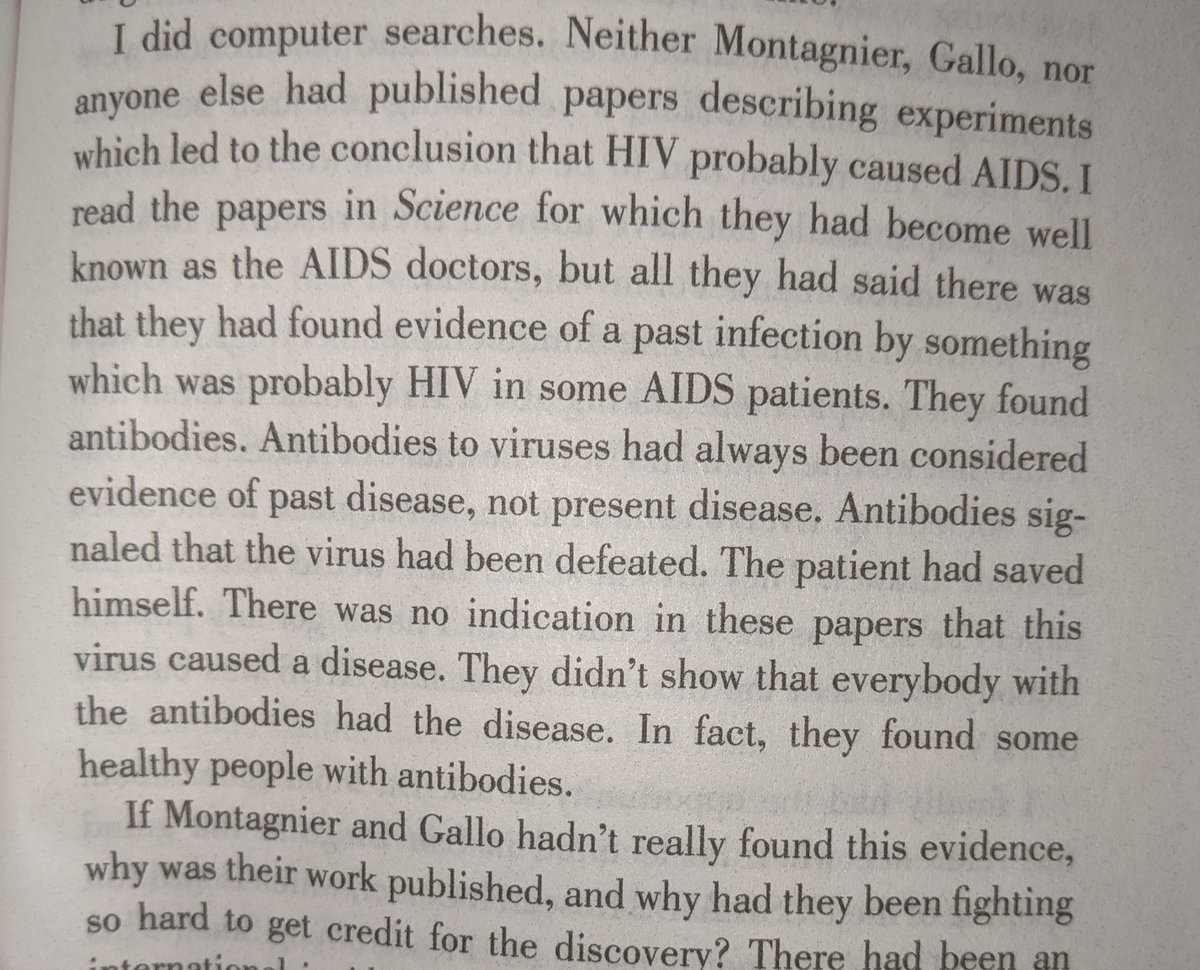
When he looked for evidence that HIV caused AIDS, he could not find any experimental research to support this claim.
He kept asking for it, but nobody could provide it.
He then came across Peter Duesberg, a virologist at Berkeley, who said that no such evidence existed.
In this 2015 lecture, Duesberg notes that all of his funding from the US government's NIH abruptly dried up, as soon as he became a HIV-AIDS dissenter.
https://t.co/QHgNKDvztl
By contrast, Duesberg's former colleague at the National Cancer Institute, Robert Gallo, had no problems getting funded.
President Reagan's AIDS-related funding jumped to the billions on the back of Gallo's advice.
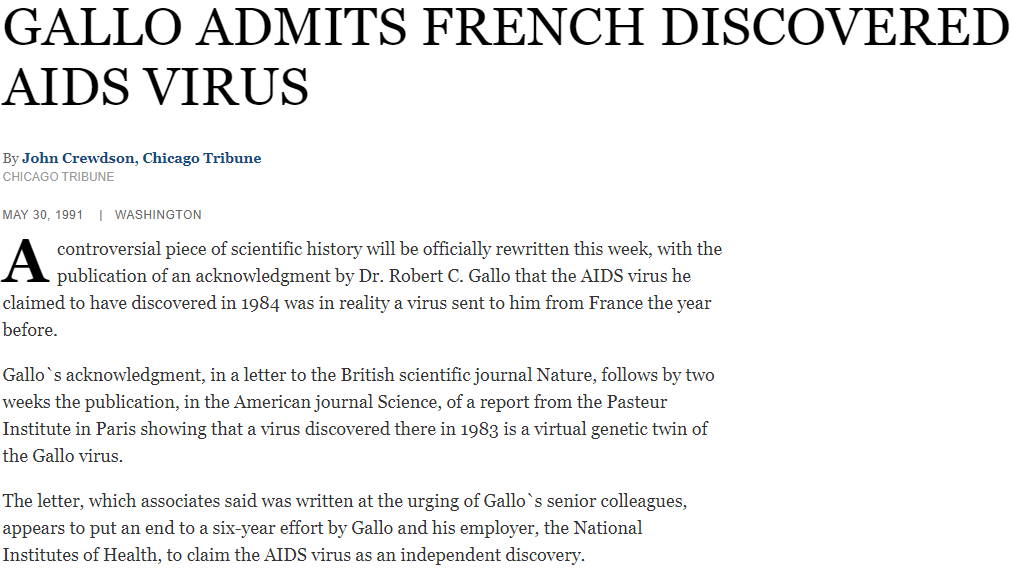
Gallo admitted in 1991 that he hadn't really discovered HIV.
So what are the similarities between SARS-CoV-2 and HIV? After listening to Mullis and Duesberg, I can think of many.
(1) Bad predictions.
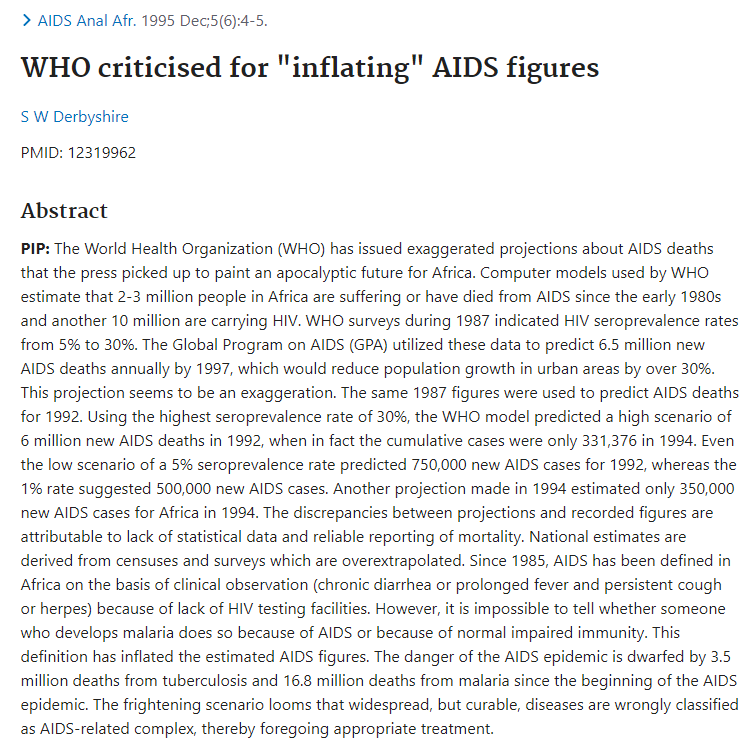
The WHO was accused of making exaggerated, fear-inducing forecasts of AIDS deaths on the back of dodgy computer modelling.
Sound familiar?
(2) A disease of many symptoms.
According to Mullis, the CDC definition of AIDS was "one of more than 30 diseases", plus a positive antibody test. The list was constantly expanding.
Without a positive test, you only had some boring disease, not a killer virus.
Sound familiar?