ЁЯОДMERRY CHRISTMASЁЯОД

Today, in 1831.

Over 60,000 Jamaican Slaves, led by one man, go on to carry out one of the largest Slave Rebellions in West Indian history.

The 11-Day battle that no one talks about.

The Baptist War: The Christmas Rebellion

[History Thread]

During the 19th century, Jamaica was essentially used as one large plantation by the British.

Most, if not all of the Black residents were enslaved. In fact, Slaves outnumbered Whites 12:1 on the island.

Racial tensions were at all time highs.
Rumors began to circulate around the island that emancipation was on the way for the slaves.

A rumor created by Baptist missionaries to try to pacify the slaves and to thwart any revolts.

The truth, once realized, only angered the slaves even further.
Christian & Baptist missionaries thought their religion would essentially keep the slaves in check.

What they didn't count on was the slaves taking their Christianity and mixing it with Afro-Jamaican religion called "Myalism".
If you're knowledgeable about Jamaican culture and slang, then you would be familiar with the term "Duppy".

This term originates from the Myal Religion, and is believed to be one of the two souls a human gets when they are born into the world.
Jamaican Slaves would hold political meetings disguised as church services.

Since they weren't indoctrinated to be "obedient" slaves, instigating a revolt didn't take much effort.

Since missionaries were rarely at these meetings, they could plot freely.
These meetings were led by none other than Samuel Sharp, a Baptist slave from Montego Bay.

Sharp was able to move around the island more freely than most slaves.

Sharp and his following came up with a plan that they believed was peaceful and reasonable.
On December 25th 1831, Sharp & his following went on strike and demanded the following:

-Freedom
-Higher Wages of "Half the going rate"

That's it, nothing more. Sharp and his following declared not to work until they were met.

The plantation owners declined.

Well...
The Jamaican slaves responded to this declination by immediately burning down an entire house on the Estate, and killing 14 White people.

Sharp was backed by The Black Regiment, a military force of about 150 slave soldiers.

The battle lasted days.
The Regiment led by Col. Johnson caused immense damage via property, livestock, and land. As they invaded new lands, they would rally the slaves they met to follow them.

Numbers reached close to 60,000 revolting slaves. The opposing forces were retreating.
The Regiment led by Col. Johnson caused immense damage via property, livestock, and land. As they invaded new lands, they would rally the slaves they met to follow them.

Numbers reached close to 60,000 revolting slaves. The opposing forces were retreating.
However, the tides of battle would turn when Sharp's deputies were gradually killed in battle.

The opposing forces would eventually stop the rebellion in January 1832.

Killing a total of 500 slaves before, during, and after the uprising, including Sharp and the Regiment.
All was not lost, however. Hundreds of slaves fled the area and found freedom elsewhere.

Not only that, it was because of the Christmas Rebellion (and others like it) that slavery was abolished in Jamaica the following year in 1833.
Samuel Sharp is actually commemorated through the Jamaican government by putting him on the $50 Bill .

More from History

You May Also Like

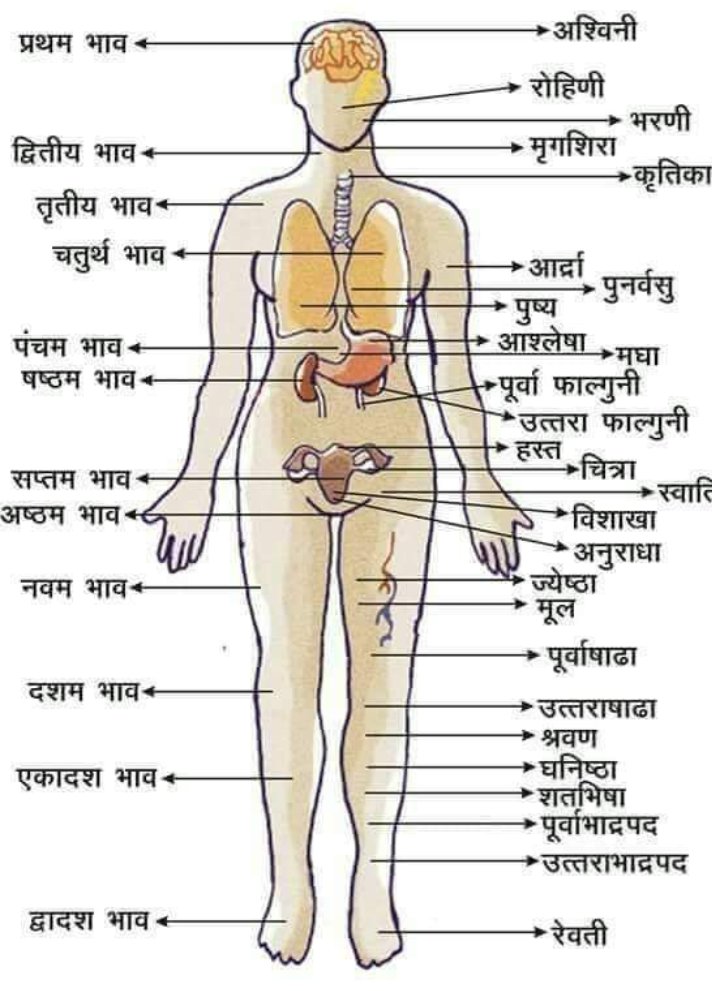
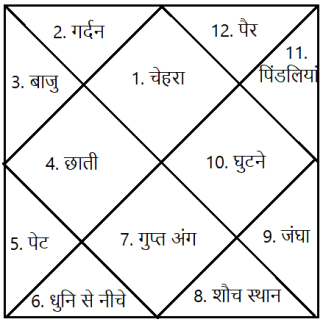
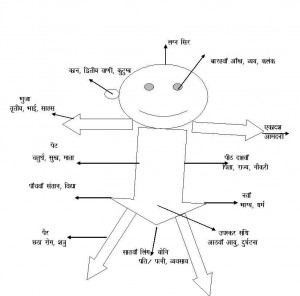
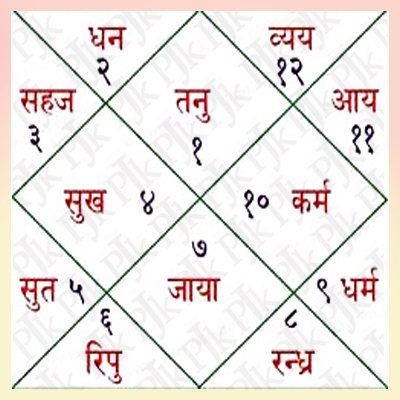
рдХреБрдВрдбрд▓реА рдореЗрдВ 12 рднрд╛рд╡ рд╣реЛрддреЗ рд╣реИрдВред рдХреИрд╕реЗ рдЬреНрдпреЛрддрд┐рд╖ рджреНрд╡рд╛рд░рд╛ рд░реЛрдЧ рдХреЗ рдЖрдВрдХрд▓рди рдХрд░рддреЗ рд╕рдордп рдХреБрдВрдбрд▓реА рдХреЗ рд╡рд┐рднрд┐рдиреНрди рднрд╛рд╡реЛрдВ рд╕реЗ рдЧрдгрдирд╛ рдХрд░рддреЗ рд╣реИрдВ рдЖрдЬ рдЗрд╕ рдкрд░ рдЪрд░реНрдЪрд╛ рдХрд░реЗрдВрдЧреЗред
рдХреБрдгреНрдбрд▓реА рдХреЛ рдХрд╛рд▓рдкреБрд░реБрд╖ рдХреА рд╕рдВрдЬреНрдЮрд╛ рджреЗрдХрд░ рдЗрд╕рдореЗрдВ рд╢рд░реАрд░ рдХреЗ рдЕрдВрдЧреЛрдВ рдХреЛ рд╕реНрдерд╛рдкрд┐рдд рдХрд░ рдЙрдирд╕реЗ рд░реЛрдЧ, рд░реЛрдЧреЗрд╢, рд░реЛрдЧ рдХреЛ рдмрдврд╝рд╛рдиреЗ рдШрдЯрд╛рдиреЗ рд╡рд╛рд▓реЗ рдЧреНрд░рд╣


рд░реЛрдЧ рдХреА рд╕реНрдерд┐рддрд┐ рдореЗрдВ рдЙрддреНрдкреНрд░реЗрд░рдХ рдХрд╛ рдХрд╛рд░реНрдп рдХрд░рдиреЗ рд╡рд╛рд▓реЗ рдЧреНрд░рд╣, рдЖрдпреБрд░реНрд╡реЗрджрд┐рдХ/рдРрд▓реЛрдкреИрдереА/рд╣реЛрдорд┐рдпреЛрдкреИрдереА рдореЗрдВ рд╕реЗ рдХреМрди рдХрд╛рд░рдЧрд░ рд╣реЛрдЧрд╛ рдЗрд╕рдХрд╛ рдЖрдБрдХрд▓рди, рд░рдХреНрдд рд╡рд┐рдХрд╛рд░, рд░рдХреНрдд рдФрд░ рдЖрдкрд░реЗрд╢рди рдХреА рд╕реНрдерд┐рддрд┐, рдХреМрди рд╕рд╛ рдЖрдВрддрд░рд┐рдХ рдпрд╛ рдмрд╛рд╣рд░реА рдЕрдВрдЧ рдкреНрд░рднрд╛рд╡рд┐рдд рд╣реЛрдЧрд╛ рдЗрддреНрдпрд╛рджрд┐ рдЧрдгрдирд╛ рдХрд░рдиреЗ рдореЗрдВ рдХреБрдВрдбрд▓реА рдХрд╛ рдкреНрд░рдпреЛрдЧ рдХрд┐рдпрд╛ рдЬрд╛рддрд╛ рд╣реИред


рдореЗрдбрд┐рдХрд▓ рдЬреНрдпреЛрддрд┐рд╖ рдореЗрдВ рдЖрдЬ рдХреЗ рд╕рдордп рдореЗрдВ Dr. K. S. Charak рдХрд╛ рдирд╛рдо рдирд┐рд░реНрд╡рд┐рд╡рд╛рдж рд░реВрдк рд╕реЗ рдкреНрд░рдердо рд╕реНрдерд╛рди рд░рдЦрддрд╛ рд╣реИред рдЙрдирдХреА рд▓рд┐рдЦреА рдХрдИ рдкреБрд╕реНрддрдХреЗрдВ рдЖрдЬ рдЗрд╕ рдХреНрд╖реЗрддреНрд░ рдореЗрдВ рдирдП рдЬреНрдпреЛрддрд┐рд╖реЛрдВ рдХрд╛ рдорд╛рд░реНрдЧрджрд░реНрд╢рди рдХрд░ рд░рд╣реА рд╣реИрдВред
рдкреНрд░рдердо рднрд╛рд╡ -
рдЗрд╕ рднрд╛рд╡ рд╕реЗ рд╣рдо рд╡реНрдпрдХреНрддрд┐ рдХреА рд░реЛрдЧрдкреНрд░рддрд┐рд░реЛрдзрдХ рдХреНрд╖рдорддрд╛, рд╕рд┐рд░, рдорд╖реНрддрд┐рд╕реНрдХ рдХрд╛ рд╡рд┐рдЪрд╛рд░ рдХрд░рддреЗ рд╣реИрдВред


рджреНрд╡рд┐рддреАрдп рднрд╛рд╡-
рджрд╛рд╣рд┐рдирд╛ рдиреЗрддреНрд░, рдореБрдЦ, рд╡рд╛рдгреА, рдирд╛рдХ, рдЧрд░реНрджрди рд╡ рдЧрд▓реЗ рдХреЗ рдКрдкрд░реА рднрд╛рдЧ рдХрд╛ рд╡рд┐рдЪрд╛рд░ рд╣реЛрддрд╛ рд╣реИред
рддреГрддреАрдп рднрд╛рд╡-
рдЕрд╕реНрдерд┐, рдЧрд▓рд╛,рдХрд╛рди, рд╣рд╛рде, рдХрдВрдзреЗ рд╡ рдЫрд╛рддреА рдХреЗ рдЖрдВрддрд░рд┐рдХ рдЕрдВрдЧреЛрдВ рдХрд╛ рд╢реБрд░реБрдЖрддреА рднрд╛рдЧ рдЗрддреНрдпрд╛рджрд┐ред

рдЪрддреБрд░реНрде рднрд╛рд╡- рдЫрд╛рддреА рд╡ рдЗрд╕рдХреЗ рдЖрдВрддрд░рд┐рдХ рдЕрдВрдЧ, рдЬрд╛рддрдХ рдХреА рдорд╛рдирд╕рд┐рдХ рд╕реНрдерд┐рддрд┐/рдкреНрд░рдХреГрддрд┐, рд╕реНрддрди рдЖрджрд┐ рдХреА рдЧрдгрдирд╛ рдХреА рдЬрд╛рддреА рд╣реИ


рдкрдВрдЪрдо рднрд╛рд╡-
рдЬрд╛рддрдХ рдХреА рдмреБрджреНрдзрд┐ рд╡ рдЙрд╕рдХреА рддреАрд╡реНрд░рддрд╛,рдкреАрда, рдкрд╕рд▓рд┐рдпрд╛рдВ,рдкреЗрдЯ, рд╣реГрджрдп рдХреА рд╕реНрдерд┐рддрд┐ рдЖрдВрдХрд▓рди рдореЗрдВ рдкреНрд░рдпреЛрдЧ рд╣реЛрддрд╛ рд╣реИред

рд╖рд╖реНрда рднрд╛рд╡-
рд░реЛрдЧ рднрд╛рд╡ рдХрд╣рд╛ рдЬрд╛рддрд╛ рд╣реИред рдХреБрдВрдбрд▓реА рдореЗ рдЗрд╕рдХреЗ рддрддреНрдХрд╛рд▓рд┐рдХ рднрд╛рд╡ рд╕реНрд╡рд╛рдореА, рдХрд╛рд▓рдкреБрд░реБрд╖ рдХреБрдВрдбрд▓реА рдХреЗ рд╕реНрд╡рд╛рдореА, рджреГрд╖реНрдЯрд┐ рд╕рдВрдмрдВрдз, рд░реЛрдЧреЗрд╢ рдХреА рд╕реНрдерд┐рддрд┐, рд░реЛрдЧреЗрд╢ рдХреЗ рдирдХреНрд╖рддреНрд░ рдФрд▒ рд░реЛрдЧреЗрд╢ рд╡ рднрд╛рд╡ рдХреА рдбрд┐рдЧреНрд░реА рдЗрддреНрдпрд╛рджрд┐ред
I just finished Eric Adler's The Battle of the Classics, and wanted to say something about Joel Christiansen's review linked below. I am not sure what motivates the review (I speculate a bit below), but it gives a very misleading impression of the book. 1/x


The meat of the criticism is that the history Adler gives is insufficiently critical. Adler describes a few figures who had a great influence on how the modern US university was formed. It's certainly critical: it focuses on the social Darwinism of these figures. 2/x

Other insinuations and suggestions in the review seem wildly off the mark, distorted, or inappropriate-- for example, that the book is clickbaity (it is scholarly) or conservative (hardly) or connected to the events at the Capitol (give me a break). 3/x

The core question: in what sense is classics inherently racist? Classics is old. On Adler's account, it begins in ancient Rome and is revived in the Renaissance. Slavery (Christiansen's primary concern) is also very old. Let's say classics is an education for slaveowners. 4/x

It's worth remembering that literacy itself is elite throughout most of this history. Literacy is, then, also the education of slaveowners. We can honor oral and musical traditions without denying that literacy is, generally, good. 5/x