As a result, base engineering staff sometimes had to remain on board to continue their work during operations.
Everything is appalling, so here are some stories about the Navy's Coastal Forces (Motor Gun Boats and Motor Torpedo Boats) in WW2.
As a result, base engineering staff sometimes had to remain on board to continue their work during operations.
Not having seen one before, he opened the hatch to look around. Every gun was in action, and enemy tracer zipped past his head. The noise was appalling.
One of the MGB's crew, incensed by the Blitz, vowed to throw overboard any German he came across.
When the CO asked why, the rating replied 'He's a gentleman, sir.'
One of the Germans was drenched, so an MGB officer told the guard commander that he needed dry clothes.
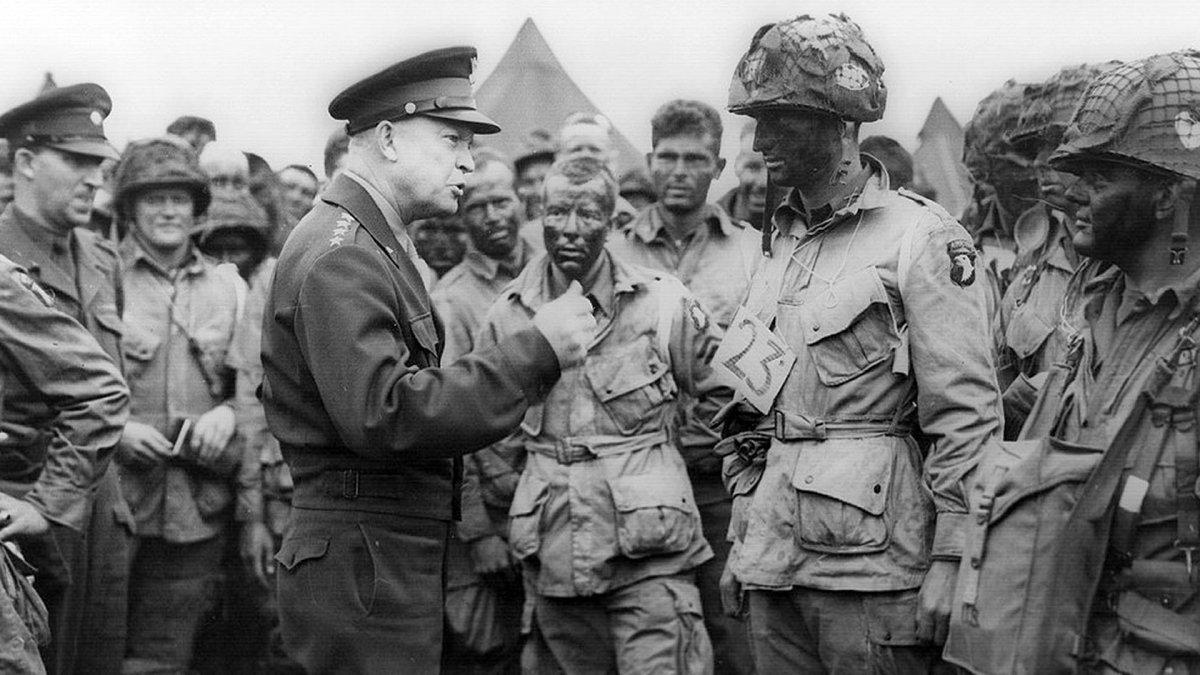
On 13 May 1943 MTBs attacked ferries evacuating German troops from North Africa, sinking them and taking numerous prisoners.
These included a number of paratroopers, notoriously tough and resourceful soldiers.
He was all the more alarmed to discover that it emanated from a German paratrooper, with a smoking MP40 still in his hands.
More from History










THREAD: With #silversqueeze trending on Twitter, it appears that this week's market spectacle may well be in the silver market.
A perfect moment for a thread on the Hunt Brothers and their alleged attempt to corner the silver market...
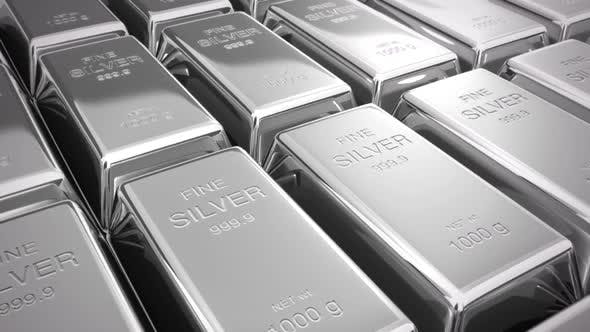
1/ First, let's set the stage.
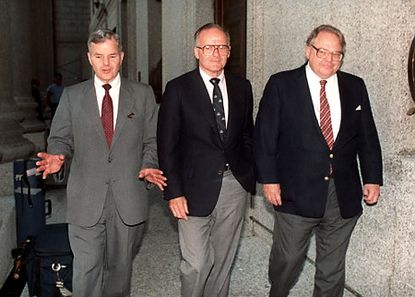
The Hunt Brothers - Nelson Bunker Hunt, William Herbert Hunt, and Lamar Hunt - were the sons of Texas tycoon H.L. Hunt.
H.L. Hunt had amassed a billion-dollar fortune in the oil industry.
He died in 1974 and left that fortune to his family.
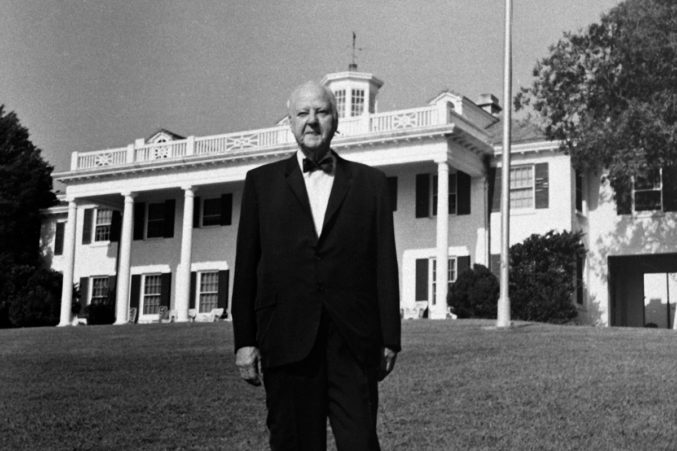
2/ After H.L.'s passing, the Hunt Brothers had taken over the family holdings and successfully managed to expand the Hunt empire.
By the late 1970s, the family's fortune was estimated to be ~$5 billion.
In the financial world, the Hunt name was as good as gold (or silver!).
3/ But the 1970s were a turbulent time in America.
Following the oil crisis of the early 1970s, the U.S. had entered a period of stagflation - a dire macroeconomic condition characterized by high inflation, low growth, and high unemployment.
4/ The Hunt Brothers - particularly Nelson Bunker and William Herbert - believed that the inflationary environment would persist and destroy the value of their family's holdings.
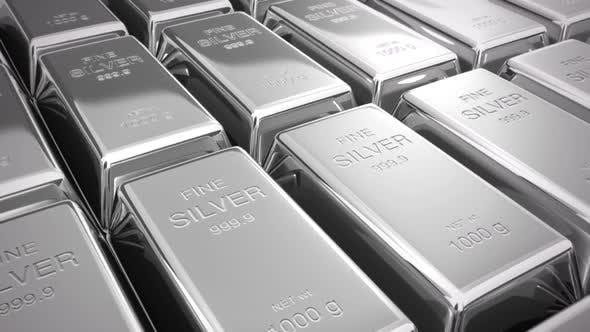
To hedge this risk, they turned to silver.
They began buying the metal at ~$3 per ounce in 1973.
A perfect moment for a thread on the Hunt Brothers and their alleged attempt to corner the silver market...
1/ First, let's set the stage.
The Hunt Brothers - Nelson Bunker Hunt, William Herbert Hunt, and Lamar Hunt - were the sons of Texas tycoon H.L. Hunt.
H.L. Hunt had amassed a billion-dollar fortune in the oil industry.
He died in 1974 and left that fortune to his family.
2/ After H.L.'s passing, the Hunt Brothers had taken over the family holdings and successfully managed to expand the Hunt empire.
By the late 1970s, the family's fortune was estimated to be ~$5 billion.
In the financial world, the Hunt name was as good as gold (or silver!).
3/ But the 1970s were a turbulent time in America.
Following the oil crisis of the early 1970s, the U.S. had entered a period of stagflation - a dire macroeconomic condition characterized by high inflation, low growth, and high unemployment.
Stagflation 101
— Sahil Bloom (@SahilBloom) September 2, 2020
The term "stagflation" is used frequently in discussions of monetary policy and risks in the post-COVID world.
But what is stagflation and how does it work?
Here's Stagflation 101!
\U0001f447\U0001f447\U0001f447 pic.twitter.com/at4FmaCmkM
4/ The Hunt Brothers - particularly Nelson Bunker and William Herbert - believed that the inflationary environment would persist and destroy the value of their family's holdings.
To hedge this risk, they turned to silver.
They began buying the metal at ~$3 per ounce in 1973.