#HDFCBANK - Changing my previous counts - Top done at 1725 and flat abc correction seen. Stock should settle down in range 1270-1290 (like double top, double bottom is possible), https://t.co/9dDR6NFVDH
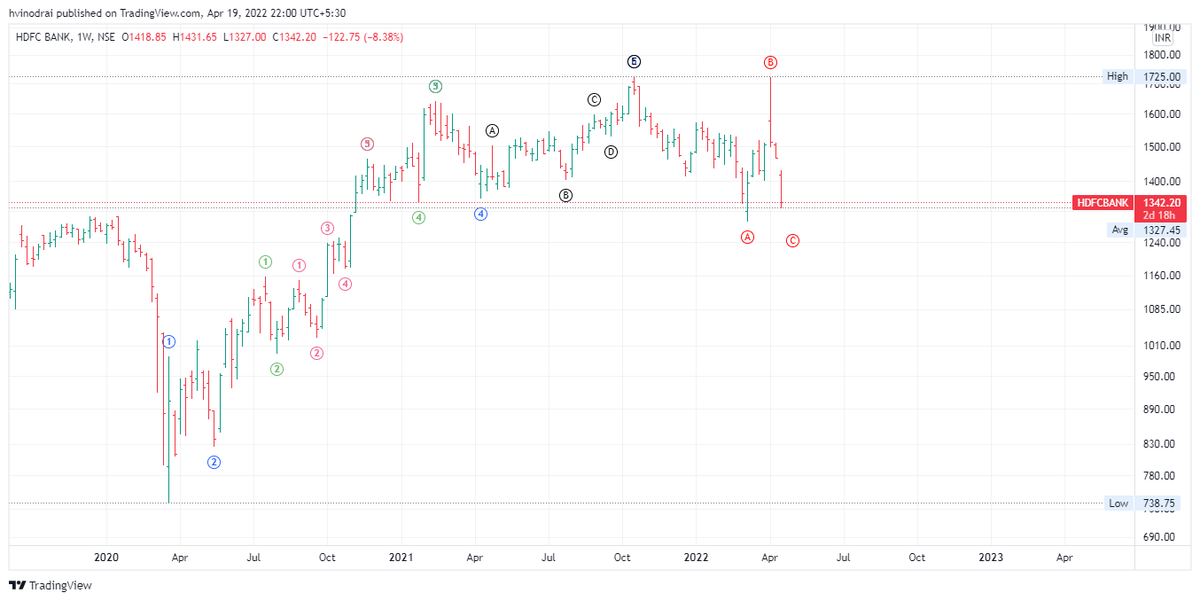
sir hdfcbank counts please
— om namo venkatesaya (@being__trader) April 19, 2022
More from Harsh / 허쉬
#Bhel - Falling from 79.55 now at 55
Chart wise labeling for 1,2,i,ii for now - counts invalid if falls further to 38. In that case will take a fresh look.
#Nifty #Elliotwave #Chart https://t.co/2mvKfAs3wA
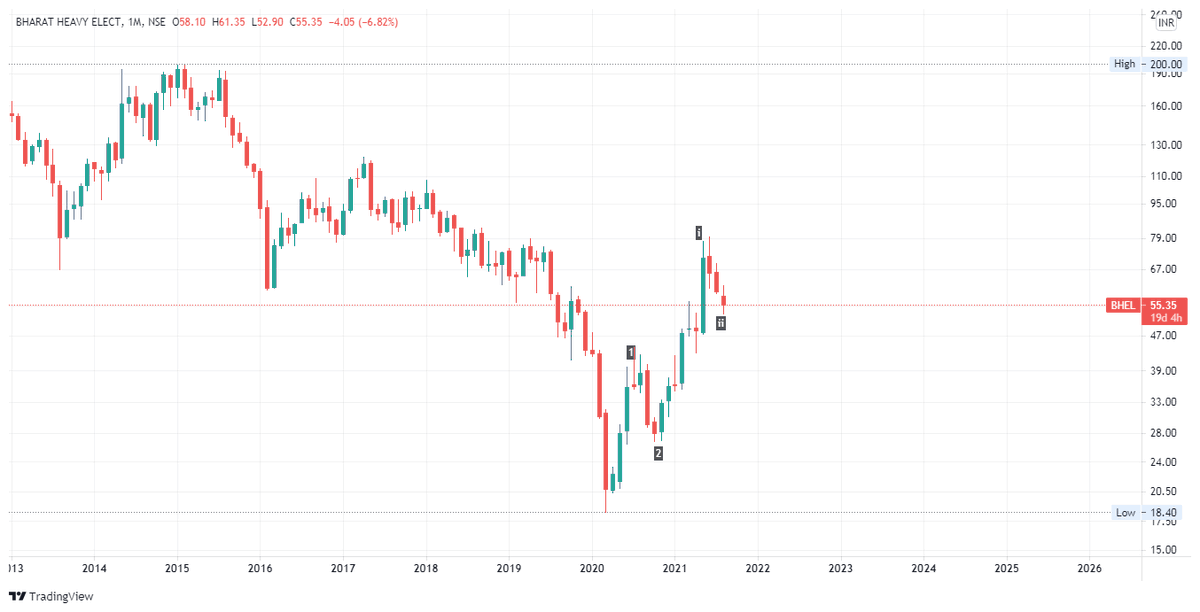
Chart wise labeling for 1,2,i,ii for now - counts invalid if falls further to 38. In that case will take a fresh look.
#Nifty #Elliotwave #Chart https://t.co/2mvKfAs3wA
Holding 29, major wave 2 looks over. Will you believe if I say ATH will come? But let's go step my step - 80-130-200 \U0001f600#Bhel pic.twitter.com/3KPCYeDoDp
— Harsh Mehta (@_Harsh_Mehta_) February 4, 2021

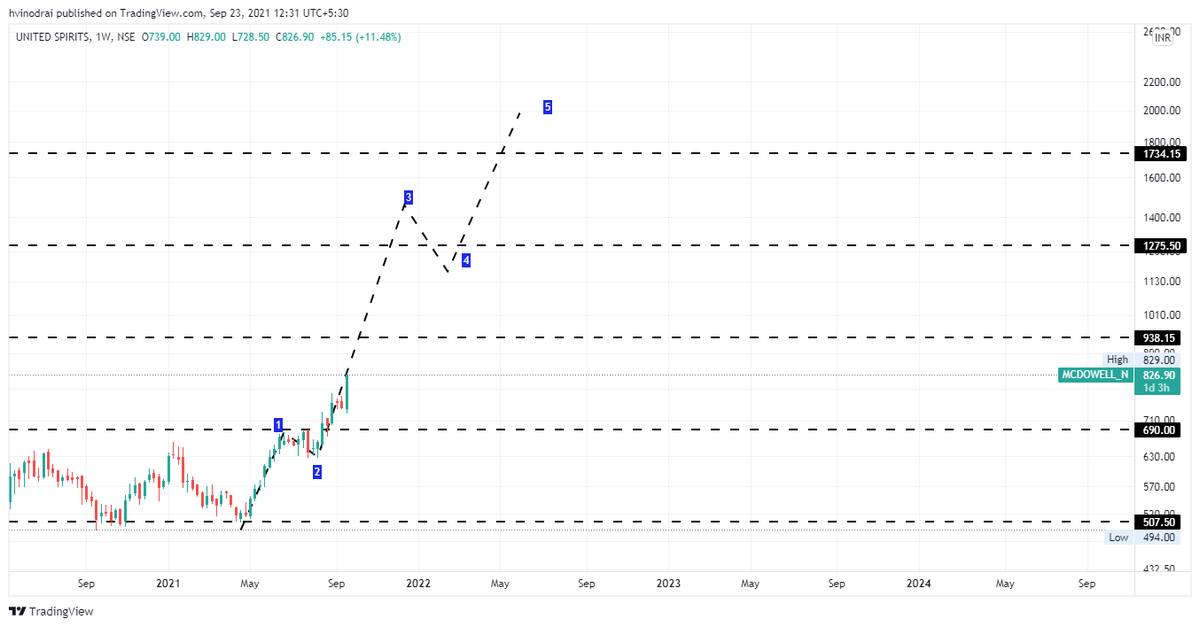
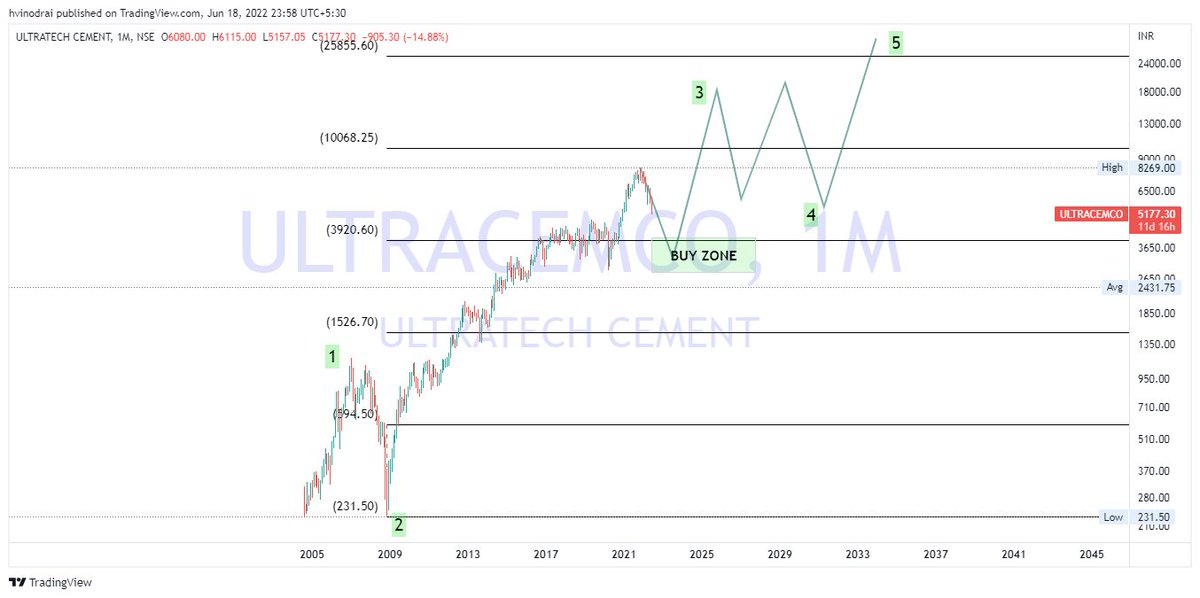
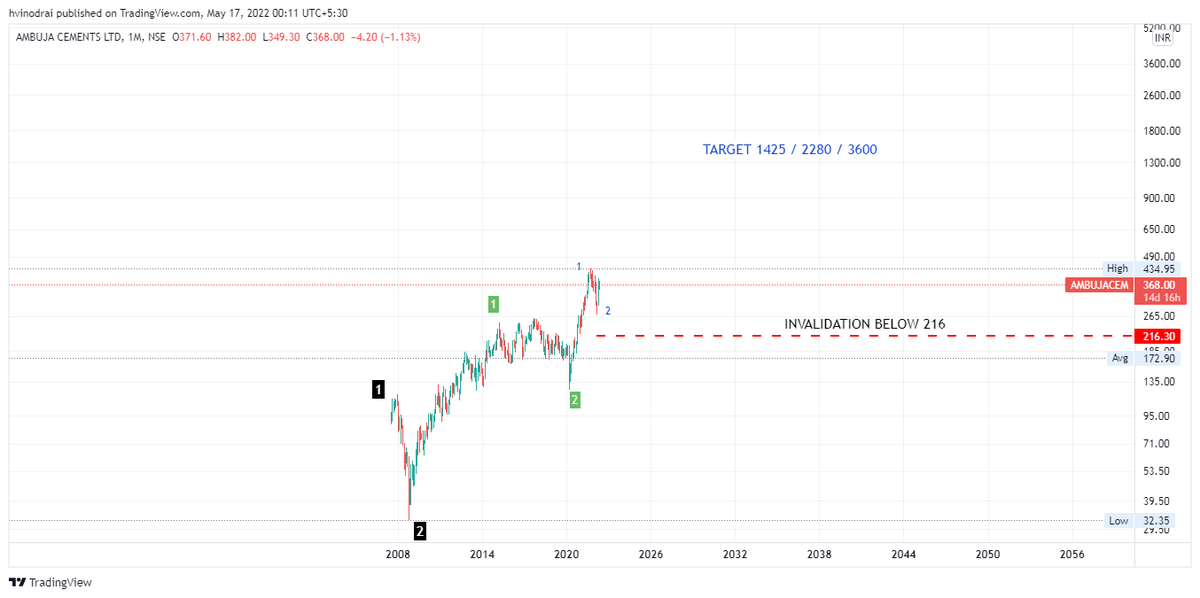
You May Also Like





BREAKING: @CommonsCMS @DamianCollins just released previously sealed #Six4Three @Facebook documents:
Some random interesting tidbits:
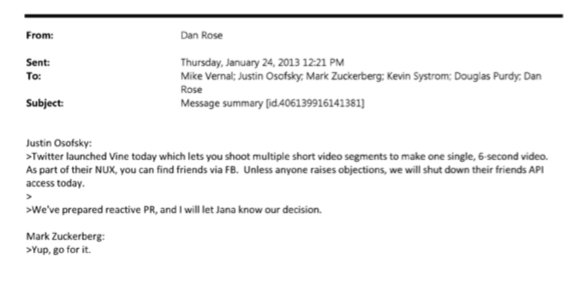
1) Zuck approves shutting down platform API access for Twitter's when Vine is released #competition
2) Facebook engineered ways to access user's call history w/o alerting users:
Team considered access to call history considered 'high PR risk' but 'growth team will charge ahead'. @Facebook created upgrade path to access data w/o subjecting users to Android permissions dialogue.
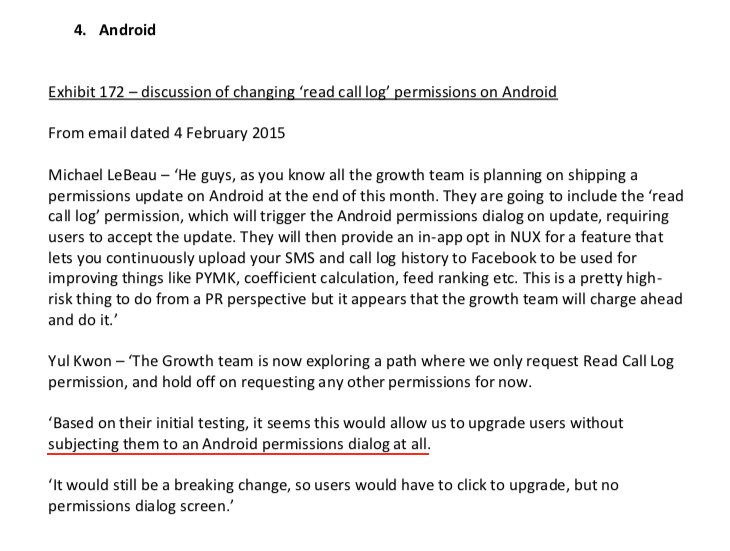
3) The above also confirms @kashhill and other's suspicion that call history was used to improve PYMK (People You May Know) suggestions and newsfeed rankings.
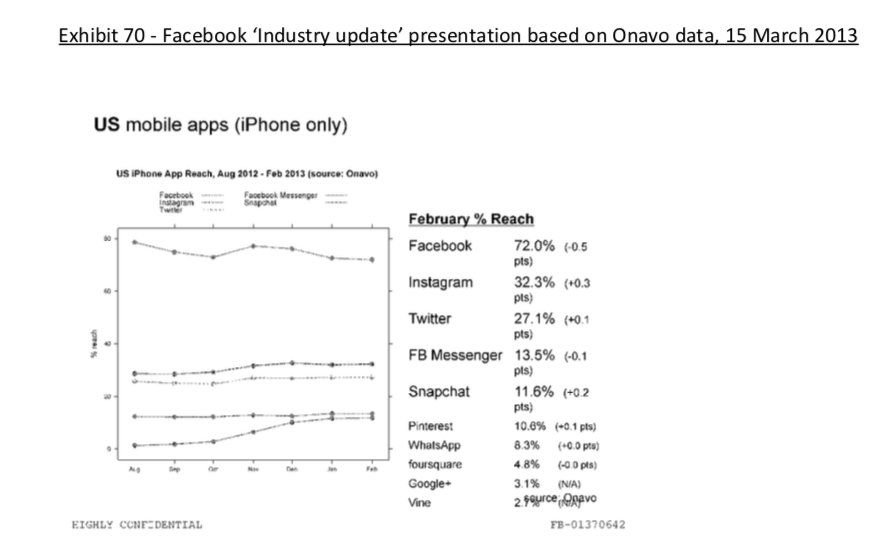
4) Docs also shed more light into @dseetharaman's story on @Facebook monitoring users' @Onavo VPN activity to determine what competitors to mimic or acquire in 2013.
https://t.co/PwiRIL3v9x
Some random interesting tidbits:
1) Zuck approves shutting down platform API access for Twitter's when Vine is released #competition
2) Facebook engineered ways to access user's call history w/o alerting users:
Team considered access to call history considered 'high PR risk' but 'growth team will charge ahead'. @Facebook created upgrade path to access data w/o subjecting users to Android permissions dialogue.
3) The above also confirms @kashhill and other's suspicion that call history was used to improve PYMK (People You May Know) suggestions and newsfeed rankings.
4) Docs also shed more light into @dseetharaman's story on @Facebook monitoring users' @Onavo VPN activity to determine what competitors to mimic or acquire in 2013.
https://t.co/PwiRIL3v9x