ORT. Final chapter. Atto XXII
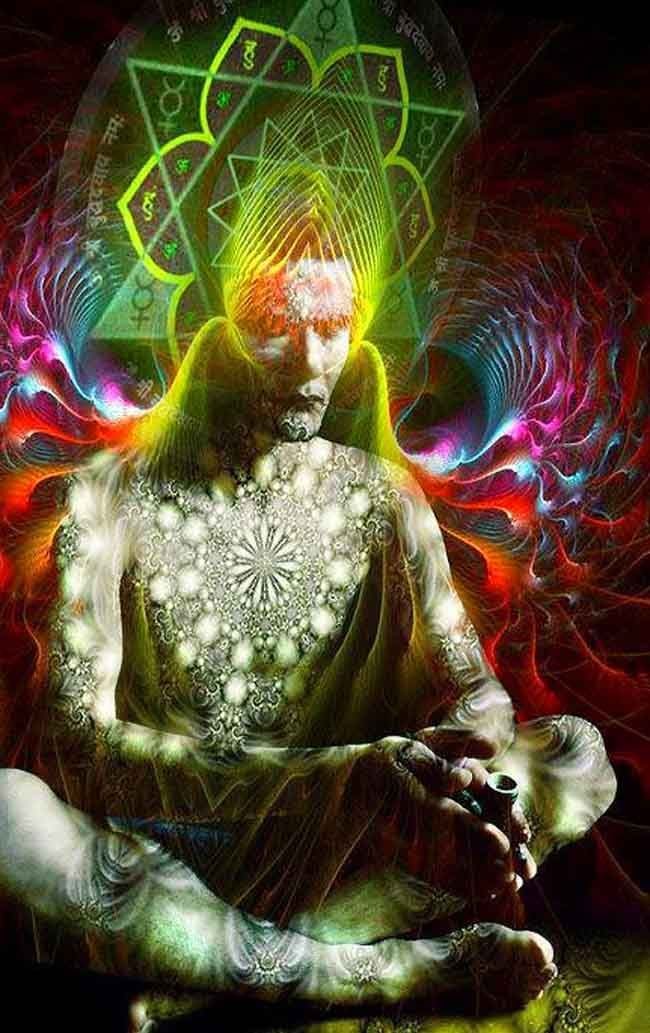
“Give up defining yourself to yourself or to others. You won’t die. You will come to life. And don’t be concerned with how others define you. When they define you, they are limiting themselves, so it’s their problem. Whenever you interact with people

don’t be there primarily as a function or a role, but as the field of conscious Presence. You can only lose something that you have, but you cannot lose something that you are.”  Eckhart Tolle
Jung pinpoint that there are elements of our psyche that are out of our control.
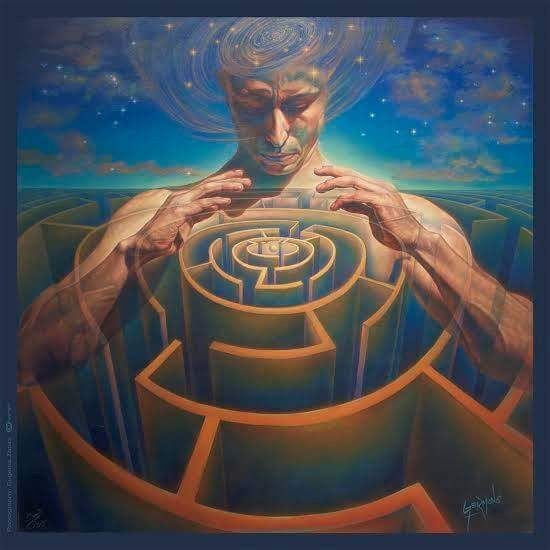
A driving force that influences our decisions. Now, here’s where spirituality comes in, what are these mysterious elements? Are they simply biological drives built into our DNA? Deep-rooted conditioned pathways in our brain? Or is there something greater?
Of course there is.
The importance of spirituality is that its focus is beyond the material dimension. When you look beyond the material, the concept of who we are...
“Though It seems that I know that I know, What I would like to see Is the ‘I’ that knows ‘me’ When I know that I know that I know."
What makes us feel spiritual then? It could be the quieting of a small area in our brains.
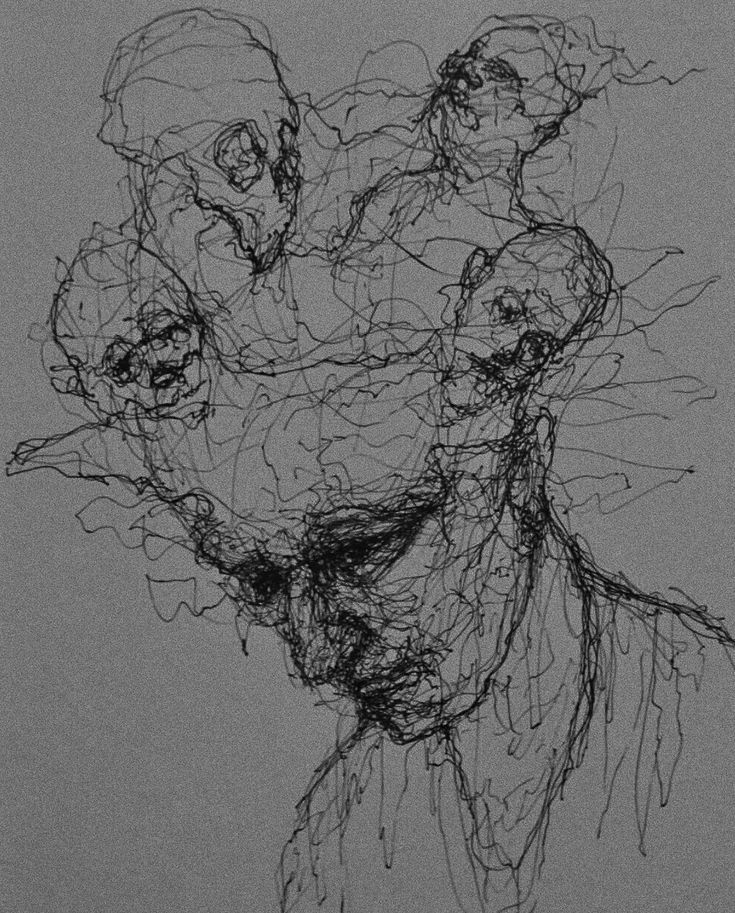
The area in question, the right parietal lobe, is responsible for defining "Me," according to Brick Johnstone of Missouri University. It generates self-criticism and guides us through
physical and social terrains by constantly updating our self-knowledge. People with less active Me-Definers are more likely to lead spiritual lives. His research pinpoints a less functional right parietal lobe, which may translate psychologically as decreased self-awareness.
The greatest silencing of the Me-Definer likely happens in the deepest states of meditation or prayer, when practitioners describe feeling seamless with the entire universe. That is, the highest point of spiritual experience occurs when "Me" completely loses its definition.
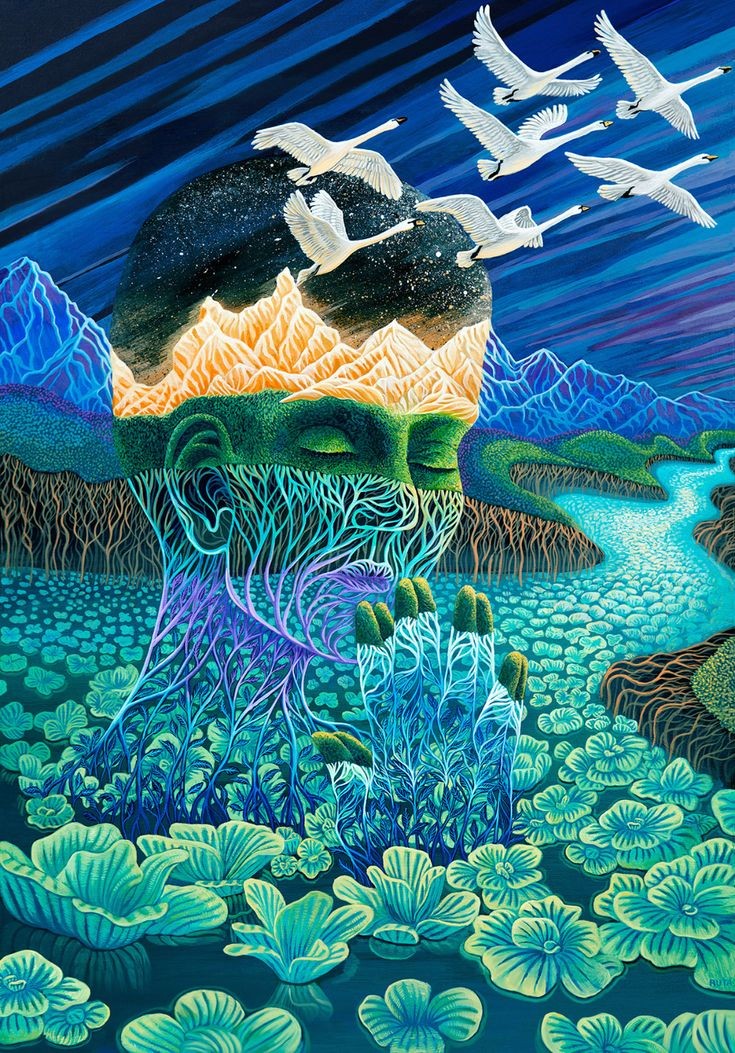
If one looks into the main religious systems and spiritual philosophies, selflessness is paramount in their teachings. Think of the uni-verse as a cosmic ocean of consciousness. Each and every one of us, on the deepest level of our psyche, is a part of this ocean.
"You are a function of what the whole universe is doing in the same way that a wave is a function of what the whole ocean is doing.”
Alan Watts

To be continued.
Good night.

More from Alex Dalassio

More from For later read

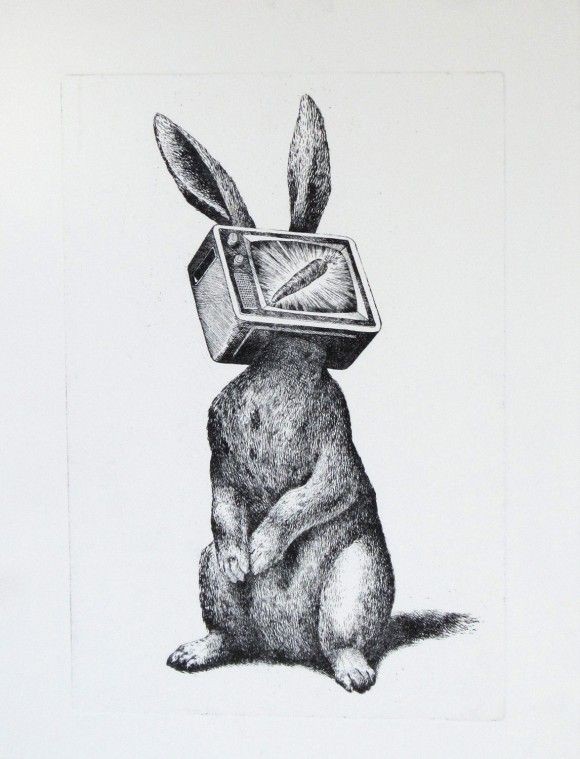
The common understanding of propaganda is that it is intended to brainwash the masses. Supposedly, people get exposed to the same message repeatedly and over time come to believe in whatever nonsense authoritarians want them to believe /1

And yet authoritarians often broadcast silly, unpersuasive propaganda.

Political scientist Haifeng Huang writes that the purpose of propaganda is not to brainwash people, but to instill fear in them /2


When people are bombarded with propaganda everywhere they look, they are reminded of the strength of the regime.

The vast amount of resources authoritarians spend to display their message in every corner of the public square is a costly demonstration of their power /3

In fact, the overt silliness of authoritarian propaganda is part of the point. Propaganda is designed to be silly so that people can instantly recognize it when they see it


Propaganda is intended to instill fear in people, not brainwash them.

The message is: You might not believe in pro-regime values or attitudes. But we will make sure you are too frightened to do anything about it.

You May Also Like