
Cont👇
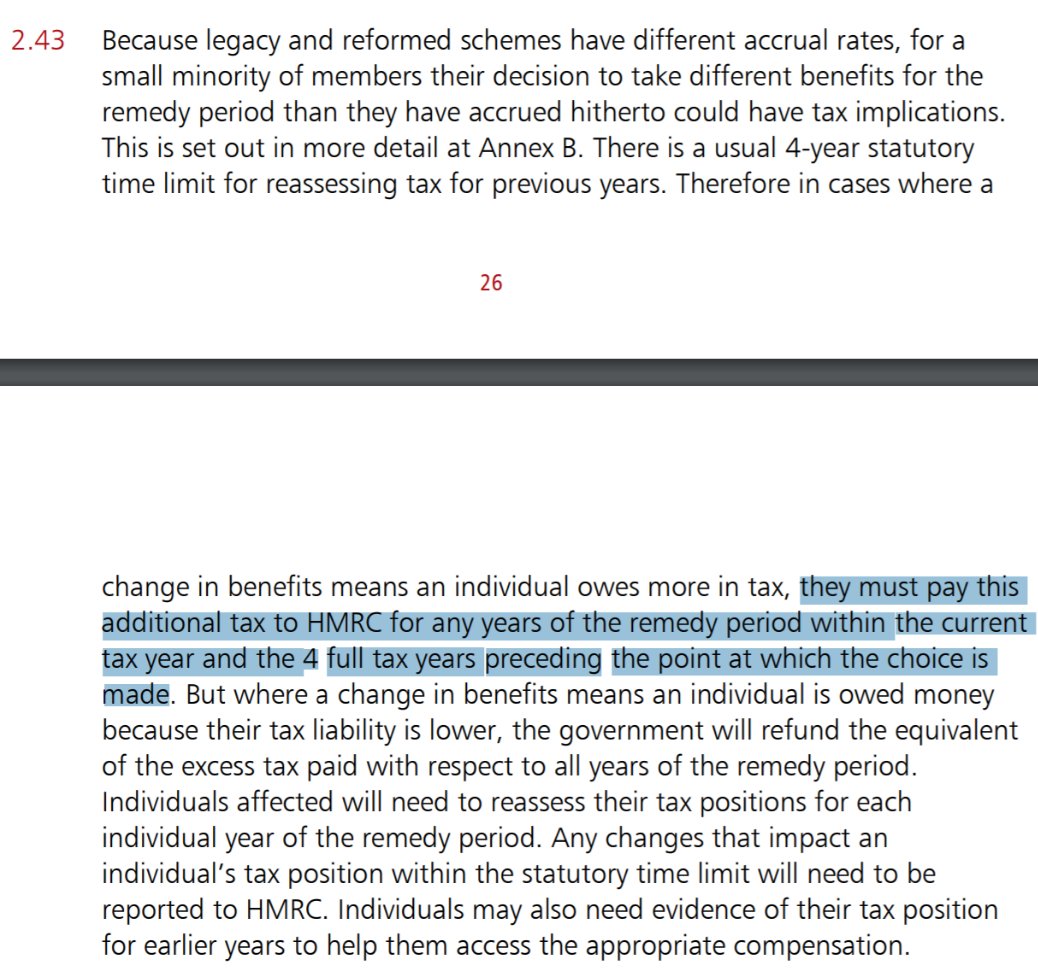
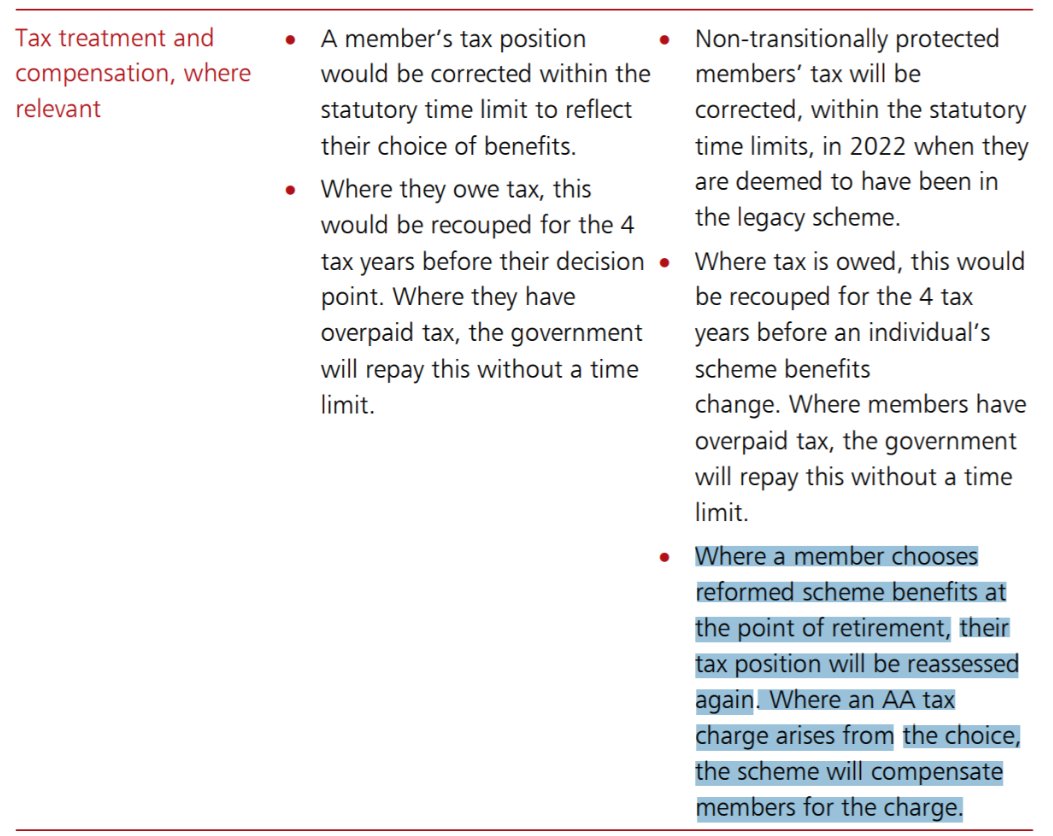
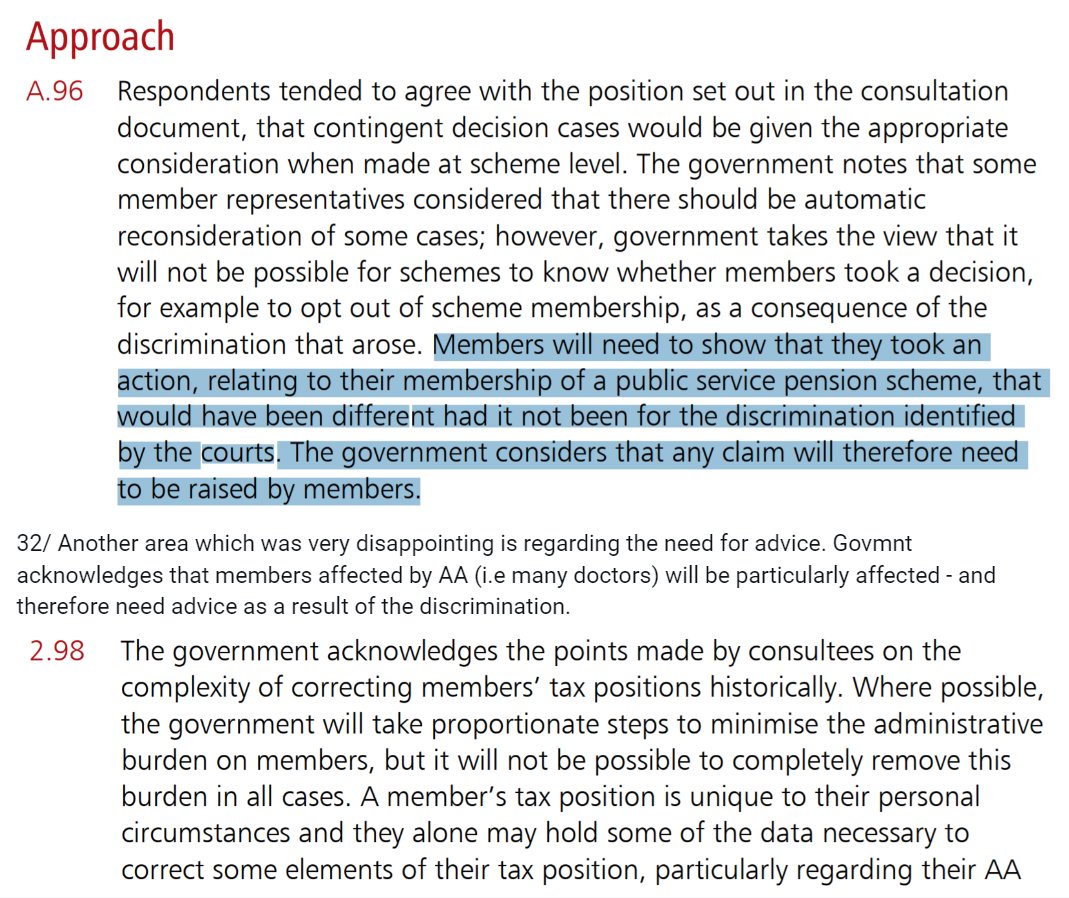
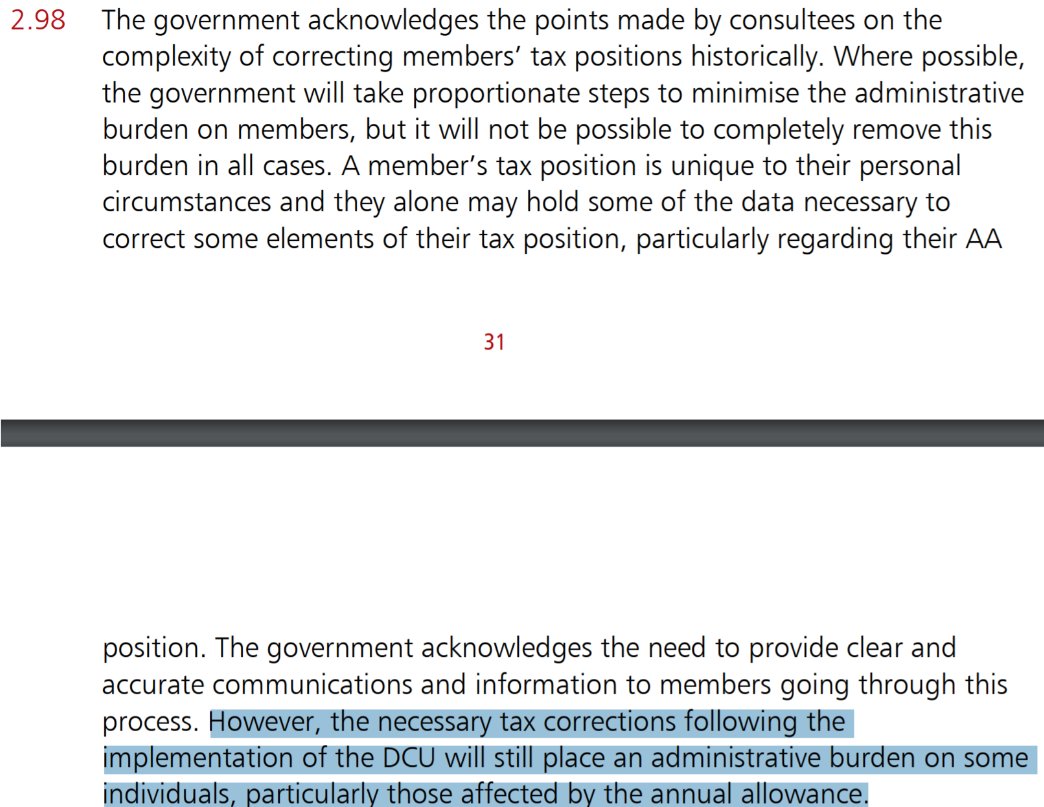
26/ If you have paid AA tax between 1995-22 it is likely your charges will be lower in 1995 than in 2015 scheme. This is because the AA rules are particularly unfair to members of 2 schemes. If your AA charges go down during any of the remedy period, you can claim a refund
●when you want to retire
●need for lump sum
●need for dependent benefits
●how long your est. to live
●AA/LTA tax between choices
*DONT ASSUME LEGACY IS ALWAYS BEST*

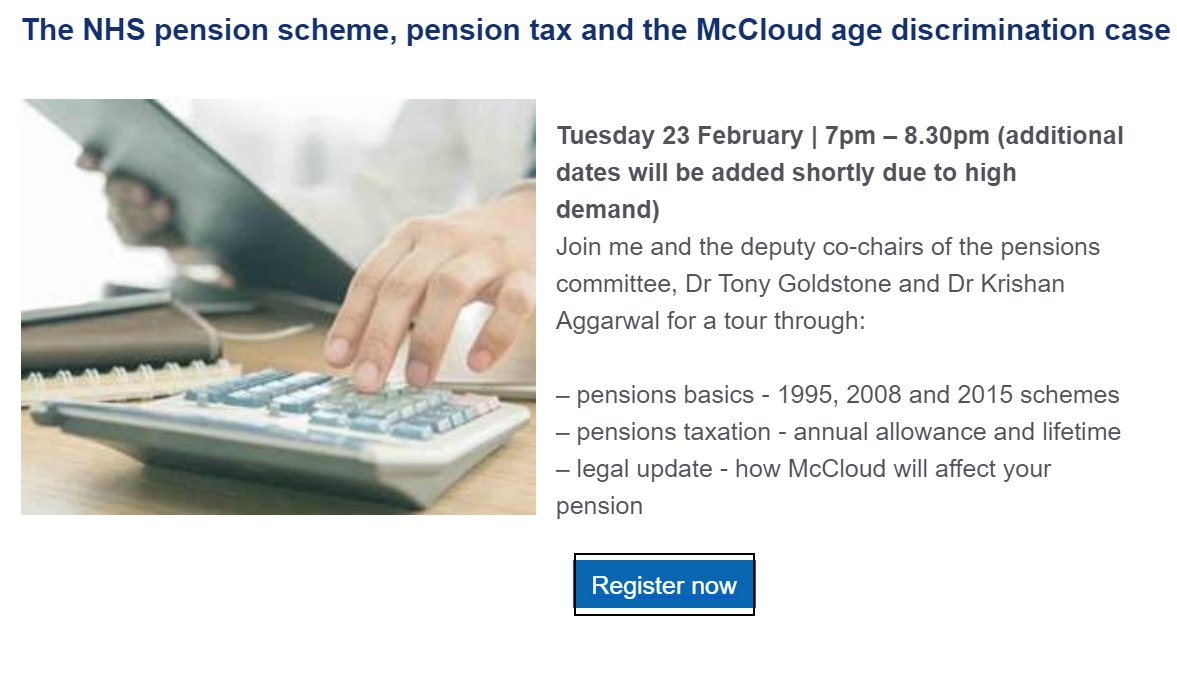
If you want to know more about pensions/"McCloud" , join me & @BMA_Pensions colleagues at one of our webinars. We've already had over 5000 people register, sign up early to avoid dissapointment.
Its free and open to all.
https://t.co/HhqdZ88c4m
Pls RT!
[END thread 2/2]
More from Finance



Thread Best books recommendation by one of best investor I knew @insharebazaar (Virtually)
He grab many multibagger stocks and His style also unique(1st Seen interview in @TraderHarneet's YT Channel)
He follow Simple process
Young Intelligent Investor who also appeared in ET
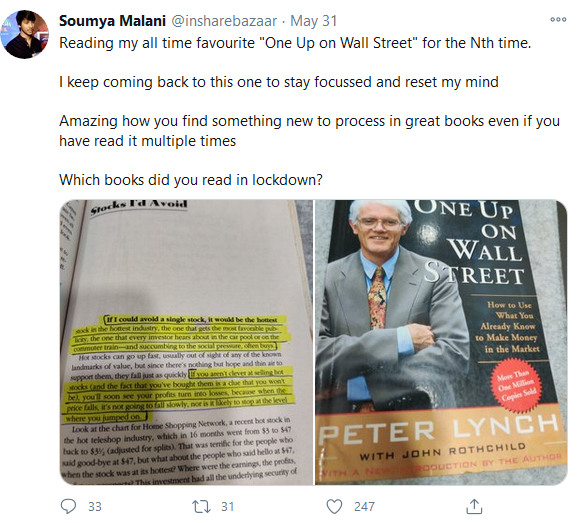
1. One Up On Wall Street
2. Rich Dad Poor Dad
Access here : https://t.co/UWOCF732z6
3. The Unusual Billionaires
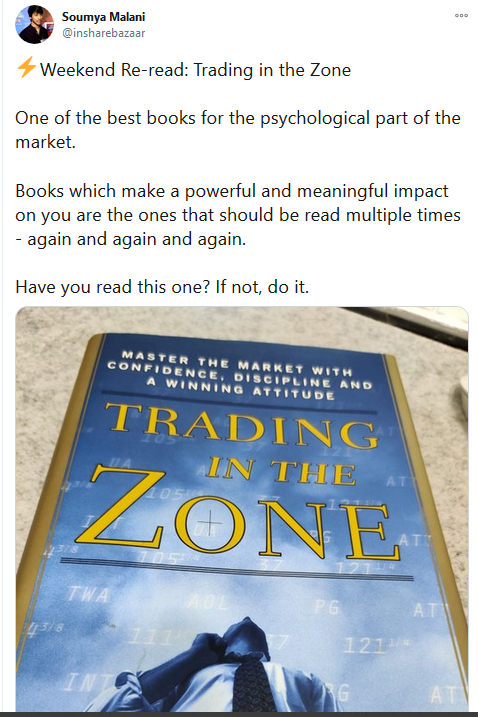
4. Trading in the Zone
https://t.co/G7mqVPtEM0
5. Market Wizards
6. The Intelligent Investor
https://t.co/yPKBzYyPAl
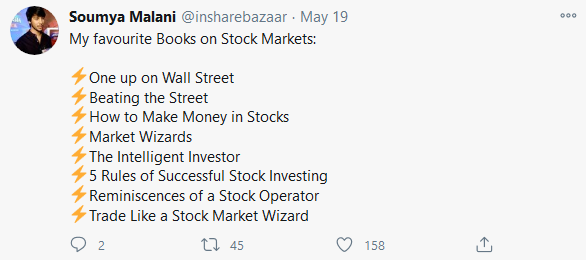
7. The Five Rules for Successful Stock Investing
8. Reminiscences of a Stock Operator
https://t.co/PiioB3hdHP
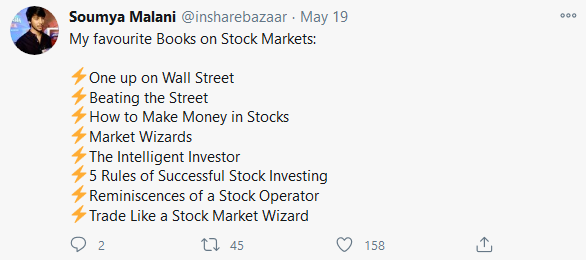
He grab many multibagger stocks and His style also unique(1st Seen interview in @TraderHarneet's YT Channel)
He follow Simple process
Young Intelligent Investor who also appeared in ET
1. One Up On Wall Street
2. Rich Dad Poor Dad
Access here : https://t.co/UWOCF732z6
3. The Unusual Billionaires
4. Trading in the Zone
https://t.co/G7mqVPtEM0
5. Market Wizards
6. The Intelligent Investor
https://t.co/yPKBzYyPAl
7. The Five Rules for Successful Stock Investing
8. Reminiscences of a Stock Operator
https://t.co/PiioB3hdHP


You May Also Like



**Thread on Bravery of Sikhs**
(I am forced to do this due to continuous hounding of Sikh Extremists since yesterday)
Rani Jindan Kaur, wife of Maharaja Ranjit Singh had illegitimate relations with Lal Singh (PM of Ranjit Singh). Along with Lal Singh, she attacked Jammu, burnt - https://t.co/EfjAq59AyI

Hindu villages of Jasrota, caused rebellion in Jammu, attacked Kishtwar.
Ancestors of Raja Ranjit Singh, The Sansi Tribe used to give daughters as concubines to Jahangir.

The Ludhiana Political Agency (Later NW Fronties Prov) was formed by less than 4000 British soldiers who advanced from Delhi and reached Ludhiana, receiving submissions of all sikh chiefs along the way. The submission of the troops of Raja of Lahore (Ranjit Singh) at Ambala.
Dabistan a contemporary book on Sikh History tells us that Guru Hargobind broke Naina devi Idol Same source describes Guru Hargobind serving a eunuch
YarKhan. (ref was proudly shared by a sikh on twitter)
Gobind Singh followed Bahadur Shah to Deccan to fight for him.

In Zafarnama, Guru Gobind Singh states that the reason he was in conflict with the Hill Rajas was that while they were worshiping idols, while he was an idol-breaker.
And idiot Hindus place him along Maharana, Prithviraj and Shivaji as saviours of Dharma.

(I am forced to do this due to continuous hounding of Sikh Extremists since yesterday)
Rani Jindan Kaur, wife of Maharaja Ranjit Singh had illegitimate relations with Lal Singh (PM of Ranjit Singh). Along with Lal Singh, she attacked Jammu, burnt - https://t.co/EfjAq59AyI
Tomorrow again same thing happens bcoz fudus like you are creating a narrative oh Khalistan. when farmers are asking MSP. (RSS ki tatti khane wale Kerni sena ke kutte).
— Ancient Economist (@_stock_tips) December 5, 2020
U kill sikhs in 1984 just politics. To BC low IQ fudu Saale entire history was politics.
Hindu villages of Jasrota, caused rebellion in Jammu, attacked Kishtwar.
Ancestors of Raja Ranjit Singh, The Sansi Tribe used to give daughters as concubines to Jahangir.
The Ludhiana Political Agency (Later NW Fronties Prov) was formed by less than 4000 British soldiers who advanced from Delhi and reached Ludhiana, receiving submissions of all sikh chiefs along the way. The submission of the troops of Raja of Lahore (Ranjit Singh) at Ambala.
Dabistan a contemporary book on Sikh History tells us that Guru Hargobind broke Naina devi Idol Same source describes Guru Hargobind serving a eunuch
YarKhan. (ref was proudly shared by a sikh on twitter)
Gobind Singh followed Bahadur Shah to Deccan to fight for him.
In Zafarnama, Guru Gobind Singh states that the reason he was in conflict with the Hill Rajas was that while they were worshiping idols, while he was an idol-breaker.
And idiot Hindus place him along Maharana, Prithviraj and Shivaji as saviours of Dharma.

My top 10 tweets of the year
A thread 👇
https://t.co/xj4js6shhy
https://t.co/b81zoW6u1d
https://t.co/1147it02zs
https://t.co/A7XCU5fC2m
A thread 👇
https://t.co/xj4js6shhy
Entrepreneur\u2019s mind.
— James Clear (@JamesClear) August 22, 2020
Athlete\u2019s body.
Artist\u2019s soul.
https://t.co/b81zoW6u1d
When you choose who to follow on Twitter, you are choosing your future thoughts.
— James Clear (@JamesClear) October 3, 2020
https://t.co/1147it02zs
Working on a problem reduces the fear of it.
— James Clear (@JamesClear) August 30, 2020
It\u2019s hard to fear a problem when you are making progress on it\u2014even if progress is imperfect and slow.
Action relieves anxiety.
https://t.co/A7XCU5fC2m
We often avoid taking action because we think "I need to learn more," but the best way to learn is often by taking action.
— James Clear (@JamesClear) September 23, 2020
So the cryptocurrency industry has basically two products, one which is relatively benign and doesn't have product market fit, and one which is malignant and does. The industry has a weird superposition of understanding this fact and (strategically?) not understanding it.
The benign product is sovereign programmable money, which is historically a niche interest of folks with a relatively clustered set of beliefs about the state, the literary merit of Snow Crash, and the utility of gold to the modern economy.
This product has narrow appeal and, accordingly, is worth about as much as everything else on a 486 sitting in someone's basement is worth.
The other product is investment scams, which have approximately the best product market fit of anything produced by humans. In no age, in no country, in no city, at no level of sophistication do people consistently say "Actually I would prefer not to get money for nothing."
This product needs the exchanges like they need oxygen, because the value of it is directly tied to having payment rails to move real currency into the ecosystem and some jurisdictional and regulatory legerdemain to stay one step ahead of the banhammer.
If everyone was holding bitcoin on the old x86 in their parents basement, we would be finding a price bottom. The problem is the risk is all pooled at a few brokerages and a network of rotten exchanges with counter party risk that makes AIG circa 2008 look like a good credit.
— Greg Wester (@gwestr) November 25, 2018
The benign product is sovereign programmable money, which is historically a niche interest of folks with a relatively clustered set of beliefs about the state, the literary merit of Snow Crash, and the utility of gold to the modern economy.
This product has narrow appeal and, accordingly, is worth about as much as everything else on a 486 sitting in someone's basement is worth.
The other product is investment scams, which have approximately the best product market fit of anything produced by humans. In no age, in no country, in no city, at no level of sophistication do people consistently say "Actually I would prefer not to get money for nothing."
This product needs the exchanges like they need oxygen, because the value of it is directly tied to having payment rails to move real currency into the ecosystem and some jurisdictional and regulatory legerdemain to stay one step ahead of the banhammer.

Trump is gonna let the Mueller investigation end all on it's own. It's obvious. All the hysteria of the past 2 weeks about his supposed impending firing of Mueller was a distraction. He was never going to fire Mueller and he's not going to
Mueller's officially end his investigation all on his own and he's gonna say he found no evidence of Trump campaign/Russian collusion during the 2016 election.
Democrats & DNC Media are going to LITERALLY have nothing coherent to say in response to that.
Mueller's team was 100% partisan.
That's why it's brilliant. NOBODY will be able to claim this team of partisan Democrats didn't go the EXTRA 20 MILES looking for ANY evidence they could find of Trump campaign/Russian collusion during the 2016 election
They looked high.
They looked low.
They looked underneath every rock, behind every tree, into every bush.
And they found...NOTHING.
Those saying Mueller will file obstruction charges against Trump: laughable.
What documents did Trump tell the Mueller team it couldn't have? What witnesses were withheld and never interviewed?
THERE WEREN'T ANY.
Mueller got full 100% cooperation as the record will show.
BREAKING: President Donald Trump has submitted his answers to questions from special counsel Robert Mueller
— Ryan Saavedra (@RealSaavedra) November 20, 2018
Mueller's officially end his investigation all on his own and he's gonna say he found no evidence of Trump campaign/Russian collusion during the 2016 election.
Democrats & DNC Media are going to LITERALLY have nothing coherent to say in response to that.
Mueller's team was 100% partisan.
That's why it's brilliant. NOBODY will be able to claim this team of partisan Democrats didn't go the EXTRA 20 MILES looking for ANY evidence they could find of Trump campaign/Russian collusion during the 2016 election
They looked high.
They looked low.
They looked underneath every rock, behind every tree, into every bush.
And they found...NOTHING.
Those saying Mueller will file obstruction charges against Trump: laughable.
What documents did Trump tell the Mueller team it couldn't have? What witnesses were withheld and never interviewed?
THERE WEREN'T ANY.
Mueller got full 100% cooperation as the record will show.