Simple joys? You mean, like seeing friends? Actually learning in a classroom? Heck, like learning at all?
So I woke up today to learn that the @A2SchoolsSuper has called a snow day. After a four-day weekend. And with tomorrow an "asynchronous" day (i.e., no real school again).
Which might sound reasonable after a storm, except -- there IS no in-person school in Ann Arbor.
Simple joys? You mean, like seeing friends? Actually learning in a classroom? Heck, like learning at all?
They don't need those things right now. They need school. We need school.
But the schools remain closed. There is no date for reopening.
Does she have any idea how that sounds to parents who are desperate to get their kids back into a classroom?
More from Education


Chicago Public Schools are supposed to open for some special needs and pre-K students Monday
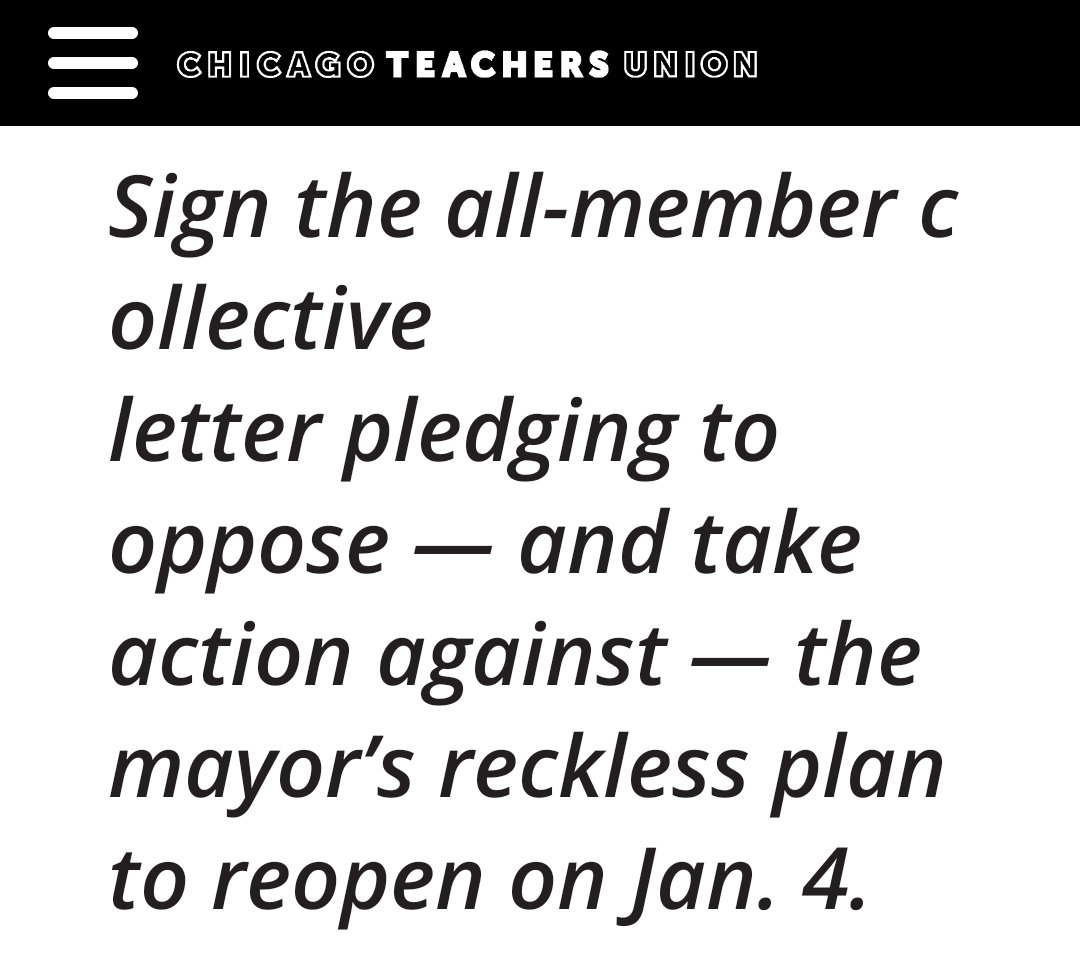
The Chicago Teachers Union is now threatening to refuse to return to work in person.
https://t.co/MgDgNe6REj
Meanwhile
https://t.co/FIij8J3r7z
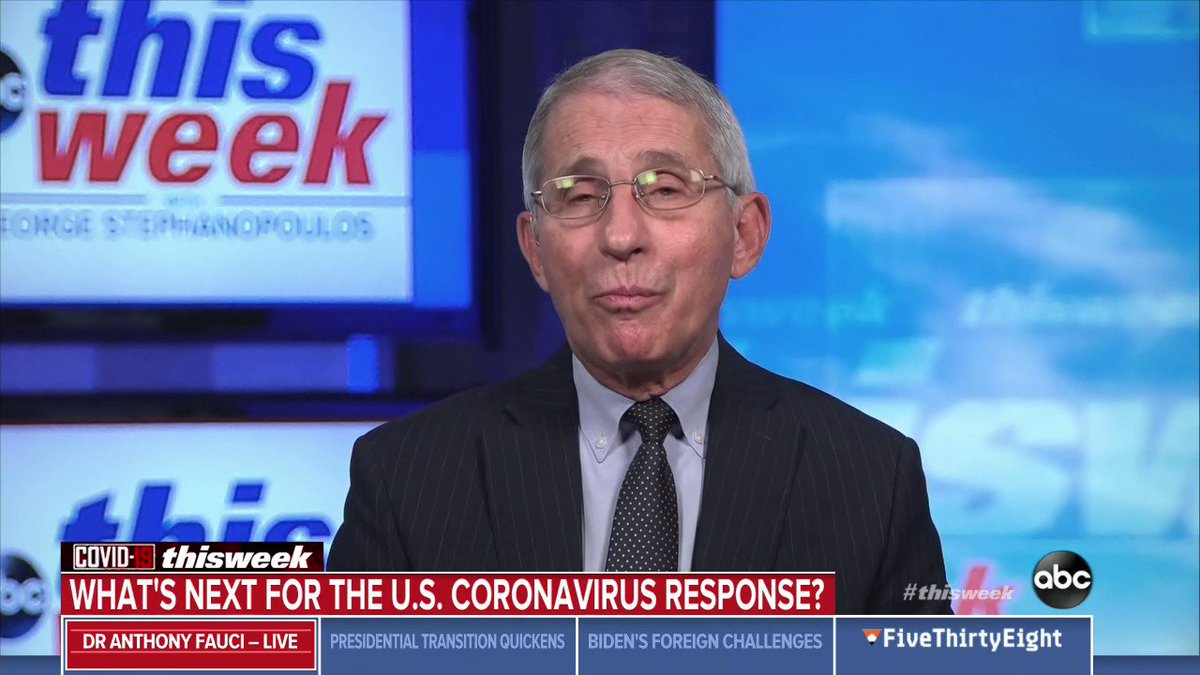
Dr. Fauci: "The default position should be to try as best as possible within reason to keep the children in school or to get them back to school [...] if you look at the data the spread among children and from children is not really big at
UNICEF: "Data from 191 countries shows no consistent link between reopening schools and increased rates of coronavirus
The Chicago Teachers Union is now threatening to refuse to return to work in person.
https://t.co/MgDgNe6REj
Meanwhile
https://t.co/FIij8J3r7z
Dr. Fauci: "The default position should be to try as best as possible within reason to keep the children in school or to get them back to school [...] if you look at the data the spread among children and from children is not really big at
UNICEF: "Data from 191 countries shows no consistent link between reopening schools and increased rates of coronavirus

Dear @Ofstednews
*Re: Teachers have passed the test the Government have failed*
My letter in response to @GavinWilliamson's request for parents to complain about online provision of learning during global pandemic. It might appeal to parents & #EduTwitter alike. THREAD⬇️
I would like to echo the recent recommendation of my MP, who I understand has education as one of their priorities.
They lead with religious and political faith, and I'd like you to lend from their methods of applying faith over fact, if you could.
You see, I have faith in schools communicating clearly, consistently and safely as the facts have demonstrated they can. Unlike the cabinet.
Schools have acknowledged the fear and confusion communities have suffered when this government has failed to deliver clear and consistent messages that lend to 'common sense'.
This, despite the fact their 'common sense' pleas for the contradicting that of their own dangerous behaviour.
*Re: Teachers have passed the test the Government have failed*
My letter in response to @GavinWilliamson's request for parents to complain about online provision of learning during global pandemic. It might appeal to parents & #EduTwitter alike. THREAD⬇️
I would like to echo the recent recommendation of my MP, who I understand has education as one of their priorities.
They lead with religious and political faith, and I'd like you to lend from their methods of applying faith over fact, if you could.
You see, I have faith in schools communicating clearly, consistently and safely as the facts have demonstrated they can. Unlike the cabinet.
Priti Patel announces even more deaths than I was expecting: "Three hundred thousand, thirty four, nine hundred and seventy four thousand"
— Parody Boris Johnson (@BorisJohnson_MP) April 11, 2020
That's almost twelvty ten squidillion.#COVID19 #pritipatel pic.twitter.com/Jf7a5E7BfI
Schools have acknowledged the fear and confusion communities have suffered when this government has failed to deliver clear and consistent messages that lend to 'common sense'.
This, despite the fact their 'common sense' pleas for the contradicting that of their own dangerous behaviour.

The outrage is not that she fit better. The outrage is that she stated very firmly on national television with no caveat, that there are no conditions not improved by exercise. Many people with viral sequelae have been saying for years that exercise has made them more disabled 1/
And the new draft NICE guidelines for ME/CFS which often has a viral onset specifically say that ME/CFS patients shouldn't do graded exercise. Clare is fully aware of this but still made a sweeping and very firm statement that all conditions are improved by exercise. This 2/
was an active dismissal of the lived experience of hundreds of thousands of patients with viral sequelae. Yes, exercise does help so many conditions. Yes, a very small number of people with an ME/CFS diagnosis are helped by exercise. But the vast majority of people with ME, a 3/
a quintessential post-viral condition, are made worse by exercise. Many have been left wheelchair dependent of bedbound by graded exercise therapy when they could walk before. To dismiss the lived experience of these patients with such a sweeping statement is unethical and 4/
unsafe. Clare has every right to her lived experience. But she can't, and you can't justifiably speak out on favour of listening to lived experience but cherry pick the lived experiences you are going to listen to. Why are the lived experiences of most people with ME dismissed?
Why is it such a source of collective outrage that a person with fatigue following a viral illness gets better?https://t.co/5lcwQBPLU5
— Trisha Greenhalgh \U0001f637 #CovidIsAirborne (@trishgreenhalgh) January 30, 2021
And the new draft NICE guidelines for ME/CFS which often has a viral onset specifically say that ME/CFS patients shouldn't do graded exercise. Clare is fully aware of this but still made a sweeping and very firm statement that all conditions are improved by exercise. This 2/
was an active dismissal of the lived experience of hundreds of thousands of patients with viral sequelae. Yes, exercise does help so many conditions. Yes, a very small number of people with an ME/CFS diagnosis are helped by exercise. But the vast majority of people with ME, a 3/
a quintessential post-viral condition, are made worse by exercise. Many have been left wheelchair dependent of bedbound by graded exercise therapy when they could walk before. To dismiss the lived experience of these patients with such a sweeping statement is unethical and 4/
unsafe. Clare has every right to her lived experience. But she can't, and you can't justifiably speak out on favour of listening to lived experience but cherry pick the lived experiences you are going to listen to. Why are the lived experiences of most people with ME dismissed?

You May Also Like




H was always unseen in S2NL :)
Those who exited at 1500 needed money. They can always come back near 969. Those who exited at 230 also needed money. They can come back near 95.
Those who sold L @ 660 can always come back at 360. Those who sold S last week can be back @ 301
Those who exited at 1500 needed money. They can always come back near 969. Those who exited at 230 also needed money. They can come back near 95.
Those who sold L @ 660 can always come back at 360. Those who sold S last week can be back @ 301
Sir, Log yahan.. 13 days patience nhi rakh sakte aur aap 2013 ki baat kar rahe ho. Even Aap Ready made portfolio banakar bhi de do to bhi wo 1 month me hi EXIT kar denge \U0001f602
— BhavinKhengarSuratGujarat (@IntradayWithBRK) September 19, 2021
Neuland 2700 se 1500 & Sequent 330 to 230 kya huwa.. 99% retailers/investors twitter par charcha n EXIT\U0001f602