$15 was insufficient 20 years ago, and it's insufficient now. pay people enough to feed their babies or they will kill you.
"if you demand more pay, we will replace you with robots" is not a reason to pay people less than it costs them to work for you, it is a reason to have your corporation taken over by the state, or dismantle an unwilling state and rebuild one that does.
$15 was insufficient 20 years ago, and it's insufficient now. pay people enough to feed their babies or they will kill you.
i cannot make it clearer than this
capitalism only "works" if you employ enough human beings to be the face of your blatant exploitation.
go ahead and automate and watch how fast people sabotage your shit.
government - leadership of any kind, tbh - only exists to centralise the management of common needs, so we don't all have to individually scrabble to survive every day, on our own.
what doesn't work is trying to use communism to take care of your people while hostile world capitalists make you waste money on weapons to stop them bombing your nation into glass.
if communism doesn't work, why do you spend billions fighting it?
even if communism happened tomorrow, there would still be a lot of treaties and work for everyone.
More from Economy

1/ Trend Factor: Any Economic Gains from Using Information over Investment Horizons? (Han, Zhou, Zhu)
"A trend factor using multiple time lengths outperforms ST reversal, momentum, and LT reversal, which are based on the three price trends separately."
https://t.co/udkvsdw2Lz
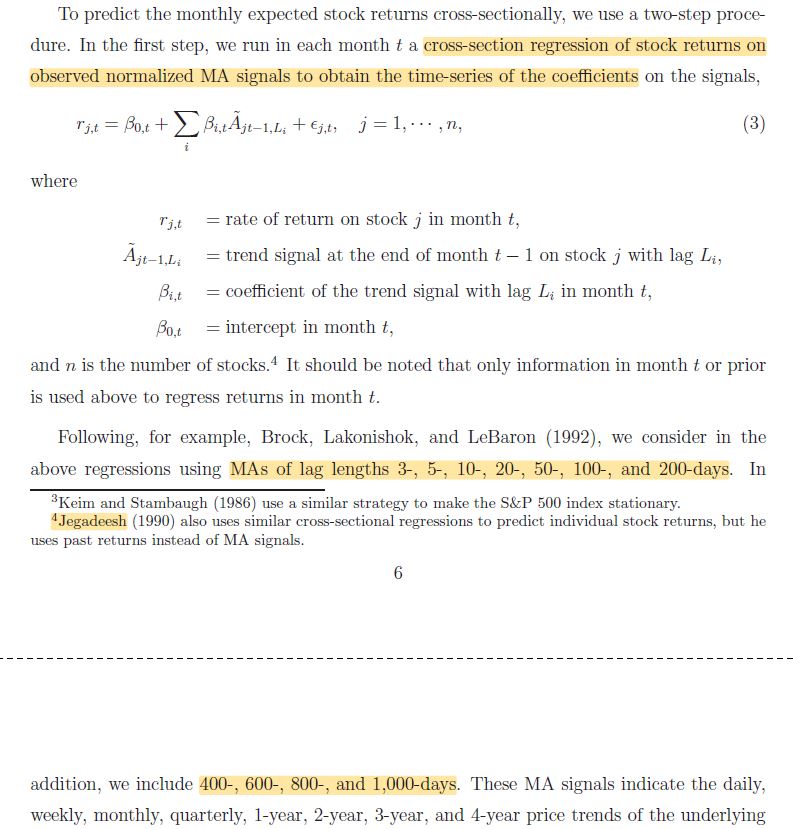
2/ This resembles combining multiple measures of ST reversal, momentum, and LT reversal (forecasts determined by walking forward rather than using signs from the full sample).
Unlike normal moving average signals, these are *cross-sectional.* More below:
https://t.co/wkIFLg9jtK
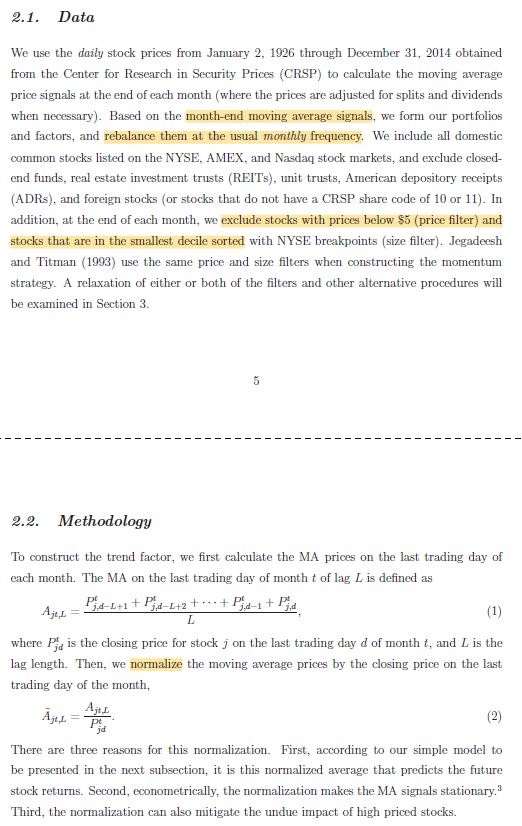
3/ Unsurprisingly, the Trend factor formed by this approach outperforms benchmarks in terms of both Sharpe ratio and tail metrics. It's combining momentum with two factors that are negatively correlated to it AND using multiple specifications.
More here:
https://t.co/x8Tloz3iyL
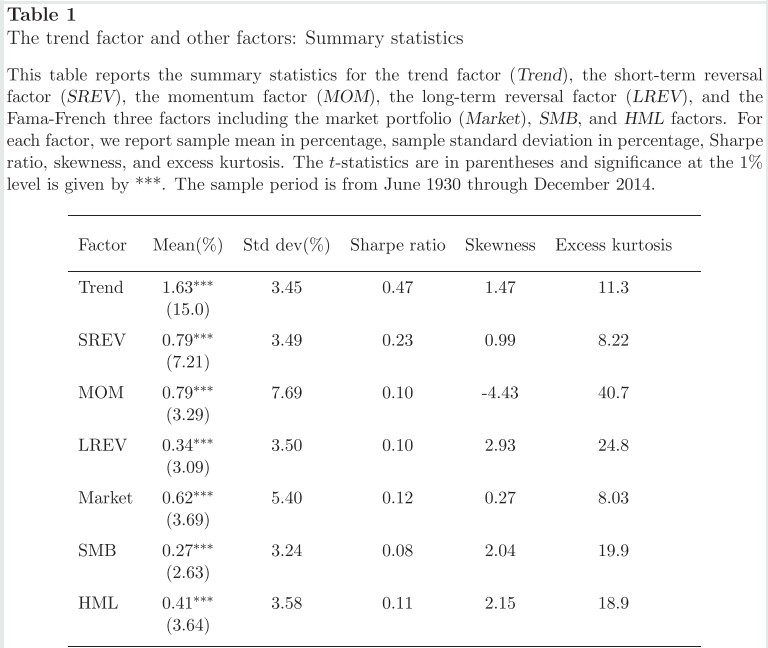
4/ "Average return and volatility of the trend factor are both higher in recession periods. However, the Sharpe ratio is virtually the same.
"Interestingly, all of the factors still have positive average returns.
"Momentum experiences the greatest increase in volatility."
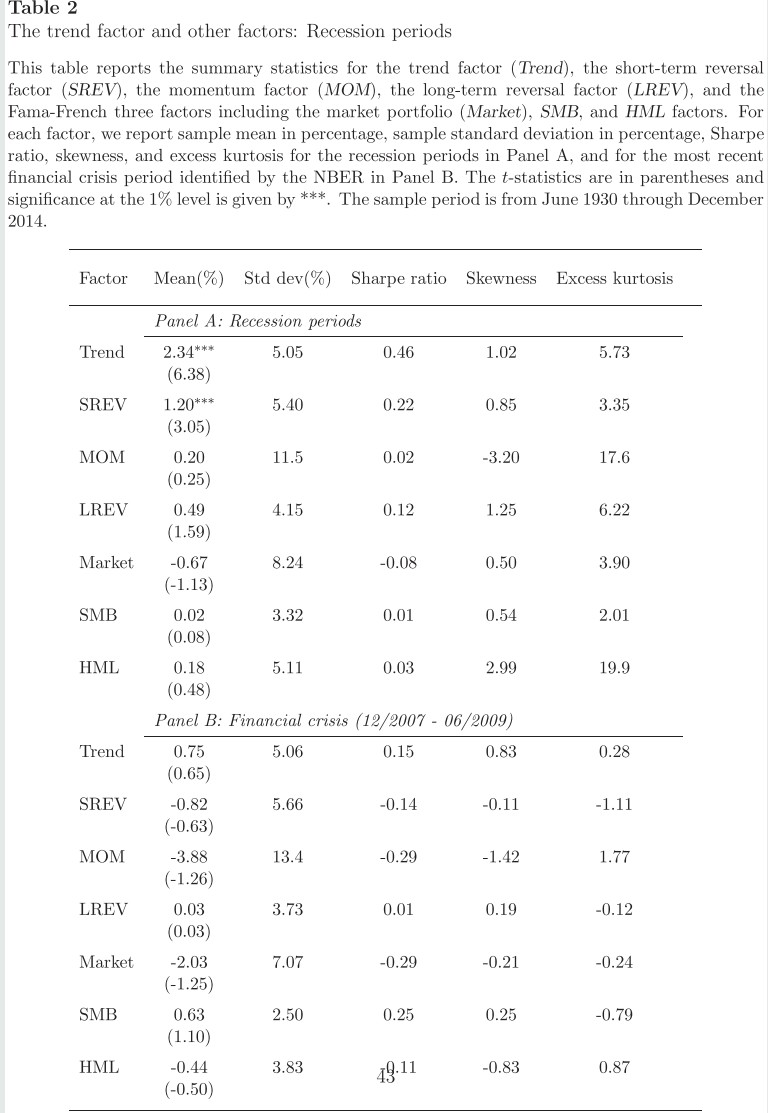
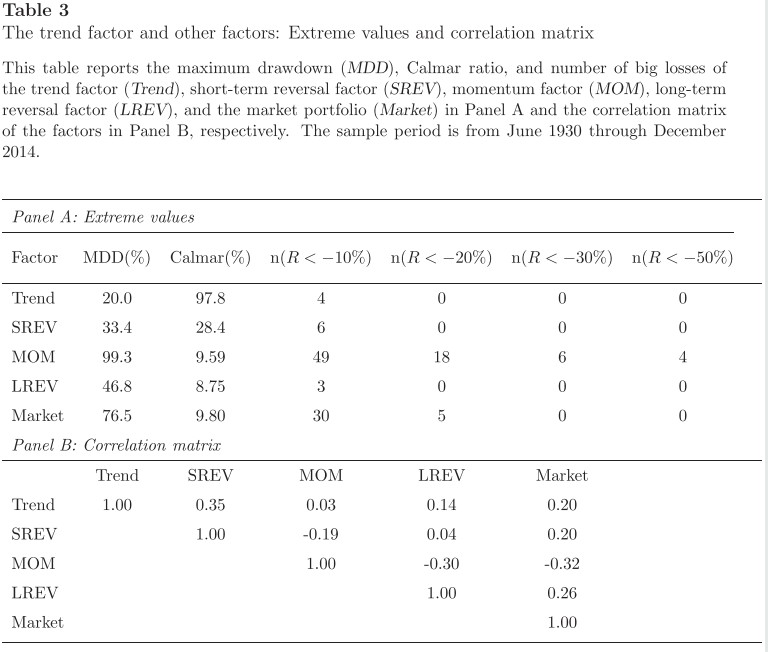
5/ "In terms of maximum drawdown and the Calmar ratio, the trend factor performs the best.
"The trend factor is correlated with the short-term reversal factor (35%), long-term reversal factor (14%), and the market (20%) but is virtually uncorrelated with the momentum factor."
"A trend factor using multiple time lengths outperforms ST reversal, momentum, and LT reversal, which are based on the three price trends separately."
https://t.co/udkvsdw2Lz
2/ This resembles combining multiple measures of ST reversal, momentum, and LT reversal (forecasts determined by walking forward rather than using signs from the full sample).
Unlike normal moving average signals, these are *cross-sectional.* More below:
https://t.co/wkIFLg9jtK
1/ Cross-Sectional and Time-Series Tests of Return Predictability: What Is the Difference? (Goyal, Jegadeesh)
— Darren \U0001f95a (@ReformedTrader) June 18, 2019
"The difference between the performances of TS and CS strategies is largely due to a time-varying net-long investment in risky assets."https://t.co/CSIn3ujN2R pic.twitter.com/XHnVmIart4
3/ Unsurprisingly, the Trend factor formed by this approach outperforms benchmarks in terms of both Sharpe ratio and tail metrics. It's combining momentum with two factors that are negatively correlated to it AND using multiple specifications.
More here:
https://t.co/x8Tloz3iyL
1/ An Executive Summary (in Tweet form) of our new paper
— Adam Butler (@GestaltU) March 27, 2019
Dual Momentum \u2013 A Craftsman\u2019s Perspective
Download here: https://t.co/Y9GlGNohBg
Everything that follows in this thread is based on HYPOTHETICAL AND SIMULATED RESULTS. pic.twitter.com/9m5YJnTdtq
4/ "Average return and volatility of the trend factor are both higher in recession periods. However, the Sharpe ratio is virtually the same.
"Interestingly, all of the factors still have positive average returns.
"Momentum experiences the greatest increase in volatility."
5/ "In terms of maximum drawdown and the Calmar ratio, the trend factor performs the best.
"The trend factor is correlated with the short-term reversal factor (35%), long-term reversal factor (14%), and the market (20%) but is virtually uncorrelated with the momentum factor."


You May Also Like

The UN just voted to condemn Israel 9 times, and the rest of the world 0.
View the resolutions and voting results here:
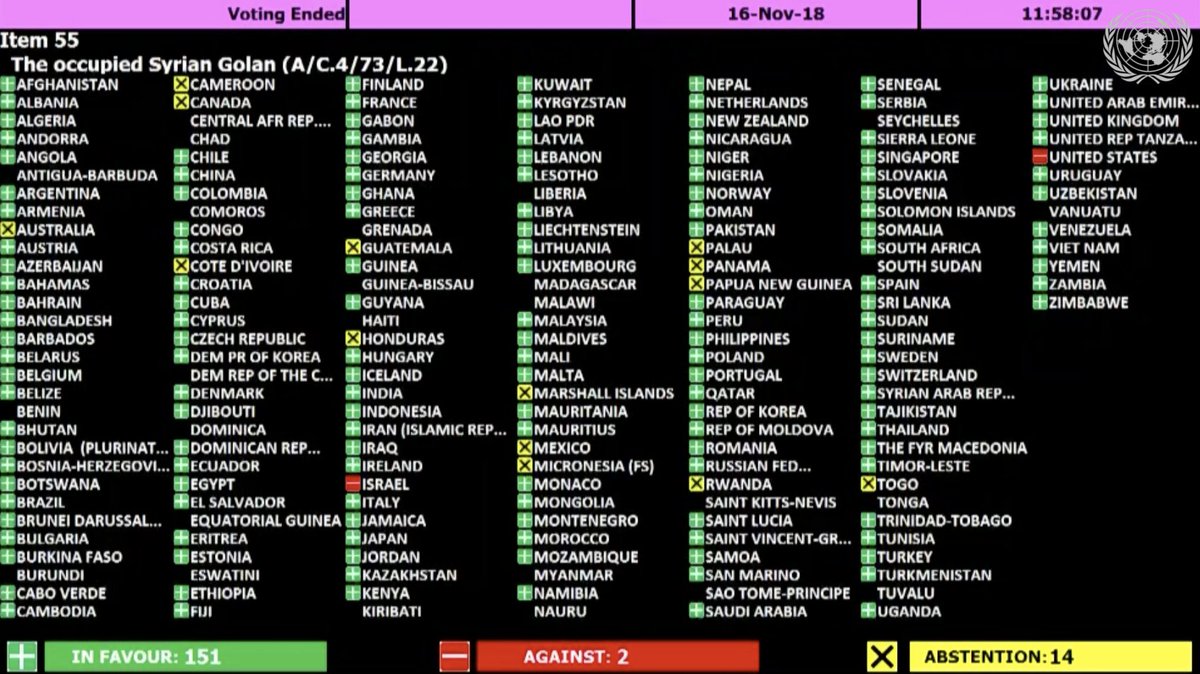
The resolution titled "The occupied Syrian Golan," which condemns Israel for "repressive measures" against Syrian citizens in the Golan Heights, was adopted by a vote of 151 - 2 - 14.
Israel and the U.S. voted 'No' https://t.co/HoO7oz0dwr
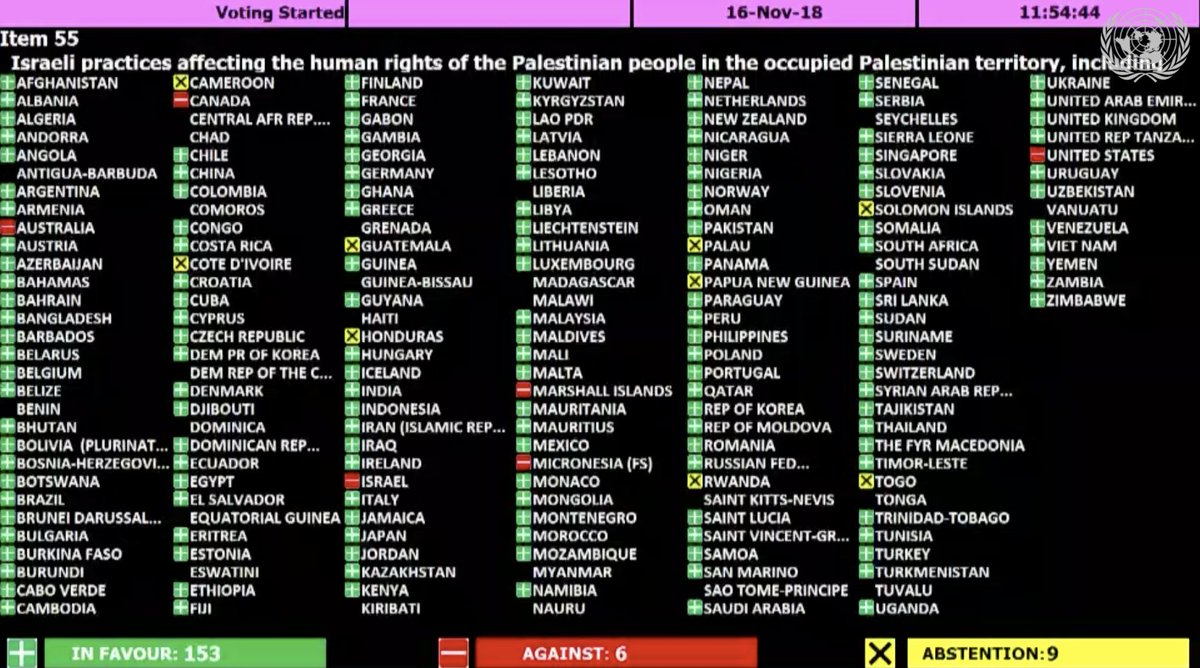
The resolution titled "Israeli practices affecting the human rights of the Palestinian people..." was adopted by a vote of 153 - 6 - 9.
Australia, Canada, Israel, Marshall Islands, Micronesia, and the U.S. voted 'No' https://t.co/1Ntpi7Vqab
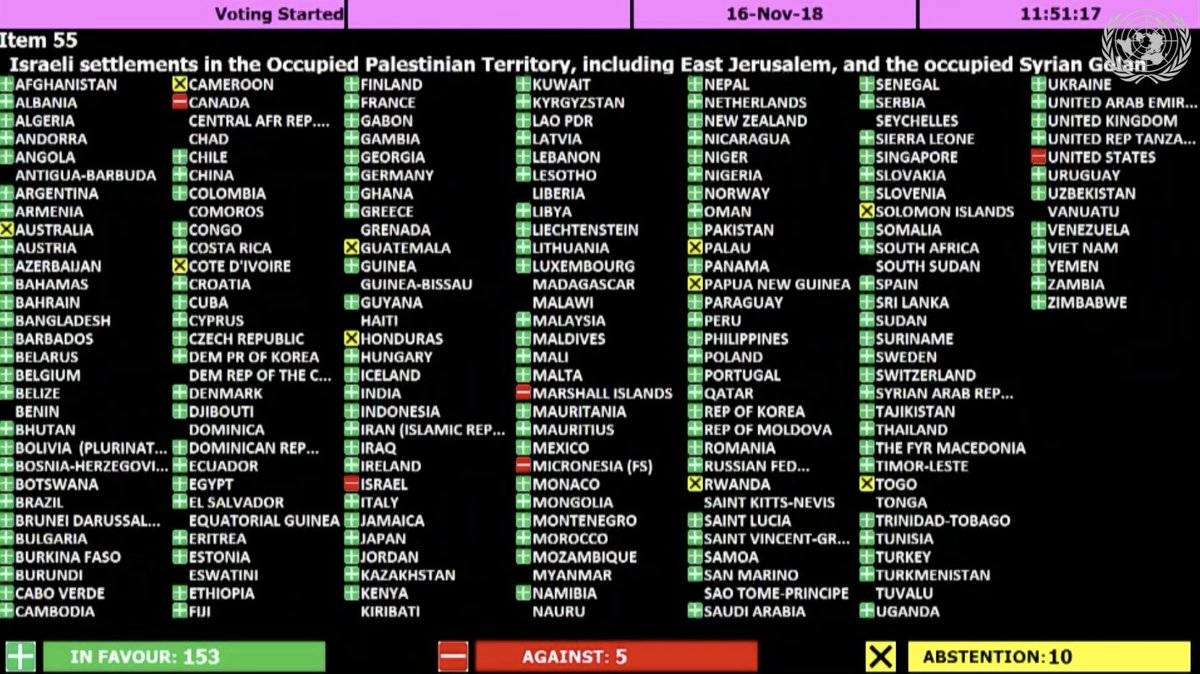
The resolution titled "Israeli settlements in the Occupied Palestinian Territory, including East Jerusalem, and the occupied Syrian Golan" was adopted by a vote of 153 – 5 – 10.
Canada, Israel, Marshall Islands, Micronesia, and the U.S. voted 'No'
https://t.co/REumYgyRuF
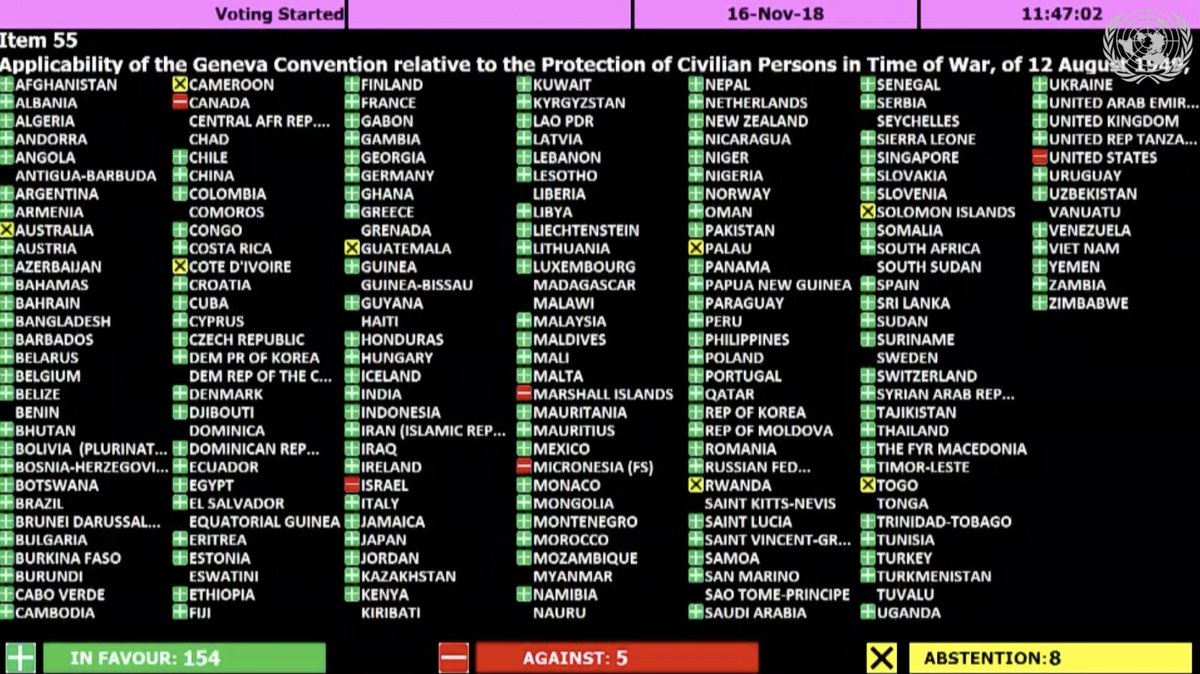
The resolution titled "Applicability of the Geneva Convention... to the
Occupied Palestinian Territory..." was adopted by a vote of 154 - 5 - 8.
Canada, Israel, Marshall Islands, Micronesia, and the U.S. voted 'No'
https://t.co/xDAeS9K1kW
View the resolutions and voting results here:
The resolution titled "The occupied Syrian Golan," which condemns Israel for "repressive measures" against Syrian citizens in the Golan Heights, was adopted by a vote of 151 - 2 - 14.
Israel and the U.S. voted 'No' https://t.co/HoO7oz0dwr
The resolution titled "Israeli practices affecting the human rights of the Palestinian people..." was adopted by a vote of 153 - 6 - 9.
Australia, Canada, Israel, Marshall Islands, Micronesia, and the U.S. voted 'No' https://t.co/1Ntpi7Vqab
The resolution titled "Israeli settlements in the Occupied Palestinian Territory, including East Jerusalem, and the occupied Syrian Golan" was adopted by a vote of 153 – 5 – 10.
Canada, Israel, Marshall Islands, Micronesia, and the U.S. voted 'No'
https://t.co/REumYgyRuF
The resolution titled "Applicability of the Geneva Convention... to the
Occupied Palestinian Territory..." was adopted by a vote of 154 - 5 - 8.
Canada, Israel, Marshall Islands, Micronesia, and the U.S. voted 'No'
https://t.co/xDAeS9K1kW