The solution to this problem is to figure out credible reasons to justify the number of indian military personnel, and the expenses of maintaining this relationship. Once you do that, reveal the details, and they lose leverage to push through this issue. /1
\u0787\u07a8\u0782\u07b0\u0791\u07a8\u0787\u07a7 \u0790\u07a8\u078a\u07a6\u0787\u07a8\u0782\u07b0\u078e\u07ac \u0787\u07a6\u078b\u07a6\u078b\u07aa \u0780\u07a7\u0789\u07a6\u0782\u07aa\u0786\u07aa\u0783\u07a8 \u0789\u07a6\u0787\u07b0\u0790\u07a6\u078d\u07a6 \u0780\u07a6\u0787\u07a8 \u0786\u07af\u0793\u07aa\u0782\u07b0 \u0784\u07a6\u078d\u07a6\u0787\u07a8\u078e\u07ac\u0782\u07b0\u078a\u07a8 https://t.co/qIYqo1RCo0
— Mihaaru (@Mihaarunews) December 8, 2020
More from Economy


1/OK, let's take a little break from Coup Twitter, and think about an economic issue:
How can we build up the wealth of the middle class?
2/The typical American has surprisingly little wealth compared to the typical resident of many other developed countries.
This is a fact that is not widely known or appreciated.
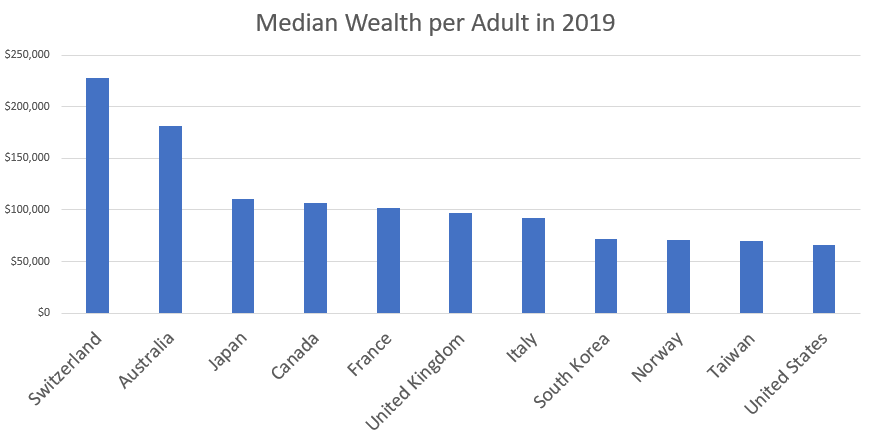
3/Now, some people argue that stuff like Social Security or social insurance programs should be included in wealth. But I chose to focus on private wealth because I think having assets you can sell whenever you want is important to
4/For many decades after World War 2, middle-class wealth in America was on a smooth upward trajectory.
Then the housing crash came, and all that changed. Suddenly the rich were still doing well but everyone else was seeing the end of their American Dream.
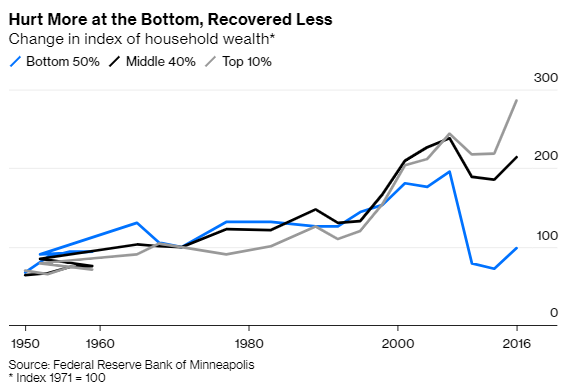
5/Why the divergence?
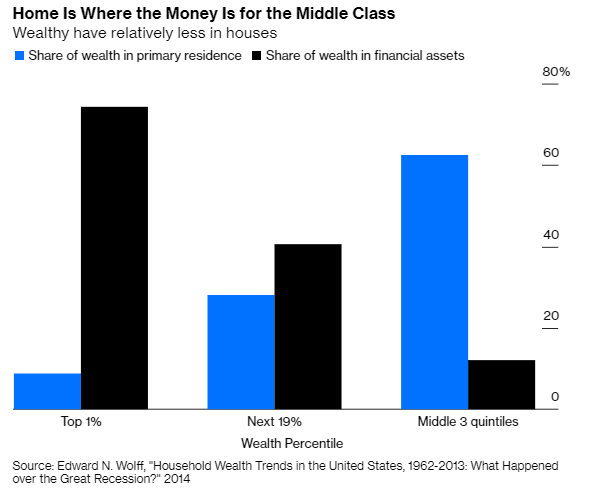
Because the American middle class has its wealth in houses -- specifically, in the houses they live in.
It's the rich who own stocks.
How can we build up the wealth of the middle class?
2/The typical American has surprisingly little wealth compared to the typical resident of many other developed countries.
This is a fact that is not widely known or appreciated.
3/Now, some people argue that stuff like Social Security or social insurance programs should be included in wealth. But I chose to focus on private wealth because I think having assets you can sell whenever you want is important to
Yes, these numbers don't include things like Social Security, just privately held wealth. They're not an attempt to capitalize every possible future income stream.
— Noahtogolpe \U0001f407 (@Noahpinion) January 10, 2021
4/For many decades after World War 2, middle-class wealth in America was on a smooth upward trajectory.
Then the housing crash came, and all that changed. Suddenly the rich were still doing well but everyone else was seeing the end of their American Dream.
5/Why the divergence?
Because the American middle class has its wealth in houses -- specifically, in the houses they live in.
It's the rich who own stocks.


What a year: 203 essays about degrowth in English since the beginning of March. Here is a selection of some of my favourites. Thank you @fem_degrowth, @beth_stratford, @thedownshifters, @corbinkbarthold, @degrowth_info for these brilliant texts.
THREAD/
https://t.co/1lFaJM52RX
https://t.co/i5HOfZ19r7
https://t.co/DuPSrrqnzz
https://t.co/0ANveWdvFO
THREAD/
https://t.co/1lFaJM52RX
https://t.co/i5HOfZ19r7
https://t.co/DuPSrrqnzz
https://t.co/0ANveWdvFO