Jack Saul, The Sins of the Cities of the Plain (1881)
https://t.co/nMby1oWmV5 Major work of gay/trans porn writing. Probably not by the actual John Saul, sex worker and occasional cross-dresser. Features the infamous Fanny and Stella, who were very trans:
https://t.co/8mqNPuJDyI
Rachilde, Monsieur Vénus (1884, English tr. 2005)
https://t.co/Ni2jYupQEu Erotic novel of an abusive BDSM relationship which propels both characters into gender ambiguity, by a writer with strong but complicated male identification and presentation.
Irene Clyde, Beatrice the Sixteenth (1909)
https://t.co/0glyOrWdqk Speculative fiction about a postgender (but very femme) society, by a lawyer, writer, feminist, pacifist, traitor and war crime apologist who expressed a lifelong desire to be a woman.
John Radclyffe Hall, The Well of Loneliness (1928)
https://t.co/du4qeItptV Novel of sexual inversion, a sexology category combining sexuality & gender, by an invert who preferred the name John.
Dare you to go on telly claiming this as the 1st trans novel with a major publisher.
Ed Wood, Killer in Drag (1963)
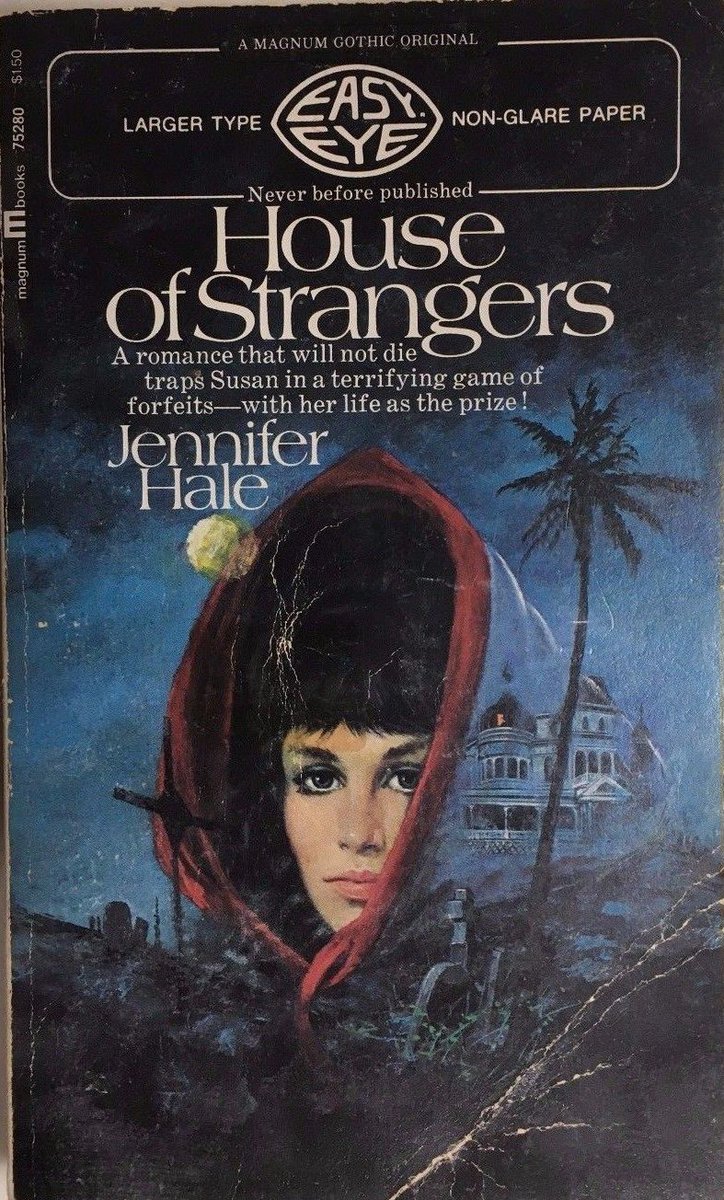
https://t.co/2GkfZ6KV5k Pulp crime novel about transvestites by a self-identified transvestite with a very developed female persona. Followed by "Death of a Transvestite".
Jean Marie Stein, Season of the Witch (1968)
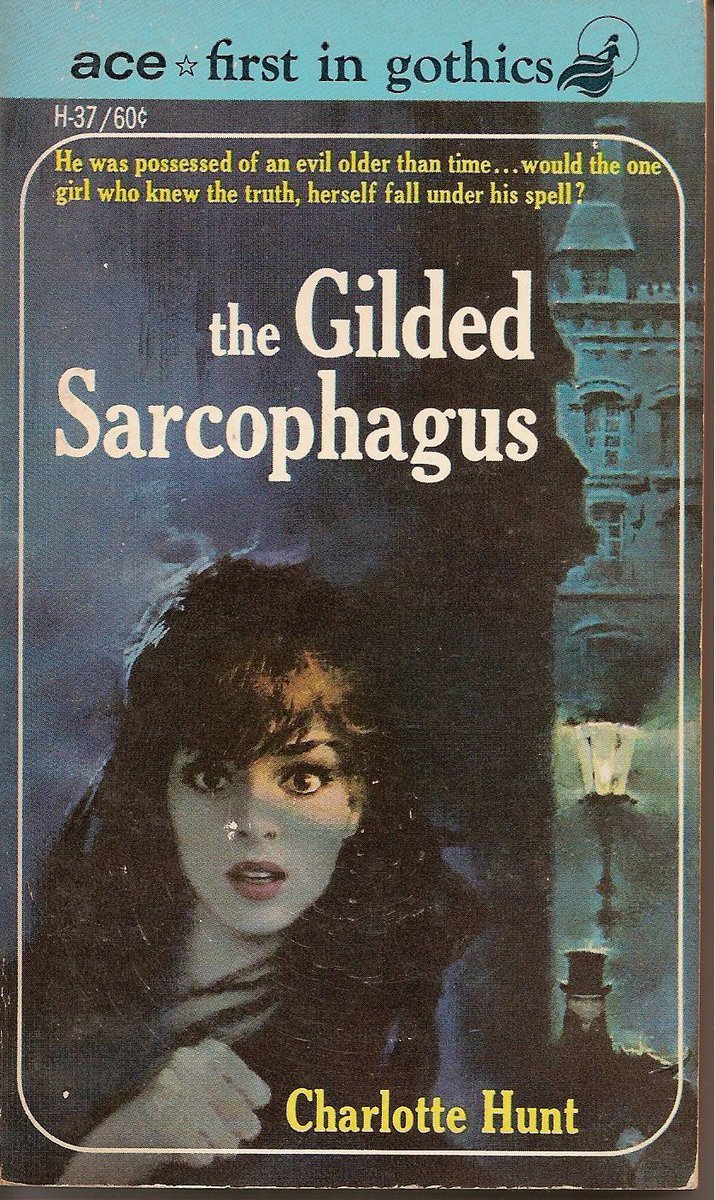
https://t.co/NthWJwAzPn Erotic genderswap/brainswap novel; she came out as transsexual after it was published. If you think the foregoing books are problematic, this is more so. Inspired the iconically bad film Memory Run (1996).
Roz Kaveney, Tiny Pieces of Skull (198?, pub. 2015)
https://t.co/UHOLUiPR5f Novel of 1970-80s trans life in London and Chicago; one of the only literary docments of that time. Declined by publishers until 2015.
Red Jordan Arobateau, Novels and short stories (1990-present)
https://t.co/Zdy7sPMJzV https://t.co/CfAcfN6krw Vast, vast catalogue of fiction, erotic and otherwise, of various lengths, on a spectrum of butch to trans man, along with the author.
Leslie Feinberg, Stone Butch Blues (1993)
https://t.co/6J3kjvT5wu Vital classic of lesbian and trans fiction, from the revolutionary communist who helped to create and popularise "transgender" as a term and trans liberation as a politics.
CaiRa, TSe TSe Terrorism (1993-95)
Serialised under a pseudonym in Gendertrash:
https://t.co/cAOZNwIG39 Punk zine fiction/screenplay/manifesto/genderfuck writing. I don't know if there's more than what's in the zines. I really hope so.
Kate Bornstein and Caitlin Sullivan, Nearly Roadkill (1996)
https://t.co/YKehG15gsQ Cyberpunk cybersex novel that imagines the future internet from the perspective of 1996. They got a lot right, and a lot brilliantly wrong.
Rachel Pollack, A Secret Woman (2002)
https://t.co/5sGWJQyn2D Pollack has decades of brilliant science fiction and fantasy behind her, and then wrote a classically tight detective procedural that's also a novel of transition, her first to deal with it in realism.
Lynn Breedlove, Godspeed (2003)
https://t.co/NYHw0OB0B0 Dirtbag bike butch road and gutter novel.
Charlie Jane Anders, Choir Boy (2005)
https://t.co/sxmJ9DqIsi Choirboy takes hormones in order to stay a choirboy forever, picaresque chaos ensues.
Alicia Goranson, Supervillainz (2006)
https://t.co/BbwLlZvSXu What if comic book villains were real, but also tech brat rich kids, and they were brought down by an iconically fucked up T4T frenemy non-super duo. Also features a James H moment (if you know you know).
Tanya Jane Richards, Tranz-Mania (2006)
https://t.co/8hyqliVlqK Novel of the fin de siècle London TS/TV hotel and club night scene. About the passing of that scene, written at the moment something else began to emerge.
That's everything I know about up to 2010. There will be lots I don't know. I'm stopping there because from 2010 trans writing explodes promiscuously and extravagantly. There's now an order of magnitude more books. I gather any that I can find here:
https://t.co/TgEuODJcPg
If you can help me with this research, I'd be really grateful. I've been at it for around three years because I love the material, because finding myself in books made me happen and I want to help others find that. It's not about making a canon, it's about making trans people.
I've included only authors who made a clear and public trans identification, exercising both caution and generosity about what counts for authors before terms for transness are possible. There are plenty more authors you could argue for.
Some observations:
First, this list is overwhelmingly white. This is not because trans writers of colour weren't writing, but because their writing was more suppressed and less preserved. It's also produced by the terms of engagement: both "trans" and "novel" centre whiteness.
With the explosion of trans writing from 2010 on, there are plenty of books by trans writers of colour, and I strongly recommend centering them in any ongoing writing about what's happening with trans writing, because it disrupts those terms of engagement.
Second, erotic writing is totally central to the history of trans literature. You cannot escape it and you shouldn't want to. The earlier erotica is weird and problematic and often hard to confront, but it's the only avenue we had to readers, and trans life gets to be sexual.
Third, the only ways trans people got published until very recently were either by being very rich or by being connected to autonomous means of distribution, including zine networks and feminist presses. That is still the case for most of us.
Fourth, the term "trans" itself is a way that the ability to write a novel about trans life gets authorised. When there's an identity that liberal society can recognise, that's when it starts to hunt for the art to extract value from. So "trans" is *always* bound up in the novel.
Finally, I kept this list to Anglophone writing as I lack the research skills & resources to follow other languages. But this is a self-reinforcing loop: trans literary communities are cut off from each other by language barriers & the lack of resources to overcome them.
I did a talk about all this at Glasgow Zine Fair last year. Given the excitement this year, I *really* need to get that online for you all. Until then, here's the two final slides.
Go read, go write!